


Avoid Menu Errors With Eel in Japanese Name Terms
A Japanese-style menu can look polished and still contain a costly mistake: calling every eel dish “unagi.” The eel in japanese name depends on what animal is being served, where it lives, and how the dish is prepared. Unagi, anago, and hamo may all be translated as eel in English, but they are not interchangeable menu terms.
For restaurant operators, seafood importers, and content teams, this distinction affects more than wording. It affects buyer expectations, product descriptions, allergen and origin documentation review, recipe planning, and customer trust. A sweet glazed rice bowl labeled unagi creates a different expectation from a lightly simmered conger preparation labeled anago.
What are unagi, anago, and hamo?
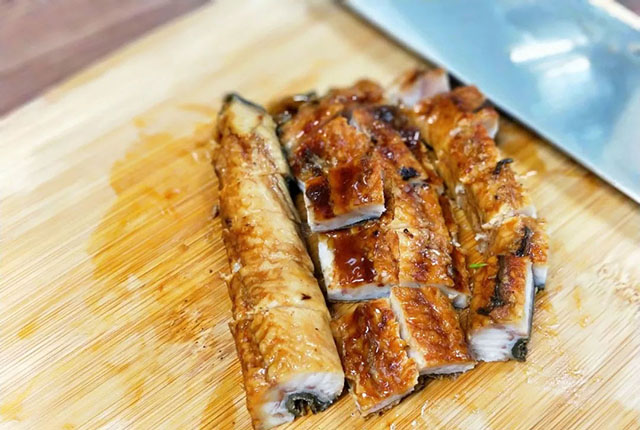
Unagi means freshwater eel. In Japanese food service, it commonly refers to freshwater eel prepared for dishes such as kabayaki, where the eel is grilled and coated with a sweet-savory sauce. For buyers sourcing frozen roasted eel, unagi is the relevant Japanese term when the product is freshwater eel rather than a marine eel.
Anago means conger eel. It is generally a saltwater eel used in Japanese cuisine, often simmered, grilled, or served over sushi rice. It has a different culinary identity from unagi, even when both appear as soft, cooked eel on a menu.
Hamo means pike conger. It is also a marine conger eel, but it is not simply another name for anago. Hamo is often associated with fine knife work because of its many small bones. It is frequently served in seasonal Japanese dishes, including lightly cooked, simmered, or broth-based preparations.
For a broad biological reference, the term freshwater eel should not be used as a blanket description for marine conger species. The English word “eel” is broad; Japanese culinary names are more specific.
| Japanese name | General habitat | Practical menu meaning | Common preparation context | Do not label it as |
|---|---|---|---|---|
| Unagi | Freshwater | Freshwater eel | Kabayaki, grilled eel rice bowl, sushi, bento | Anago or hamo unless the supplied species is actually conger |
| Anago | Marine | Conger eel | Simmered conger, sushi topping, grilled preparations | Unagi merely because it is served with rice or sauce |
| Hamo | Marine | Pike conger | Seasonal dishes, broth dishes, lightly cooked preparations | Anago without confirming the species and intended style |
The conclusion is simple: use unagi for freshwater eel products, anago for conger eel products, and hamo only for pike conger. This applies to menu copy, online listings, carton labels, and product specification sheets. It does not apply when the supplier documentation provides a different species identification; in that case, the verified product specification should control the final label.
How does matching the Japanese name to preparation and habitat prevent inaccurate menu labeling?
Match the Japanese name to both habitat and preparation before approving a menu description. Habitat identifies the correct culinary category. Preparation then confirms whether the dish description makes sense for customer expectations. This two-part check prevents a freshwater kabayaki product from being promoted as anago and prevents a marine conger dish from being marketed as unagi.
The term eel in japanese name should therefore be treated as a terminology-validation task, not a translation shortcut. “Japanese eel” in an English product title may be unclear. “Frozen unagi kabayaki,” on the other hand, tells a buyer that the product is freshwater eel in a specific roasted and sauced format.
| Check point | Question to ask | Correct labeling action | Limit or exception |
|---|---|---|---|
| Habitat | Is the supplied eel freshwater or marine? | Use unagi for freshwater eel; use anago or hamo only for the relevant marine conger product. | Do not decide from appearance after cooking. Confirm supplier specifications. |
| Species description | Does the invoice, label, or product specification identify the product? | Keep Japanese and English names aligned with the supplied documentation. | A dish photo or a generic “eel” sales description is not enough evidence. |
| Preparation | Is it grilled with kabayaki sauce, simmered, or used in a broth dish? | Describe the actual cooking style after the correct Japanese name. | Preparation supports the label but does not replace species confirmation. |
| Menu promise | What will a Japanese-food customer expect? | Use a clear English explanation, such as “grilled freshwater eel.” | Do not use Japanese terminology alone if your audience may not understand it. |
For example, a restaurant receives frozen, roasted freshwater eel portions with a soy-based glaze. The appropriate menu wording is “Unagi Kabayaki,” followed by a plain-language description such as “grilled freshwater eel with sweet soy glaze.” Calling that item “anago kabayaki” would be inaccurate because the core product category is wrong, even though both are eels and both can be cooked with sauce.
Conversely, if a sushi bar serves conger eel sourced as anago, it should not rename it unagi to make the menu more familiar. That may make ordering easier in the short term, but it weakens menu accuracy and can confuse informed guests.
When should a menu use unagi kabayaki rather than a generic grilled eel description?
Use “unagi kabayaki” when the product is freshwater eel prepared in the kabayaki style. The term is useful because it identifies both the ingredient and the preparation. It fits rice bowls, sushi applications, bento formats, and Japanese restaurant menu sections where customers expect traditional dish names.
A generic “grilled eel” description is better only when the restaurant is intentionally using plain English for a broad audience or when the product is not confirmed as freshwater eel. In that case, do not add “unagi” simply because the glaze resembles kabayaki sauce.
Eelpro supplies frozen unagi kabayaki for foodservice and export buyers. Our roasting process uses four precise layers of soy-sauce coating with temperature-controlled steps, which supports a consistent kabayaki-style product presentation. Buyers can review our unagi kabayaki product details when matching a menu name to a frozen product format.
For a menu item using a separate finishing sauce, call the sauce what it is. “Unagi tare” or “eel sauce” may be appropriate where the formula and serving use support that wording. Do not imply that a sauce alone makes a non-unagi product into unagi. See the eel sauce product page for sauce-format reference when building retail or foodservice descriptions.
What menu mistakes cause the most confusion?
The largest errors come from treating “eel” as one interchangeable ingredient. These mistakes are avoidable during menu review, before print files, marketplace listings, or packaging artwork are approved.
- Using unagi for every eel dish. This is incorrect when the supplied item is marine conger. Confirm the habitat and supplied species first.
- Calling anago “freshwater eel.” Anago is a marine conger category. A soft texture or sushi presentation does not change that.
- Using hamo as a premium synonym for anago. Hamo is pike conger and should be named only when that is the actual product supplied.
- Letting the sauce determine the species name. A sweet glaze can appear on more than one seafood item. Species identification comes first; sauce description comes second.
- Copying a competitor’s menu wording. Another restaurant may use shorthand, a local convention, or an inaccurate translation. Use your own supplier records.
- Writing only the Japanese name. This may confuse diners unfamiliar with the term. Pair it with a short English explanation, especially on consumer-facing menus.
- Writing only “eel” on B2B listings. Importers and distributors need the actual product category, cut format, sauce status, and frozen or ready-to-heat condition.
A practical listing format is: Japanese name + English ingredient name + preparation + format. For example: “Unagi Kabayaki — Frozen Roasted Freshwater Eel with Soy-Based Glaze.” This format works for catalogues and foodservice ordering sheets. It does not replace mandatory local labeling requirements, which should be checked in the destination market.
What should importers and restaurant groups verify before approving a product listing?
Approve the name only after checking product documentation, intended use, and the final customer-facing description together. A copywriter may know Japanese food terminology but still need procurement confirmation on the exact supplied product.
- Read the supplier specification. Confirm whether the product is freshwater eel, conger eel, or another aquatic product category.
- Confirm the finished format. Check whether it is white-roasted, kabayaki, cut pieces, sushi slices, strips, diced product, or another agreed format.
- Match the Japanese term. Use unagi, anago, or hamo only where the verified ingredient supports it.
- Add a plain English descriptor. State “freshwater eel,” “conger eel,” or “pike conger” where appropriate.
- Describe the actual preparation. Say grilled, roasted, simmered, or sauce-coated only when that reflects the product supplied.
- Review artwork across channels. Check menus, delivery-app listings, retail sleeves, carton marks, and distributor catalogues for the same terminology.
This process is especially useful for buyers managing multiple product formats. Eelpro can provide custom cutting formats including shredding, dicing, strip-cutting, chunk-cutting, three-section cuts, and sushi slices. The menu name should still identify the actual eel category; a different cut does not turn unagi into anago or hamo.
For export-oriented sourcing, terminology review should sit beside food-safety document review. Eelpro holds ISO 22000:2018, HACCP, HALAL certification, export food producer registration, and an SC Food Production License. Our supply chain includes approximately 20 customs-registered farming bases covering more than 2,150 mu, with traceability controls from farming registration through shipment. These controls help buyers verify product records, but they do not remove the buyer’s responsibility to use labels that meet local regulations.
Can frozen unagi be used confidently on Japanese restaurant menus?
Yes, when the frozen product is verified as freshwater eel and the menu presents it honestly as unagi. Frozen format does not make the Japanese name inaccurate. The relevant issue is whether the ingredient and preparation match the description.
Frozen unagi kabayaki is well suited to restaurants that need portion consistency, reduced back-of-house handling, and a ready-to-heat route to service. It is less suited to operators who want to perform every stage of fresh eel preparation in-house or who need an anago- or hamo-specific dish.
Eelpro maintains two modern production lines for frozen roasted eel and deep-processed aquatic products, with an annual finished-goods capacity of 4,000 tons. We also operate a 1,000-ton cold storage facility for storage and cold-chain logistics. Our kabayaki eel has been supplied long term to Japanese restaurant chains, while unagi kabayaki and eel sauce have also been exported to United States food importers. These are relevant references for commercial sourcing, not a guarantee that every product format or destination will have identical requirements.
For menu teams developing serving ideas after terminology is confirmed, our eel rice bowl toppings guide can help connect an accurate unagi label with a suitable rice-bowl presentation.
What is the fastest final check before the menu goes live?
Use this five-point check:
- Is the eel confirmed as freshwater or marine?
- Does the supplier documentation support unagi, anago, or hamo?
- Does the English description explain the ingredient clearly?
- Does the preparation description match the supplied product?
- Have procurement, culinary, and content teams approved the same wording?
If one answer is missing, pause the label approval. A generic “eel” description is safer than assigning a specific Japanese name without confirmation. Accurate wording protects menu credibility and helps the guest receive the dish they expect.
Need help matching your frozen eel format to an accurate Japanese menu name? Request product selection advice and a specification sheet from Eelpro.