

Do Eels Have Backbones? Here's How to Tell True Eels From Hagfish
Search "eel" online and you'll get a mixed bag — slippery fish, slime-producing scavengers, even legless amphibians. So here's the question buyers and home cooks keep asking us: do eels have backbones? Short answer: yes. True eels are bony fish with a complete vertebral column, a skull, and jaws. Hagfish, despite looking eel-shaped, are a different animal entirely — they don't even have a proper backbone. Let's break down why this matters, especially if you're sourcing eel products for food service or retail.
Why This Confusion Even Exists
Blame it on body shape. Eels, hagfish, and lampreys all share that long, tube-like, scaleless look. Evolution reused a body plan that works well for burrowing and squeezing through tight spaces. But shared shape doesn't mean shared skeleton.
True eels belong to the order Anguilliformes — over 800 species, including the freshwater eel (Anguilla species) used in unagi kabayaki eel production. Hagfish belong to the class Myxini, a much older lineage that split off before jawed vertebrates even existed. They're not "primitive eels." They're a separate branch of the animal tree entirely.
Skeleton Differences: True Eels vs Hagfish
This is the part that actually settles the debate. Skeleton structure is the single clearest way to separate the two groups — not color, not habitat, not slime coating.
| Feature | True Eels (Anguilliformes) | Hagfish (Myxini) |
|---|---|---|
| Vertebral column | Yes — full backbone with vertebrae | No — only a notochord, no vertebrae |
| Skull | Bony skull with jaws | Cartilage skull, no true jaws |
| Classification | Bony fish (Osteichthyes) | Jawless fish (Agnatha) |
| Scales | Tiny, embedded scales (often unnoticeable) | No scales at all |
| Skin defense | Mucus layer, no slime glands | Slime glands producing large volumes of defensive slime |
| Common food use | Kabayaki, sushi, smoked eel, soups | Rarely eaten fresh; used in leather (eelskin trade) in some regions |
The bottom line for buyers: if a product is labeled "eel," it should come from a species with a true backbone — a bony fish. Hagfish is a completely different product category and should never be substituted or mislabeled as eel in food supply chains.
Where Lampreys Fit Into This Picture
Lampreys often get lumped into the same confusion. They do have a notochord and a partial cartilage structure that supports part of a "backbone-like" system, but they lack true vertebrae with bone tissue the way eels do. Some biologists place lampreys in a middle category — more evolved than hagfish, less than bony fish. For food sourcing purposes, lampreys are also not true eels and aren't part of the Anguilliformes group.
If you're verifying a shipment or a menu listing, this three-way distinction — bony eel, cartilage-based lamprey, backbone-less hagfish — is the fastest way to check accuracy. For more information on vertebrate classification, the notochord concept is a good starting reference point.
Common Mistakes When Identifying "Eel" Products
- Assuming shape equals species. Long and slippery doesn't mean it's a true eel. Always check the Latin name or species listed on the packaging.
- Confusing "eel" with "eel-like." Electric eels, for example, are actually knifefish — not true eels at all, and definitely not related to the freshwater eel used in kabayaki.
- Trusting menu descriptions blindly. Some restaurants use "eel" loosely for any long fish. If sourcing for foodservice, request species verification from your supplier.
- Skipping lab documentation. Reputable exporters keep traceability records tied to farm registration. Ask for this before signing a contract — it protects you from mislabeled or substituted product.
How This Affects Buyers Sourcing Frozen Eel Products
For importers and foodservice buyers, species accuracy isn't just trivia — it affects compliance, labeling law, and customer trust. Here's a practical checklist before you place an order:
- Confirm the species name — look for Anguilla japonica, Anguilla anguilla, or similar true-eel species on spec sheets.
- Request traceability documentation. Farms registered with customs authorities should be able to trace product back to a specific farming base.
- Check certification status. Look for ISO 22000, HACCP, and export food producer registration — these confirm the processing facility meets food safety standards, not just the species claim.
- Ask about residue testing. Veterinary drug residue and microbiological testing should match the import standards of your destination market (Japan, US, or EU each has its own thresholds).
- Verify cutting specifications match your menu needs — kabayaki-style butterfly cuts, sushi slices, or chunk-cuts all require different processing steps.
A Quick Real-World Example
Say a Southeast Asian foodservice distributor receives a shipment labeled "eel fillet" with no species name and no lab report. That's a red flag. A true eel processor with proper export documentation — like ones supplying eel sauce and kabayaki to Japanese restaurant chains — will typically provide species confirmation, veterinary residue test results, and a traceability code tied to a registered farming base. If a supplier can't produce these, that's your signal to ask more questions before the container ships.
Why Skeleton Structure Also Affects Texture and Processing
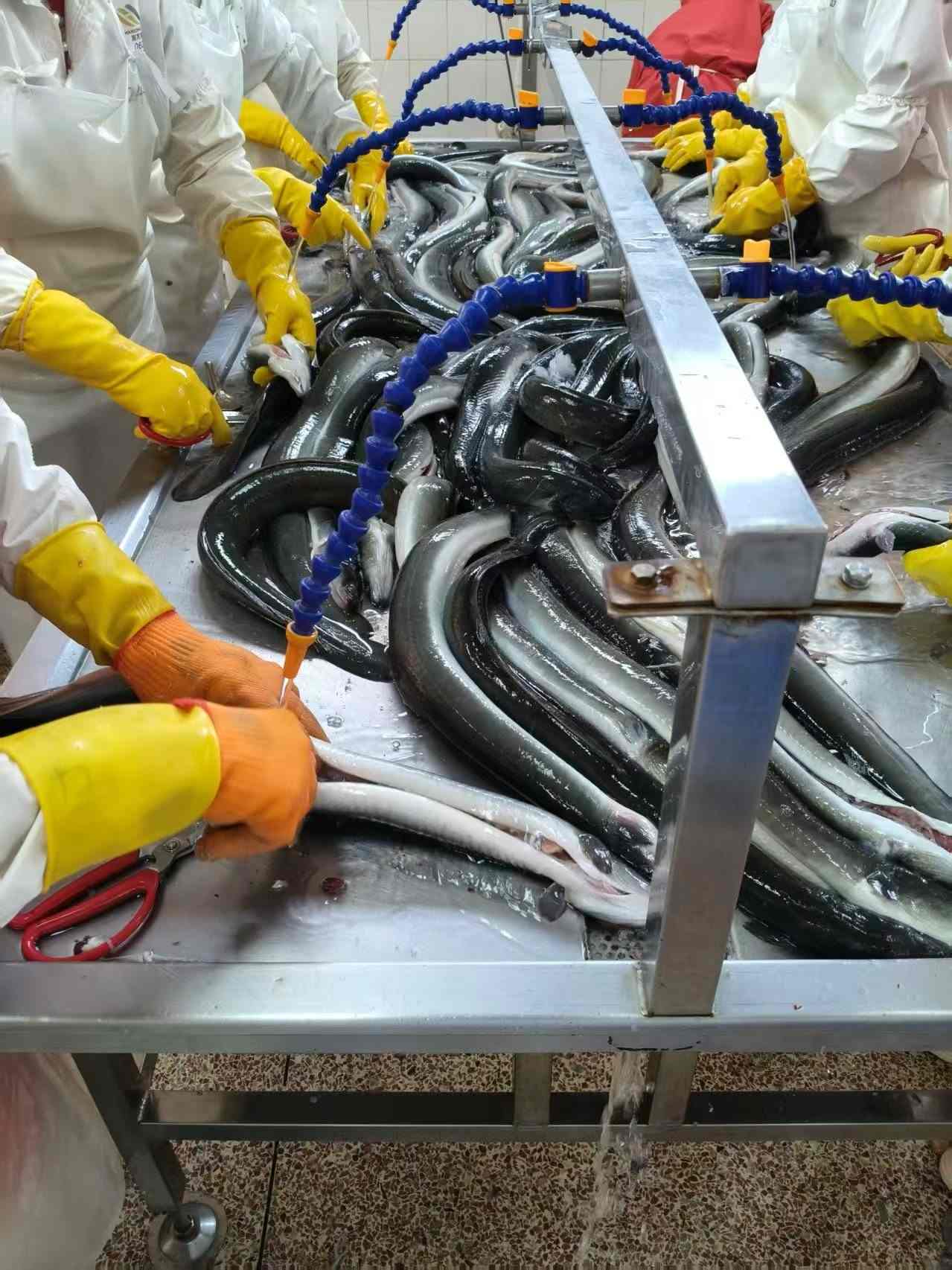
Here's a detail most buyers miss: because true eels have a full bony skeleton, deboning is a real processing step — it takes skill and specific equipment to remove fine bones without damaging the fillet. This is part of why standardized cutting specs (dicing, strip-cutting, 3-section cut, sushi slices) matter for consistent foodservice prep. Hagfish, lacking a bone structure, wouldn't need the same deboning process at all — another reason the two shouldn't be confused in a processing plant.
Facilities that specialize in bony fish like true eel typically run metal detection at critical control points, since fine bone fragments and processing equipment residue are both realistic risks. This step matters more for true eels precisely because of their skeleton complexity.
FAQ: Quick Answers on Eel Skeletons
Do eels have backbones like other fish?
Yes. Freshwater eels have a full vertebral column, just like salmon, tuna, or any other bony fish. This is a defining trait of the Anguilliformes order.
Is a hagfish technically an eel?
No. Hagfish only resemble eels in shape. They belong to a completely separate class (Myxini) and lack a true backbone — only a notochord runs the length of their body.
Are electric eels true eels?
No. Electric eels are a type of knifefish, not part of the Anguilliformes order, despite the name.
Does lacking a backbone make hagfish unsafe to eat?
Not necessarily unsafe, but they're a different product with different texture, uses, and regulatory categories. They shouldn't be marketed or labeled as "eel."
Why does this matter for frozen eel imports?
Mislabeling species can create compliance issues in Japan, US, and EU markets, where food inspection standards check for accurate species declaration alongside microbiological and residue testing.
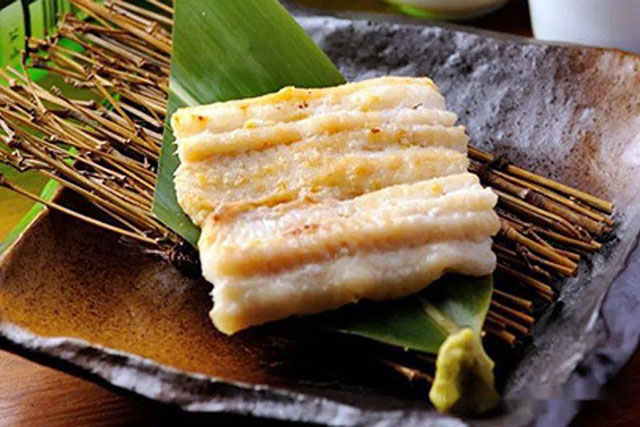
Understanding the skeleton difference isn't just biology trivia — it protects your supply chain from mislabeled shipments and compliance headaches. If you're evaluating suppliers for frozen eel products, ask for species documentation and traceability records before signing off on a purchase order. For teams building out a menu, the eel recipe collection is worth a look for prep ideas once your product specs are confirmed.
Have questions about sourcing true eel products, species verification, or lab documentation for your import market? Reach out for a spec sheet or sample request — we're happy to walk through it.