


Do Eels Have Backbones? Their Skeleton Explained
An eel fillet can look almost boneless on a plate, especially under a glossy kabayaki glaze. That leads to a fair question: do eels have backbones? Yes. Eels are fish with an internal skeleton and a long backbone, but their bones are shaped, positioned, and handled very differently from the large rib and spine bones diners may expect in a typical fish portion.
The short answer matters for more than biology homework. It affects how consumers interpret “boneless,” how chefs select eel cuts, and why a properly prepared unagi portion can feel soft and easy to eat even though the animal naturally has a skeleton.
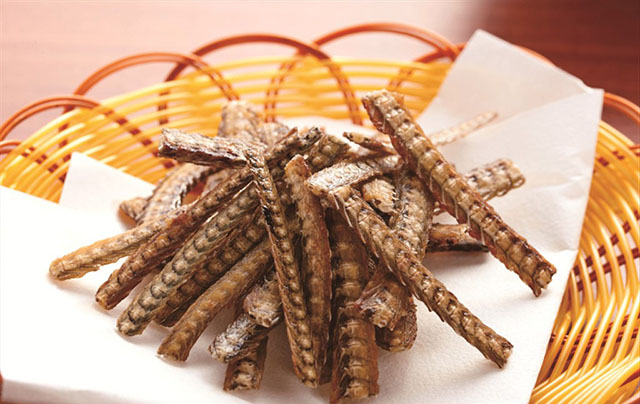
Eels are vertebrates with a long flexible spine
Eels belong to the group of animals called vertebrates. Their main structural feature is a vertebral column, commonly called a backbone or spine. It runs lengthwise through the body and is made up of many small connected vertebrae.
This design serves a different purpose from the shorter, stiffer body frame seen in many round fish. An eel moves by sending waves through its long body. A chain of small vertebrae allows bending while still protecting the spinal cord and supporting muscle attachment.
Clear conclusion: an eel has a backbone, so “eel is naturally boneless” is incorrect. The more accurate statement is that eel bones can be removed, softened through processing, or made less noticeable by cutting and cooking methods.
This distinction fits several situations:
- For students and menu readers: eel is a bony fish, not an invertebrate like shrimp or squid.
- For home cooks: raw whole eel requires careful cleaning and deboning because the backbone remains present.
- For foodservice buyers: a prepared boneless or deboned product reduces kitchen trimming and helps create a more consistent eating experience.
- For diners: a soft fillet does not prove that the fish had no skeleton; it usually reflects processing and preparation.
The conclusion does not mean every eel item will feel identical. Species, cut style, roasting method, whether the fillet is deboned, and the intended serving format all affect what a diner notices.
How the eel vertebral column, skull, and small bones compare with larger fish bones
The most useful way to understand eel anatomy is to separate the backbone from the other hard structures in the body. Diners often use the word “bones” for everything they encounter in a fish fillet, but an eel contains several different bone groups with different effects on eating quality and processing.
| Bone group | Where it is located | What it does biologically | What diners or kitchens notice | How it differs from larger fish bones |
|---|---|---|---|---|
| Vertebral column | Along the center length of the eel | Supports the body and protects the spinal cord | It is the main structure removed or worked around during filleting | It is long and flexible rather than a short central spine supporting a deep-bodied fish portion |
| Skull and jaw bones | In the head | Support feeding, sensory structures, and jaw movement | Usually removed with the head before fillets are prepared | More concentrated in the head area; they are not the bones diners usually find in a trimmed eel portion |
| Small supporting bones | Near fins, body wall, and other supporting structures | Provide attachment and support for soft tissues and fins | May be less obvious after trimming, cutting, and cooking, but processing standards matter | They are smaller and less like the prominent pin bones or thick ribs expected in many fish fillets |
| Larger ribs and pin bones in common fish portions | Often spread through the thick body section of round fish | Support the body cavity and musculature | Can be noticeable when eating a standard fish fillet | These are the larger bones diners often expect, and they create a different eating pattern from prepared eel |
The practical point: an eel’s long vertebral column is real, but it is not the same as a few large bones running through a thick cod, carp, or sea bass fillet. Eel is long, narrow, and built for bending. That anatomy gives processors a different cutting path and lets chefs use formats such as strips, chunks, sushi slices, or three-section cuts.
For menu planning, this is the useful trade-off. A whole eel or minimally processed eel gives the kitchen more control over trimming and portion design, but it requires trained handling. A deboned prepared format saves labor and lowers the chance of inconsistent bone removal, but the kitchen has less control over the original fillet layout.
Why cooked unagi can feel nearly boneless
Many diners first meet eel as unagi kabayaki: fillets roasted with sauce and served over rice, in sushi, or as part of a hot dish. This format can feel very different from eating a grilled whole fish.
That softer eating experience comes from several factors working together:
- Filleting: the head and central skeletal structure are addressed before the eel becomes a finished portion.
- Deboning: a processor may remove or reduce remaining bones according to the product specification.
- Cut size: smaller standardized cuts change how the diner perceives texture and any remaining hard structure.
- Roasting: heat changes the texture of flesh and connective tissue, making the product tender when prepared correctly.
- Sauce application: sauce adds moisture and surface flavor, but it does not itself remove bones.
A common misunderstanding is that the kabayaki sauce “dissolves” bones. It does not. Sauce contributes flavor and appearance. Bone management comes from the raw-material selection, filleting, deboning, cutting, and cooking process.
At Eelpro, the export-grade roasting process uses four precise soy-sauce coating layers with temperature-controlled steps. That process is designed for roasting quality and appearance, while deboning and cut specifications remain separate product decisions. Buyers considering a glazed retail item should therefore ask two questions rather than one: “What is the roast and sauce style?” and “What is the bone-removal specification?”
For an example of the finished format, see our unagi kabayaki product page. Buyers who want to understand how glaze affects the finished dish can also review our kabayaki sauce article.
A cold fact about eel bones
The most surprising part is not whether eels have bones. They do. The surprise is that the visible shape of a cooked eel serving can hide the animal’s original anatomy. A neatly cut sushi slice or a warm rice-bowl topping may look like a simple strip of roasted protein, yet it began as a long fish with a skull, a spinal column, and many small skeletal elements.
That is why “boneless” should be read as a processing claim, not a biological description.
How to avoid confusion when buying or serving eel
For food buyers, the word “boneless” needs a specification behind it. It should not be treated as a vague marketing phrase. The right product depends on who will prepare it, how it will be served, and how much back-of-house handling the operation can accept.
Use this checklist before selecting a frozen eel format:
- Define the serving style. Choose whether the eel will be used as a rice-bowl topping, sushi component, noodle garnish, appetizer, or retail meal item. A large fillet may suit one menu, while slices or strips may suit another.
- Ask for the cut specification. Confirm whether the required format is shredding, dicing, strip-cutting, chunk-cutting, three-section cutting, or sushi slices.
- Clarify the bone requirement. Ask whether the product is boneless, deboned, or simply filleted. These phrases should not be assumed to mean the same thing without a supplier specification.
- Match preparation to staff skill. Whole or less-processed eel can suit an experienced kitchen. Ready-to-heat deboned formats better suit operators seeking less trimming work.
- Check packaging needs. Retail, gift-box, skin-pack, and foodservice packs may require different portion formats and order quantities.
- Review food safety documentation. For import or chain supply, confirm that the supplier can provide the applicable export and traceability records.
Best fit for convenience-focused kitchens: standardized, deboned, ready-to-heat portions. They reduce preparation steps and help staff serve a repeatable portion. This option does not fit every operator, however. A specialist restaurant that wants to control every trim, cut, and final roast may prefer a less-finished product.
Eelpro supports custom cutting specifications including strips, chunks, three-section cuts, and sushi slices. We also supply boneless or deboned eel formats intended to reduce back-of-house processing. Product MOQ depends on the specification and packaging format, so a buyer should provide the intended cut and pack style before requesting a quotation.
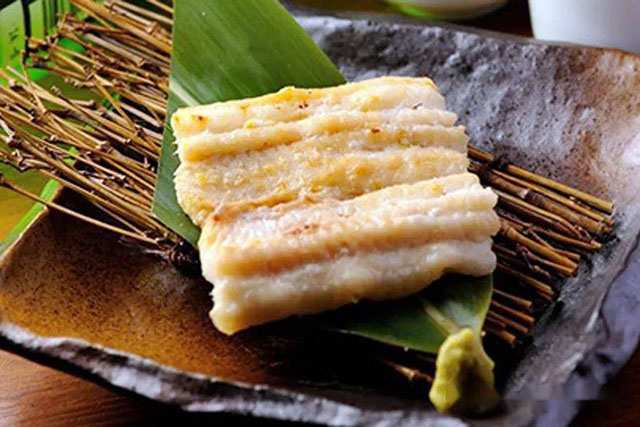
What processing evidence can tell buyers about bone control
A buyer cannot confirm bone handling from a product photo alone. A glossy roasted surface, an attractive sauce color, or a premium-looking box does not establish whether the fish has been deboned to the desired standard.
Instead, request evidence that directly relates to the product decision:
| What to request | What it helps verify | When it matters most | Its limit |
|---|---|---|---|
| Product specification sheet | Cut style, portion format, and stated bone-handling requirement | Before approving an RFQ or placing a repeat order | It must be matched to the exact SKU, not a different product line |
| Sample evaluation | Texture, cut consistency, sauce level, and eating experience | New menu development and retail trials | A sample does not replace agreed production specifications |
| Traceability information | Whether the supplier can trace product through the supply chain | Import programs, chains, and quality-sensitive channels | Traceability does not by itself define a boneless claim |
| Food safety certifications and records | Whether the facility works under documented food safety systems | Cross-border sourcing and formal procurement | Certification does not remove the need to approve product details |
Our facility is certified to ISO 22000:2018, HACCP, and HALAL requirements, and holds an Export Food Producer Registration Certificate and SC Food Production License. We use an in-house laboratory and metal detectors at critical control points. These controls relate to food safety and quality management; they should be considered alongside, not instead of, the buyer’s agreed bone-removal and cutting specification.
For supply-chain review, Eelpro works with approximately 20 customs-registered eel farming bases covering more than 2,150 mu, with traceability from farming registration through processing verification and shipment tracking. This is especially relevant to importers that need documented product control rather than a general assurance statement.
Our frozen roasted eel and deep-processed aquatic product lines have an annual finished-goods capacity of 4,000 tons, supported by a 1,000-ton cold storage facility. We have supplied kabayaki eel to Japanese restaurant chains and export eel products to importers in the United States, Germany, Poland, Australia, Indonesia, and other Southeast Asian markets. These examples show established export activity, not a promise that every product format or market requirement is identical.
Choose the eel format that matches the diner’s expectation
Once the anatomy is clear, the buying decision becomes simpler. The question is not whether eels have skeletons. They do. The real decision is how much preparation should happen before the product reaches the kitchen or consumer.
- For sushi and rice bowls: choose a uniform, deboned format with a cut designed for topping placement. It suits operations that need speed and visual consistency. It may not suit chefs wanting to portion fillets from scratch.
- For casual Asian foodservice: strips, chunks, or shredded eel can work well in bowls, noodle dishes, and shared plates. Review our unagi ramen guide for a serving application where cut size affects the final bowl.
- For retail frozen meals: ready-to-heat kabayaki portions can reduce preparation for consumers. Packaging and labeling must still match the destination market’s requirements.
- For culinary training or whole-fish cooking: select a product that allows the chef to practice cleaning, filleting, and deboning. This requires time, correct tools, and staff skill.
The most practical rule is simple: do not judge an eel product only by its appearance. Ask how it was cut, whether it was deboned, how it will be heated, and what the diner expects to feel on the plate.
For help matching a boneless or deboned eel format to your menu, request a product specification or sample from Eelpro.