


Do Eels Have Bones From Larva to Adult
Do eels have bones? Yes. Eels are bony fish, but their skeleton changes dramatically from a nearly transparent larva into the long, flexible adult familiar to chefs, aquaculture teams, and seafood buyers. The confusing part is that an eel’s fine bones are not always obvious on the plate, especially after careful filleting and deboning.
Picture a thin, leaf-like eel larva drifting through open water. It does not look much like a grilled unagi fillet. Yet it already has the early framework of the skeleton that will support an adult eel’s skull, spine, fins, and muscles. Understanding that transition helps food professionals distinguish natural anatomy from processing quality.
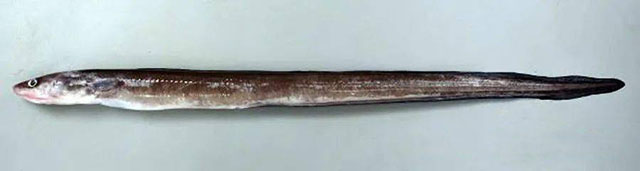
For restaurant operators, importers, and seafood processors, the practical answer is simple: adult eels contain bones, but finished products can be supplied in formats that reduce or remove the bones diners are most likely to notice. The biological answer needs a closer look.
Start With the Adult Eel Anatomy That Matters in Food Processing
An adult freshwater eel has an internal skeleton made of mineralized bone and cartilage. Like other bony fish, it has a skull, vertebral column, fin-supporting structures, and small bones associated with the rib area. The long body creates a different eating experience from a round fish such as sea bream or cod: the bones follow the body length and can be fine, flexible, and easy to miss before cooking.
The adult skeleton supports two competing needs. It must be firm enough to anchor muscle for swimming, while remaining flexible enough for an eel to bend through narrow habitats. That flexibility is why an eel can look nearly boneless when raw or cooked. It is not boneless by nature. Its bones are simply narrow and arranged differently from the broad rib cage people expect in many fish.
| Adult structure | What it does biologically | What it changes in processing | Limit of the observation |
|---|---|---|---|
| Skull and jaw framework | Supports feeding and protects sensory structures. | Usually removed during heading and cleaning. | Head-on whole eel products retain this structure. |
| Vertebral column | Provides body support while allowing repeated bending. | Runs through the fillet and requires controlled cutting or deboning. | Its visibility changes with cut size, cooking method, and eating style. |
| Fine rib-area bones | Help support body tissues around the trunk. | Can be a texture concern in untreated fillets. | Not every fine structure can be judged by visual inspection alone. |
| Fin supports | Stabilize fin tissue along the body. | Usually trimmed away in processed eel portions. | Trim style depends on the requested product specification. |
The practical conclusion for a buyer is not “eel has no bones.” It is “ask how the eel has been cut, deboned, and portioned.” This suits foodservice buyers who need a predictable eating experience. It does not apply in the same way to whole eel, head-on eel, or traditional preparations where the natural structure remains part of the product.
For menu teams, a prepared fillet can reduce back-of-house trimming. For a chef who wants whole-animal presentation, a deboned product may not be the correct choice. Product format comes first; the anatomy explains why.
Life-Stage Anatomy Shows How the Skeletal Framework Changes From Transparent Larva Through Adult Eel
The most useful technical distinction is between early eel development and adult anatomy. Eels do not begin life as miniature adults. Their framework develops alongside major changes in body shape, habitat, feeding behavior, and tissue composition.
The first larval form is called a leptocephalus. It is transparent, flattened from side to side, and often leaf-like in appearance. Its body contains a developing skeletal framework, but the mineralized elements are less visually prominent than in a mature eel. Transparency does not mean the larva lacks anatomical support.
| Life stage | Body appearance | Skeletal framework | Why the change matters | Common misunderstanding |
|---|---|---|---|---|
| Transparent larva | Thin, clear, and leaf-like. | Early supporting tissues and developing skeletal elements are present, with limited visible mineralization. | The body is adapted to a drifting larval phase rather than adult swimming and feeding. | Transparency is mistaken for an absence of bones. |
| Metamorphosing larva | Body shape begins changing toward a narrow eel form. | Some larval structures are reduced or reorganized while later skeletal features become more defined. | This is a reconstruction phase, not a simple case of bones steadily becoming larger. | Every larval structure is assumed to remain unchanged in the adult. |
| Glass eel | Small, slender, and still largely transparent. | The body framework is more eel-like, though mineralization and tissue development continue. | This stage marks the move toward the juvenile body plan. | Glass eels are assumed to be boneless because they look clear. |
| Elver and juvenile | Color develops and the body becomes stronger. | Skull, spine, and supporting structures become more functionally mature. | Feeding, movement, and growth place greater demands on the musculoskeletal system. | Juveniles are treated as scaled-down adults in every anatomical detail. |
| Adult eel | Long, cylindrical, muscular body. | Established bony skeleton with a flexible vertebral column and fine internal bones. | This is the form relevant to commercial processing and meal preparation. | Fine bones are confused with poor trimming or poor cooking. |
The relationship between body shape and skeletal change matters. A transparent larva is built for a different environment and feeding pattern than a mature freshwater eel. During metamorphosis, the body does not merely enlarge. Tissues are reorganized, the leaf-like profile gives way to a more cylindrical form, and the skeletal framework becomes suited to adult movement.
A useful cold fact: transparency is about tissue appearance and low visual contrast, not proof that an animal has no internal framework. For technical readers, this is the main correction to the oversimplified “eels have bones” answer.
Understand What Mineralized Tissue Changes in Practice
Bone is mineralized tissue. Cartilage is softer supporting tissue that can occur at joints and in developing structures. In eel anatomy, these tissues should not be treated as identical, especially when discussing larvae, juveniles, and adults.
For a processor, the relevant point is texture. Fine mineralized bones can remain perceptible after cooking if a fillet has not been deboned or if the product is cut in a way that retains them. Heat softens connective tissue and changes muscle texture, but cooking should not be treated as a guaranteed substitute for correct bone removal.
- Raw or lightly cooked eel: Fine bones may be more noticeable. This matters for products intended for direct slicing or delicate preparations.
- Roasted eel: Roasting can make the overall bite softer and more cohesive, but it does not automatically make every bone disappear.
- Deboned eel: The goal is to reduce bones that diners would notice. Buyers should confirm the supplier’s deboning and cut specification rather than relying only on the word “boneless.”
- Shredded, diced, or strip-cut eel: Smaller cuts can make remaining fine structures less noticeable, but cut size is not proof of bone removal.
The conclusion is clear: cooking method, cut style, and deboning method interact. A buyer selecting eel for rice bowls, sushi toppings, or prepared meals should specify the final application. A whole grilled eel program has different expectations from a ready-to-heat foodservice portion.
At Eelpro, custom cutting can include shredding, dicing, strip-cutting, chunk-cutting, three-section cuts, and sushi slices. This is useful when a buyer needs the portion geometry to match the serving format. It does not remove the need to agree on whether the order is deboned, how it will be packed, and how the finished product will be used.

Avoid the Bone-Related Mistakes That Cause Product Mismatch
Most purchasing errors come from mixing a biological fact with a processing claim. Adult eels have internal bones. A supplier’s deboned format is a separate commercial and quality-control question.
- Mistake: Calling all roasted eel boneless.
Why it fails: Roasting changes eating texture but does not define the deboning standard.
Better approach: Request the exact product description, cut style, and intended use.
When this matters less: A whole-eel menu where diners expect traditional structure. - Mistake: Using “deboned” and “bone-free” as interchangeable terms.
Why it fails: Deboning describes a processing action; the accepted level of residual fine bones must be defined in the purchase specification.
Better approach: Ask for a sample and document the sensory expectation for the target market.
When this matters less: Ingredients intended for further grinding or heavy processing. - Mistake: Judging bone removal from a product photograph.
Why it fails: Fine bones may not be visible in a glaze-covered or cooked image.
Better approach: Review samples, cut diagrams, and product specifications.
When this matters less: None when diner texture is a buying requirement. - Mistake: Assuming every eel species and life stage has identical skeletal features.
Why it fails: Developmental biology changes across stages, and species differ.
Better approach: Keep anatomical education separate from a supplier’s finished-product specification.
When this matters less: General consumer education that does not make species-level claims.
For home cooks and chef trainers, the practical handling sequence is straightforward: identify whether the eel is whole or filleted, check whether it is sold as deboned, inspect the cut after heating, then choose a serving format that fits the texture. A cleaning and deboning guide can help explain the preparation steps before you work with whole eel.
Use a Buyer Checklist for Deboned and Ready-to-Heat Eel
Food-industry buyers should turn anatomy into a usable sourcing brief. The following checklist fits importers, catering chains, distributors, and prepared-food manufacturers. It is less relevant for buyers ordering live or whole raw eel, where the natural skeleton remains expected.
- Define the menu format. State whether the eel will be used in sushi, rice bowls, noodle dishes, retail packs, or prepared meals.
- Specify the cut. Choose whole fillet, sushi slice, strip, dice, chunk, shred, or another agreed format.
- State the bone expectation. Ask whether the product is deboned and describe the sensory standard needed for your customer group.
- Request a sample. Evaluate the product after heating in the same method used by your kitchen or production line.
- Check food-safety documentation. Confirm the certifications, export registration, traceability records, and destination-market requirements relevant to the shipment.
- Confirm packaging and cold-chain needs. Packaging affects portion control, storage, and service workflow; it does not replace product specification.
- Document approval before repeat orders. Keep the approved sample, cut description, and packaging details linked to the purchase order.
For example, a Japanese-style restaurant chain may need consistent unagi slices for rice bowls. In that case, the best decision is usually not to ask the broad question “Are there bones?” Instead, ask for a deboned slice specification, sample evaluation after heating, and packing details that suit the kitchen’s portioning method. This approach does not apply unchanged to a distributor selling whole eel to specialty restaurants.
Eelpro supplies frozen roasted eel and deep-processed aquatic products through two modern production lines with annual finished-goods capacity of 4,000 tons. Our foodservice formats include boneless or deboned eel, standardized cuts, and ready-to-heat packaging designed to reduce back-of-house processing. Buyers can review our unagi kabayaki product range when matching a cut format to a menu.
Verify Anatomy Claims Against Processing and Food-Safety Evidence
A factual anatomy explanation should lead to a factual supplier review. The eel’s skeleton tells you why deboning matters. Supplier controls tell you whether a finished product can be specified and shipped with consistency.
Eelpro operates with ISO 22000:2018, HACCP, and HALAL certification, along with export food producer registration and an SC Food Production License covering quick-frozen prepared foods. These documents address food-safety management and production eligibility. They do not, by themselves, prove that a particular cut meets your preferred bone perception standard. That standard still needs a product sample and written specification.
Traceability is also relevant. Eelpro works with approximately 20 customs-registered eel farming bases covering more than 2,150 mu, with full-chain controls from farming registration through process verification, targeted sampling, and traceability tracking. An in-house laboratory and metal detectors support control at critical points. For buyers importing into regulated markets, these records help support verification beyond a product label.
We have supplied kabayaki eel to Japanese restaurant chains and exported unagi kabayaki and eel sauce to United States food importers. Eel products have also been supplied to German and Polish importers, Australian Asian foodservice and retail channels, Indonesian importers, and regional Southeast Asian catering chains. These examples show established market activity, not a promise that every market has identical requirements. Import rules, labeling, residue controls, and buyer specifications still vary by destination.
For products served with a glaze, bone perception can also be influenced by portion shape and the eating method. Pairing a prepared fillet with the right tare can improve the overall menu experience, but sauce is not a substitute for a clear deboning specification. Review the eel sauce product page when planning a matching sauce format for roasted eel portions.
Request a sample and specification sheet for a deboned eel format that fits your menu, processing line, or import requirement.