

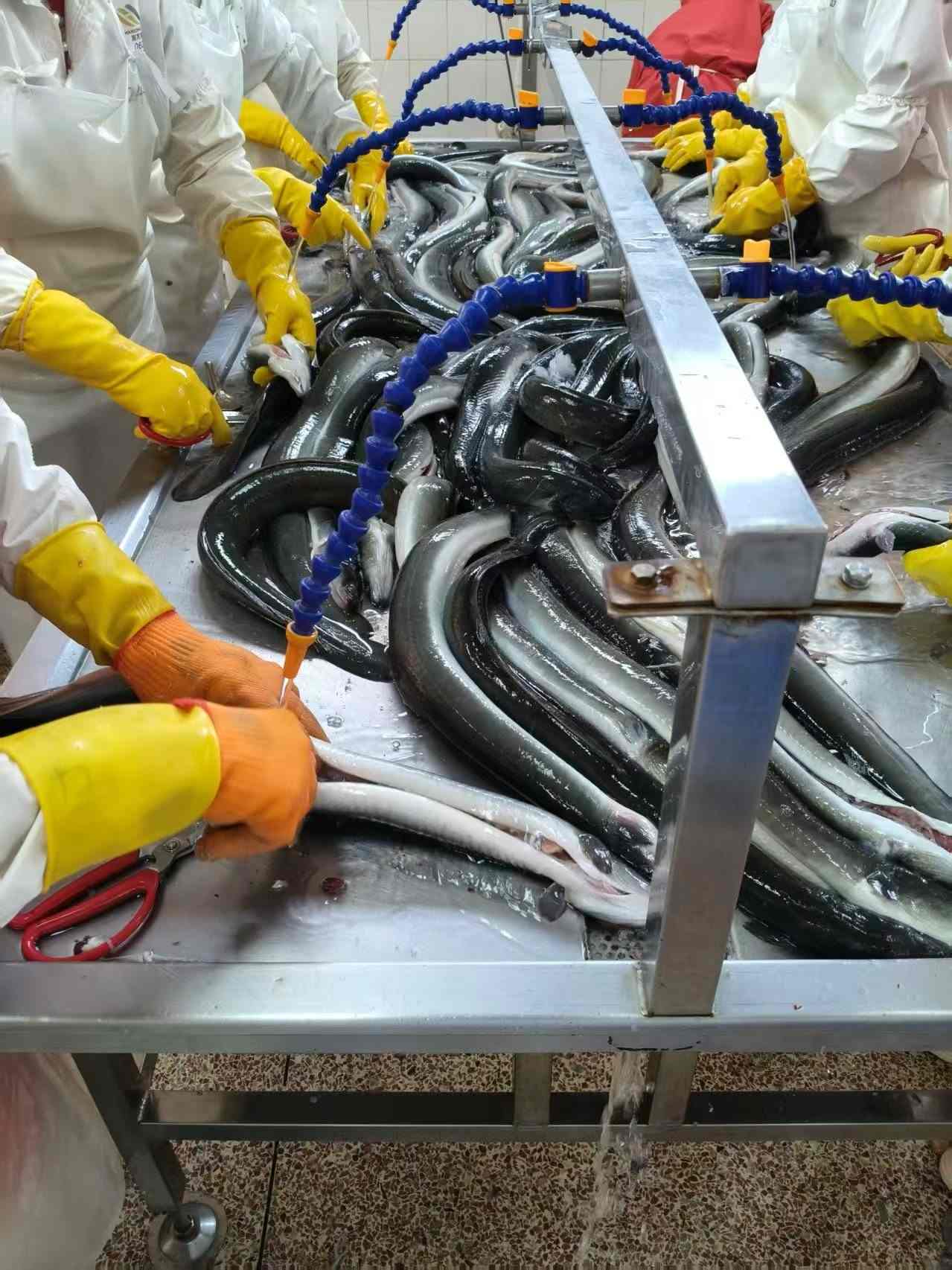
Eel Benefits per Serving That Make Unagi a Satisfying Seafood Choice
A glossy piece of unagi over warm rice can look like pure comfort food. But what is really inside that serving, beyond the sweet-savory glaze? Understanding eel benefits starts with one simple rule: check the fish itself, then check what has been added around it.
Eel can provide protein, fats including omega-3 fatty acids, vitamins, and minerals. Yet the final nutritional profile can change sharply between plain roasted eel, sauce-coated kabayaki, sushi toppings, and restaurant bowls loaded with rice or extra tare. That is why eel benefits should be evaluated per serving rather than by assuming every eel dish is nutritionally identical.
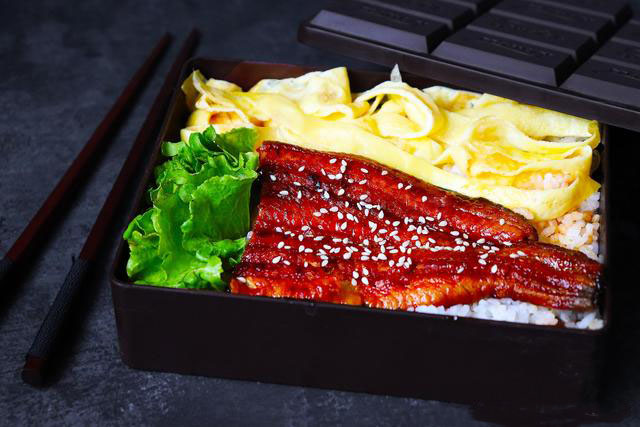
Start with the serving size instead of judging the whole plate
The first question is not whether eel is “healthy.” The more useful question is: how much eel is in the serving you plan to eat? A restaurant bowl, a sushi roll, and a frozen unagi portion may all look similar from a distance, but the fish quantity and added ingredients can be very different.
For consumers comparing eel benefits, the package serving statement is the practical starting point. On packaged products, the Nutrition Facts label identifies the serving basis used for calories and nutrients. This lets shoppers compare two products on the same basis instead of comparing one whole package with one partial portion.
Use this quick approach before adding eel to a regular meal plan:
- Find the declared serving size. Do not assume one package equals one serving.
- Check the amount of eel versus sauce. A heavily glazed item may have a different balance from plain roasted eel.
- Compare protein and sodium on the same serving basis. This matters when selecting between brands or formats.
- Look at the whole meal. Rice, mayonnaise, cream cheese, fried coatings, and extra sauce affect the final plate more than many people expect.
This method fits shoppers choosing frozen seafood for weekday meals, parents planning family dinners, and foodservice buyers standardizing menu portions. It does not replace dietary advice for people managing a diagnosed medical condition, food allergy, or prescribed nutrition plan.
How eel benefits differ from the nutrition of a finished eel dish
Freshwater eel is naturally a source of protein and fat. When it becomes kabayaki, the roasting method, sauce application, portion cut, and companion ingredients all matter. The same is true for eel sushi, eel ramen, and eel rice bowls.
That distinction keeps eel benefits in perspective. The fish supplies its own nutrients; the finished dish supplies additional flavor, energy, and often sodium or sugars depending on the sauce and side dishes. Neither is automatically “good” or “bad.” The right choice depends on how the meal is built.
| Meal format | What drives the nutrition profile | Best fit | What to watch |
|---|---|---|---|
| Plain roasted eel | The eel portion itself, with few added ingredients | Home cooks who want direct control of seasoning | May need a sauce, vegetables, or starch to create a full meal |
| Frozen unagi kabayaki | Roasted eel plus a prepared soy-based glaze | Convenient Japanese-style meals and rice bowls | Compare sauce-related sugar and sodium on product labels |
| Eel sushi roll | Eel, rice, nori, fillings, and toppings | Shared meals and smaller portions | Rice and creamy toppings can become the larger part of the serving |
| Eel rice bowl | Eel portion, rice volume, tare, and garnish | A filling one-bowl meal | Extra sauce can mask the natural flavor of the eel |
A practical home option is to heat a measured portion of kabayaki, add vegetables with a bright flavor such as cucumber or pickled ginger, and use only the sauce needed to coat the fish. For menu ideas, see these eel rice bowl toppings. This approach works when you want a balanced plate without losing the classic unagi flavor. It may not suit diners looking for a richer, restaurant-style sauce-forward bowl.
A per-serving nutrient breakdown that separates nutrients from health claims
Many articles blur nutrients and health promises. A clearer way to assess eel benefits is to identify what each nutrient category does in food planning, what changes when it is overlooked, and what it does not prove.
| Nutrient category | What it affects in practical meal planning | What can go wrong if buyers ignore it | What it does not establish by itself |
|---|---|---|---|
| Protein | Protein helps make an eel serving feel substantial and can help planners build meals around a main seafood item. | A buyer may choose a small eel topping and assume it replaces a full protein portion, then build a meal that is mostly rice or refined carbohydrates. | Protein content alone does not make a dish suitable for every diet or prove a specific health result. |
| Omega-3 fatty acids | These are dietary fats found in seafood. Their presence is useful for shoppers comparing fish options and overall fat sources. | Buyers may focus only on “low fat” language and miss the fact that fat type, recipe format, and serving size should be considered together. | Omega-3 content is not a substitute for medical guidance or a promise that a single food prevents disease. |
| Vitamins | Vitamins in eel contribute to its role as a varied seafood choice rather than simply a source of calories. | A shopper who only compares calories may overlook why rotating seafood can add more variety than relying on one repeated protein source. | A vitamin-containing food does not replace a varied diet or prescribed supplements. |
| Minerals | Minerals are part of the food’s nutritional makeup and should be read alongside sodium on a prepared product label. | Ignoring sodium can lead shoppers to treat plain eel and sweet soy-glazed eel as nutritionally interchangeable. | Mineral content does not cancel out excess sodium, added sugars, or an oversized serving. |
For a deeper explanation of omega-3 terminology, the omega-3 fatty acids fact sheet from the United States National Institutes of Health explains common dietary forms and evidence limits. This is useful when comparing seafood categories. It does not provide the exact nutrient profile of a particular frozen eel pack, so the product label remains the product-specific reference.
The key point is simple. Eel benefits are nutrient characteristics, not a license to make disease-prevention claims. A serving can fit a balanced diet while still requiring attention to portion size, sauce, and the rest of the meal.
Why protein, fats, vitamins, and minerals should be read together
Looking at one nutrient in isolation often creates poor food decisions. A shopper may select eel only for protein, then add large amounts of glaze. Another may focus on omega-3s but ignore how much eel is actually included in a mixed sushi roll. Better choices come from reading the full per-serving panel.
When assessing eel benefits, use this four-part check:
- Protein: Does the serving provide enough fish to function as the main item in your meal?
- Fat: Is the preparation plain roasted, sauce-coated, fried, or mixed with mayonnaise-based ingredients?
- Vitamins and minerals: Is eel part of a varied weekly seafood pattern, or are you expecting one dish to cover every nutrient need?
- Sodium and sugars: Does the prepared sauce fit your preferred eating pattern?
This checklist fits people who want satisfying meals without turning dinner into a calculation exercise. It is less useful if you are comparing nutrition across products without access to labels; in that case, request a current product specification or choose a clearly labeled retail pack.
How kabayaki sauce changes the eating experience
Kabayaki is known for its caramelized surface, smoky aroma, and glossy sauce. That sauce makes eel memorable, but it also means that eel benefits should not be discussed as though the fish were served plain. Sauce is part of the finished product.
Eelpro uses a four-layer soy-sauce coating process with controlled roasting steps for its frozen roasted eel. The company has established color standards for white-roasted eel and each coating stage from the first through fourth layer. This process is designed for consistent appearance and flavor, not as a nutrition claim.
If you want more control at home, serve kabayaki with sauce on the side or brush a lighter layer over the fish after heating. This works well for adults who prefer a less sweet finish and for families serving different tastes at one table. It does not apply when you want the traditional full-glaze kabayaki presentation.
For shoppers comparing tare, our eel sauce product page explains the product category, while this guide on kabayaki sauce discusses why sauce balance affects the finished dish.
A practical buying checklist for frozen eel and unagi
Frozen eel can be a useful choice because portioned products reduce trimming and cooking preparation at home. Still, product selection matters. To get the intended eel benefits, compare the pack information before focusing on attractive food photography or a low headline price.
| What to check | Why it matters | Suitable choice | When to choose another option |
|---|---|---|---|
| Product style | Kabayaki, white-roasted eel, cut pieces, and sushi slices are used differently. | Kabayaki for quick rice bowls; cut pieces for mixed dishes. | Choose plain formats when you need full seasoning control. |
| Serving statement | It makes nutrient comparisons meaningful. | A clearly labeled retail product. | Request specifications when buying foodservice packs. |
| Ingredient list | It shows whether sauce and other ingredients are included. | Short, clear ingredient information. | Avoid guessing when the label is unclear. |
| Traceability and food safety controls | These support purchasing confidence for imported seafood. | Suppliers with documented export controls. | Do not rely only on a product photo or marketing phrase. |
Eelpro is certified to ISO 22000:2018 and HACCP and holds HALAL certification, an Export Food Producer Registration Certificate, and SC Food Production License No. SC11135062401122. Its supply chain includes approximately 20 customs-registered eel farming bases covering 2,150 mu, with traceability from farm registration through process verification and shipment. These controls address food safety and sourcing documentation; they do not change an individual’s nutritional needs.
For buyers who want supplier information alongside nutrition planning, see Eelpro’s frozen eel supplier page and the company’s eel lab information.
Cold fact and common mistakes when reading eel nutrition
Cold fact: “Unagi” is the Japanese culinary name commonly used for freshwater eel dishes, but it does not automatically describe the sauce level, portion size, or full nutrition profile. Those details come from the specific product and recipe.
Here are common mistakes that can hide the real eel benefits of a serving:
- Mistake: Treating all eel dishes as the same. Fix: Compare plain eel, kabayaki, sushi, and rice bowls separately.
- Mistake: Ignoring serving size. Fix: Use the package serving statement before comparing nutrition panels.
- Mistake: Adding extra tare automatically. Fix: Taste the heated eel first, then add sauce gradually.
- Mistake: Calling nutrients medical treatment. Fix: Describe protein, fats, vitamins, and minerals accurately without promising health outcomes.
- Mistake: Buying only by price. Fix: Check product style, labeling, sourcing controls, and intended meal use.
Frozen unagi kabayaki is especially practical for quick meals because it arrives prepared for heating. Pair it with vegetables, a measured rice portion, or use it in a lighter noodle dish. If you want a different format, this unagi ramen guide offers a warm alternative to the classic rice bowl.
Match the eel format to the meal you actually want
The best way to enjoy eel benefits is to choose the format that fits your table. A full kabayaki fillet suits a centerpiece dinner. Cut eel pieces suit fried rice, noodles, or small shared plates. Sushi slices fit rolls and lighter combinations. The product should make cooking easier, not force a meal style you do not enjoy.
Eelpro operates two modern production lines for frozen roasted eel and deep-processed aquatic products, with annual finished-goods capacity of 4,000 tons. Its 1,000-ton cold storage facility supports storage quality and cold-chain logistics. For regular orders, delivery is generally around 30 days from order confirmation to shipment, subject to product specification and quantity. These figures are relevant to wholesale and foodservice sourcing, not a promise for every retail purchase.
Explore our unagi kabayaki product options and request a current specification sheet for the format that best fits your menu or home meal plan.