

Eel Bones: From Waste to Liquid Gold in Your Kitchen
Last winter, a chef friend tossed me a bag of what looked like pale, brittle toothpicks. “Boil them,” he said. An hour later, my kitchen smelled like the back alley of a Tokyo ramen shop—in the best possible way. Those were eel bones, and that first pot of milky stock changed how I think about seafood scraps forever.
If you’ve ever filleted freshwater eel for unagi kabayaki or simply wondered what happens to the skeleton after the meat gets glazed and grilled, you’re in the right place. Eel bones are loaded with gelatin, calcium, and a deep, sweet-savory character that’s surprisingly versatile. For restaurants, ramen chains, and food manufacturers, they’re not waste—they’re a high-value input with clear specs and processing requirements.
What Makes Eel Bones So Special?
Unlike the fine, needle-like bones of some saltwater fish, freshwater eel bones have a sturdy central spine and softer rib-like structures. Once cleaned and simmered, they release collagen that gives stock a silky mouthfeel, similar to pork bone broth but lighter, with a faint hint of smoked tea if the eel was traditionally prepared.
We’ve seen processors in Japan use roasted eel bones to make a concentrated dashi base for hitsumabushi sauce, while in Europe they’re milled into calcium-rich seasoning powders. The key is starting with bones that have been handled correctly—not left to oxidize or dry out in a trash bin.
Eel Bone Processing: Cleaning, Drying, and Grading
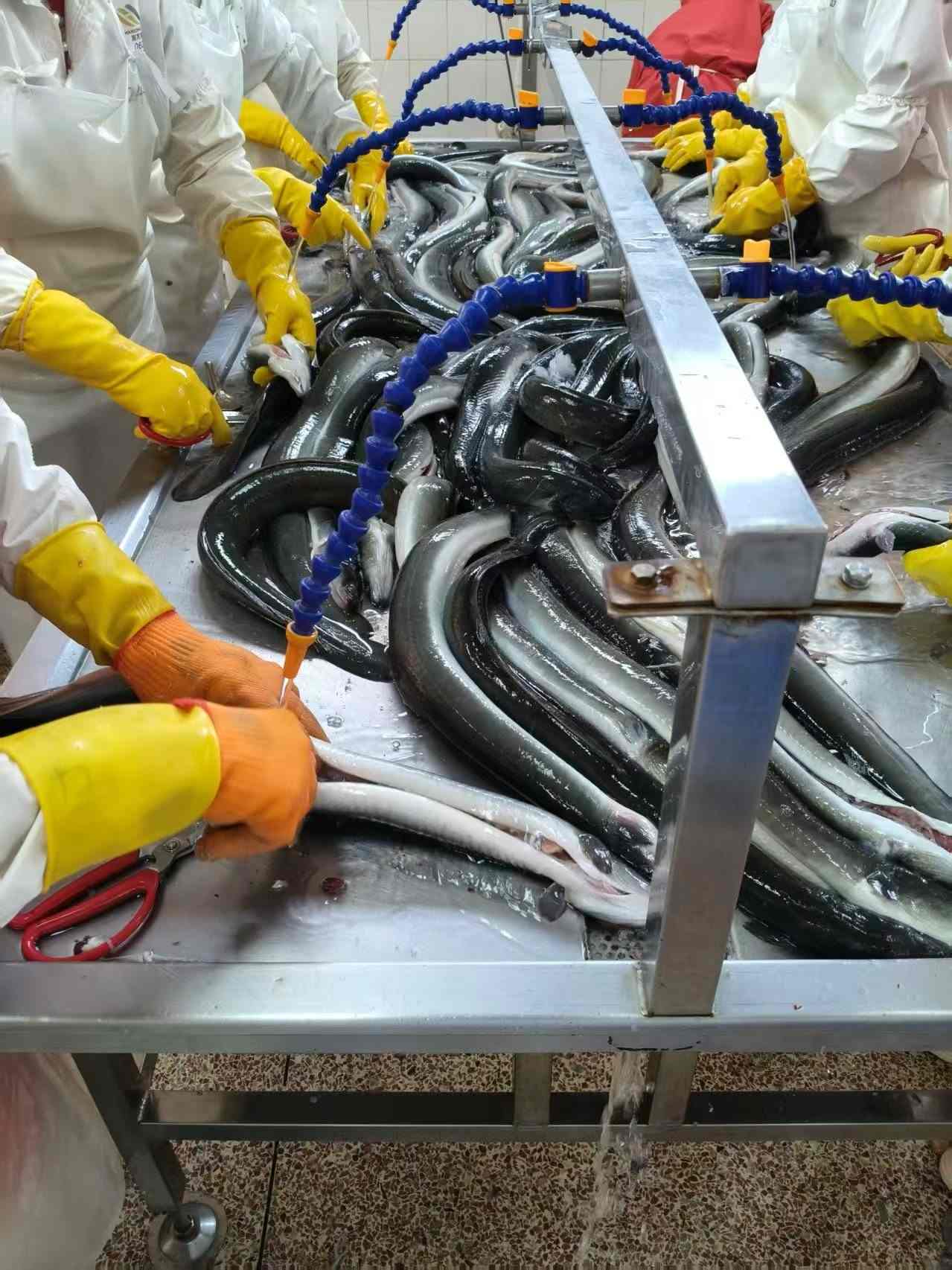
Here’s the blunt truth: raw eel bones straight from the filleting table are messy. Bits of flesh, blood, and viscera cling to them. If you’re buying in bulk, you don’t want that. Proper eel bone processing involves three stages:
1. Pre-cleaning and De-fleshing
Fresh bones are run through a rotating drum with pressurized water jets to strip off residual meat and fat. Then they’re soaked in a mild saline solution at 4°C for 30 minutes to draw out blood. Without this step, your stock turns cloudy-brown and fishy—not the clean, umami-rich broth you’re aiming for.
2. Thermal Treatment
After draining, bones are blanched at 95°C for 2–3 minutes, then shocked in ice water. This firms up the collagen and kills surface bacteria, making the bones ready for export or immediate use. For eel bone products destined for dry milling, we take them a step further: a low-temperature roast at 60°C until moisture drops below 5%. Roasted bones grind easily and have a shelf-stable, almost nutty aroma.
3. Sorting and Quality Grading
Bones are graded by length and integrity. The spec sheet most buyers ask for includes:
- Bone length: 8–18 cm (A-grade), 5–8 cm (B-grade, good for powders)
- Foreign matter: 0% (metal detector passed)
- Moisture content: ≤5% for dried, ≥70% for frozen raw bones
- Color: pale ivory to light beige, no blackened tips
These specs matter. A ramen factory we work with once received a shipment of blackened, brittle bones—someone had roasted them too hot. The broth tasted bitter, and the whole batch was rejected. Don’t let that be you.
From Bones to Broth: The Art of Eel Bone Stock
Making eel bone broth isn’t complicated, but it does require attention to temperature. You want a gentle simmer, not a rolling boil, because violent bubbles break up the delicate bones and release bitter calcium salts.
Here’s a baseline recipe we share with restaurant clients:
- Rinse 500g of dried eel bones under cold water.
- Place in a stockpot with 3L water, a halved onion, a 5cm piece of kombu, and 3 crushed garlic cloves.
- Bring barely to a boil, then reduce heat to 85–90°C. Let it whisper for 45 minutes.
- Strain through a fine mesh. The liquid should be opalescent white.
This broth works as a base for eel noodle soup, a ramen tare booster, or even reduced into a glaze for grilled vegetables. Some chefs freeze it in ice cube trays—one cube transforms a stir-fry.
For an even deeper flavor, try roasting the bones first at 180°C for 8 minutes until they turn golden. You’ll get a darker, toastier stock that pairs beautifully with eel sauce in dips and marinades. The combination of roasted eel bone broth and thick unagi tare is the secret behind countless izakaya dishes.
Beyond Stock: Industrial Uses of Eel Byproducts
Bones are just one piece of the eel byproducts puzzle. In Chinese eel processing plants, nothing goes to landfill. Heads and tails get dried for pet treats. Skin is separated for collagen extraction. Bones that don’t meet food-grade standards end up as calcium supplements for animal feed.
Food-grade bone powder is a growing category. Milled to 100–200 mesh, it dissolves easily in hot water and can be added to instant soup mixes, baby food, or senior nutrition products. A Korean client of ours produces a ready-to-drink eel bone broth pouch that sells in convenience stores—15g of powder per serving, just add hot water. It’s a brilliant way to use up smaller B-grade bones that wouldn’t make a pretty plate garnish.

How to Source Processed Eel Bones in Bulk
If you’re ready to buy, here’s what a solid inquiry looks like from our export desk’s perspective:
- Form: frozen raw, air-dried, or roasted?
- Intended use: stock, milling, or pet food? (This determines cleaning level.)
- Volume and frequency: we ship 20-ton containers every month to Japan and EU.
- Certifications: HACCP, EU-approved establishment number, US FDA registration—state what you need.
At Eelpro Co., we pack dried eel bones in 20kg vacuum-sealed foil bags, boxed into master cartons. Frozen raw bones go into 10kg IQF blocks with a shelf life of 24 months at -18°C. Every batch includes a COA (Certificate of Analysis) with microbial counts and moisture levels. For those also interested in finished products, our unagi kabayaki uses the same eels whose bones we sell—traceable, consistent, and always vacuum-sealed for peak freshness.
Storage and Shelf-Life Notes
Treat dried eel bones like you’d treat dried shiitake. Store in a cool, dark place below 25°C. Humidity is the enemy—if the bag puffs up or smells musty, throw it out. Frozen raw bones are hardier but still need a steady cold chain. We’ve seen what happens when a pallet sits on a hot dock for 4 hours: the bones weep liquid, and bacterial load spikes. Not pretty.
One elegant trick from a Nagoya ramen-ya: they store dried bones in a jar of light soy sauce in the fridge. Over time, the soy picks up smoky eel flavor and becomes a killer seasoning for kabayaki sauce or fried rice. Waste not, want not.
FAQ
How are eel bones processed for food products?
They go through pre-cleaning, saline soaking, blanching, and optionally low-temperature roasting or drying. This removes blood, fat, and impurities, making them safe and ready for stock or milling.
What are eel bones used for besides stock?
High-calcium bone powder for instant soups, pet treats, collagen extraction, and even as a crunchy topping (when deep-fried). Some upscale restaurants roast whole spines as a bar snack.
How to source processed eel bones in bulk?
Contact an established eel exporter like Eelpro Co. Specify the form (dried, frozen, roasted), required certifications, and target volume. Request samples first to check aroma and color before committing to a container load.
What’s the difference between A-grade and B-grade eel bones?
A-grade bones are longer (8–18 cm), intact, and visually clean. B-grade includes shorter pieces and splits, ideal for milling into powder where appearance doesn’t matter.
The Bottom Line
Eel bones are one of those ingredients that separate a good broth from a great one. Whether you’re running a restaurant, developing a packaged soup product, or just a home cook looking to experiment, the quality of the backbone—literally—makes all the difference. We’ve built our export business on the belief that eel byproducts deserve the same care as the fillets. Ready to try? Let’s talk specifications and samples.
Have your own trick for using eel bones? Share it in the comments or get in touch with our team for a custom quote on bulk orders.