





A glossy slice of eel arrives over steaming rice, brushed with a dark, sweet-savory sauce. The menu calls it unagi. Is it a cooking style, a species, or simply the Japanese word for eel? The short answer is straightforward: unagi means freshwater eel. The finer points matter, though, whether you are reading a restaurant menu, comparing seafood catalogs, or sourcing frozen Japanese-style eel.
The word unagi refers to freshwater eel in Japanese. It is written as 鰻 in kanji and often as うなぎ in hiragana. In food-related conversation, the term usually brings to mind eel prepared in a Japanese style rather than a fish swimming in a river or pond.
That distinction explains why the term can seem broader on a menu than in a seafood catalog. A restaurant may use “unagi” as the name of a dish, while an importer may use it to identify a product category. Both uses trace back to freshwater eel.
So, the basic unagi meaning is simple:
For buyers outside Japan, this Japanese eel term is useful to recognize because “unagi” may appear in product names, menu translations, invoices, packaging, and frozen seafood specifications.
When someone asks, “What does unagi mean in Japanese?” the direct answer is “freshwater eel.” The word itself does not mean sauce, grilled eel, a rice bowl, or a particular cut. Those details come from the words that accompany it.
For instance, kabayaki describes a traditional preparation in which eel is split, deboned, portioned, grilled, and coated with sauce. The fish remains unagi; kabayaki explains how it has been prepared.
This distinction is especially helpful when reading a foodservice specification. “Frozen unagi” may describe plain eel portions. “Frozen unagi kabayaki” generally indicates cooked eel portions with a glazed sauce. Ask the supplier whether the product is raw, grilled, sauced, or packed with sauce separately. One word identifies the fish, while the others define its format.
Japanese restaurant menus often keep familiar Japanese names because they convey a sense of place and tradition. “Unagi don” sounds more specific than “eel rice bowl,” even though both describe the same basic dish. For international diners, the Japanese term also helps separate freshwater eel dishes from other kinds of eel preparation.
On an English-language menu, you may see:
The menu context changes the eating experience, but the main ingredient is still freshwater eel. If a listing says “unagi sauce,” it refers to the sauce associated with eel dishes, not a separate species. Eel sauce is also used on sushi, rice bowls, grilled vegetables, and other foods.
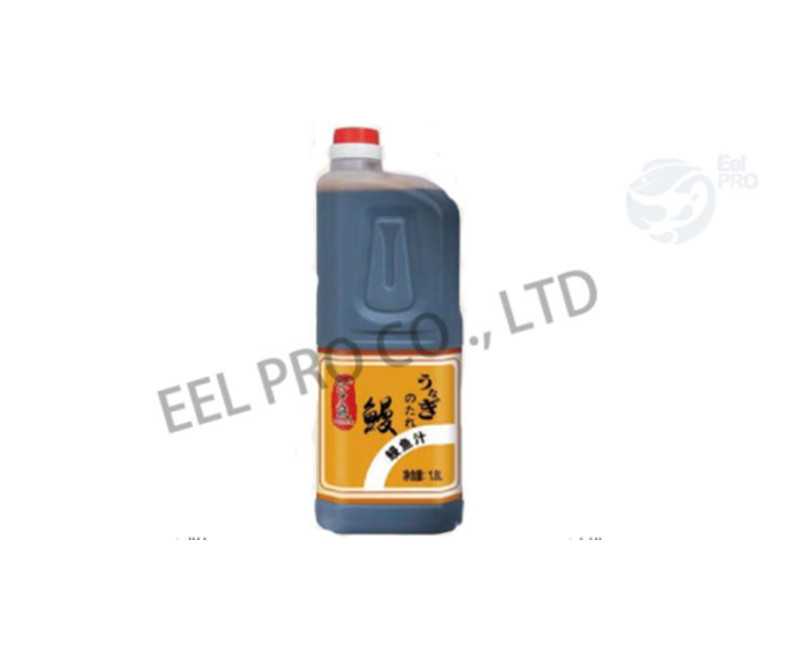
For commercial kitchens, Eelpro’s eel sauce can provide the familiar glossy finish used on rice bowls and grilled seafood. Before ordering, buyers should still confirm the sauce format, pack size, ingredients, and storage conditions.
The short answer: “eel” is the broad English word, while “unagi” is a Japanese term generally used for freshwater eel. Not every eel is unagi.
In English, “eel” can refer to several types of long, snake-shaped fish. Some live in freshwater, others in the sea, and some belong to unrelated fish families. Japanese food terminology distinguishes several of these fish more precisely.
| Term | General meaning | Typical menu or catalog context |
|---|---|---|
| Unagi | Freshwater eel | Unadon, unajū, kabayaki, sushi |
| Anago | Conger eel, usually a marine eel | Anago sushi, tempura, lighter grilled dishes |
| Hamo | Pike conger | Seasonal Japanese dishes, often finely scored before cooking |
| Eel | A broad English category | May refer to freshwater or marine species |
Unagi and anago can look similar at first glance, especially after cooking. However, their menu names, texture, size, fat content, and traditional uses are not the same. A seafood buyer should never assume that a quotation for “eel” automatically means unagi.
Species information varies by market and supplier. Common freshwater eel products may involve species such as Anguilla japonica, Anguilla anguilla, or Anguilla rostrata, depending on the source and applicable trade rules. For an import order, request the scientific name, country of origin, processing description, and product code. These details eliminate unnecessary guesswork.
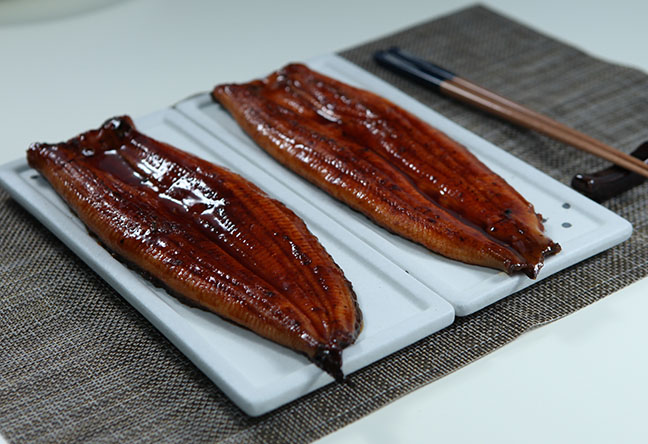
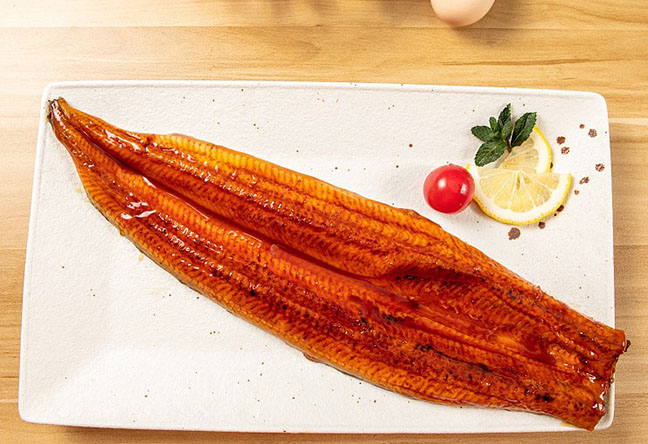
When diners see unagi on a menu, it usually signals a prepared freshwater eel dish. The best-known version is kabayaki: tender eel with a dark, sweet-savory glaze and a lightly smoky grilled flavor.
A menu may describe the dish in several ways:
Menu wording can also hint at how much eel to expect. “Unagi don” may contain a single portion over rice, while “double unagi” or “premium unajū” usually suggests a larger serving. For catering and restaurant procurement, confirm the portion weight instead of relying on the dish title. Common frozen foodservice portions may be sold in several sizes, such as 70 g, 100 g, or 200 g, although the exact specification depends on the supplier.
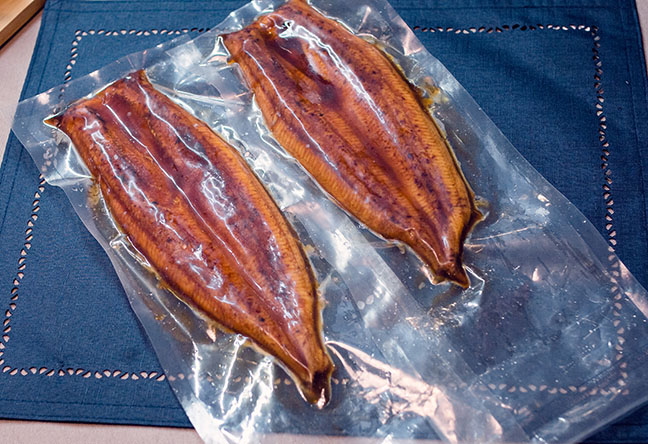
At Eelpro, frozen unagi kabayaki is designed for buyers who need prepared eel portions for restaurant service, retail packs, or food manufacturing. Check the product sheet for glazing, net weight, package count, and cooking status. Those facts matter more than the word “unagi” alone.
Understanding the term is only the first step. Before cartons leave the cold store, the product label should answer a series of practical questions.
“Frozen unagi” does not always reveal whether the eel has been grilled. Look for terms such as kabayaki, grilled eel, cooked eel, or raw eel fillet. If the package includes sauce, confirm whether it is already applied or packed separately.
For frozen eel products, a common storage requirement is -18°C or below. Keep the cold chain stable during transport and receiving. A carton that has softened, been refrozen, or developed heavy ice crystals may need additional inspection before acceptance.
A glazed product can include both eel and sauce. Ask for the net eel weight as well as the total pack weight. This is important when a restaurant calculates the cost of one rice bowl or a distributor compares offers from two suppliers.
Good product descriptions should explain the cut, length, width, skin-on or skinless format, bone removal, and portion tolerance. In a busy kitchen, consistent portions reduce trimming and make menu pricing easier. A dark, even glaze is typical of kabayaki, but color alone cannot confirm quality.
Avoid this mistake: do not treat “unagi,” “eel,” and “anago” as interchangeable purchasing terms. State the intended species and product format in the purchase order. For example: “frozen cooked freshwater eel kabayaki, skin-on, boneless, 100 g portions, stored at -18°C.” Clear wording protects both buyer and seller.
One useful point often overlooked: “unagi” is a Japanese food term, but it does not guarantee that the fish came from Japan. Restaurants and exporters in other countries may sell freshwater eel prepared in the Japanese kabayaki style. The word describes the fish and culinary tradition; it is not, by itself, a country-of-origin claim.
This matters on international menus. A restaurant can serve unagi prepared with Japanese techniques while purchasing frozen freshwater eel from an overseas processor. For regulatory labeling, origin, species, processing location, and import documentation should all be checked separately.
Another detail worth noting: kabayaki sauce is not the definition of unagi. The sauce gives the dish its signature shine and sweet-salty flavor, but plain grilled freshwater eel is still unagi. For a closer look at the glaze, read Eelpro’s article on kabayaki sauce.
Someone might say, “I ordered unagi,” meaning a rice bowl. Another person may say, “We need unagi for the sushi counter,” meaning cooked eel portions. A distributor may list “unagi kabayaki” alongside shrimp, squid, and other frozen seafood. The same word shifts slightly depending on the setting.
That is why context matters:
For home cooks, the easiest way to recognize the classic format is a dark glazed fillet over rice. For foodservice professionals, the better approach is to read the complete specification: species, cooking status, portion weight, sauce, packaging, and temperature.
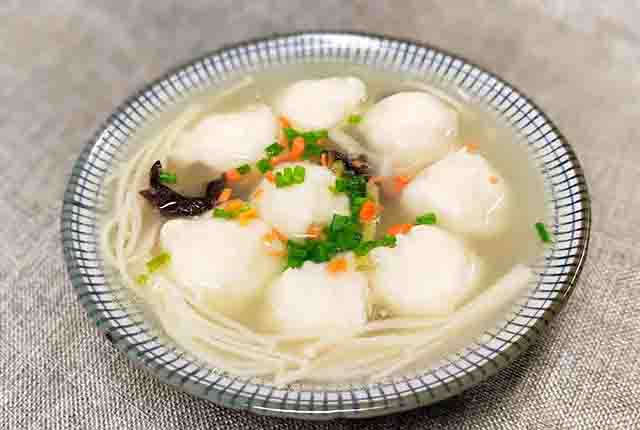
If you want to see how eel works in a warm bowl rather than as a rice topping, Eelpro also shares eel recipes featuring a different serving idea. The word remains the same, but the dish context changes.
“Unagi” means freshwater eel in Japanese. It is written as 鰻 in kanji and うなぎ in hiragana. On a menu, it often refers to cooked freshwater eel dishes such as unadon, unajū, or kabayaki.
Unagi appears in the names of rice bowls, sushi, grilled eel dishes, and set meals. “Unagi don” or “unadon” means eel served over rice, while “unajū” usually describes eel and rice served in a box. “Unagi kabayaki” identifies eel grilled and coated with a sweet-savory sauce.
“Eel” is a broad English term that can include freshwater and marine fish. “Unagi” is the Japanese term generally used for freshwater eel. Anago, often translated as conger eel, is a different Japanese eel term and usually refers to a marine eel.
No. Unagi describes freshwater eel and its Japanese culinary context. It does not automatically state the fish’s country of origin. Buyers should check the product label, scientific name, origin, and processing information.
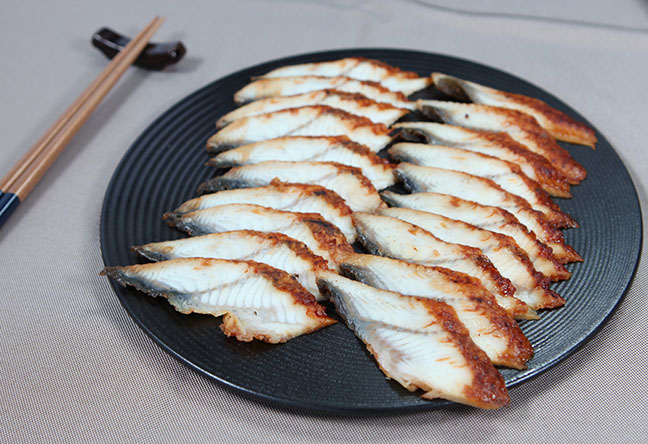
No. Kabayaki is commonly sauced, but shirayaki is grilled without the dark glaze. Plain or lightly seasoned freshwater eel is still unagi. The preparation name tells you more about the sauce than the word unagi does.
To define unagi in one line: it is freshwater eel, especially as understood in Japanese cuisine. On a menu, the word may lead to a rice bowl, sushi, or grilled fillet. In a seafood catalog, it should be followed by clear product details.
When comparing products for a restaurant, retail shop, or foodservice program, ask for the species, cooking status, portion weight, sauce details, packaging, and -18°C storage requirement. Eelpro Co., LTD supplies frozen unagi kabayaki, eel sauce, freshwater eels, and other frozen seafood for overseas buyers. Explore the product pages, then share your favorite unagi menu name or buying question in the comments.


 WhatsApp
 sales@chinaeels.com
 +8619937922411