





You order unagi sushi, but the menu says “eel sauce,” “tare,” or “sweet soy glaze.” Are they all the same? Usually, they refer to a similar dark, glossy sauce. Still, the name can hint at how the sauce is prepared, served, or marketed.
For sushi diners, home cooks, restaurant buyers, and seafood importers, knowing the other names for eel sauce makes ordering and sourcing much simpler. The same product might appear beside an eel roll, on a retail label, or in a foodservice catalog under a different name. This guide breaks down the most common terms and offers practical advice for buying and using the sauce.
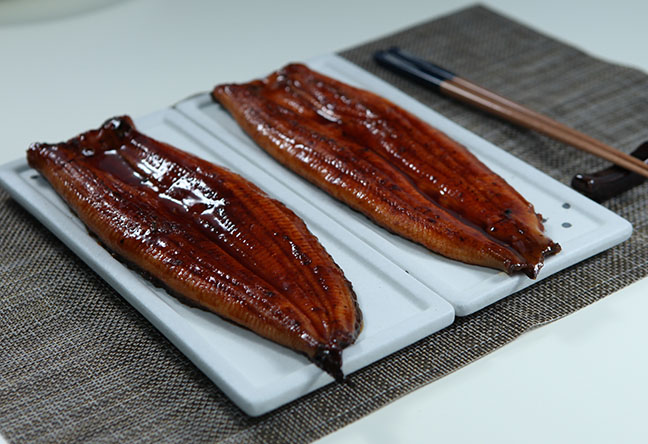
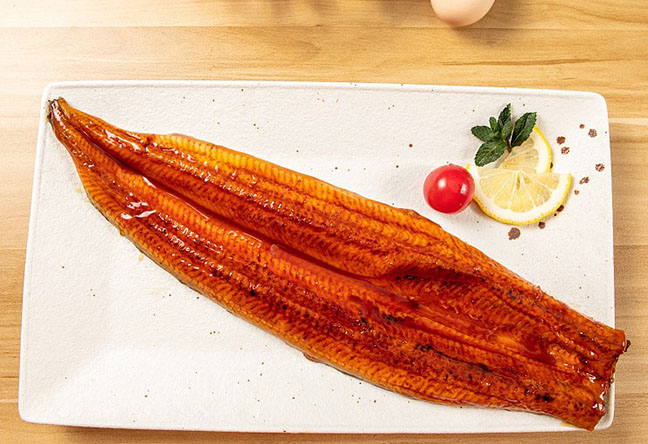
Traditional Japanese eel sauce is closely associated with unagi kabayaki, a dish made by filleting freshwater eel, grilling it, brushing it with sauce, and grilling it again. The sauce is sweet, salty, dark, and lightly thickened. It clings to hot rice and gives grilled eel its recognizable lacquered finish.
As Japanese cuisine gained popularity worldwide, restaurants and suppliers adopted names that were easier for local customers to understand. One menu may say “unagi sauce,” while another lists “kabayaki glaze.” A retail bottle might simply be labeled “sushi eel sauce.” These terms are related, although they are not always exact technical equivalents.
Formulas vary, too. A traditional recipe may include soy sauce, sugar, mirin, and sake. Commercial versions can use corn syrup, starch, caramel color, or flavoring to create a thicker texture and longer shelf life. When the exact formula matters to your restaurant or customers, check the ingredient label carefully.
There is no single global naming standard. However, the following are the terms most commonly seen by diners, buyers, and importers.
Unagi sauce is likely the closest everyday synonym for eel sauce. “Unagi” means freshwater eel in Japanese, so the name signals that the sauce is intended for eel dishes. It is often brushed onto grilled eel, drizzled over unagi donburi, or used on sushi rolls.
On an English-language menu, “unagi sauce” can sound more specific than “eel sauce.” In practice, however, the same product may also be used with grilled seafood, chicken, tofu, and rice dishes. When purchasing for a restaurant, confirm whether the sauce is ready to use or supplied as a concentrated base.
Kabayaki sauce refers to the sauce through the cooking method it supports. Kabayaki eel is grilled and repeatedly brushed with a sweet soy-based glaze. Rather than serving only as a dip, the sauce becomes part of the eel’s grilled surface.
Some suppliers use “kabayaki sauce” for products specifically designed for brushing. These sauces may be slightly thicker than table sauces so they stay on eel fillets during grilling. You can learn more about its role in our article on kabayaki sauce.
Sushi eel sauce is a customer-friendly name commonly used in sushi restaurants, supermarkets, and online stores. It tells shoppers how the sauce is typically served: over sushi, rice bowls, and specialty rolls.
The name does not necessarily mean that the sauce contains eel. In fact, many versions contain no eel stock at all. A restaurant may use the same sauce on unagi nigiri, shrimp tempura rolls, grilled chicken, or tofu. If you need an eel-derived ingredient, ask the supplier directly and review the product specification sheet.
Japanese sweet soy sauce is a broader descriptive term. It emphasizes flavor rather than the sauce’s connection to eel. In international retail, this wording can be useful when shoppers recognize “sweet soy” more readily than “kabayaki.”
That said, not every Japanese sweet soy sauce is an eel sauce. Some are thinner dipping sauces, while others are intended for teriyaki, marinades, or stir-fried dishes. If you want the dark glaze commonly served with grilled eel, look for terms such as “unagi,” “kabayaki,” or “tare.”
Tare means a seasoning sauce or glaze. In the context of eel, “unagi tare” usually means the sweet soy sauce brushed over grilled eel. “Tare sauce” on its own is less specific, as it may describe sauces used for yakitori, ramen, grilled meat, or other Japanese dishes.
For export documents and foodservice listings, “eel sauce (unagi tare)” is useful wording because it combines the familiar English name with the Japanese culinary term. It helps buyers connect the product to both sushi menus and traditional eel preparation.
Menus often use short, familiar names because customers already expect a particular flavor. Here is how the wording may appear:
The menu name may describe the dining experience rather than the original recipe. A sauce labeled “eel sauce” can be served on sushi that contains no eel at all. This is especially common with specialty rolls, where the sauce adds sweetness, color, and a savory finish.
For restaurant buyers, standardizing menu wording is helpful. If your kitchen uses one sauce for unagi bowls and several sushi rolls, “unagi sauce” or “sushi eel sauce” may be easy for customers to understand. If the sauce is primarily used during grilling, “kabayaki sauce” gives cooks a clearer idea of its purpose.
In most restaurant and retail settings, unagi sauce and eel sauce refer to the same general style of sweet, dark Japanese glaze. Both are commonly served with grilled freshwater eel, sushi, rice bowls, and grilled seafood.
There can still be differences in formula and thickness. One unagi sauce may be thin enough for a squeeze bottle, while another is thick enough to brush over eel fillets several times. Some products contain mirin or sake, while others avoid alcohol. Some use wheat-containing soy sauce; others are made with gluten-free ingredients.
For home cooks, either name will usually lead to the right flavor profile. Commercial buyers should ask for the following details:
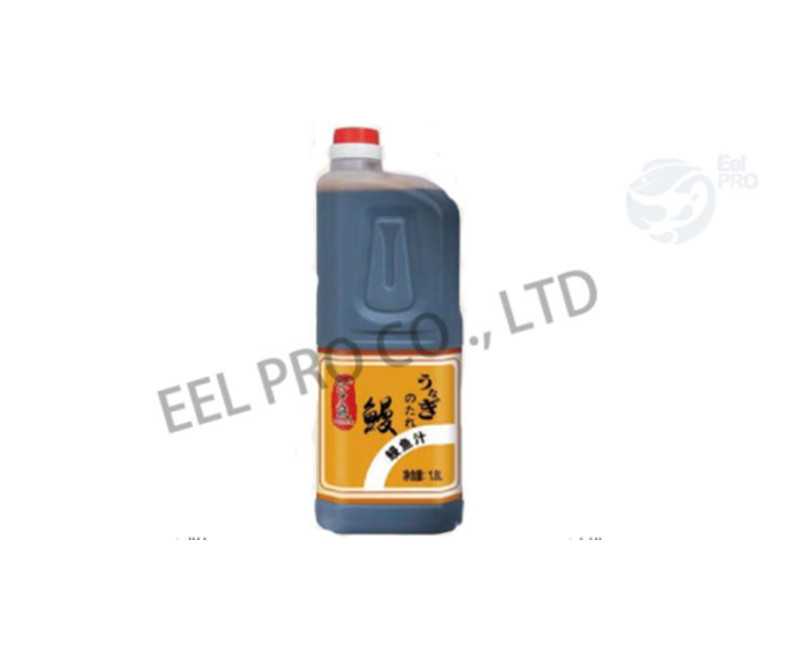
At Eelpro Co., LTD, eel sauce is also supplied as unagi tare for buyers who need a sauce matched with frozen unagi kabayaki and other foodservice applications. Always confirm product specifications before placing a shipment order.
Kabayaki sauce is used to brush, glaze, and finish grilled foods. Its classic use is with freshwater eel. The fillet is grilled, coated with sauce, grilled again, then brushed once more for a glossy finish. Repeated coating builds flavor without overwhelming the delicate eel meat.
At home, try it in these ways:
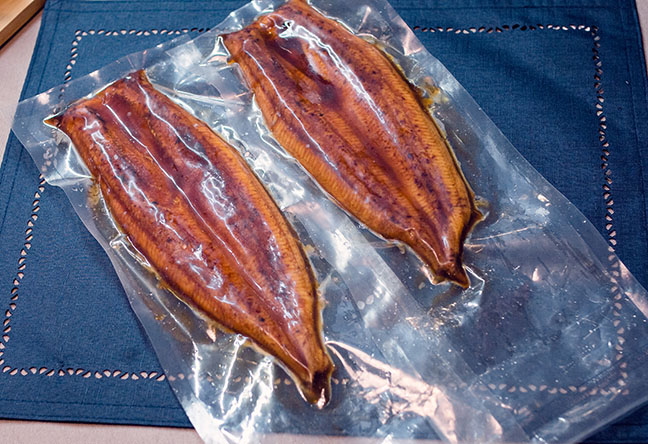
Do not apply a sugary glaze too early over high heat. It can darken fast or burn before the food is cooked through. For frozen unagi kabayaki, follow the package instructions first, then add a light extra coating if you prefer a stronger finish. Our frozen unagi kabayaki is prepared for convenient foodservice and home cooking applications.
“Unagi sauce” works well for sushi counters and rice bowls. “Kabayaki sauce” is clearer for grilling and eel processing. “Sushi eel sauce” may suit retail packaging or restaurant menus. “Japanese sweet soy sauce” reaches a broader audience, but it can create confusion if the product is not specifically made for eel.
Texture affects both presentation and portion control. A thick glaze stays on a fillet and may reduce dripping during delivery. A thinner sauce is easier to pour over sushi and noodles. Before ordering a full container load, ask for a viscosity description, sample, or cooking test.
Sweetness should complement the eel rather than cover it. If the sauce is served with sushi rice, remember that the rice already contains seasoned vinegar. An overly sweet sauce can feel heavy when the two are combined. Test the sauce with the actual rice formula used in your kitchen.
Unopened sauce may be shelf-stable, but storage requirements vary by formula and packaging. Refrigeration is often recommended after opening. Follow the supplier’s label instead of relying on a general rule. For frozen eel, keep the product at -18°C or below unless the specification states otherwise.
Avoid this mistake: Do not assume every dark Japanese sauce is eel sauce. Teriyaki sauce, sushi soy sauce, and kabayaki glaze may look similar, yet they differ in sweetness, thickness, salt level, and intended use.
Here is a useful surprise: in many commercial kitchens, eel sauce is named for the dish it accompanies, not for its main ingredient. A typical formula may be based on soy sauce, sugar, mirin, sake, water, and thickening ingredients. It may contain no eel at all.
This matters for allergen statements, vegetarian menus, and export labels. A vegetarian sushi roll topped with “eel sauce” may still suit some customers, but only the ingredient declaration can confirm that. If the product contains fish extract, bonito, or another animal-derived ingredient, the label should state it clearly.
There is also a naming trap with “sweet soy sauce.” In some markets, this phrase refers to a thick Indonesian-style sauce rather than Japanese unagi tare. The color may be similar, but the flavor and ingredient profile can be quite different. A product photo alone is not enough to make a purchasing decision.
For a quick unagi rice bowl, warm the eel according to the package instructions. Heat the rice until steaming, add the eel, then brush it with 1 teaspoon of sauce per serving. Finish with sliced green onion, toasted sesame, or shredded nori.
For sushi rolls, use a narrow zigzag instead of a heavy pour. Around 5–8 grams of sauce per roll is often enough, depending on the roll size and fillings. Too much sauce can hide the eel’s flavor and leave the rice soggy.
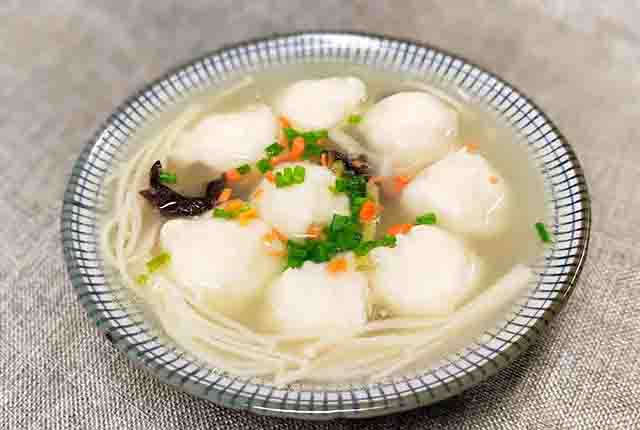
Want another comforting idea? Use the sauce with noodles, mushrooms, and pieces of grilled eel. Our guide to eel recipes offers a practical starting point for a warm noodle dish.
Common names include unagi sauce, kabayaki sauce, sushi eel sauce, unagi tare, tare sauce, eel glaze, and Japanese sweet soy sauce. The exact meaning depends on the menu, label, and intended cooking method. “Unagi sauce” and “eel sauce” are usually the closest matches.
Usually, yes. Both terms normally describe a sweet, savory, dark sauce served with grilled freshwater eel and sushi dishes. The recipe, thickness, alcohol content, and salt level may differ by supplier, so commercial buyers should review the product specification.
Kabayaki sauce is used to brush and glaze grilled eel, especially during the final stages of cooking. It can also be drizzled over rice, noodles, grilled seafood, chicken, tofu, and vegetables. Apply sugary sauce near the end of cooking to reduce the risk of burning.
Not necessarily. Many eel sauces are made with soy sauce, sugar, mirin, sake, water, and other ingredients without eel. Check the ingredient list if fish content, vegetarian suitability, or allergen control matters.
Yes. Sushi restaurants often use the sauce on shrimp tempura rolls, avocado rolls, tofu, and other specialty rolls. It adds a sweet-salty flavor and glossy appearance, even when no eel is included.
The names may change from country to country, but the culinary idea remains familiar: a sweet, savory glaze that complements grilled foods and sushi. For casual dining, “eel sauce” and “unagi sauce” are usually interchangeable. For purchasing, the details behind the name matter more: ingredients, viscosity, packaging, storage, and application.
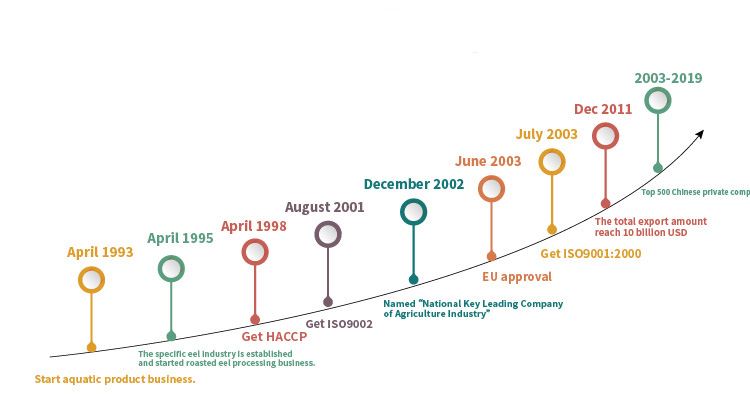
Eelpro Co., LTD supplies eel sauce and unagi tare for overseas foodservice, retail, and seafood buyers, along with frozen unagi kabayaki, freshwater eels, and frozen seafood. Contact us to discuss sauce specifications, packaging, and product matching for your market. If you have a favorite menu name for this sauce, share it with us—and tell us whether you prefer it on unagi don, sushi rolls, or grilled seafood.


 WhatsApp
 sales@chinaeels.com
 +8619937922411