





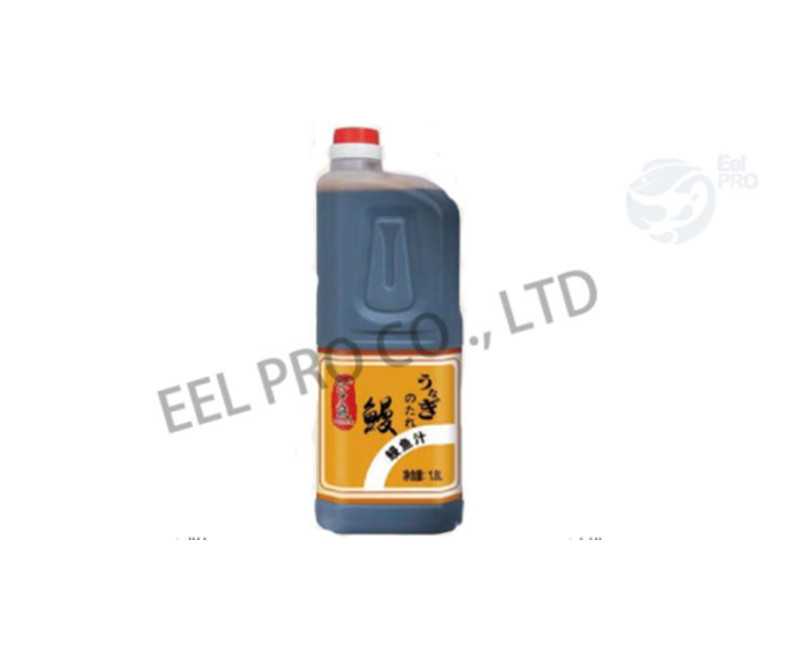
Picture this. You grab a bottle of dark, glossy sauce labeled “Eel Sauce” from a supermarket shelf or a supplier’s catalog. Your brain does a quick backflip—Wait, is this actually made from eel? You’re not crazy for asking. A lot of people, including chefs I’ve spoken with, assume there’s ground fish swimming in that sweet-salty elixir.
So let’s rip the bandage off right now: No, eel sauce is not made of eel. Not even a little. The name comes from how it’s used, not what’s in the bottle. This article will walk you through the real story behind eel sauce, what’s inside it, and how to use it without getting tangled in seafood myths.
I’ve heard this question at food expos, in DMs, and from importers flipping through our eel sauce product page. It’s logical: you see “eel sauce” and you connect it to the animal. But think about ketchup—nobody expects it to be made of beef, even though it sits next to burgers. The naming confusion is similar.
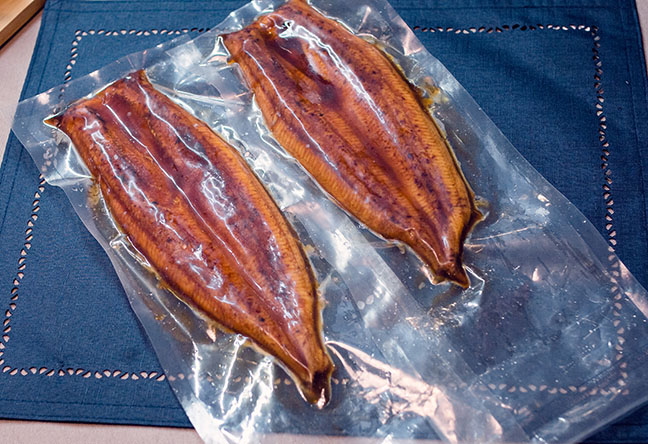
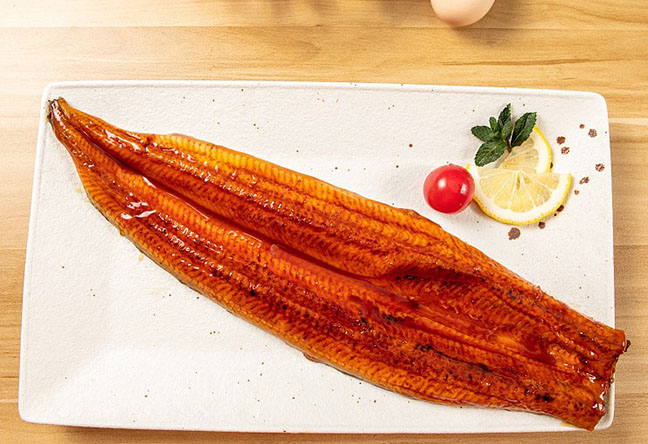
In Japanese cuisine, unagi no tare (the proper name for unagi sauce) means “sauce for eel.” It’s the glaze that gets brushed onto grilled unagi kabayaki. The sweetness and umami are designed to complement the rich, fatty eel, not to contain it. Over time, the shorthand “eel sauce” stuck, especially in Western sushi bars.
Still skeptical? Let’s crack open a bottle and see what’s really inside.
If you flip a store-bought bottle around, you’ll see a short ingredient list that reads nothing like seafood. Traditional eel sauce ingredients boil down to just four or five pantry staples:
Some variations toss in a splash of dashi (which might contain bonito flakes, so that’s the only fish-adjacent element) or a touch of cornstarch to thicken. But eel meat? Never. In fact, labeling regulations in most countries would require clear disclosure of fish protein. You don’t see that on a standard eel sauce jar, because it’s not there.
This sweet-savoury bomb belongs to a family often called Japanese sweet soy sauce. It’s similar to a teriyaki glaze, but richer and less clingy. The exact ratio of ingredients is what gives every brand its own personality.
In Japanese kitchens, unagi sauce starts as a simmered reduction. The mixture is heated gently until the alcohol from mirin and sake cooks off and the sugars begin to caramelize. Some old-school restaurants keep a “master sauce” going for years, replenishing it daily—though that practice is less common now and certainly doesn’t involve whole eels swimming in it.
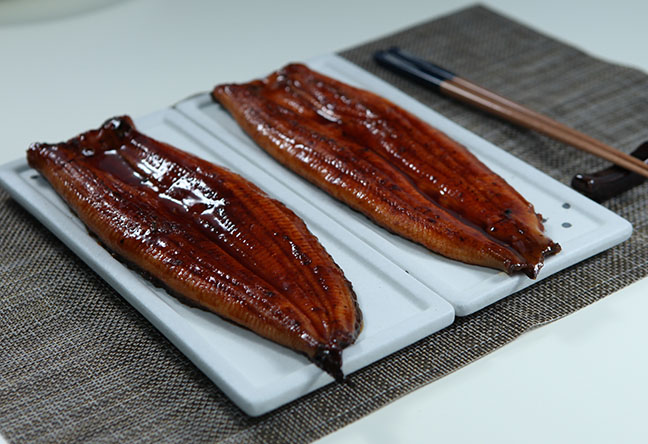
If you’ve ever had unagi kabayaki prepared the traditional way, you’ve seen the sauce in action. The fillet is skewered, steamed, then grilled over binchotan charcoal. As it grills, it’s dipped or brushed with the sauce multiple times. The heat caramelizes the sugars, creating that mahogany lacquer. The aroma is intoxicating—smoky, sweet, and deeply savoury. None of that magic requires eel in the sauce bottle.
Cold knowledge alert: Some restaurants actually use the same unagi sauce for other dishes, like grilled eggplant or rice balls. They call it “tare” and often don’t even label it as eel sauce for those applications. That’s how flexible it is.
Here’s a long-tail query we see a lot: does unagi sauce contain fish? The short answer is no—not inherently. But if dashi is part of the recipe, and that dashi is made from katsuobushi (dried bonito flakes), then yes, trace fish elements could sneak in. Most commercial eel sauce avoids this and uses a simple vegan-friendly base of soy, sugar, and mirin. Always check the label, but in 99% of cases, eel sauce is fish-free.
That’s great news for menu planning. A sushi sauce that’s free of actual fish proteins means fewer allergen headaches. If you’re buying in bulk for a restaurant or a retail chain, insist on full disclosure from your supplier. At Eelpro, our eel sauce is formulated without any fish derivatives, so you can confidently label it as plant-based and allergen-light.
Once you know is eel sauce made of eel (spoiler: no), the next question is what to do with it. Most people know it as that addictive drizzle on dragon rolls or eel avocado maki. But eel sauce can do so much more.
Sushi sauce – Obviously. A thin zigzag over a roll brings sweetness that balances salty soy and spicy wasabi. It’s the yin to spicy mayo’s yang.
Rice bowls (donburi) – Try it on a hot bowl of rice topped with grilled chicken or tofu. The sauce seeps down, flavour-packing every grain. Works like a charm in an unagi don, even if you’re not using eel.
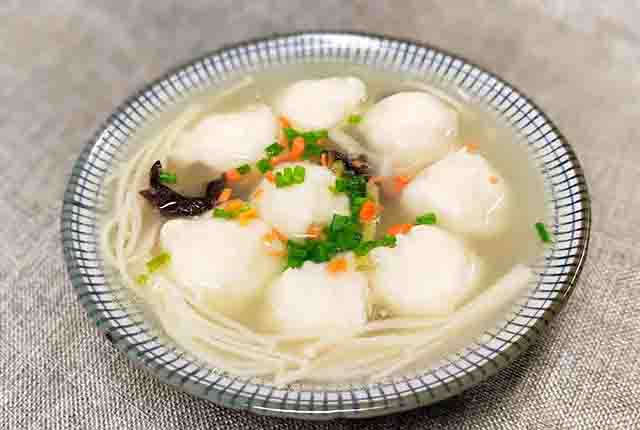
Glaze for grilled proteins – Brush it on salmon, chicken thighs, or pork belly during the last minute of grilling. The sugars will char just enough to give you that BBQ-shine without burning. For a full recipe idea, see our eel recipes where the sauce works marvellously in soups and broths.
Vegetable lifeline – Roasted sweet potatoes, steamed broccoli, or grilled mushrooms turn magical with a light coat of eel sauce. It’s basically umami painting.
Noodle kicker – A teaspoon stirred into yakisoba or cold somen adds dimension without watering down the dish.
For foodservice operators, having one sauce that can dress sushi, glaze grilled items, and flavour bowls means fewer SKUs. Efficiency aside, it gives guests a consistent flavour thread across the menu.
If you’re sourcing unagi sauce for your business, keep these points in mind:
Our kabayaki sauce article digs deeper into why this sauce is a secret weapon for chefs. Give it a read if you’re building a Japanese-inspired menu without hiring a unicorn chef.
No. Traditionally, eel sauce is made by simmering soy sauce, mirin, sugar, and sake. The name comes from its traditional use as a glaze for grilled eel, not from any eel-derived ingredients.
Usually no. Pure unagi sauce has no fish. If the recipe includes dashi made from bonito, there might be trace fish elements, but reputable brands (like ours) formulate without fish for broader allergen compatibility.
It’s a versatile Japanese sweet soy sauce used for sushi rolls, donburi bowls, grilled meats, vegetables, and even as a noodle dressing. It adds a sweet-savoury glaze and deep umami.
Now you know the truth behind that innocent bottle. Eel sauce isn’t hiding ground-up eels, just simplicity, tradition, and a lot of cooking wisdom. Whether you’re a home cook trying to replicate your favourite sushi bar experience, or a buyer sourcing wholesale unagi sauce for a restaurant chain, understanding what’s real and what’s myth helps you make smarter choices.
Next time someone asks you “Hey, is eel sauce made of eel?” you can smile, raise a glazed skewer, and say “Not even close.” Then maybe share this article. Or better yet, let them taste it.
Ready to bring authentic eel sauce and premium unagi kabayaki to your kitchen or business? Browse our full range at Eelpro Co., LTD. We ship globally, and our team speaks your language—literally and culinarily.


 WhatsApp
 sales@chinaeels.com
 +8619937922411