





What is the glossy sauce brushed over Japanese eel, sushi rolls, rice bowls, and grilled vegetables? If you have tasted its sweet-savory finish and want to use it at home or on a restaurant menu, this guide explains whats unagi sauce in practical terms.
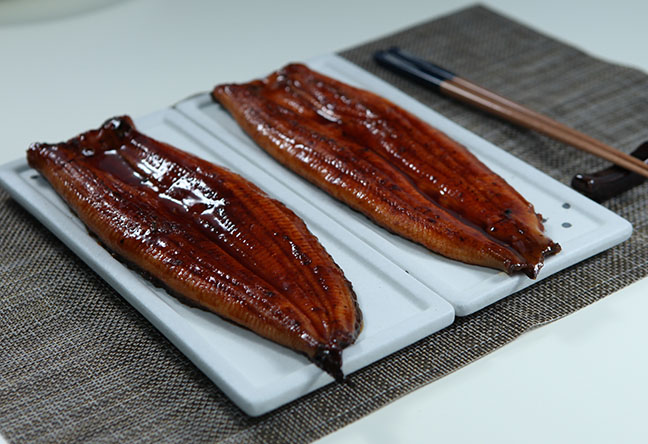
Picture a bowl of freshly steamed rice topped with grilled eel. Its surface is dark, shiny, and lightly caramelized. The first bite is sweet, then savory, with a deep roasted note that lingers. That glaze is usually called unagi sauce, unagi tare, or Japanese eel sauce.
Despite the name, it is not only for eel. A good bottle adds character to salmon, shrimp, chicken, tofu, mushrooms, noodles, and even a simple bowl of rice. For home cooks, it is an easy way to make a quick meal taste more complete. For foodservice buyers, one reliable sauce can support several menu items.
Unagi sauce is a thick, glossy Japanese-style sauce traditionally associated with unagi kabayaki, or grilled freshwater eel finished with a sweet soy-based glaze. In Japanese food culture, the sauce is often called tare, a term for seasoned sauces used for grilling, brushing, or finishing food.
Its texture helps it cling to food instead of running off immediately. That is important when the sauce is brushed onto eel over a hot grill or drizzled over a rice bowl. It leaves the surface shiny, lightly sticky, and deeply seasoned.
Although the names are often used interchangeably, “unagi sauce” and “eel sauce” can refer to different commercial products. Some are formulated specifically for eel, while others are general sweet soy sauces for sushi, grilled seafood, and cooked dishes. Always check the label for ingredients, allergens, alcohol content, sweetness level, and storage guidance.
Japanese eel sauce is generally a finishing sauce rather than a thin dipping sauce. Because the flavor is concentrated, a little goes a long way. A drizzle of 5–10 milliliters is often enough for one rice bowl, depending on the dish and the sauce’s thickness.
In restaurants, it may be brushed on during grilling, added after reheating, or served in a small cup on the side. At home, it can turn leftover rice and a few vegetables into a satisfying meal in minutes.
So, what does unagi sauce taste like? Expect a rounded sweet-savory flavor and a glossy mouthfeel. The balance varies by brand, but the main notes usually include:
The eel sauce flavor is often compared with teriyaki, though the two are not always the same. Teriyaki may be used as a marinade or cooking sauce for meat and seafood. Unagi sauce is typically thicker and more concentrated, with a stronger focus on glazing and finishing.
A good unagi sauce should taste balanced rather than harsh. If it is overwhelmingly salty, bitter, or sugary, it can mask the delicate flavor of fish. With unagi, the best result usually comes from enough sauce to create shine and aroma without covering the eel completely.
How is unagi sauce used in a working kitchen? There are several straightforward methods, and each creates a slightly different result.
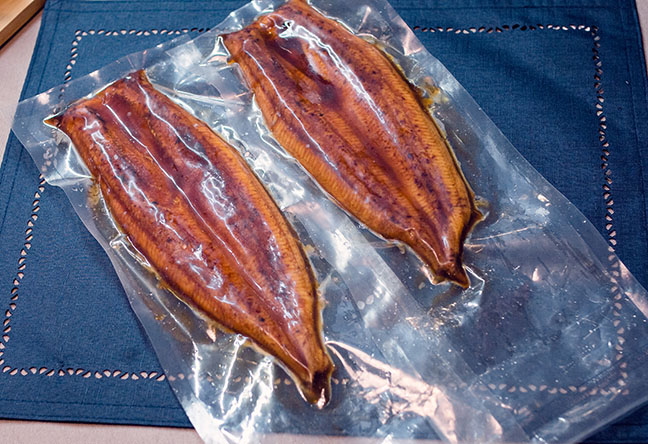
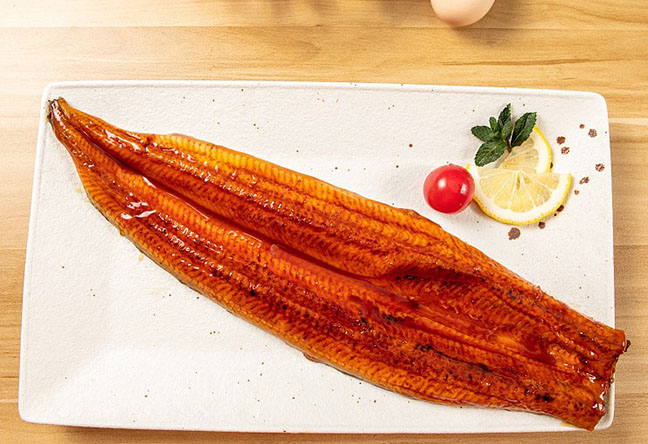
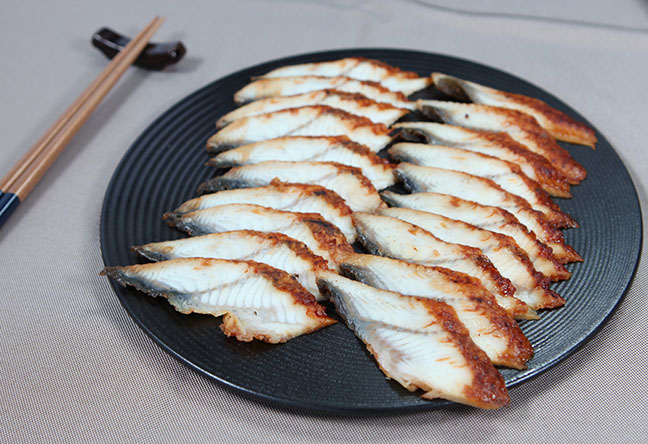
This is the classic use. Reheat cooked unagi kabayaki, then brush on a thin layer of sauce during the final stage. For frozen cooked eel, follow the product instructions first. As a general kitchen reference, many portions can be reheated at around 180°C for 8–12 minutes, depending on thickness and equipment.
Add a second light brush after heating if you want a brighter finish. Avoid flooding the eel, as too much sauce can leave the surface wet and overly sweet.
For menu development, see Eelpro’s frozen unagi kabayaki. It is a practical base for rice bowls, sushi toppings, bento boxes, and grilled eel plates.
Unagi don is one of the simplest ways to enjoy the sauce. Fill a bowl with warm rice, add sliced grilled eel, and drizzle the sauce over the top. Toasted sesame seeds or shredded nori add texture, while Japanese sansho pepper brings a mild citrusy heat.
A useful serving guide is 120–180 grams of cooked rice, 80–120 grams of eel, and 10–15 milliliters of sauce. Adjust the portions for children, tasting menus, or larger foodservice servings.
Unagi sauce is often drizzled over eel sushi, dragon rolls, shrimp tempura rolls, and avocado-based rolls. It works especially well when the other ingredients are mild and creamy.
Use a narrow zigzag rather than a heavy pour. The sauce should create contrast, not bury the rice and seafood. At a busy sushi station, a squeeze bottle with a small nozzle gives better control.
Cooked udon, soba, and ramen-style noodles can all benefit from a small amount of sauce. Toss the noodles with shredded eel, scallions, cucumber, or mushrooms. You can also loosen the sauce with a little warm water or stock for a quick stir-fry coating.
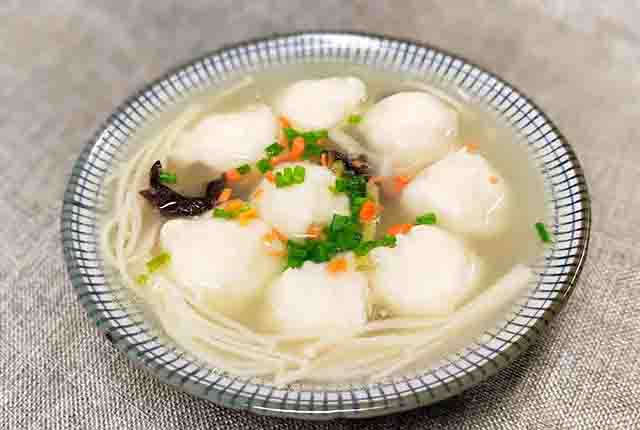
For a more comforting meal, try it in an eel noodle soup recipe. Add eel sauce carefully because soup broth already contains liquid seasoning. Start with 5 milliliters per serving, taste, and adjust.
For another preparation idea, explore these eel recipes for practical ways to use eel in warm dishes.
There is no need to reserve the sauce for eel. Brush it onto salmon, shrimp, scallops, chicken thigh, pork belly, tofu, eggplant, or shiitake mushrooms. It works best during the last few minutes of cooking.
For vegetables, roast or grill them first. Add the sauce near the end, then return them to the heat for 1–2 minutes. This allows the glaze to set without burning.
The best unagi sauce pairings tend to feature foods with a mild flavor, a grilled surface, or a soft texture. The sauce contributes sweetness and umami, while the other ingredients bring freshness, richness, or crunch.
Salmon is one of the easiest substitutions for eel because it has enough natural fat to stand up to the sauce. Grilled shrimp also works well, particularly with scallions and sesame. Try the glaze on seared scallops, but keep the coating thin so the scallops’ delicate sweetness remains clear.
For a mixed seafood platter, serve the sauce on the side instead of brushing every item. Guests can then choose how much they want.
Tofu, eggplant, mushrooms, asparagus, corn, and sweet potato all pair well with the sauce. Press firm tofu before pan-searing it, then add the glaze at the end. Roast eggplant until tender and brush it with sauce during the final minutes of cooking.
For a quick vegetarian bowl, combine rice, grilled eggplant, edamame, pickled cucumber, and a small drizzle of unagi sauce. It is colorful, filling, and easy to scale for a lunch menu.
Try a little sauce on a burger with grilled mushrooms, or use it as a finishing touch for chicken skewers. It can also work with French fries, roasted cauliflower, or a savory pancake. These ideas suit fusion menus, but portion control matters. The sauce should work like a seasoning, not a heavy coating on every ingredient.
When choosing a sauce for home use or a commercial kitchen, start with the dish you plan to make. A thick sauce is convenient for glazing eel and finishing sushi. A slightly thinner option may be easier to toss with noodles or use as a table condiment.
Check these points before buying:
After opening, store the product according to the manufacturer’s instructions. Keep the container clean, close the cap tightly, and avoid leaving it beside a hot grill for long periods. If the sauce is used as a dipping condiment, pour a working amount into a separate container rather than repeatedly dipping into the main bottle.
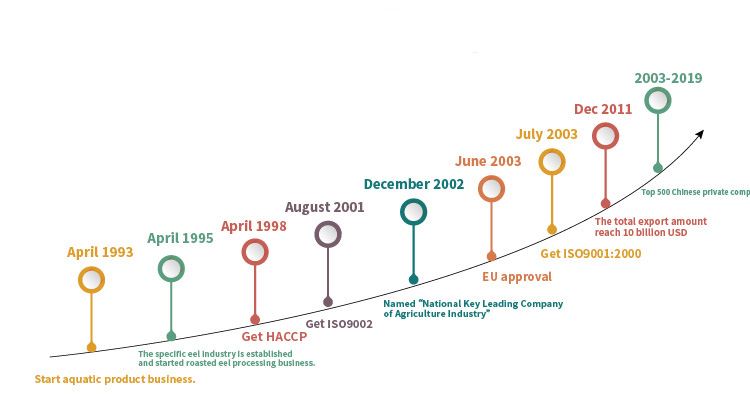
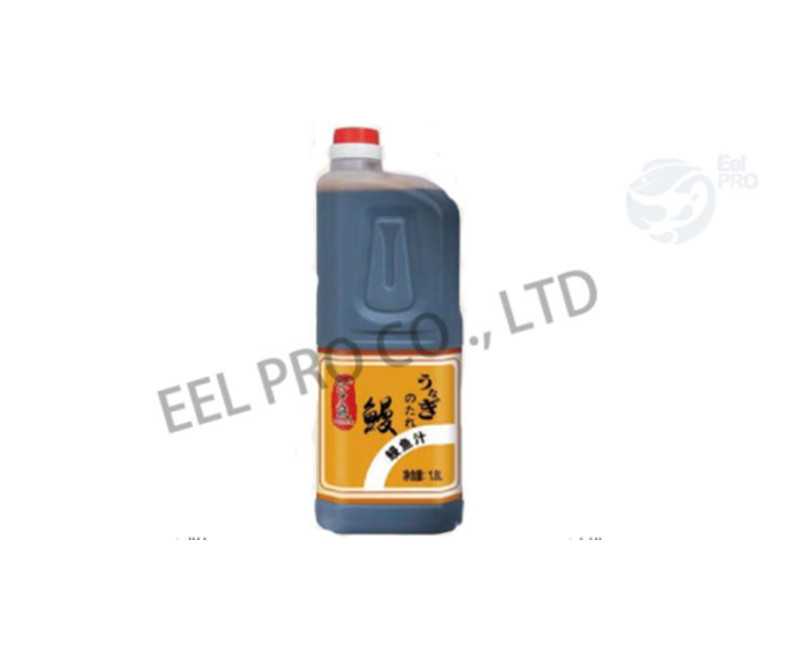
Eelpro Co., LTD supplies eel sauce and unagi tare for international buyers seeking sauce options alongside frozen eel and seafood products. Before placing a large order, ask about pack sizes, private-label options, export documentation, and shipping requirements.
Sweet sauces darken quickly over high heat. Brush on the first layer during the final cooking stage, then add another thin layer after the food comes off the grill. This creates a cleaner shine and reduces the chance of scorching.
In traditional kabayaki service, eel is grilled, brushed with tare, and grilled again. Repeated brushing creates the familiar lacquered surface and roasted aroma. The sauce is not simply poured on at the table; it is part of the cooking process.
A very sweet sauce may seem appealing in the first bite, but it can become tiring over a full portion. When testing products, taste the sauce with the food it will actually accompany. Try it on hot rice, grilled eel, and a neutral vegetable. A sauce that remains balanced in all three situations is easier to use across a menu.
Another common mistake is using too much. Start with 1 teaspoon per small serving, then add more if needed. It is far easier to build flavor than to correct an overly coated dish.
For a closer look at how sauce supports grilled eel dishes, read kabayaki sauce and its role in menu preparation.

It usually tastes sweet, savory, and rich, with soy-like umami and a mild caramelized note. The texture is thicker than regular soy sauce. The eel sauce flavor should complement grilled food without masking its natural taste.
Brush it onto grilled eel, drizzle it over rice bowls and sushi, toss it with noodles, or use it as a glaze for salmon, shrimp, chicken, tofu, and vegetables. Add it near the end of cooking, especially when using a hot grill or pan.
Rice, grilled eel, salmon, shrimp, scallops, chicken, tofu, eggplant, mushrooms, cucumber, nori, sesame, and eggs are all good choices. Fresh or crisp ingredients help balance the sauce’s sweet richness.
They can share sweet and savory notes, but they are not always identical. Unagi sauce is commonly thicker and designed for brushing or finishing grilled eel and other foods. Teriyaki sauce may be thinner and used for marinating or cooking.
Yes. It works with seafood, meat, tofu, mushrooms, roasted vegetables, sushi rolls, noodles, and rice. For vegetarian dishes, check the product label and confirm that the sauce meets your dietary requirements.
Unagi sauce is a small ingredient with plenty of uses. Its glossy texture, sweet-savory taste, and roasted aroma make it useful for Japanese dishes, fusion menus, home rice bowls, and foodservice applications. Start with a modest amount, pair it with fresh or lightly seasoned ingredients, and add the final glaze near the end of cooking.
If you are developing an eel bowl, sushi program, seafood line, or retail product range, explore Eelpro Co., LTD’s frozen unagi kabayaki, eel sauce, frozen seafood, and freshwater eels. Which pairing would you try first—classic eel and rice, glazed salmon, or grilled eggplant? Share your idea in the comments, and browse our related recipes for more ways to serve eel.


 WhatsApp
 sales@chinaeels.com
 +8619937922411