




One question can stop a busy kitchen cold: “Is this anago or unagi?” Two words, same plate, completely different stories. Get it wrong, and a $38 grilled eel set becomes a $22 disappointment. I’ve seen head chefs scramble because a menu just said “eel” — no species, no detail. This isn't about being fussy. It’s about precision that builds trust and protects margins. Let’s clear the fog on anago vs unagi once and for all.
Anago and unagi are not cousins that just swapped ponds. They belong to different families, live in different worlds, and taste nothing alike. Knowing this isn’t trivia — it’s the foundation of accurate menu labeling.
Anago eel (conger eel, typically Conger myriaster) spends its whole life in the sea. It buries itself in sandy bottoms during the day and hunts at night. The flesh is lean, with a clean, almost white appearance when cooked. Unagi eel (Anguilla japonica) is a catadromous fish: born in the ocean, but it migrates to rivers and lakes to grow. That freshwater phase builds fat — lots of it. A farmed unagi can carry 20–25% fat content, while anago rarely pushes past 5%. This number alone dictates every kitchen decision.
I once stood at Tsukiji market watching a vendor slice anago with a whisper-thin blade, no oil, no heavy glaze. He said, “If you mask anago with thick tare, you’ve bought the wrong fish.” That stuck with me.
Here’s the blunt truth: anago melts gently and disappears. Unagi demands attention with rich, fatty punch. They are not interchangeable. A diner who knows eel will instantly spot a substitution.
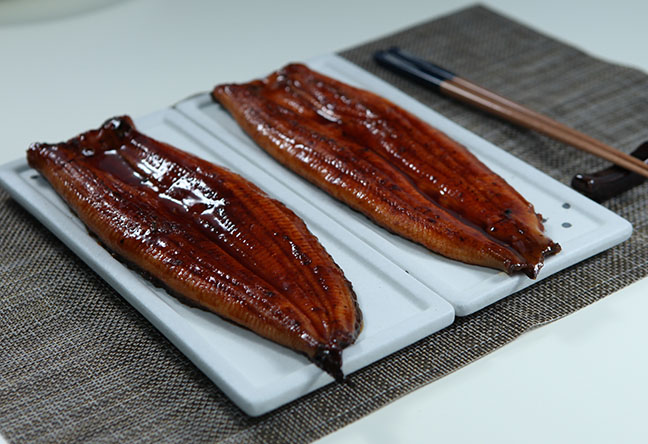
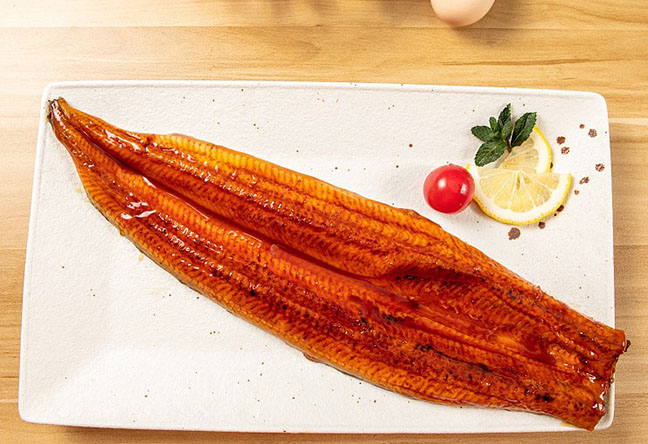
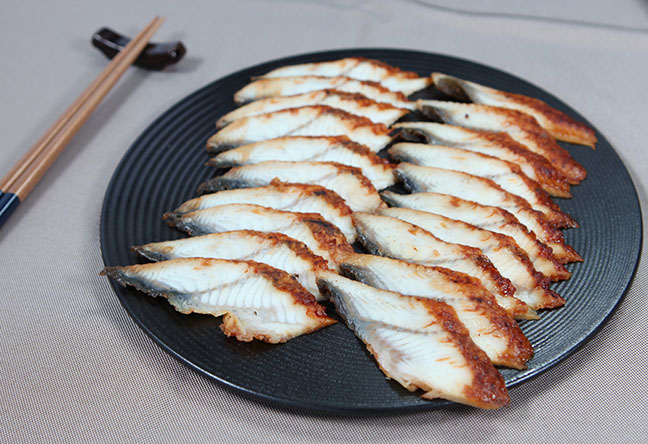
Bite into properly grilled unagi, and the fat coats your tongue almost instantly — savory, slightly sweet, with a caramelized crust from the tare. The meat has a firm, almost meaty chew. Anago is the opposite: soft, flaky, and subtle. It often arrives with a lighter touch — a dusting of salt, a brush of citrus, maybe a quick dip in a simpler sauce. If you serve anago with the same heavy unagi tare we produce, you bury its delicacy under syrup. That’s why we always recommend matching the right preparation to the species.
When a restaurant customer asks for “unagi don,” they expect that bold, layered experience. If you bring them anago, they’ll push rice around and wonder where the flavor went. Label honestly, or lose the regulars.
Walk into any Japanese market, and the kanji messes with your head. Let’s fix that right now.
Print these terms on your back-of-house cheat sheet. Your FOH staff won’t stutter when a guest points at the menu and asks, “What’s the difference?” Because I guarantee someone will ask.
Restaurant prints “Grilled eel with kabayaki sauce.” They buy frozen unagi from us — perfect product. But a new supplier offers cheaper “eel fillet.” They don’t check, and suddenly the kitchen is plating pale, lean anago drenched in our thick eel sauce. Customers complain the fish is dry and stringy. Sales drop. The mistake? One vague menu label and zero species verification.
Fix: always specify “unagi” or “anago” on the menu. If you use our unagi kabayaki, say “freshwater eel (unagi) in house kabayaki sauce.” No confusion, no kitchen drama.
This boils down to format, kitchen skill, and customer promise. Let’s break it brutally honest.
Buy unagi (freshwater eel) when:
Buy anago (conger eel) when:
For most buyers outside Japan, unagi is the safer bet — higher fat means more forgiving heat, and it pairs famously with our kabayaki sauce. We’ve shipped to distributors across 14 countries, and 80% of first-time orders lean toward frozen unagi precisely because it’s menu-flexible and error-tolerant.
Before placing any order, check the supplier’s species documentation. If a seller can’t tell you whether it’s Anguilla or Conger, walk away. That’s not a supplier — that’s a gamble.
Always specify the species. Write “Freshwater eel (unagi)” or “Saltwater conger eel (anago).” If the dish uses kabayaki preparation, add that: “Unagi kabayaki — freshwater eel glazed with sweet soy tare.” Hide nothing. If you use anago but call it simply “eel,” you risk misleading guests familiar with unagi’s richness.
Unagi is freshwater eel, high in fat, often served as kabayaki with thick sweet sauce. Anago is saltwater conger eel, leaner, flakier, and usually served with delicate seasoning like salt or a light glaze. A menu listing “unagi” signals bold, rich flavor; “anago” signals subtle, clean taste.
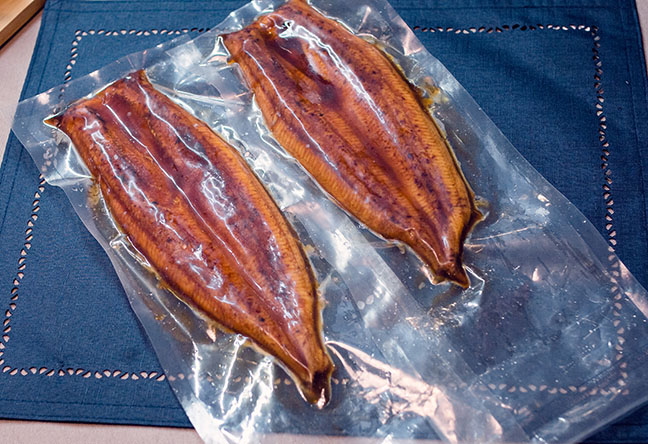
For most Western and Southeast Asian kitchens, specify frozen freshwater unagi fillets — they come pre-grilled, sauced, and portion-ready. If you run a high-end sushi bar focusing on traditional Edomae style, purchase fresh or frozen anago fillets and handle them carefully. Always request the scientific species name on the invoice.
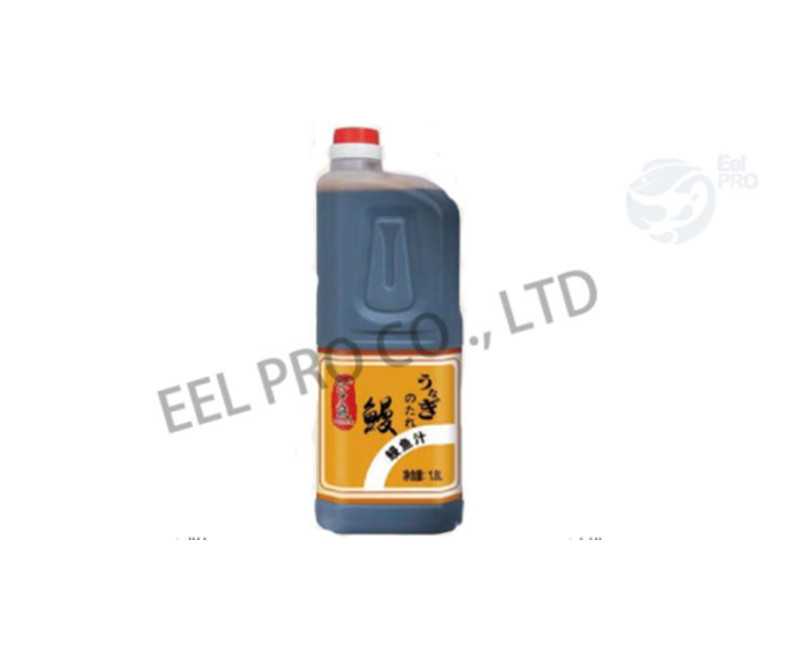
Cold unagi straight from the freezer into a hot oven? Disaster. Let it thaw slowly on a tray overnight in the fridge, then pat dry. Excess moisture kills any hope of a good sear. And that tare? Warm it separately to 60°C — never boil it. Boiling destroys the delicate balance we build into every batch of our kabayaki sauce. It’s a living thing, not ketchup.
When you nail anago vs unagi labeling, you also unlock menu storytelling. Tell guests why this lake-raised unagi develops such marbling, or why this conger eel from Seto inland sea tastes of clean salt air. People remember stories, not just protein.
Anago and unagi share a long shape, but the similarity ends there. Fat content, habitat, texture, sauce pairing, price point — all diverge. For restaurants and buyers, the fix is simple: know your species, label clearly, and source from suppliers who don’t hide behind vague terms. If you’re ready to bring consistent, richly marbled freshwater eel to your menu, explore our unagi kabayaki range. And if you ever want to experiment with anago-style lightness, at least you’ll know the difference before the first order hits your inbox.
Have a kitchen story of eel mix-ups? Drop it in the comments. The more we talk about this, the fewer menus will blindly say “grilled eel.” Want to dive deeper? Read up on eel recipes that work with both species — just remember to adjust your sauce thickness accordingly.
Special tips for bulk buyers: Request a sample of frozen unagi pre-sauced with our classic tare. Taste the fat difference side by side with any anago fillet. The decision makes itself.

 WhatsApp
 sales@chinaeels.com
 +8619937922411