





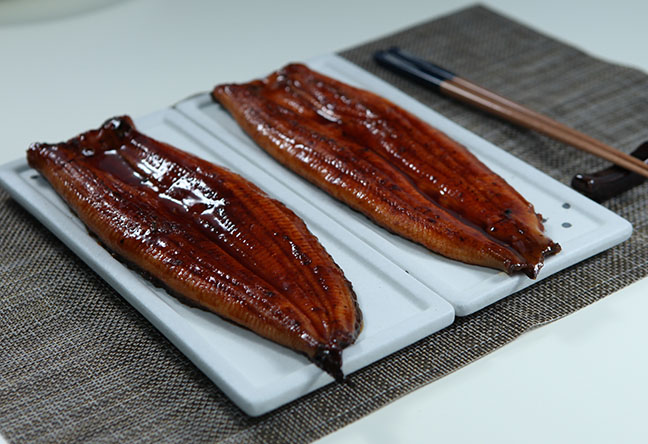
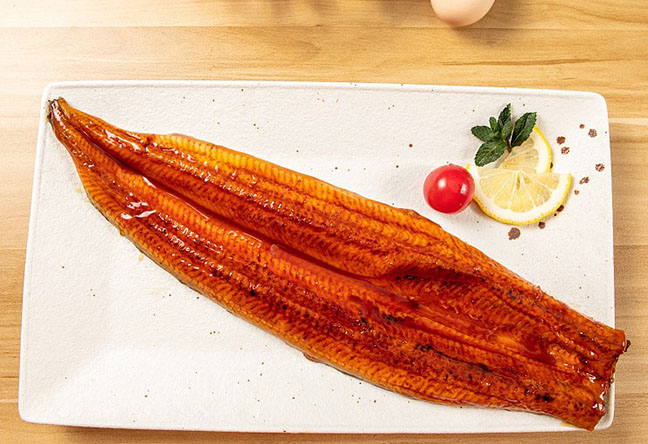
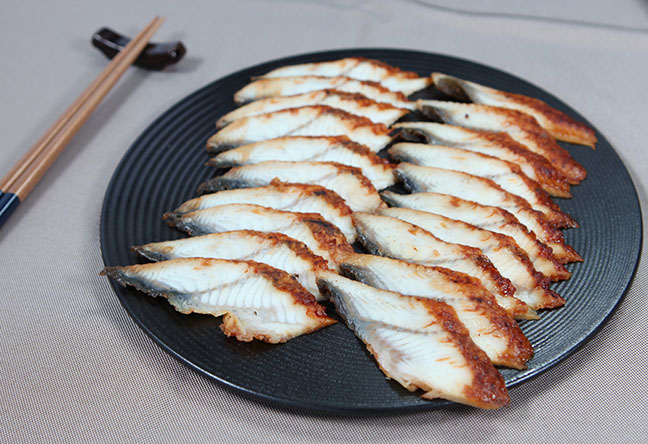
You grilled the eel to glossy perfection. But the sauce? Thin, one‑note sweet, nothing like what you remember from that Tokyo unagi stall. You grab your phone and type “unagi sauce near me”. The results? Mostly 200 ml bottles with cartoon eels on the label. Fine for a home dinner for two. But what if you’re stocking a ramen bar, running a bento kitchen, or just want enough for six months of weekend unadon?
That’s where the divide starts. There’s retail sauce. And there’s foodservice sauce. They look similar on a screen, but once you crack them open – the texture, the cling, the way a sauce reduces over heat – it’s a completely different experience. In this guide, I’ll walk you through retail bottles and bulk packs, explain packaging, compare local suppliers with direct sourcing, and share one cold fact that might save your next menu item.

When someone types that phrase, they’re not always looking for a store two blocks away. Sometimes they want fast shipping, or a supplier that feels local because it solves their problem tomorrow. Others genuinely need a brick‑and‑mortar shop where they can grab a bottle before dinner. The tricky part: real kabayaki sauce – the kind brushed on eel as it grills – isn’t made fresh on the spot by every supplier. Most stores carry a generic sweet soy glaze and call it eel sauce. That’s not the same thing.
If you’re cooking at home, a 235 ml retail bottle might work beautifully, provided the ingredient list doesn’t start with corn syrup. Restaurants, though, go through a liter a day. So “unagi sauce near me” often turns into “who can ship genuine eel sauce in the size I need, without charging me ten times the wholesale price.”
Walk into a well‑stocked Japanese grocery or a specialty food hall, and you’ll spot a few familiar brands. The typical retail bottle holds between 200 ml and 300 ml. Enough to glaze 4 to 6 fillets of unagi. The cap is usually a simple flip‑top or twist cap. The label focuses on “no MSG,” “tamari soy,” maybe a cute illustration. The price? Around $6 to $12 for 250 ml.
That’s a unit cost of roughly $0.03 per ml if you’re lucky. Now do the math for a busy kitchen. A small sushi bar running lunch and dinner might use 1.5 liters a day – 6 of those little bottles. Suddenly, you’re spending $50+ daily on sauce alone. And here’s the kicker: many retail sauces are deliberately thinner. Why? So they pour easily from the bottle. Genuine unagi tare is meant to be simmered down, brushed on in layers, with a syrupy consistency that hugs the fillet. Retail versions often add extra water or glucose to achieve that squeeze‑bottle flow, which means you lose the caramelized depth when you reduce it on a grill.
For the home cook making eel noodle soup or unagi don once a month, these bottles are a perfect gateway. Just keep the bottle in the fridge after opening and use it within 3 weeks – the label might claim longer, but the aroma fades fast.
Bulk unagi sauce doesn’t just mean “a bigger bottle.” It’s a different product philosophy. Restaurants, caterers, and central kitchens need consistency across dozens of portions and a viscosity that behaves predictably on a grill, under a salamander, or in a commercial steamer. That’s where foodservice packs come in.
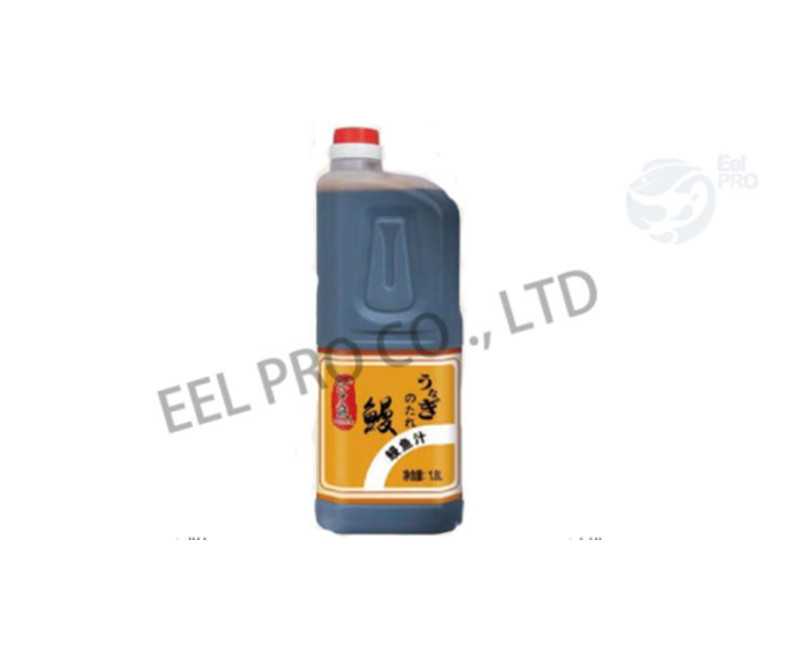
A standard foodservice size from a producer like Eelpro is a 2‑liter PET jug or a 20‑liter bag‑in‑box. The bag‑in‑box format is a quiet hero: it collapses as you dispense, so the sauce never sees air until it hits the bowl. That means the last drop tastes as rich as the first, even 8 weeks after opening. Retail glass bottles just can’t promise that. Bulk packs keep fermentation under control and preserve the umami‑forward balance of soy, mirin, and reduced eel stock.
Cost matters, but so does the ability to customize. Many chefs want to doctor the base tare – add a splash of sake, some grated ginger, maybe yuzu zest for a summer menu. Foodservice recipes are built for that. They’re less sweet, more savory, almost like a mother sauce. Retail? Adjusting a small bottle usually ruins the ratio. With a 2‑liter jug, you can experiment without fear.

We tend to overlook unagi sauce packaging until a bottle explodes in a hot delivery truck. The container isn’t just a shell; it directly affects shelf life, shelf‑ready application, and whether the sauce arrives tasting like it should.
Retail bottles – upright glass or PET, 200–300 ml – are designed to sit pretty on a shelf. The neck is narrow, so you need to shake the bottle like a stubborn ketchup to get the last bit out. Seals are simple induction liners. Once opened, air sneaks in every time you squeeze or pour. Over a month, the top layer of the sauce can oxidize and turn slightly sour. It’s a small problem at home. For a restaurant, that waste shows up in the ledger.
Bulk unagi sauce comes in wide‑mouth jugs or tap‑equipped bag‑in‑box systems. The key difference is oxygen‑free dispense. In professional kitchens, the bag sits inside a cardboard box with a built‑in tap. Cooks press a button or turn a nozzle and out comes exactly the amount needed. No spoon, no mess. The sauce inside remains sealed until it exits. This format can hold quality for 4 to 6 months unopened and up to 12 weeks after opening when kept at room temperature in a dry pantry. That’s a huge window compared to retail’s 3‑week fridge life.
If you’re sourcing unagi sauce local suppliers, ask them directly about bag‑in‑box availability. Many smaller wholesalers only re‑pack from bigger containers. That re‑packing exposes the sauce to air twice, and you’ll taste the difference.
When a restaurant owner types “Japanese eel sauce wholesale” into a search bar, they’re usually after two things: traceable origins and predictable supply. The best tare starts with wild‑caught or sustainably farmed eel bones that are simmered for hours with soy sauce, mirin, sake, and raw sugar. A lot of the wholesale options on marketplaces are actually repackaged retail sauces. The giveaway? The ingredient list says “eel extract” or “bonito extract” instead of “eel bone stock.”
Eelpro’s kabayaki sauce is made from the same stock used to baste our unagi while it grills. That matters because the sauce picks up those caramelized, slightly smoky notes during the reduction process. It’s not just mixed together cold. Wholesale buyers can order in tiers: test with a 2‑liter jug, then move to 20‑liter bag‑in‑box once you’re confident it works on your menu. No long‑term contract, no 50‑gallon minimum. That kind of flexibility is rare in Japanese foodservice imports.
You might wonder, can’t I just find unagi sauce local suppliers who carry this same product? Sometimes yes. But many local distributors add a middleman markup of 30–50%. Direct sourcing from a producer cuts that out, and you’re getting a fresher batch – often shipped right after production rather than sitting in a warehouse for 6 months. If “near me” means “near me faster,” direct air freight from a reliable exporter can arrive at your door just as quickly as a local truck.
Here’s the twist that catches many first‑time buyers. In Japan, unagi tare is a living thing. Restaurants keep a master pot that can be decades old, adding fresh soy and mirin daily. Bottled versions sold overseas? A lot are simply flavored corn syrup with hydrolyzed vegetable protein to fake the body. The clue is in the nutrition label: if you see “glucose‑fructose syrup” as the first or second ingredient, you’re buying a glaze, not a tare.
Real eel sauce should list soy sauce (water, soybeans, wheat, salt) first, followed by sugar or mirin, then something like eel extract or bonito broth. It should have a deep, almost mahogany color when pooled on a white plate, and it should coat the back of a spoon slowly, like warm honey. If it runs off clean like water, don’t bother. Another killjoy: some “eel sauces” add xanthan gum to mimic the cling. That’s a texture fix, not a flavor foundation. The real secret weapon, like the one we produce at Eelpro, relies on the gelatin and collagen released from eel bones during long simmering. No gums, no shortcuts.
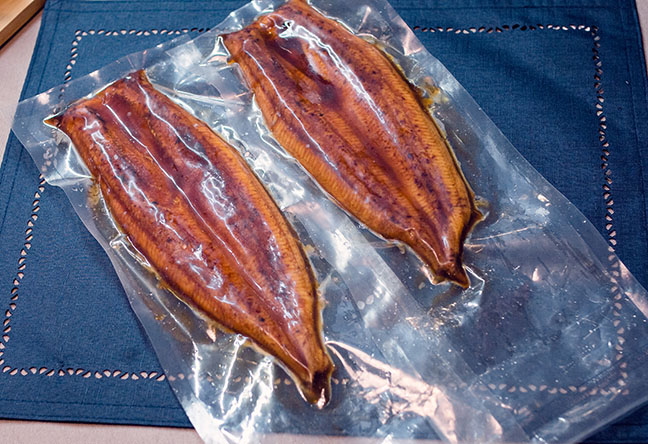
Many restaurant supply stores in metro areas stock a few bottles of “unagi sauce,” but actual foodservice‑grade tare is still rare in regional outlets. Your best bet: search for “Japanese eel sauce wholesale” online, then verify the pack size, ingredient list, and whether the supplier can ship directly from the producer. If you value freshness and cost control, working with a direct exporter like Eelpro often beats local third‑party distributors. We ship to commercial addresses, and you can start with a small trial order of our frozen unagi kabayaki and matching sauce to test the quality.
Retail sauce comes in 200–300 ml glass or PET bottles, formulated for easy pouring and longer home fridge life, but it often sacrifices viscosity and umami depth. Foodservice unagi sauce arrives in 2‑liter jugs or 20‑liter bag‑in‑box containers, with minimal air exposure and a thicker, more adaptable base. Retail is sweet and thin; foodservice is savory, rich, and built for reduction over high heat. If you’re planning to use the sauce under a broiler or on a grill, foodservice packs are the only way to get that shiny, lacquered finish.
Start by calculating your monthly volume. If you serve 30 unagi don a day at 30 ml of sauce per bowl, you need about 27 liters a month. Then look at packaging: bag‑in‑box is ideal for speed and hygiene. Check the ingredient statement – soy sauce or tamari should be first, followed by real mirin and eel bone stock. Avoid gums and unnecessary sweeteners. Finally, ask if the supplier provides a cold chain or ambient shipment option. Unagi sauce is shelf‑stable unopened, but extreme heat during transport can degrade flavor. A reputable producer will know the optimal shipping method for your location.
Sometimes the closest bottle isn’t the best. The phrase “unagi sauce near me” is a starting point, not a finish line. If you’re a home cook who wants one killer unadon, a quality retail bottle might satisfy. But if you’re serving customers, running a food truck, or just obsessed with getting that exact Tokyo street‑stall glaze, you need a foodservice pack with honest ingredients and a packaging system that preserves the sauce from first drop to last. That’s where Eelpro fits. We ship authentic, bone‑simmered unagi tare in professional‑grade jugs and bag‑in‑box formats – directly from our production line to your doorstep.
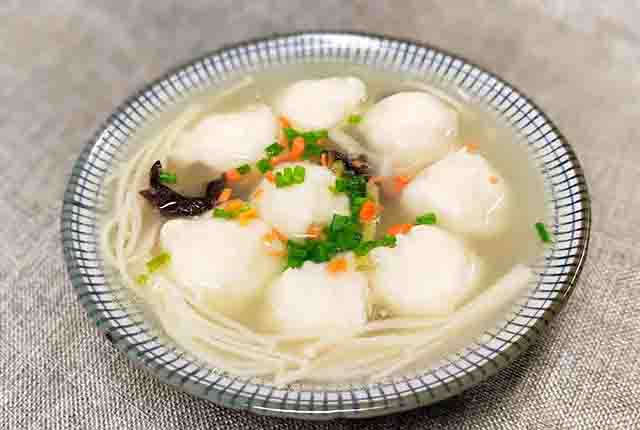
No middlemen, no repacked mystery sauce. Ready to taste the difference? Explore our eel sauce product page for bulk specs, or check out our eel noodle soup recipe if you need inspiration tonight. Got a burning question about storage or customizing your tare? Drop a comment below – I read every one, and I’ll share more kitchen hacks right here.


 WhatsApp
 sales@chinaeels.com
 +8619937922411