





The first time you watch an unagi master baste and flip fillets over glowing binchotan charcoal, you might think that's the whole story of eel bbq. It's not. Grill sessions across four continents prove this fish has way more to say than just tare and rice. Let's walk through smoke-filled markets, riverside fire pits, and sizzling street carts to meet the true global appetite for eel barbecue.

Japan's unagi barbecue culture is polished, ritualistic, and deeply regional. Tokyo (Edo-mae style) steams the eel before grilling, which makes the flesh collapse-tender. Osaka (Kansai style) goes straight to the flame, keeping the skin crackling and the fat inside molten. Both depend on the same thing: a good brush of tare.
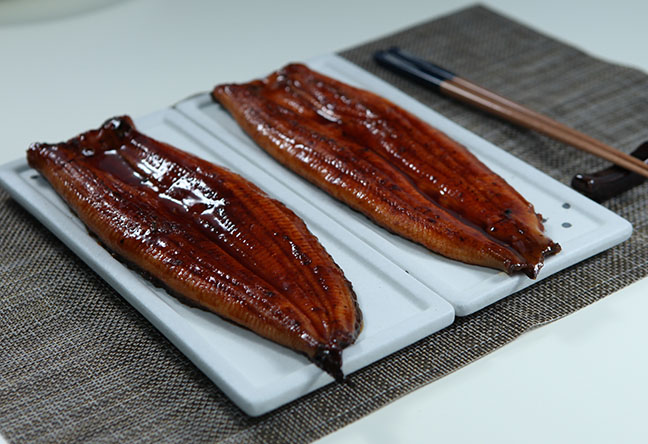
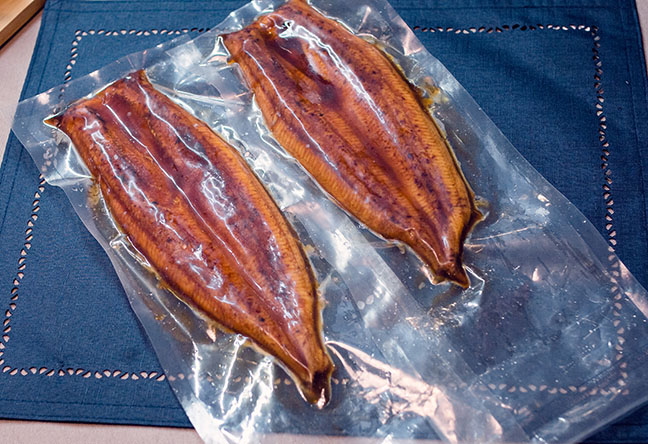
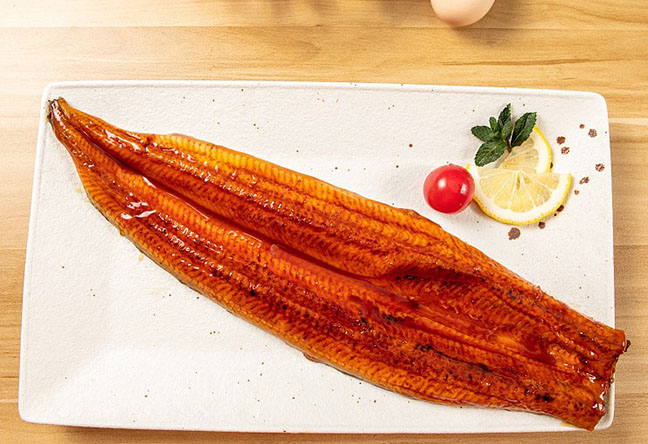
That tare—soy, mirin, sugar, slowly reduced—is the heartbeat. A master bastes three times, letting each layer caramelize into a glossy shield. We've seen chefs who refuse to serve eel unless that glaze sounds like tearing silk against the grill. At Eelpro, our frozen unagi kabayaki captures exactly this layered sweetness, with pre-basted fillets that need only a quick reheat. The sauce matters so much we wrote a whole piece on why our kabayaki sauce is the secret weapon.
Cold fact: authentic eel grilling demands real charcoal. Infrared or gas just can't replicate the 500°F (260°C) radiant heat that locks the skin instantly. And here's a pitfall: if the knife work is sloppy, the tiny pin-bones ruin everything. The best Japanese grilled eel is deboned by hand—look for fillets with no visible bone fragments and a caramel shine that's mirror-bright rather than sticky-dull. That's the difference between a festival treat and a factory slab.
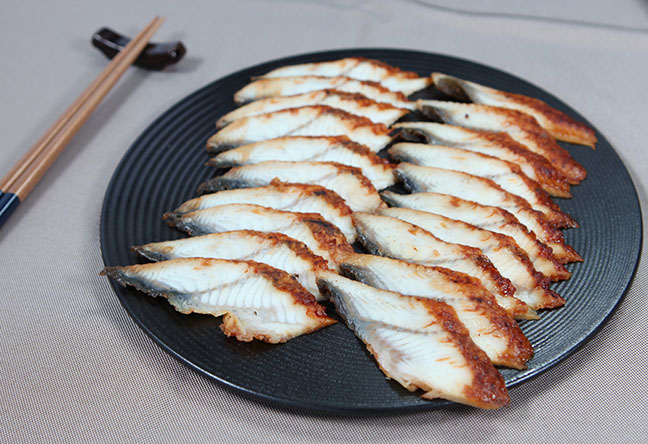
Walk into a Korean jangeo dive and you'll forget polite bowls of rice. Here, freshwater eel gets thrown onto an iron grate right at your table. The regional eel grilling method leans hard on two seasonals: salt (sogeum-gui) or a spicy gochujang marinade (yangnyeom-gui). The eel is sliced into spine-arched strips, grilled violently fast, then snipped into bite-sized pieces with scissors.
What hits you first is the smoke. Korean eel barbecue rides on high-heat charcoal that chars the skin within 90 seconds. The fillet curves like a crescent moon, the fat dripping and flaring. Wrap a piece in sesame leaf, add raw garlic and ssamjang, and the richness gets cut by an almost medicinal freshness. This is eel served with metal chopsticks, soju, and zero patience for under-seasoning.
Watch out for: farmed eel can be mushy if the water temperature wasn't controlled. Good Korean grilled eel has a snappy, elastic texture. Press the flesh with your chopstick; it should bounce back, not leave a dent.

Italy's "anguilla alla griglia" is eel barbecue traditions at their most elemental. Fishermen in Comacchio, a lagoon town near Venice, skewer whole eels split open and grill them over vine wood. The marinade is nothing but salt, pepper, olive oil, and maybe some wild bay leaves. That's it.
In Spain, angulas (baby eel) are too precious for the grill, but grown freshwater eel often gets a similar searing treatment, served chirping-hot with lemon wedges. The smoke here is gentler, the oil fruity. No sweet glaze. No rice. You taste the water the eel lived in, filtered through char and lemon juice.
Why it works: European eel carries a fat content around 18%, which renders into a crackling self-basting layer. You don't need sauce when the flesh is its own butter.
Different eel BBQ serving styles spring up along street markets from Bangkok to Jakarta. In Indonesia, "belut panggang" are small rice-paddy eels marinated in kecap manis (sweet soy), threaded onto bamboo skewers, and grilled over coconut husks. The sugar blackens into brittle toffee streaks while the meat stays bouncy.
Northern Thailand grills eel with a paste of lemongrass, galangal, and shrimp paste, wrapping the parcel in banana leaf for the first few minutes to steam inside before hitting open flame. The result is a two-texture experience: soft, herb-steamed flesh hidden under a dry-rub crust. Vietnam's "lươn nướng" often shows up with rice paper, green mango, and a dipping sauce built from lime, fish sauce, and bird's-eye chili. It's loud, it's messy, and it's perfect with a cold beer.
Serving tip: almost every Southeast Asian variation arrives with fresh herbs—mint, basil, sawtooth coriander. The herbs are not garnish. They're half the dish, balancing the fatty eel.
So why is eel bbq such a universal impulse? Because eel is built for open flame. That high fat, low connective tissue combo means it doesn't dry out the way lean fish does. The skin gelatinizes into a thin armour, while the subcutaneous fat melts inward. In chemical terms, the Maillard reaction goes wild on eel's natural sugars and amino acids. You get a deep umami crust even before seasoning gets involved.
In our experience shipping frozen eel to buyers worldwide, we notice the same pattern: places with long river traditions and festival cooking almost always develop a grilled eel specialty. It's fast. It's dramatic. And when the fat drips and the smoke curls, it pulls a crowd. For any importer or distributor thinking about offering eel, that crowd is already there—they just need the right frozen unagi or freshwater eel to serve it. Our eel sauce complements those traditions without overpowering them, whether you're preparing Japanese-style kabayaki or experimenting with your own local BBQ recipe.
In Japan, grilled eel is laid over rice as unadon or served in lacquered boxes (unaju) with a drizzle of tare. Korea pairs eel bbq with perilla leaves, raw garlic, and ssamjang, often eaten communally off a tabletop grill. Italy plates it simply with lemon and olive oil, while Southeast Asia slides grilled eel onto skewers with sambal or into rice-paper rolls. Each region builds its serving custom around balancing eel's richness with acidity, herbs, or spice.
Japan and Korea are the heavyweights of eel barbecue traditions. Japan's unagi culture is centuries old, with dedicated restaurants and seasonal festivals. Korea's jangeo-gui is a beloved anju (drinking food), thriving in casual BBQ joints. Italy and Spain have deep but localized grilled eel customs, especially in lagoon and river-delta areas. Across Indonesia, Thailand, and Vietnam, grilled eel is a market staple, often linked to rice farming and street food.
Eel's fatty, tender flesh makes it almost designed for the grill. The fat bastes the meat from the inside, preventing dryness, while the skin crisps into a savory shell. There is also a cultural element: eels are plentiful in rivers and rice paddies, making them accessible where charcoal grilling is common. The dramatic flair of grilling—flames, smoke, sizzle—turns eel into a centerpiece at gatherings worldwide.
So much of these eel BBQ serving styles depends on getting the raw material right. A frozen unagi fillet that was expertly deboned, basted, and broiled at its peak can transport you to a Tokyo alleyway or a Korean night market faster than you'd think. We've seen chefs take our frozen unagi kabayaki and finish it over tabletop charcoal, adding a layer of smoke that the factory could never fully replicate. Suddenly it's not just dinner—it's a ritual.
Want to play with other formats? Our eel noodle soup recipe shows how grilled eel can leap into a hot broth without losing texture. Or if you're still chasing that sticky, umami-packed glaze, the eel sauce product page walks you through the real stuff—brewed, not thickened with cornstarch. Share your own grilled eel stories below. Have you tried jangeo-gui in a snowy Seoul tent bar, or maybe a peppery anguilla on the Po River? Drop a comment. We're always learning from people who know their flame.



 WhatsApp
 sales@chinaeels.com
 +8619937922411