





That sharp, needle‑thin spike jabbing into your gum. The frantic cough, the bread‑ball trick that never works. We’ve all been ambushed by a tiny fish bone. So when people ask, "what fish don't have bones?", they’re really asking: which fish let me eat without flinching? The short answer: no fish is completely boneless, but plenty deliver that silky, melt‑in‑your‑mouth experience. Let’s slice through the confusion.

Every fish species has an internal skeleton—it’s what makes them vertebrates. However, the style of that skeleton changes everything. Sharks and rays have cartilage instead of hard bone, but even they’re not practical for a bone‑free dinner. What we actually crave are fish fillets without bones, or at least species with so few intramuscular bones that you barely notice them.
Chefs and seafood processors obsess over two things: the pin bone (those sneaky fine spines lodged along the lateral line) and the intermuscular bones (tiny floating ribs often found in freshwater carp or herring). When you buy “boneless fish” at a grocery or from a B2B exporter, you’re buying a fillet where those structures have been physically removed—or the species naturally has almost none.
Some fish practically invented the boneless fillet category. These are the workhorses of busy kitchens and family dinners. Our export team sees a steady demand for these species precisely because they’re so hassle‑free.
Atlantic salmon fillets are the poster child of boneless fish. When professionally trimmed, the pin bones are yanked out with fish‑bone tweezers, leaving a clean slab. Salmon does have a row of pin bones, but modern processing lines use a V‑cut technique that removes them with the strip of darker fat. The result? A fillet that’s safe for kids and elegant enough for gravlax. We always advise buyers: check the belly flap edge—if it’s smooth, the pin bone removal was done right.
Atlantic cod and Alaska pollock have incredibly low intermuscular bone counts. Their flesh is made of large, flaking myotomes with virtually no floating spines. That’s why you see them in fish sticks and surimi. A well‑cut cod loin is about as close to naturally deboned seafood as you’ll get. Fun fact: a 6‑kg cod yields 4 pristine, bone‑free loins if the cutter knows the angle of the vertical ribs.
Tilapia farmed in raceways and basa from the Mekong Delta are both fish with few bones. Their rib cages are compact, and the fillet shape makes mechanical pin‑boning extremely efficient. When you see imported frozen tilapia fillets, they often undergo X‑ray inspection at the processing plant—machines detect any calcified fragment thicker than 2 mm and flag it. That’s the kind of tech we respect.
Then there are the species that nature designed with almost no intramuscular bones. Monkhfish tail? One central cartilage rod. Swordfish steak? A single cartilage arc in the center. These are true “steak fish” and you can eat right off the cut without worrying about strays. Even sea bass and red mullet are famous for being fish with few bones—a quick run of your fingertip over the raw fillet reveals any pin bone, and out it comes with a pair of tweezers. In Japanese cuisine, kisu (sillago) and aji (horse mackerel) are often served as tataki or sashimi because their rib structure makes them a breeze to debone.

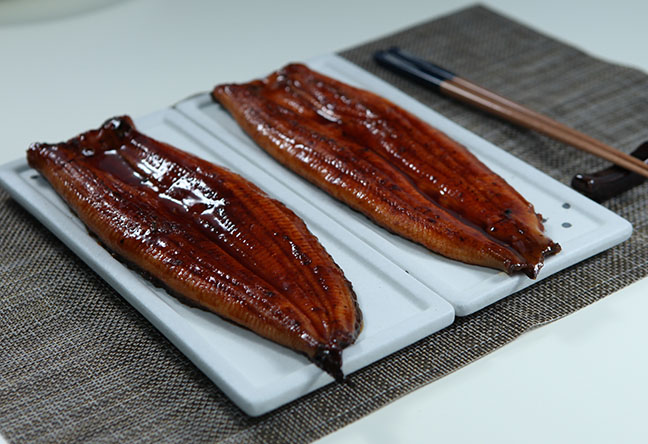
The term deboned seafood covers everything from hand‑processed wild catch to factory‑line aquacultured fillets. How exactly is a whole fish turned into a guaranteed boneless fillet? The answer depends on the species and the destination market’s standards. For European Union exports, every batch of deboned unagi kabayaki we ship must pass a metal‑detector calibration test using a 2.5 mm Fe sphere. That’s not a suggestion—it’s mandatory.
Mechanical deboning uses water‑jet cutters or vibrating blade arrays for species like tilapia, but for premium products, nothing beats the human hand. We’ve trained dozens of deboning artisans who work under 4,000‑lux cold‑white light. That brightness makes translucent pin bones glow like little glass splinters. They use surgical‑grade stainless tweezers and can debone an entire 200‑gram eel fillet in under 90 seconds. Every bone, every time.
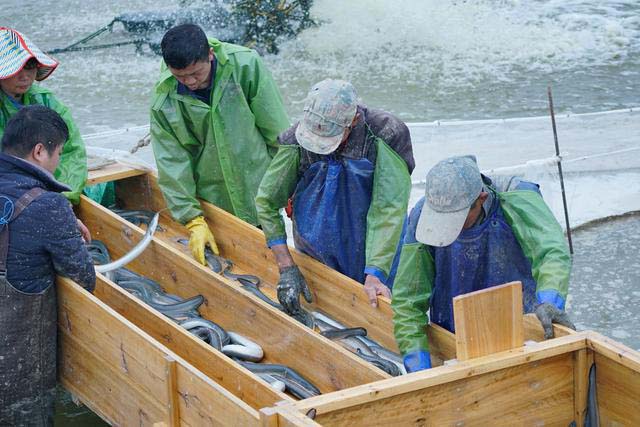
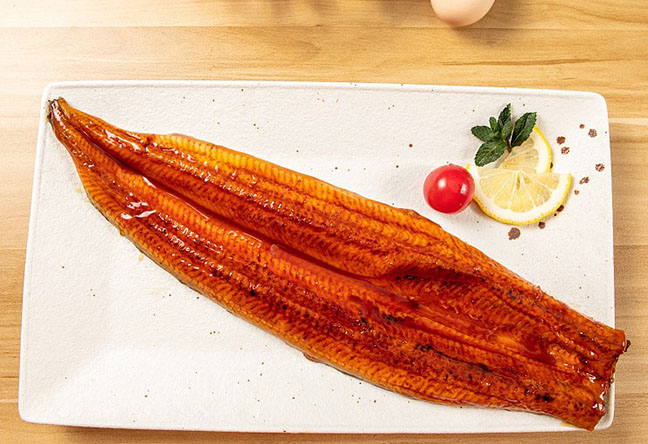
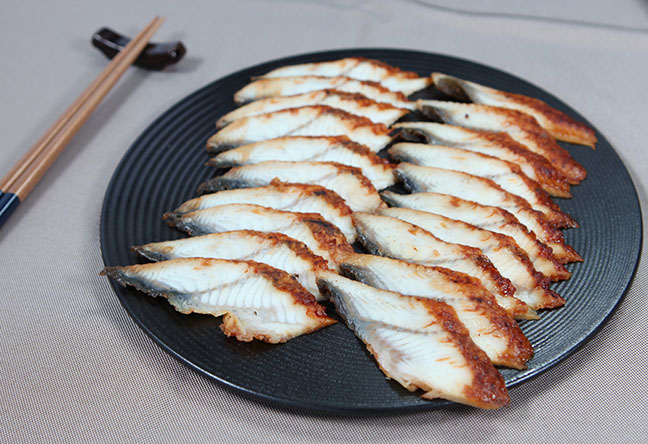
Freshwater eel (Anguilla japonica) is loaded with fine, hair‑like bones. You’d never enjoy it unless someone took the time. That’s why unagi deboning is a craft passed down for generations. At our facilities, the eel is first filleted live, skewered, and grilled once to set the skin. Then the tedious part begins: artisans slide the flat of a small knife against the grain to locate each bone, pluck it with tweezers, and smooth the surface by hand. Only after that does the fillet get its glossy coat of eel sauce. The result is a completely boneless piece of unagi kabayaki that softens over rice and doesn’t hide a single surprise.
We’ve written an entire breakdown on why our kabayaki sauce turns a good fillet into a great one. And if you’re after comfort in a bowl, take a look at our step‑by‑step eel recipes—the noodle soup is a cold‑weather knockout.
Export‑grade boneless seafood isn’t just about the initial deboning. It’s about the entire chilling chain. Post‑deboning, fillets must hit -18°C core temperature within 4 hours. Rapid freezing locks cellular structure so that if a micro‑bone was missed, it becomes brittle and detectable. We run every pallet through a multi‑frequency metal detector and also deploy manual candling on a 10% random sample—a light table that reveals bone shadows in the opaque flesh. In the past year, our bone‑complaint rate was 0.002%. That’s 1 returned fillet per 50,000 shipped.
But the real proof is on the plate. Next time you heat a piece of our unagi kabayaki, notice how the flesh yields under your chopsticks. No resistance, no creaking. That’s how we answer what fish don't have bones—with a fillet so smooth you’ll forget the question was ever asked.
Large, flaky marine fish like cod, haddock, and salmon are easiest because they have a simple pin‑bone row that’s quickly removed. Meanwhile, carefully deboned eel like our unagi kabayaki is the ultimate in convenience: zero bones, rich flavor, heat‑and‑serve ready.
Cartilaginous fish (sharks, skates) have soft skeletal structures, but they’re not typical table fare. Among bony fish, mahi‑mahi, swordfish, and some flatfish like halibut have extremely low intermuscular bone counts. In the freshwater category, properly processed eel fillets stand out—when deboned, they’re as smooth as a tenderloin.
It depends on the species and volume. For high‑value eel, the entire process is manual: live filleting, first grill, hand‑debonding under intense light, second grill with sauce. For species like tilapia, mechanical pin‑bone pullers do the lifting, followed by X‑ray or metal‑detection checks. Export‑grade deboned seafood always passes double‑sensor inspection to meet international food safety standards.
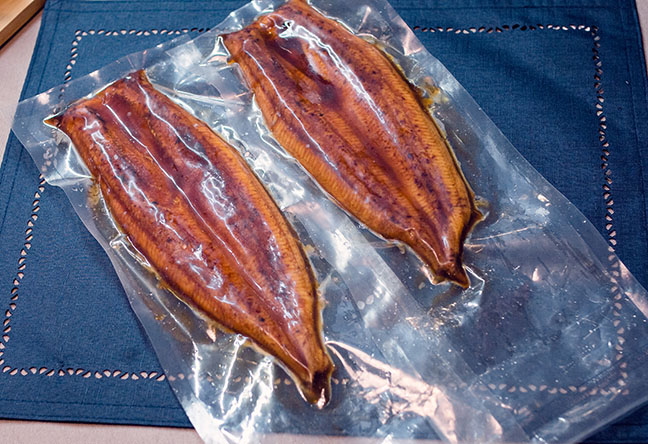
Looking back, the real question behind what fish don't have bones is the longing for stress‑free, pure enjoyment. Whether you go for a buttery salmon slab or a perfectly lacquered eel fillet, the answer always circles back to expert processing. At Eelpro, we’ve spent over a decade perfecting the boneless unagi experience. Our unagi kabayaki is vacuum‑sealed, flash‑frozen, and ready to transport that same restaurant‑quality melt to your kitchen. Pair it with our eel sauce, warm up a bowl of rice, and treat yourself to a meal where the only thing you’ll catch is a smile. Curious about more ways to enjoy eel? Browse our eel recipes and find your next favorite dish.



 WhatsApp
 sales@chinaeels.com
 +8619937922411