





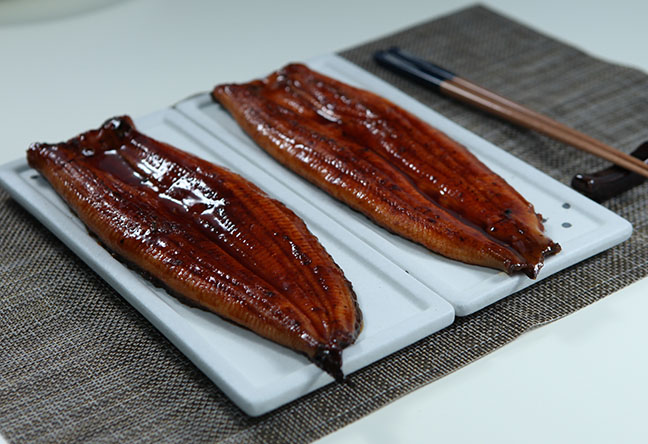
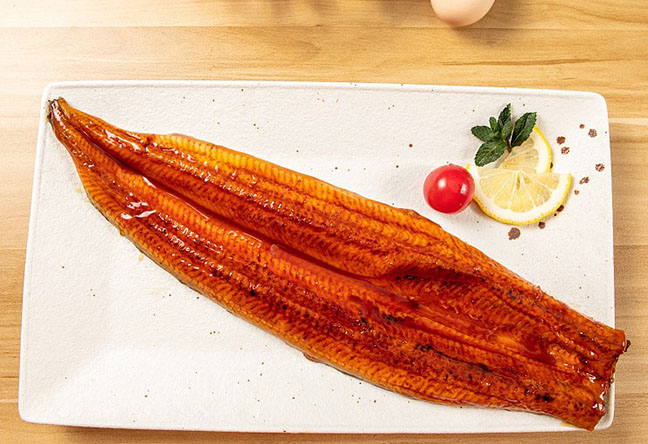
A glossy fillet reaches the plate, carrying the aroma of soy, caramelized sugar, and gentle smoke. For chefs, foodservice buyers, and importers, the question is simple: will diners find it satisfying or too rich? Understanding broiled eel makes it easier to develop balanced, appealing menu items with confidence.

Broiled eel is closely associated with unagi don, the Japanese rice bowl topped with sweet-savory glazed eel. Yet that classic preparation is only one option. The same prepared eel fits naturally into sushi rolls, noodle soups, bao, sandwiches, rice paper wraps, salads, and shareable small plates.
Its appeal lies in the contrast. The flesh is rich yet tender, while the glaze can lean sweet, salty, smoky, or lightly spicy. Steamed rice offers a neutral, comforting base. Pickles, scallions, shiso, chili, and citrus bring brightness and keep the dish from feeling too heavy.
For menu developers, eel adapts well to several formats:
Portion control matters. Because the fillet is naturally rich, it does not need to dominate the plate. A serving of 80–120 grams can give a rice bowl a satisfying centerpiece without overwhelming the other ingredients.
The familiar broiled eel flavor combines natural richness with a dark, sweet-savory sauce. The fish itself is mild and, when properly handled and cooked, should not taste sharply fishy. Its flavor is soft, rounded, faintly earthy, and remarkably versatile.
Freshwater eel contains more natural fat than many lean white fish. As it broils, that fat softens the flesh and carries aroma across the palate. Diners often notice a gentle sweetness, a buttery mouthfeel, and a clean finish in a well-prepared fillet.
That richness explains why eel works so well with plain rice. Rice absorbs the sauce and fat, making each bite feel more balanced. From there, chefs can change the direction of the dish with garnishes rather than altering the main protein.
Kabayaki sauce typically combines soy sauce, sugar, mirin, and cooking wine. Formulas vary, but the finished sauce often brings notes of caramel, toasted grain, salt, and light smoke. When brushed onto the fillet during broiling, it forms a glossy coating with a concentrated roasted aroma.
For a closer look at sauce formulation and its effect on the finished dish, see our article on kabayaki sauce.
A practical menu-development test is to taste the fish in three stages:
This approach quickly shows whether a recipe relies too heavily on sweetness. If the glaze masks every other note, reduce the sauce or introduce acidity with rice vinegar pickles, yuzu, lemon, or ginger.
The unagi flavor profile starts before the first bite. Warm sauce releases aromas of soy, roasted sugar, and cooked grain. A lightly broiled surface adds a toasted edge, especially when the fillet is reheated under a salamander, grill, or high-heat oven.
There is also a mild marine aroma, but it should never smell sour, sharp, or ammonia-like. Those odors are warning signs. After thawing and reheating, a quality product should smell clean, warm, and savory.
On the first bite, the sauce arrives first, followed by the tenderness and richness of the flesh. The finish is often mildly sweet with a lingering savory note. Fresh herbs, citrus zest, chili, and pickled vegetables work particularly well because they cut through the richness without competing with it.
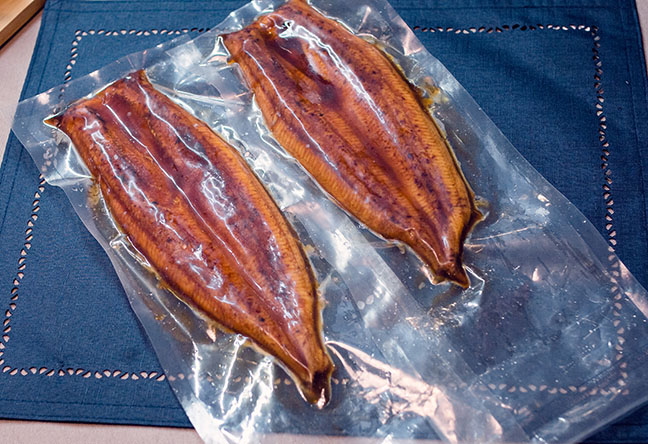
Reheating has a direct effect on both aroma and flavor. Too much heat can dry the surface, burn the sugar in the sauce, and create a bitter finish. With frozen unagi kabayaki, gentle reheating is usually the most reliable starting point.
For a foodservice test, compare these methods:
Start with 160–180°C for about 5–8 minutes in a preheated oven, depending on portion thickness and whether the product is thawed. Always confirm the product specification and local food-safety requirements before finalizing a kitchen procedure.
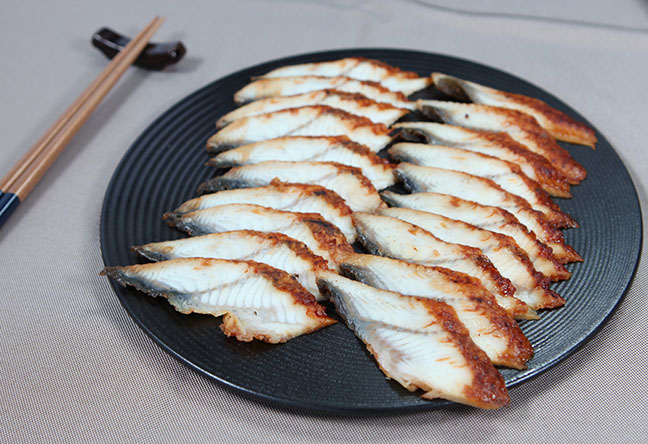
Eel texture is central to its appeal. When cooked correctly, the flesh is tender enough to separate with chopsticks or a fork. It feels moist and gently yielding, rather than flaky and dry like many lean fish.
The surface can be lightly firm from broiling and sauce caramelization. Beneath that glazed exterior, the meat should remain delicate and succulent. This contrast gives the dish its character: a seasoned, glossy surface followed by soft, rich flesh.
Thin pieces heat quickly and can lose moisture if held too long. Thicker portions stay more succulent but need additional time to warm evenly. In a high-volume restaurant, consistency is essential. Test fillets by weight, thickness, and cooking method rather than relying on the clock alone.
Once reheated, hold the product for no longer than necessary. Extended hot holding can tighten the flesh and turn the glaze overly sticky. If the menu requires advance preparation, use smaller batches and replenish them frequently.
Dryness often comes from excessive heat, repeated reheating, or holding fillets in an uncovered pan. Mushiness may result from excess moisture, poor thawing, or over-steaming. Thaw under refrigeration whenever possible, drain excess liquid, and use a tray that allows heat to circulate.
Do not judge the texture while the product is still cold. A chilled fillet can seem firmer than it will at service. Taste it at the intended serving temperature, with the actual sauce and side dishes used on the plate.

Prepared eel can reduce kitchen labor because the main cooking process has already been completed. For importers and foodservice buyers, the key considerations are portion size, packing format, sauce coverage, thawing instructions, and consistency between lots.
Frozen unagi kabayaki is especially practical for menus that need speed during service. The kitchen can portion the product, reheat it, add a garnish, and serve it without cleaning or filleting whole fish during the dinner rush. Review the unagi kabayaki product range when comparing formats for restaurants, wholesalers, and retail foodservice.
For Japanese dishes, serve a classic rice bowl with sansho pepper, shredded nori, and pickled ginger. On Korean-inspired menus, add sliced eel to rice with kimchi, cucumber, and sesame. A Vietnamese-style bowl can include herbs, rice noodles, crushed peanuts, and a bright lime dressing.
Italian-style applications call for a lighter touch. Place a small amount over creamy polenta or grilled bread, then finish with lemon zest and parsley. For tacos, balance the glaze with cabbage, lime, and a sharp chili relish. In sandwiches, use less sauce and add crisp lettuce or cucumber for contrast.
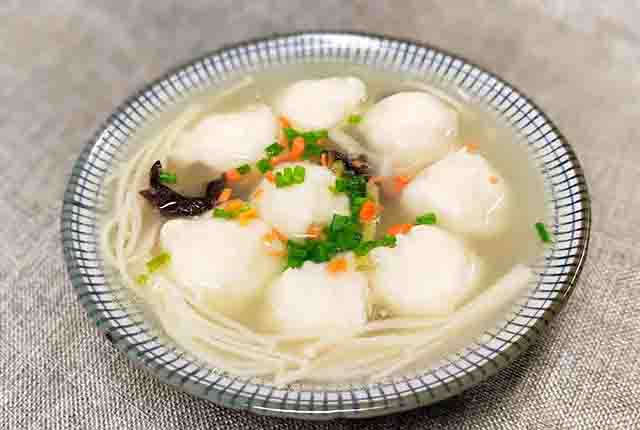
For a warming noodle application, review these eel recipes. Broth softens the sweetness of the glaze and lets the fish pair well with mushrooms, greens, noodles, and aromatics.
When considering what flavors pair with broiled eel, focus on four useful groups: acidity, freshness, heat, and bitterness. Each one helps prevent a rich portion from becoming one-dimensional.
Sweet ingredients can also work, but they need restraint. Mango, roasted squash, and sweet corn may complement eel, while an overly sugary barbecue sauce can make the whole dish feel heavy.
Before placing a larger order, request product specifications and test the eel in the exact format used for service. A sample that tastes excellent on its own may need a different sauce level when paired with rice or noodles.
Check these points:
Buyer tip: Create a simple tasting sheet with scores from 1 to 5 for aroma, sweetness, saltiness, tenderness, surface finish, and aftertaste. Have three people taste the same portion at the same temperature. This produces a more useful supplier comparison than relying on memory.
Cold fact: Eel fat does more than add richness; it also carries sauce aroma. That is why a small amount of glaze can taste more pronounced on eel than it does on a lean fish.
Avoid this mistake: Do not cover the fillet in sauce before tasting the base product. A heavy glaze can hide dryness, excessive salt, or an unwanted odor. Evaluate the fish first, then decide how much sauce the menu actually needs.
It typically tastes mild, rich, and slightly sweet, with a soft savory character. Finished with kabayaki sauce, it develops notes of soy, caramel, toasted sugar, and light smoke. Properly handled eel should not have a sharp or unpleasant fishy odor.
It is best described as tender, moist, yielding, and gently rich. The surface may be lightly firm or sticky from the glaze, while the interior should separate easily with a fork. It is softer and fattier than many lean white fish, but it should not feel watery or mushy.
Acidic, fresh, spicy, and lightly bitter flavors are excellent matches. Try pickled ginger, yuzu, lemon, scallion, cucumber, sansho pepper, chili, shiso, nori, sesame, or charred greens. These ingredients provide contrast to the rich fish and sweet-savory sauce.
Yes, prepared eel can suit high-volume service when portion size, thawing, reheating, and holding procedures are controlled. Test the product in the actual kitchen, establish a clear reheating time, and avoid prolonged hot holding.
An 80–120 gram portion works well for many rice bowls and plated dishes. Smaller portions can suit sushi, appetizers, and fusion applications. The ideal amount depends on side dishes, sauce intensity, menu price, and the target customer.
A well-designed eel dish starts with the sensory details: a clean aroma, tender flesh, balanced sauce, and a portion that suits the rest of the plate. Eelpro Co., LTD supplies frozen unagi kabayaki, eel sauce, freshwater eels, and frozen seafood for overseas buyers seeking practical menu solutions.
Explore our eel sauce products, compare prepared eel formats, and test your preferred combination with rice, noodles, vegetables, or regional seasonings. What is your favorite way to serve eel? Share your menu idea or pairing in the comments, and keep exploring Eelpro’s recipe and sourcing guides.



 WhatsApp
 sales@chinaeels.com
 +8619937922411