





You take a bite of glossy, glazed unagi kabayaki. The sauce is perfect, the texture sublime. Then—crunch—a needle-like sliver. It’s a bone. That tiny surprise can make anyone freeze. So, do eels have bones? Absolutely. And if you’ve ever wondered what’s inside that silky fillet, knowing the anatomy changes how you buy, cook, and enjoy eel.

Eels are not some boneless, slippery mystery. They are true teleost fish, meaning their skeletons are fully ossified. That’s a fancy way of saying they have real bones, not cartilage. Sharks and rays float through life with flexible cartilage frames; eels carry a rigid spinal column that runs from head to tail.
The eel bone structure includes a long chain of vertebrae—typically 100 to 120 individual bones for an adult freshwater eel—each with attached ribs. So far, so similar to any fish you’ve filleted. But then there’s the curveball: eel pin bones. These are hair-thin, floating intramuscular bones that branch outward from the spine into the dorsal and ventral flesh. In a standard 200-gram fillet, there can be over 40 of these needle-like splinters. They don’t dissolve with normal cooking; they just sit there, waiting to surprise an unlucky diner.
We’ve had chefs tell us the first time they butterflied a raw eel, they were shocked. The delicate white flesh hid a forest of translucent pins. This isn’t a defect—it’s just eel anatomy. The eel skeleton is a marvel of flexibility and strength, allowing the fish to wiggle through mud and current, but it’s the very thing that makes processing a serious craft.

When people ask “do eels have bones,” they usually mean the annoying little ones. Yes, and they’re more abundant than in salmon or trout. A single pin bone can be as thin as a sewing needle but rigid enough to pierce the roof of your mouth. For home cooks, this is the difference between elegant unagi donburi and a stressful dinner.
In our processing experience at Eelpro, we’ve learned that even a single missed bone can undo all the care put into a dish. That’s why export-grade frozen unagi goes through deboning steps that are partly art, partly engineering. The bones are present, but they absolutely do not belong on the final plate.
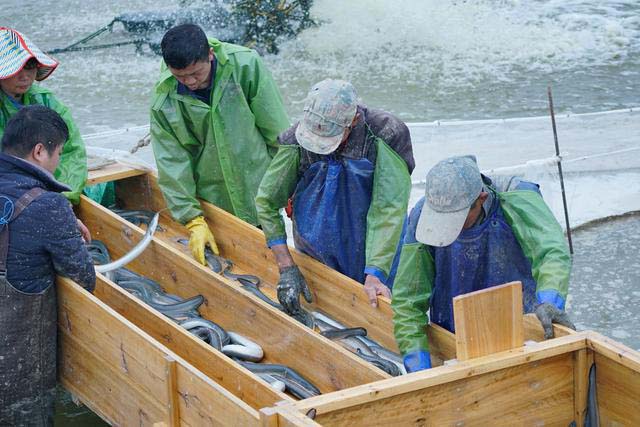
So, are eel bones removed during processing? For any quality commercial product—especially those destined for international buyers—the answer is a decisive yes. It begins as soon as the eel is filleted. Workers trained for years run their fingertips along the flesh, locating the row of pin bones by touch. Using specialized tweezers, they pull each bone out one by one. It’s slow, meticulous work. A skilled worker can debone about 30 kilograms of fillet per hour, but even then, technology lends a hand.
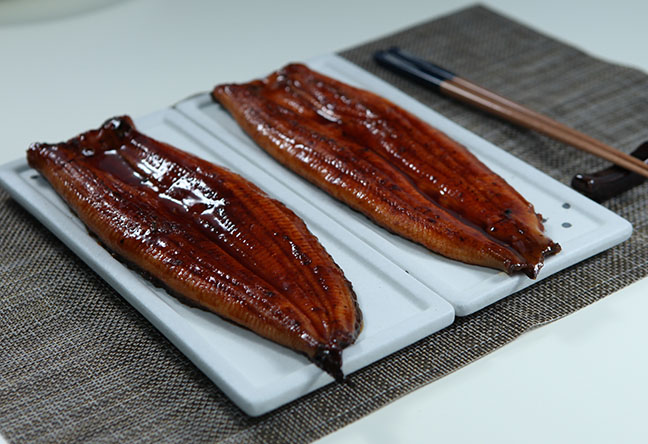
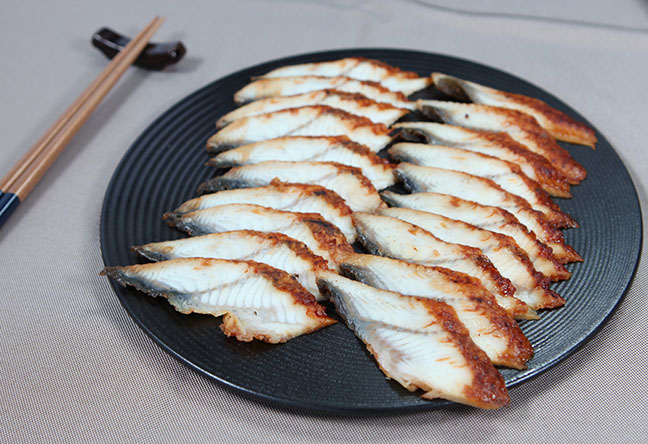
At Eelpro, we pair manual inspection with optical scanning machines that detect the calcium density of any remaining bone fragments. The goal is a boneless eel fillet standard where no more than 2 bones per kilogram slip through. After deboning, the fillets are arranged, skewered, and grilled for products like our unagi kabayaki. The high heat—often exceeding 250°C—and the caramelizing eel sauce (unagi tare) can soften any microscopic remnants, but the heavy lifting is done before the fillet ever hits the flame.
Buyers often ask us: “Is completely boneless really possible?” Yes. But it requires a factory culture that treats pin bone removal as non-negotiable, not an afterthought. That’s how eel bones are handled for export—with a zero-tolerance mindset from receiving to freezing.
If you’re sourcing frozen eel for restaurants, retail, or meal kits, the term boneless eel fillets isn’t marketing fluff. It’s a specification backed by a rigorous process. Here are a few things that matter at the import level:
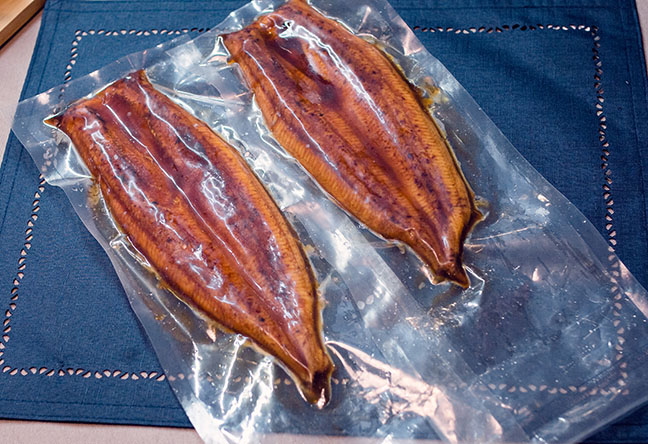
Spec size matters. Our standard frozen unagi kabayaki fillet weighs 200–220 grams, deboned, and vacuum-packed. For buyers who need smaller portions, we can supply 160-gram pieces. Consistent sizing means predictable cooking times—especially when a kitchen has to plate 50 donburi in an hour.
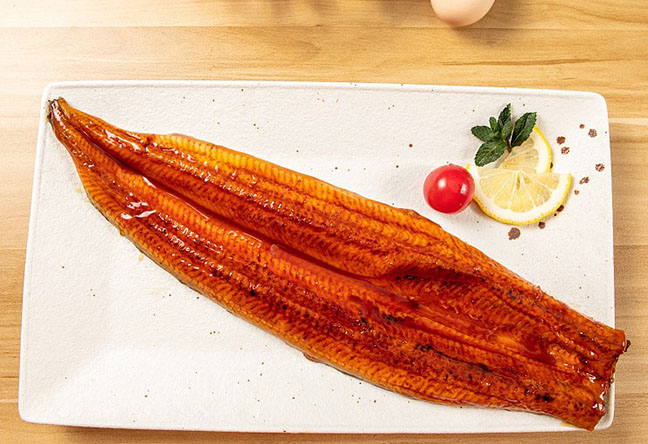
Sauce is part of the bone story. You might not think of the glaze as a processing tool, but it is. The sugars in our kabayaki sauce contribute to a soft, even texture that makes any tiny residual bone less perceptible. It’s a clever bit of food science—and part of why traditional unagi recipes call for multiple layers of tare during grilling. The sauce fills micro-crevices, masking texture differences.
Traceability is non-negotiable. When you buy from Eelpro, every batch is linked to a deboning log. You’ll know the date, the team, and the QC results. In our experience, that transparency builds the trust that keeps partners reordering year after year.
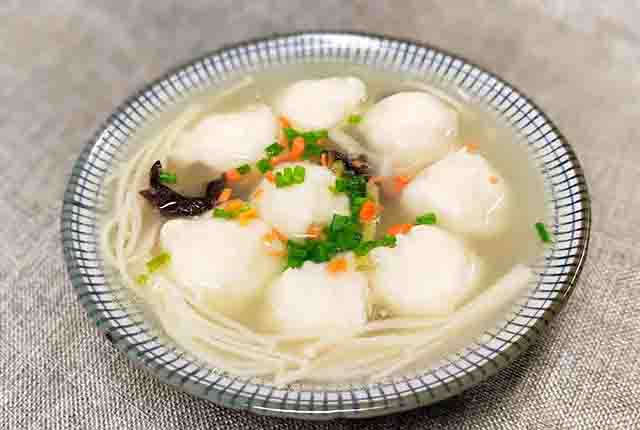
Finally, once you have a perfect boneless fillet, what do you cook? A lot more than just unagi rolls. Try simmering it in a light broth for eel noodle soup—the bones are already gone, so you get pure comfort in every spoonful.
Eels have true bones—a full ossified skeleton—not cartilage. Unlike sharks, which have cartilaginous skeletons, eels belong to the teleost fish group, meaning their spinal column and ribs are calcified and rigid. The confusion often comes from the eel’s slimy, flexible body, but inside it’s all real bone.
Yes. For high-quality frozen unagi kabayaki and other export fillets, pin bones and any rib remnants are removed through a combination of manual deboning and mechanical screening. At Eelpro, our standard ensures that a finished fillet is practically bone-free, with strict limits on permissible bone fragments per kilogram.
Export-oriented processors like Eelpro use a multi-step approach: skilled workers pull visible pin bones with tweezers, optical detection machines scan for missed calcium densities, and final QC teams inspect each fillet on a light table. Conformity to international food safety codes—like HACCP—means every lot is verified before it’s frozen.
Small, soft pin bones in eel are sometimes edible if the fish is deep-fried until crispy, but in a steamed or grilled unagi fillet, they’re unpleasant and pose a choking risk. That’s why boneless preparation is the gold standard. In Japanese cuisine, some rustic dishes do feature fried eel bones as a crunchy snack, but those are deliberately prepared and not something you’d want hiding in your kabayaki.
Eels have bones—plenty of them. The magic isn’t in pretending they don’t exist, but in the craft that removes them so thoroughly you’ll never have to think about it. The next time you tear open a package of frozen unagi, know that the clean, uninterrupted bite is the result of careful anatomy lessons applied on the factory floor. At Eelpro, we’ve spent years perfecting that process. Whether you need bulk frozen unagi kabayaki, a rich eel sauce to complete your dish, or just straight answers about eel quality, we’ve got you covered. Go ahead, plan that menu, and cook with confidence—because now you know exactly what’s (not) inside.


 WhatsApp
 sales@chinaeels.com
 +8619937922411