

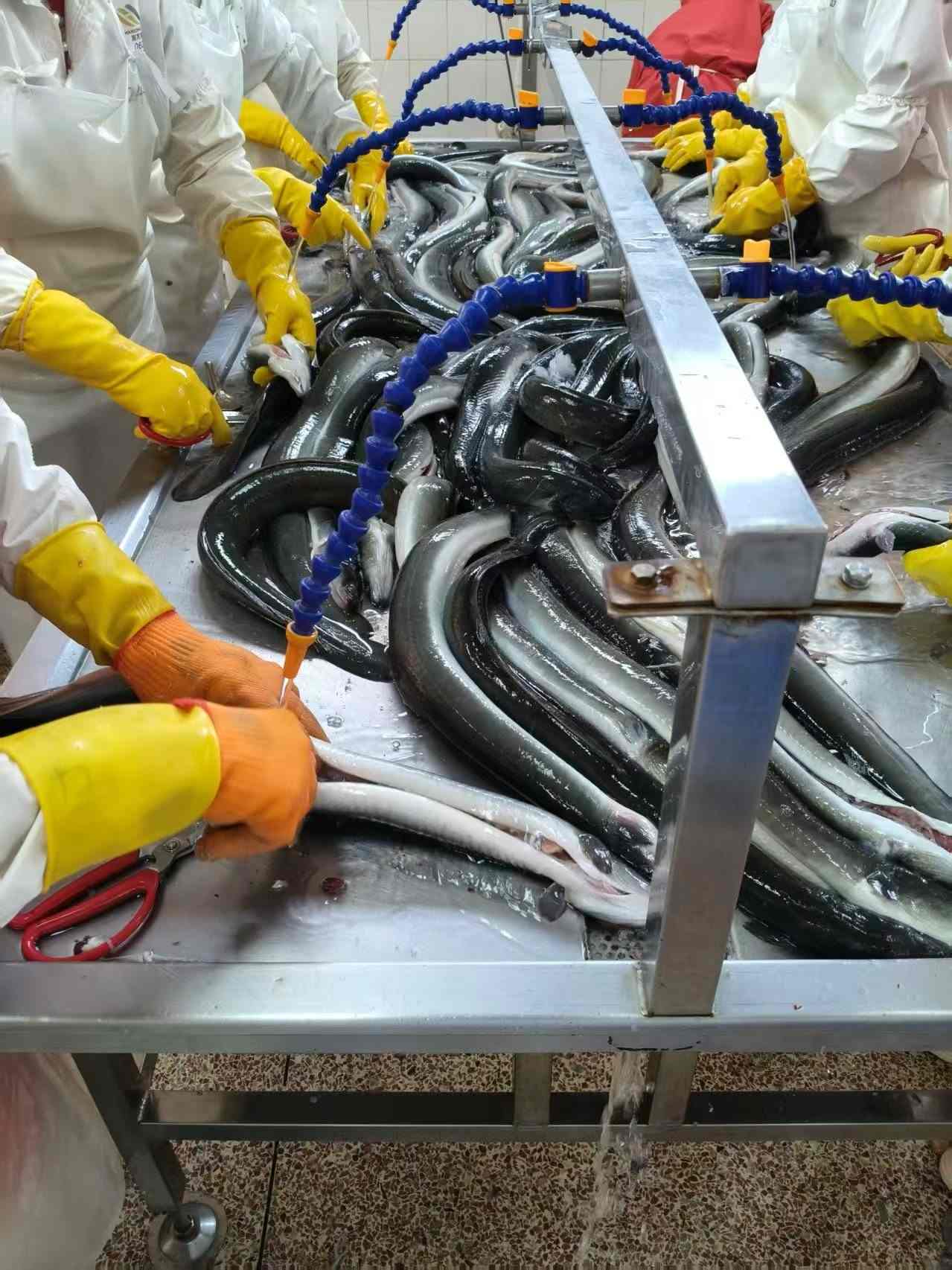
A Practical Eel Fish Export Guide Covering Species, Uses, and Sourcing for B2B Buyers
Eel fish is a freshwater or catadromous species processed mainly into kabayaki, smoked fillets, or live/frozen whole product for export markets. For B2B buyers, this single word covers a wide range of decisions — species selection, grading, cold-chain handling, and paperwork — that can make or break a shipment. Get one of these wrong, and you're looking at rejected containers, spoiled inventory, or a customs hold that eats your margin.
We've spent years supplying frozen unagi kabayaki, eel sauce, and freshwater eels to overseas buyers, and the questions we hear most often are surprisingly consistent: which species should I buy, how do I check supplier reliability, and what does a compliant export actually look like on paper. This guide answers all three.
What Is Eel Fish and Which Species Matter for Export
"Eel fish" is a loose commercial term. In trade documents, it almost always refers to Anguilla species — freshwater eels that migrate to spawn in the ocean. The species you choose affects price, texture, and market fit.
- Anguilla japonica (Japanese eel) — the classic unagi species, prized for fat content and firm texture. Highest price point, strongest demand in Japan, South Korea, and premium restaurant chains globally.
- Anguilla anguilla (European eel) — restricted under CITES trade controls; buyers must check import permits carefully before sourcing.
- Anguilla rostrata (American eel) — used in North American and some Asian markets, moderate fat content.
- Anguilla bicolor / marmorata — Southeast Asian species, often farmed in Indonesia and the Philippines, more affordable, used in mid-tier kabayaki products.
Most of our export volume is Anguilla japonica raised through controlled aquaculture, then processed into kabayaki fillets. If you're new to the category, our unagi eel farm page walks through how farmed stock differs from wild-caught in terms of consistency and traceability.
Fresh Eel Fish vs Frozen Eel Fish — Which Format Fits Your Business
This is the decision that shapes your entire supply chain. Fresh eel fish demands near-immediate processing and short transit — realistically, it only works for buyers within a few days' shipping range with live-holding infrastructure. Frozen eel fish, especially IQF (individually quick frozen) kabayaki, is what makes long-haul export viable at all.
| Factor | Fresh Eel Fish | Frozen Eel Fish (IQF Kabayaki) |
|---|---|---|
| Shelf life | 1-3 days (live) or 2-4 days chilled | 12-18 months at -18°C |
| Shipping method | Air freight, live tanks | Reefer container, sea or air |
| Cost per kg | Higher (air freight + mortality risk) | Lower per unit at volume |
| Best for | High-end sushi bars, nearby markets | Restaurant chains, retail, long-distance import |
| Quality consistency | Depends on transit handling | Locked in at peak freshness via blast freezing |
For most overseas buyers — restaurant groups, distributors, retail chains — frozen unagi kabayaki is the practical choice. It travels well, holds flavor, and lets you plan inventory months ahead instead of reacting to daily catch reports.
Product Forms: What "Eel Fish Products" Actually Means in Trade
When buyers say "eel fish products," they usually mean one of these:
- Frozen unagi kabayaki — grilled, glazed eel fillets, ready to reheat. Our most requested SKU. Details on our unagi kabayaki product page.
- Eel sauce (unagi tare) — the sweet soy glaze brushed onto kabayaki. Sold separately for restaurants that grill in-house. See our eel sauce product page.
- Whole frozen eel — headless or whole, for further processing by the buyer's own kitchen.
- Smoked eel — a European-market favorite, different flavor profile from kabayaki.
- Freshwater eel fillets — boneless, skin-on or skin-off, for bowl/donburi applications.
If your kitchen team wants to understand how the sauce ties into the final dish, our article on kabayaki sauce explains why the glaze recipe matters as much as the fish itself.
Our Sourcing Reliability Framework — What Actually Separates a Trustworthy Eel Fish Supplier
Angle: Most buying guides tell you to "check certifications" without saying what that actually verifies or how to compare suppliers side by side. Here's the framework we use internally, and the one we'd want if we were on the buyer's side of the table.
Intent: This section defines the concrete checkpoints that separate a dependable eel fish supplier from a risky one — so you can score any supplier against the same criteria before committing to a purchase order.
| Checkpoint | What to Ask Supplier | Red Flag |
|---|---|---|
| Cold-chain capability | What's the freezing method and holding temp? | Vague answers, no blast-freezing equipment |
| Traceability | Can you trace this batch back to the farm/lab? | No batch records or farm origin data |
| Sample consistency | Will two samples from different months match? | Refusal to send repeat samples |
| Packaging spec | What's the case weight, carton material, labeling? | No standardized carton spec sheet |
| Export documentation | Can you provide health certificates and commercial invoice templates in advance? | Documents only produced after shipment |
| Communication speed | Response time to a technical question? | Multi-day delays on basic queries |
We run our own quality checks through our eel lab, testing batches before they ever reach a packing line. That's the kind of step you should expect any serious supplier to disclose, not hide behind marketing language.
Quality Standards and Grading — How to Read a Spec Sheet
A proper spec sheet for frozen eel fish should list:
- Size grading (e.g., fillet length/weight bands, commonly measured in grams per piece)
- Fat content — directly affects grilling texture and buyer's plate presentation
- Freezing temperature and storage instruction — typically -18°C or below for long-haul frozen kabayaki
- Glaze ratio — how much tare sauce coats the fillet, which affects sweetness and shelf appearance
- Packaging unit — retail pack vs bulk foodservice carton
Common mistakes we see from first-time importers:
- Ordering based on price per kilogram alone, ignoring size grading — leads to inconsistent plate portions.
- Not confirming freezer temperature during transit, resulting in partial thawing and texture loss.
- Skipping a pre-shipment sample request, then discovering flavor mismatch after the container lands.
- Assuming all "unagi kabayaki" is Anguilla japonica when it may be a lower-cost species substitute.
Which Countries Import Eel Fish and What Drives Demand
Japan remains the largest consumer of unagi kabayaki, though domestic wild catch has declined, pushing reliance on imports and farmed stock. Beyond Japan:
- United States — sushi and Japanese-restaurant chains driving steady frozen kabayaki demand.
- South Korea — strong retail and foodservice consumption, similar preparation style to Japan.
- European Union — demand split between smoked eel traditions (Germany, Netherlands) and sushi-style kabayaki.
- Southeast Asia — growing middle-class demand in Singapore, Malaysia, and urban centers of Vietnam and Thailand.
Import regulations vary — the EU applies specific catadromous species trade controls in line with CITES listings for certain eel species, so confirm current permit requirements before finalizing a contract, especially for European eel.
Step-by-Step: How to Source Eel Fish for Export Without Costly Mistakes
- Define your product form — frozen kabayaki, whole frozen, sauce-only, or a bundled order.
- Request a spec sheet and sample before any deposit is discussed.
- Verify cold-chain documentation — ask for the freezing curve and container temperature logs from past shipments.
- Confirm export paperwork — health certificate, certificate of origin, commercial invoice, packing list.
- Check packaging fit for your market — retail labeling requirements differ by country.
- Negotiate MOQ and lead time against your storage capacity and sales cycle.
- Run a trial order before committing to a long-term supply contract.
For buyers looking to diversify beyond kabayaki, our frozen seafood line and Chinese dimsum range are often bundled into the same container to optimize shipping cost.
Buyer's Decision Checklist Before You Sign a Purchase Order
- Have you confirmed the exact species (Anguilla japonica vs substitute)?
- Has the supplier sent a physical sample, not just photos?
- Do you have written confirmation of freezing temperature and cold-chain method?
- Are export documents available for review before shipment?
- Does the packaging match your retail or foodservice labeling laws?
- Have you priced total landed cost, not just FOB price per kilogram?
If your team is exploring menu applications once the product lands, our recipe library covers everything from eel noodle soup to grilled preparations, which can help your culinary staff get more mileage out of each case.
Cost Breakdown — What Actually Drives Your Landed Price
| Cost Component | Typical Share of Landed Price |
|---|---|
| Raw eel / farming cost | 40-50% |
| Processing (grilling, glazing, freezing) | 15-20% |
| Packaging and labeling | 5-8% |
| Freight (reefer container/air) | 15-25% |
| Duties and documentation fees | 5-10% |
Freight share swings the most depending on whether you choose sea freight (cheaper, longer transit, needs stable reefer chain) or air freight (faster, costlier, used mainly for fresh eel fish or urgent restocks).
Sourcing eel fish for export isn't complicated once you know what questions to ask and what documents to demand upfront. Compare species, confirm cold-chain practice, and always request a sample before signing. That's the difference between a smooth container arrival and a costly dispute at customs.
Curious how kabayaki sauce affects final flavor consistency across a whole shipment? Drop your question in the comments, or check our detailed breakdown on frozen eel supplier practices for more sourcing insight.