

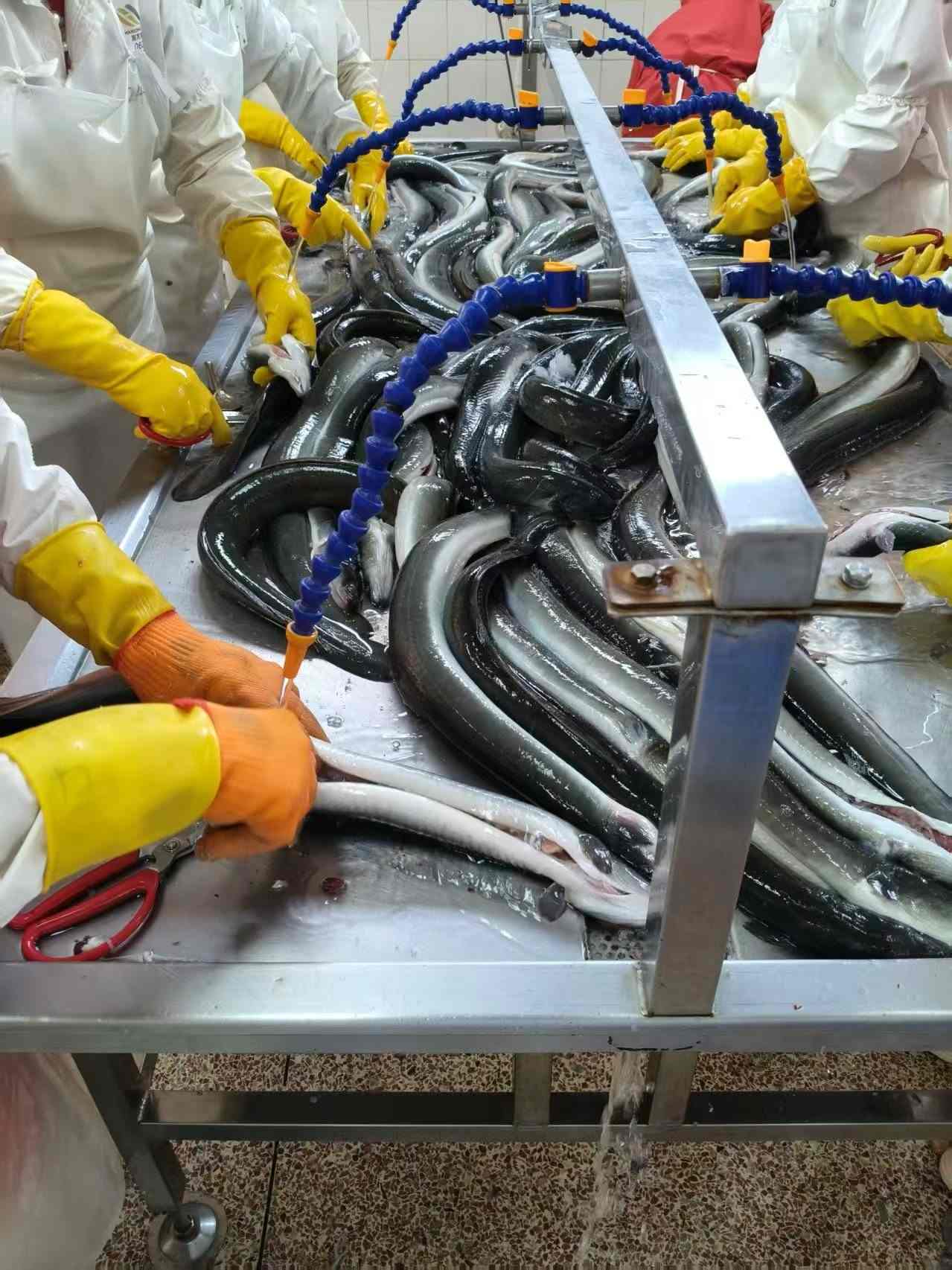
Eel Fish Species Compared for Size, Flavor, and Commercial Market Use
Picture this: a buyer in Rotterdam orders "eel" for a new sushi menu, and three weeks later the shipment arrives — wrong texture, wrong fat content, wrong everything. This happens more than you'd think. Not all eel fish are created equal, and picking the wrong species can wreck a menu launch or a retail line before it even starts.
Eel fish is a broad term covering dozens of elongated fish species across freshwater and marine environments, and the differences between them affect price, cooking method, and shelf appeal. If you're sourcing for foodservice or retail, knowing which species you're actually buying matters as much as knowing the price per kilo.
What Are the Main Types of Eel Fish
Commercially, eel fish split into two broad groups: freshwater eel and marine eel. Each group behaves differently in the kitchen and on the price sheet.
- Japanese eel (Anguilla japonica) — the classic unagi species, prized for kabayaki, farmed extensively across East Asia.
- European eel (Anguilla anguilla) — leaner, slightly firmer, historically popular in smoked eel products across Northern Europe.
- American eel (Anguilla rostrata) — similar profile to the Japanese species, often substituted in North American kabayaki production.
- Conger eel (marine eel, family Congridae) — saltwater dweller, larger and coarser-fleshed, common in Mediterranean and Asian coastal cuisine.
- Moray eel — mostly a marine curiosity in Western markets, occasionally used in Southeast Asian regional dishes, rarely commercial-grade.
Freshwater eel species dominate the global kabayaki trade because of their fat content and skin texture after grilling. Marine eel species tend to serve soup, stew, and regional specialty markets instead.
How Do Eel Fish Species Differ in Size, Flavor, and Texture
This is where buyers get tripped up. Two eels can look almost identical frozen, yet cook completely differently once thawed.
| Species | Typical Size | Flavor Profile | Texture After Cooking | Best Market Use |
|---|---|---|---|---|
| Japanese eel | 40-70 cm | Rich, buttery, subtly sweet | Soft, melts easily, silky skin | Kabayaki, sushi, donburi |
| European eel | 50-90 cm | Earthier, leaner | Firmer bite, holds shape when smoked | Smoked eel, deli products |
| American eel | 40-80 cm | Mild, close to Japanese eel | Moderately soft, good glaze absorption | Kabayaki substitute, teriyaki dishes |
| Conger (marine) | up to 150 cm | More neutral, slightly briny | Coarser, better for slow simmering | Soups, stews, tempura strips |
Freshwater eel like the Japanese and American varieties carry higher natural fat, which is exactly why they take on a glaze — like our eel sauce — so well. Marine eel, being leaner and larger-boned, usually needs longer cooking to break down its firmer structure.
Which Eel Fish Is Best for Commercial Buyers
Here's the honest answer: it depends on what you're putting on the plate or shelf. But for most import-focused buyers targeting sushi bars, izakayas, or grocery frozen sections, Japanese eel and American eel remain the strongest sellers because of glaze compatibility and consistent grading.
Buyer's Decision Checklist
- Fat content needed — high-fat freshwater eel for kabayaki, leaner options for smoked or cured products.
- Cooking method at destination — grilling favors soft-textured species; slow-cooking works fine with firmer marine eel.
- Skin quality — check for intact, unblemished skin; torn skin usually signals rough processing or poor freezing.
- Size grading consistency — ask your supplier for size-sorted batches (e.g., 100-130g, 130-160g fillets) so plating stays uniform.
- Frozen storage temperature — product should be held at -18°C or below throughout transit to preserve texture.
We process our unagi kabayaki from farm-raised freshwater eel, size-graded before freezing, which keeps portion control predictable for restaurant chains reordering monthly.
Cost and Format Breakdown for Eel Fish Products
Pricing varies a lot depending on species, cut, and glaze. Below is a general breakdown buyers should expect when comparing quotes.
- Whole freshwater eel (unprocessed frozen) — lower cost, but requires in-house butchery and skinning, adding labor time.
- Pre-butterflied kabayaki (glazed, frozen) — higher unit cost, but ready-to-heat, cutting kitchen prep to minutes.
- Eel sauce / unagi tare (bottled) — sold separately for buyers who want to glaze in-house or diversify menu items beyond kabayaki.
- Marine eel cuts (conger, unglazed) — priced lower per kilo but needs longer prep for soups and regional dishes.
For many overseas buyers, pre-butterflied kabayaki ends up being cheaper overall once labor costs are factored in — no need for skilled deboning staff on site.
Common Mistakes Buyers Make When Sourcing Eel Fish
- Confusing marine eel with freshwater eel on spec sheets — they cook and price differently, so this mismatch causes menu inconsistency.
- Ignoring freeze-thaw history — repeated thawing during transit damages texture, even if the species is correct.
- Overlooking sauce pairing — a thin, low-viscosity glaze won't cling to leaner species like European eel, resulting in uneven flavor coverage.
- Skipping sample orders — buyers who commit to full containers without testing a sample batch often discover sizing or flavor mismatches too late.
A Quick Cold Fact About Eel Fish Biology
Here's a cold-knowledge nugget worth remembering: eels are catadromous, meaning they're born in the ocean, migrate to freshwater to grow, then return to the sea to spawn — the reverse of salmon. This life cycle is documented by organizations like the Food and Agriculture Organization, and it directly explains why most commercial-grade eel fish, including the ones we farm, are raised in controlled freshwater environments before reaching market size. It also explains the ongoing conservation attention around wild-caught populations — a reason more buyers now prefer traceable, farm-raised sourcing.
Matching Eel Fish Products to Your Menu or Retail Line
A few practical pairings we've seen work well for overseas buyers:
- Sushi bars and izakayas — pre-glazed kabayaki, size-graded, paired with bottled tare for table-side customization. See our notes on why kabayaki sauce matters for flavor consistency.
- Grocery frozen aisles — vacuum-sealed kabayaki portions with clear reheating instructions for home cooks.
- Ramen and noodle shops — freshwater eel works beautifully in broth-based dishes; check our guide on cooking eel noodle soup for inspiration.
- Regional European delis — smoked European eel or marine eel cuts, aligned with local taste preferences.
If you're evaluating suppliers, it also helps to see how the product is raised and tested before it ships — our eel farm and eel lab pages walk through our process from pond to freezer, and our frozen seafood line covers broader sourcing beyond eel alone.
Final Buyer Notes
Choosing the right eel fish species isn't about picking the "best" one in general — it's about matching biology to your kitchen's workflow. Freshwater eel species like Japanese and American eel dominate kabayaki and sushi applications because of their fat and skin behavior under heat. Marine eel fits slower-cooked, broth-heavy dishes better. Know your end dish first, then pick the species — not the other way around.
Got a specific menu application in mind? Drop your question in the comments — we're happy to talk through size grading or glaze pairing for your next order. And if you want more hands-on ideas, check our recipe guide on easy eel cooking methods and tips for practical prep techniques.