


Unagi Sauce Recipe Guide for Sweet Savory Eel Flavor at Home
An unagi sauce recipe is the sweet, glossy glaze that gives grilled eel its deep savory character. For home cooks and food lovers, the challenge is simple: how do you get a sauce that tastes rich and balanced instead of overly salty, sugary, or flat?
Picture a warm bowl of rice. A piece of grilled unagi rests on top, its surface shining under a dark amber glaze. The aroma is sweet, savory, and lightly roasted. That finishing sauce is often called unagi tare, and it can turn a plain rice bowl, sushi roll, grilled fish plate, or noodle dish into something memorable.
At Eelpro Co., LTD, our technical team works with frozen unagi kabayaki and eel sauce for overseas buyers. We see how much sauce affects the final eating experience. A good unagi sauce recipe does not hide eel flavor. It supports it.
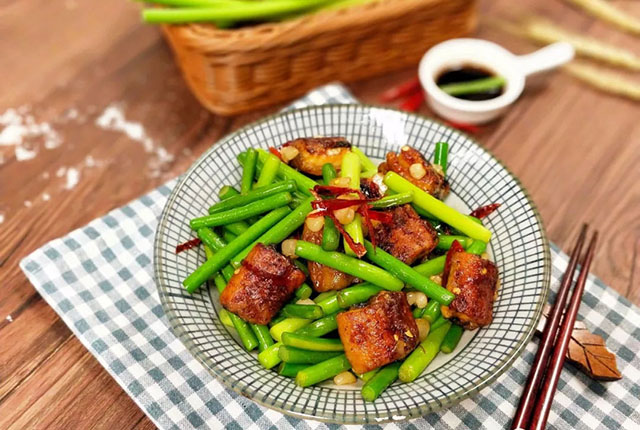
What an Unagi Sauce Recipe Means for Japanese-Style Cooking
An unagi sauce recipe is a method for making a thick, sweet-savory glaze commonly served with grilled eel. The flavor profile is built around saltiness, sweetness, mild acidity, and roasted depth. The result should cling to food without becoming sticky candy.
The sauce is especially associated with unagi kabayaki, which is grilled eel coated with tare during cooking. As the glaze meets heat, its aroma changes. It becomes darker, rounder, and more fragrant. That is why simply pouring a cold sweet soy mixture over cooked eel rarely gives the same effect.
The taste is closely connected to umami, the savory sensation that gives soy-based sauces their satisfying depth. In an unagi sauce recipe, umami should be present but not aggressive. If the sauce tastes like plain soy sauce, it needs more balance. If it tastes like syrup, it needs more savory structure.
Many people use the terms “eel sauce,” “unagi sauce,” and “kabayaki sauce” interchangeably. In everyday cooking, that is usually fine. Still, the purpose matters more than the name: a proper sauce for eel should complement the natural richness of the fish and form a thin glaze when reheated.
For buyers seeking ready-to-use options rather than homemade preparation, our eel sauce product page introduces Eelpro’s unagi tare offering for foodservice, retail, and overseas distribution needs.
Why an Unagi Sauce Recipe Is Different from Ordinary Sweet Glaze
The defining feature of an unagi sauce recipe is balance. It is not merely sweet soy sauce, teriyaki sauce, or barbecue glaze. Those sauces may look similar in color, but they behave differently on eel, rice, and sushi.
| Type of Sauce | Main Flavor Direction | How It Works with Eel | Common Mistake |
|---|---|---|---|
| Unagi sauce | Sweet, savory, mellow, roasted | Coats eel while allowing its fatty, delicate flavor to remain noticeable | Making it too sweet or too salty |
| Teriyaki sauce | Sweet and soy-forward | Can work as a substitute, but may taste sharper and less tailored to eel | Using a thick bottled version without adjusting it |
| Barbecue sauce | Sweet, smoky, acidic, sometimes spicy | Often overwhelms unagi and changes the Japanese-style flavor direction | Adding tomato, smoke, or strong spices |
| Plain soy sauce | Salty and direct | Adds seasoning but does not create the signature lacquered glaze | Pouring too much over finished rice |
This distinction matters for restaurant operators, meal-kit developers, and home cooks. Unagi has a rich mouthfeel, yet its flavor can be surprisingly gentle. Heavy sauces cover it quickly. A well-made unagi sauce recipe gives sweetness at the front, savory depth in the middle, and a clean finish after each bite.
Cold fact: dark color is not proof of strong flavor. A very dark sauce can still taste thin, while a lighter brown glaze may have better depth if its sweet and salty elements are in harmony.
How to Build an Unagi Sauce Recipe Without Losing Balance
The traditional flavor direction usually begins with soy sauce, a sweetening ingredient, mirin-style sweetness, and a cooking alcohol or similar aromatic element. Exact formulas vary by household, restaurant, and supplier. The useful lesson is not to chase one rigid formula. Taste and texture should guide the process.
Start by combining the savory and sweet elements in a small pan. Warm the mixture over gentle heat. Avoid rushing. Fast, aggressive boiling can make the sweet elements taste harsh and can leave the sauce with a burnt edge.
Let the sauce reduce slowly until it looks glossy and lightly coats a spoon. The target is not a thick syrup. It should still pour easily when warm. Once cooled, it will naturally feel thicker.
Then taste it in the way it will actually be served. Dip a little cooked rice into the sauce. Brush a small amount onto grilled fish. Taste it with plain steamed rice, not only from a spoon. Rice softens saltiness and sweetness, while eel adds richness. The final pairing can taste very different from the sauce alone.
Use the right flavor checks
- Too salty: add a little more sweetness and allow the flavors to settle over low heat.
- Too sweet: add a small amount of savory base rather than adding water immediately.
- Too thin: continue heating gently until the sauce coats food more evenly.
- Too thick: loosen it gradually with a compatible liquid, then taste again.
- Too sharp: keep the heat low and give the ingredients time to blend.
- Too dull: do not reach for extra sugar first; savory depth is often the missing piece.
A practical unagi sauce recipe should be flexible because soy sauces, sweeteners, and cooking wines can vary widely by market. Ingredients sold under similar names may not taste the same. This is especially relevant for international food buyers developing menu items across different regions.
For a deeper look at correcting common glaze problems, see our sauce flavor fixes guide.
How to Apply Unagi Sauce to Grilled Eel
A good unagi sauce recipe can still disappoint if it is applied at the wrong moment. The sauce needs heat to become fragrant and cling to the surface. Brushing it onto cold eel creates a wet coating. Brushing it during the final stage of reheating creates a glaze.
Begin with cooked unagi kabayaki or another prepared eel portion. Reheat until the eel is hot throughout and the surface is ready to take on color. Brush on a thin layer of sauce, return the eel to heat, then repeat if you want a deeper finish. Thin layers work better than one heavy pour.
Avoid scorching the glaze. Sweet sauces can darken very quickly. Watch for a gentle shine and light caramel aroma rather than blackened patches. Burnt sweetness has a bitter finish, and no extra sauce can fully hide it.
Our unagi kabayaki product is designed for buyers who want prepared grilled eel for menu service, retail, or further preparation. Pairing a dependable eel portion with a consistent sauce helps kitchens reduce variation from plate to plate.
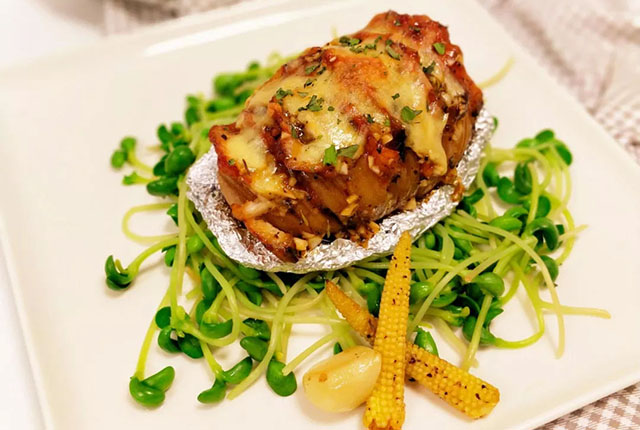
Where else can you use the sauce?
An unagi sauce recipe is useful far beyond a classic eel rice bowl. Try it as a finishing brush for grilled salmon, roasted mushrooms, tofu, eggplant, or rice balls. Use a light amount in sushi rolls, especially rolls with cucumber or avocado. It can also add a sweet-savory accent to noodle bowls.
The key is restraint. This sauce is a finishing flavor, not a soup base. A small brush or drizzle often gives a better result than coating every ingredient.
If you want more serving inspiration, explore these eel noodle ideas and our guide to eel rice bowl toppings.
Buying Tips for Ready-Made Eel Sauce
Not every kitchen needs to make sauce from scratch. Ready-made sauce is often the better choice for busy households, sushi counters, catering teams, and food distributors. The buying question is not simply whether the sauce is dark or thick. Ask how it performs with the food you serve.
- Look for a sweet-savory flavor that suits grilled eel rather than a generic barbecue profile.
- Check whether the sauce can be brushed onto hot food without becoming excessively heavy.
- Consider the dishes on your menu. A sauce for sushi may need a lighter touch than one for grilled eel bowls.
- Test it with plain rice and the actual eel product you plan to serve.
- For B2B purchasing, discuss packaging, intended use, and the flavor profile required by your market.
At Eelpro Co., LTD, we supply frozen unagi kabayaki, eel sauce, frozen seafood, and freshwater eels to overseas buyers. Our team understands that a sauce is not a minor add-on. It affects repeat orders, customer comments, and whether a dish feels complete.
Unagi Sauce Recipe FAQ
Is an unagi sauce recipe the same as teriyaki sauce?
They are similar in being sweet and soy-based, but they are not always the same. An unagi sauce recipe is intended to match grilled eel’s rich yet mild flavor. Teriyaki sauces can be sharper, sweeter, or thicker depending on the product and recipe.
Can I use unagi sauce on foods other than eel?
Yes. It pairs well with grilled seafood, vegetables, tofu, sushi, rice bowls, and roasted mushrooms. Start with a small amount. The sauce should add shine and savoriness without taking over the dish.
Why does my unagi sauce recipe taste bitter?
The most common reason is excessive heat. Sweet ingredients can burn before the sauce has developed a balanced glaze. Keep the heat low and controlled, and remove the pan once the sauce reaches a glossy, spoon-coating texture.
Should unagi sauce be thick or thin?
It should be fluid enough to brush or drizzle, yet thick enough to cling lightly to hot eel. A sauce that feels thin when hot may firm up after cooling, so avoid reducing it too far.
What is the easiest way to serve unagi kabayaki?
Serve hot grilled eel over steamed rice, brush it with sauce, and add a simple garnish such as sliced scallion, toasted sesame, or pickled ginger. For more preparation ideas, see our easy eel cooking methods.
Bring More Flavor to Every Eel Dish
A satisfying unagi sauce recipe should taste warm, balanced, and inviting. It should make grilled eel shine, not disappear beneath a heavy coating. Heat it gently. Brush it lightly. Taste it with the food you plan to serve.
Whether you make a small batch at home or source prepared products for a food business, the best result comes from matching sauce, eel, and serving style. Explore our kabayaki sauce insights for more flavor ideas, then share your favorite way to use unagi sauce with rice, sushi, noodles, or grilled seafood.