





What eel health benefits reveal about this nutrient-dense fish
Steam lifts from a bowl of rice, a glossy slice of unagi rests on top, and one question often follows: is eel simply rich and satisfying, or does it bring real nutrition to the meal? The answer depends on the fish, the preparation, and the portion. Understanding eel health benefits starts with looking beyond its sweet-savory glaze.
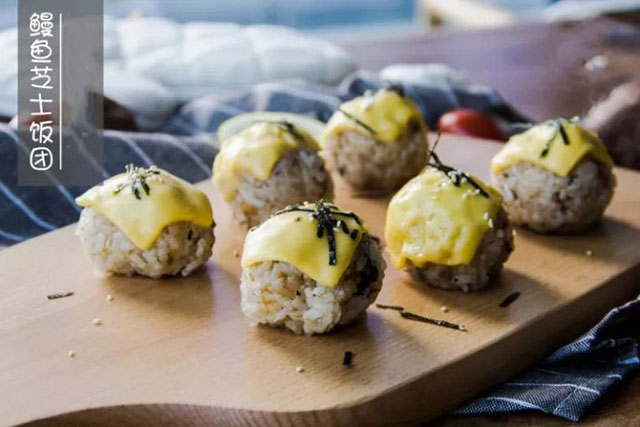
Eel is often grouped with richer fish because of its tender texture and naturally higher fat content compared with very lean white fish. That does not make it a poor choice. Its protein, fats, fat-soluble vitamins, and minerals can make it a useful part of a varied seafood menu. The practical question is not whether eel is “healthy” in isolation. It is how its nutrients fit the rest of the plate.
For shoppers, cooks, and foodservice buyers, eel health benefits are easiest to assess when three details are kept separate: the natural nutrients in eel, the added ingredients in prepared products, and the serving format. A plain roasted portion, a sauce-coated kabayaki fillet, and a large restaurant rice bowl can have very different overall nutrition profiles.
Why eel is considered a nutrient-dense fish
Nutrient density describes foods that provide meaningful nutrients relative to the energy they supply. Eel can fit this description because it delivers several nutrients in one food: complete protein, fats that include omega-3s, vitamins A, D, and B12, plus minerals. This is the foundation of many eel health benefits, but it does not mean every eel dish serves the same dietary goal.
The conclusion is simple: choose eel when you want a flavorful fish that contributes protein and micronutrients without requiring complicated preparation. It suits a balanced meal with vegetables, rice, grains, or noodles. It is less suitable when a meal plan specifically calls for the lowest-fat seafood option or requires strict sodium control.
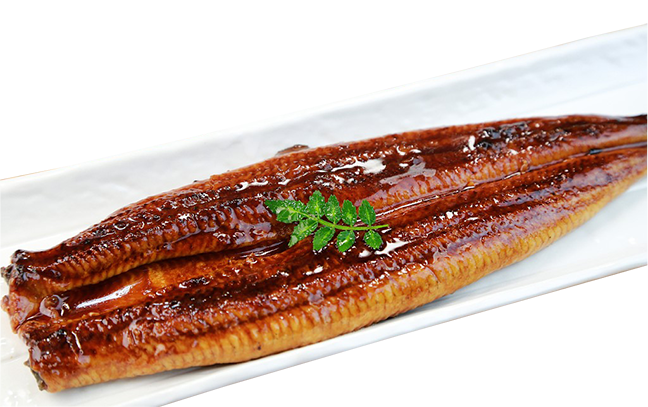
Preparation matters. Grilling, roasting, and gentle reheating can preserve eel’s soft texture. Heavy frying or excessive sweet sauce can shift the finished dish toward more added fat, sugar, or sodium. For a product-led meal, a portion of unagi kabayaki can offer convenience, while the accompanying rice and vegetables determine whether the plate feels balanced.
How protein, fats, vitamins, and minerals support meal planning
The following comparison explains the nutrients behind eel health benefits in practical terms. These nutrients support normal body functions, but eel is food, not a substitute for medical treatment, prescribed supplements, or an otherwise varied diet.
| Nutrient in eel | What it can realistically support | What this means for a meal | What buyers and cooks can get wrong |
|---|---|---|---|
| Protein | Protein contributes to maintenance of muscle and normal body tissues. It also helps make a fish-based meal more satisfying. | Pair eel with vegetables and a measured carbohydrate portion when the goal is a filling lunch or dinner. | Assuming protein alone makes a meal balanced. A plate still needs fiber-rich foods and suitable portion control. |
| Omega-3 fats | Omega-3 fats are structural fats involved in normal body functions. Fish is a familiar food source of these fats. | Eel can be included in a seafood rotation for people who want variety beyond lean white fish. | Treating all fish as nutritionally identical. Fat content and fatty-acid profiles differ by species and preparation. |
| Vitamin A | Vitamin A supports normal vision, immune function, and skin health. | Consider eel one food contributor among many, alongside vegetables and other varied foods. | Using eel as a reason to ignore the rest of the diet. Vitamin intake should come from varied food sources. |
| Vitamin D | Vitamin D helps the body use calcium and supports normal bone function. | Eel may be a useful seafood choice for menus seeking foods that naturally provide vitamin D. | Assuming one meal resolves low vitamin D status. Individual needs and medical guidance vary. |
| Vitamin B12 | Vitamin B12 supports normal red blood cell formation and nervous system function. | Eel can be relevant in mixed diets where animal-source foods are included. | Overlooking dietary restrictions. People avoiding animal foods need other planned B12 sources. |
| Minerals | Minerals found in fish can contribute to normal functions involving bones, muscles, and enzymes. | Use eel as one component of a varied seafood and whole-food menu. | Ignoring the prepared product label, especially when sauce or seasoning changes sodium content. |
These eel health benefits are most useful when they solve a real menu problem. For example, a family that finds plain fish boring may be more willing to eat seafood when eel is served with a familiar rice bowl. The rich taste can help make vegetables, seaweed, cucumber, or lightly dressed greens feel like part of a complete dinner.
Cold fact: “Nutrient-dense” does not mean “eat without limits.” Eel’s naturally rich character is exactly why serving size and sauce use matter. The best approach is to enjoy the fish as the centerpiece, not to bury it under a thick layer of extra glaze.
How preparation changes the practical value of eel health benefits
Cooking and seasoning do not erase the nutrients in eel, but they can change what the finished meal delivers. This is where many discussions of eel health benefits become incomplete. A nutrient profile on its own does not tell you how much added sugar, sodium, or oil comes from the recipe.
Choose the format that matches the meal
- Plain or lightly seasoned eel: Best for home cooks who want more control over sauce, salt, and side dishes. It fits lighter meals and customized recipes.
- Frozen unagi kabayaki: Best for convenient rice bowls, sushi applications, and restaurant service. It offers the familiar roasted eel flavor, but buyers should check the product specification and serving plan because sauce is part of the finished product.
- Eel cut pieces or sushi slices: Best when portion consistency and quick assembly matter. This format can reduce trimming and back-of-house handling.
- Eel sauce: Best used as a finishing ingredient rather than the main volume of the dish. A small amount can provide the expected kabayaki character.
For people comparing prepared options, eel health benefits should be weighed against the entire recipe. A grilled eel bowl with steamed greens and plain rice serves a different purpose from eel added to a fried dish with multiple sweet sauces. Neither is automatically wrong; they simply fit different eating occasions.
At Eelpro, our frozen roasted eel uses a four-layer soy-sauce coating process with controlled roasting steps. The product is designed for consistent color and flavor, but consumers and foodservice teams can still adjust the overall plate by controlling extra sauce and choosing fresh side dishes. Learn how sauce affects taste balance in our kabayaki sauce article.

Use this label-reading checklist before buying prepared eel
Health-conscious buyers should not stop at the front of the package. To make eel health benefits useful in daily meals, use the label and product specification as decision tools.
- Identify the product format. Confirm whether it is plain eel, white-roasted eel, kabayaki eel, cut pieces, or a ready-to-heat prepared item. This determines how much seasoning is already included.
- Check the ingredient list. Look for added sauce, soy-based seasoning, sweeteners, oils, and allergens. This step matters most for prepared kabayaki products.
- Compare serving ideas, not only package size. Plan how the product will be divided among meals. A large fillet can be shared with vegetables and rice rather than treated as a single oversized serving.
- Match the side dishes to the goal. For a lighter meal, add steamed greens, cucumber, mushrooms, or broth-based soup. For a more filling meal, add rice, noodles, or grains in a portion that suits the diner.
- Follow frozen-storage and heating instructions. Safe handling protects quality and food safety. Do not guess at storage conditions or leave thawed products unattended.
This checklist helps turn eel health benefits into a realistic buying decision rather than a marketing phrase. It is especially useful for households managing sodium, sugar, allergens, or a specific calorie target. People with diagnosed health conditions should follow advice from their qualified healthcare professional rather than relying on general food articles.
Food safety and traceability matter as much as nutrition
A nutrient-dense fish is only a good choice when it is produced and handled responsibly. The nutritional appeal of eel should be paired with confidence in sourcing, processing controls, and cold-chain management. That is another part of evaluating eel health benefits for regular meals.
Eelpro operates two production lines with an annual finished-product capacity of 4,000 tons and a 1,000-ton cold storage facility. Our facility is certified to ISO 22000:2018, HACCP, and HALAL requirements, and holds export food producer registration and an SC Food Production License. Around 20 customs-registered eel farming bases covering more than 2,150 mu support farm-to-shipment traceability.
For buyers, the conclusion is direct: ask for the product specification, intended market information, packaging format, and storage guidance before selecting a supplier. This is particularly relevant for importers, restaurant groups, and retailers. It does not replace local import checks, label review, or the buyer’s own food-safety obligations.
Our in-house laboratory, quality-control team, and metal detectors are part of process control. Buyers who need more sourcing context can review our unagi eel farm information and our eel lab page.
Build a balanced eel meal without losing its character
The most enjoyable eel health benefits come from a meal that respects eel’s natural richness. Keep the fish visible, use sauce with restraint, and bring contrast through fresh or lightly cooked sides.
- Classic rice bowl: Serve kabayaki over rice with cucumber, blanched greens, and a light soup. This fits a comforting dinner and helps balance the sweet-savory glaze.
- Sushi-style meal: Use eel in measured slices with rice, nori, and vegetables. This works for entertaining, but extra sauces can quickly dominate the fish.
- Noodle bowl: Add eel near the end so it remains tender. Broth, greens, mushrooms, and noodles create a warming meal without needing a heavy additional sauce.
- Salad-based lunch: Combine warm eel with crisp greens, radish, cucumber, and a modest dressing. This suits diners who want a lighter format but still want a satisfying protein source.
If you want a practical kitchen idea, our unagi ramen guide shows how eel can work in a warming noodle meal. The key is balance: let the eel provide the rich note, while broth and vegetables keep the dish from becoming overly heavy.
When eel is the right seafood choice
Eel health benefits make the most sense for people seeking a flavorful fish with protein, omega-3 fats, vitamins, and minerals in one familiar ingredient. It is a good fit for consumers who enjoy Japanese-inspired meals, want a convenient frozen seafood option, or need more variety in their weekly seafood routine.
It may not be the first choice for every situation. Choose a leaner fish when a meal plan requires very low fat. Choose less-sauced products when sodium or added sugars need close control. And when buying prepared eel, always compare the actual product label instead of assuming every unagi item has the same nutrition profile.
For foodservice operators and import buyers, Eelpro can provide product details for frozen unagi kabayaki, freshwater eel, eel sauce, and frozen seafood. Request a specification sheet or sample to compare the format that best fits your menu and customer needs.
 WhatsApp
 sales@chinaeels.com
 +8619937922411