

Understanding Eel in Japanese Sushi Unagi vs Anago Preparation
Many diners and even some chefs use the terms "unagi" and "anago" interchangeably. While both are types of eel, their differences in fat content, texture, and origin demand completely distinct preparation methods. Getting this wrong doesn't just create a subpar dish; it fundamentally misunderstands the ingredient. The key to mastering eel in Japanese sushi lies not just in knowing the species, but in mastering the fire, the simmer, and the sauce for each.
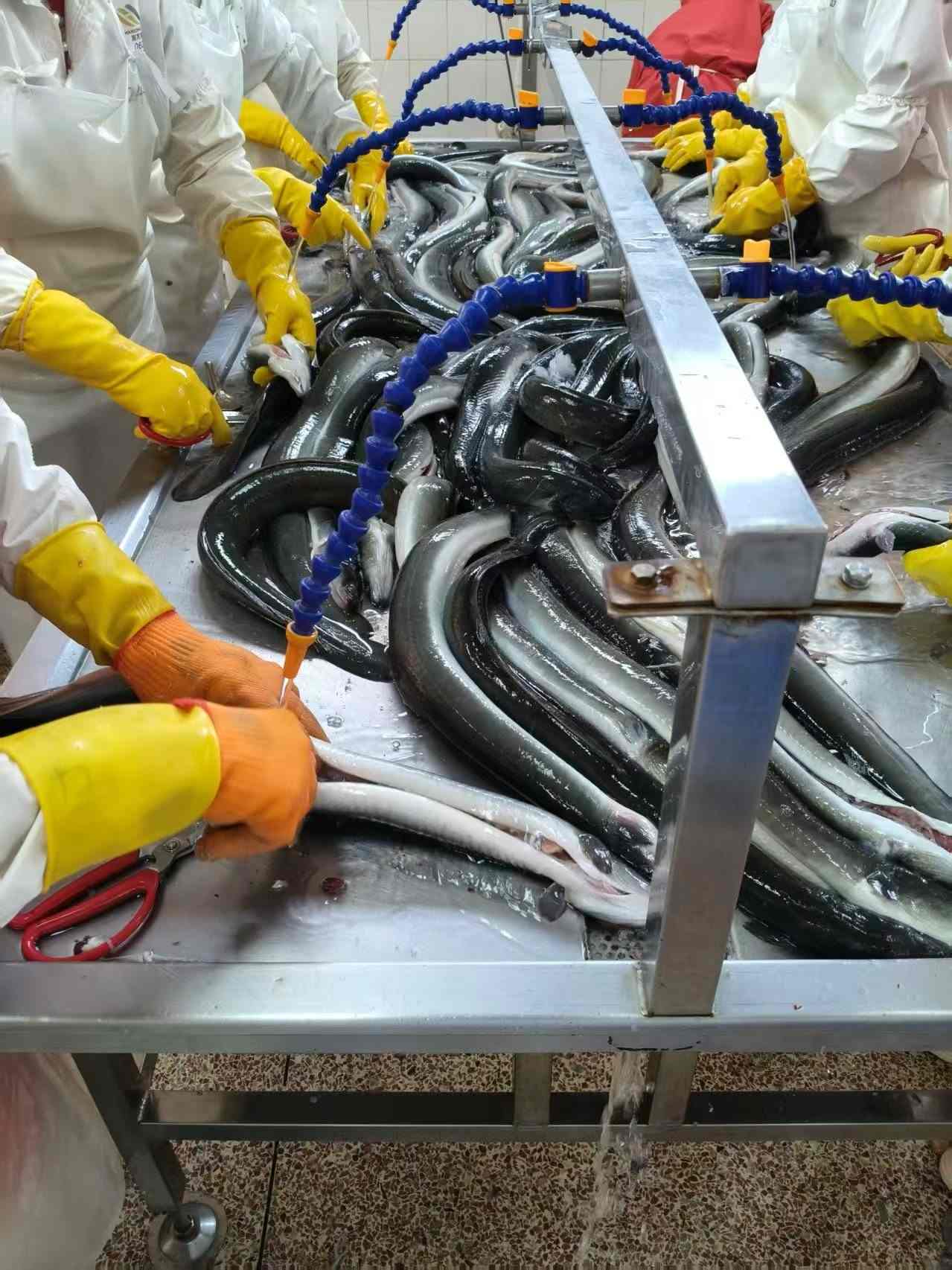
As someone who manages the export of over 4,000 tons of finished eel products annually, I've seen firsthand how precision in processing defines the final quality. The choice between unagi and anago dictates everything that follows, from the initial cooking technique to the final glaze. This guide breaks down the essential preparation differences that every B2B buyer, importer, and foodservice professional needs to know.
Unagi vs. Anago: A Quick Species and Flavor Profile Overview
Before diving into the cooking methods, it's important to understand the raw materials. Unagi and anago are not just different names for the same fish. Their biology and habitat directly influence their culinary applications, especially for classic dishes like unagi sushi and eel nigiri.
Unagi is freshwater eel, while anago is saltwater conger eel. This fundamental difference in habitat leads to significant variations in their composition, particularly fat content. Unagi's freshwater environment contributes to a much richer, fattier profile, which is the source of its deep, bold flavor. Anago, living in the ocean, is leaner with a more delicate, soft texture and a subtle, sweet taste.
Here is a direct comparison of their core attributes:
| Attribute | Unagi (Freshwater Eel) | Anago (Saltwater Conger Eel) |
|---|---|---|
| Habitat | Freshwater rivers and lakes | Saltwater (ocean) |
| Fat Content | High | Low |
| Natural Flavor | Rich, bold, savory | Subtle, light, naturally sweet |
| Texture | Firm, meaty, slightly chewy skin | Extremely soft, fluffy, delicate |
| Common Preparation | Grilled (Kabayaki style) | Simmered (Nitsume style) |
| Sauce Pairing | Thick, sweet, and savory kabayaki sauce | Lighter, less sweet tsume sauce |
Understanding these differences is the first step. A high-fat protein like unagi can withstand and benefit from high-heat grilling, which crisps the skin and renders the fat. Applying the same method to lean anago would result in a dry, tough, and unpleasant texture. This is why Japanese eel preparation is so specific.
The Preparation Matrix: How Cooking Methods Define Unagi and Anago Sushi
The distinction between unagi and anago becomes sharpest in the kitchen. The goal of each preparation method is to enhance the eel's natural characteristics. For unagi, it's about managing its richness. For anago, it's about preserving its delicate structure. Mistaking one for the other leads to failure.
Here is a detailed breakdown of how these two types of eel in Japanese sushi are prepared, and why these steps are not interchangeable.
| Preparation Step | Unagi (for Unagi Sushi) | Anago (for Anago Sushi) | Why It Matters for Chefs & Buyers |
|---|---|---|---|
| Primary Cooking | Grilling (Yaki). The eel is skewered and grilled over charcoal. It is often steamed first to tenderize the meat, then grilled to render fat and crisp the skin. | Simmering (Ni). The eel is gently simmered in a seasoned broth of dashi, soy sauce, mirin, and sake until it is exceptionally tender. | Grilling unagi's fat creates a smoky aroma (umami) and crispy texture that simmering cannot achieve. Simmering anago allows its delicate flesh to absorb flavor and become melt-in-your-mouth soft; grilling would destroy it. |
| Glazing & Sauce | Kabayaki Tare. A thick, sweet, and savory soy-based glaze is brushed on repeatedly during grilling, caramelizing into a rich crust. | Tsume. A thinner, lighter, and often less sweet reduction of the simmering liquid is brushed on just before serving. | Unagi's bold flavor requires a robust sauce to match. Our eel sauce product page shows the ideal consistency. Anago's subtlety would be overwhelmed by a heavy kabayaki sauce; its lighter tsume complements its natural sweetness. |
| Seasoning/Garnish | Often served with a dusting of sansho pepper to cut through the richness. | Typically garnished with a dab of yuzu zest or a sprinkle of sea salt to highlight its delicate flavor. | The choice of garnish is functional. Sansho's numbing, citrusy quality balances unagi's fat. Yuzu's bright aroma enhances anago's clean taste without overpowering it. |
| Final Texture | Crispy skin with a firm, meaty interior. A satisfying, rich mouthfeel. | Incredibly soft, fluffy, and light. It should almost dissolve on the tongue. | Texture is a key quality indicator. A buyer receiving unagi that is soft and mushy or anago that is firm is receiving an improperly prepared product. The final texture dictates its success in an eel nigiri. |
Sourcing Considerations for B2B Buyers: Unagi Kabayaki for Foodservice
For restaurants, catering chains, and wholesale clients, consistency is paramount. While freshly prepared anago is a delicacy, its short shelf life and labor-intensive simmering process make it challenging for large-scale operations. In contrast, high-quality frozen unagi kabayaki provides a reliable, cost-effective, and consistent solution for menus featuring eel in Japanese sushi.
At Eelpro, we've built our process around solving these supply chain challenges. Our entire operation, from our 19 certified unagi eel farms to our processing lines, is designed for export-grade quality. However, buyers new to sourcing eel products often make a few common mistakes that can lead to quality issues and trade risks.

Common Sourcing Mistakes for Eel Products
- Ignoring Certifications and Traceability: Sourcing from a supplier without verifiable food safety certifications like ISO 22000:2018 and HACCP is a major risk. Products may be rejected at customs if they fail to meet standards for veterinary drug residues or microbiological indicators. Our full-chain control, from farm to shipment, ensures complete traceability and compliance with Japan, US, and EU standards.
- Accepting Inconsistent Glazing and Color: An unevenly cooked or glazed product signals poor process control. We established 'white-roasted color' and '1st-through-4th soy-sauce coating color' standards, applying four precise layers of sauce with temperature-controlled steps to guarantee a uniform, perfectly caramelized finish on every fillet. This level of detail is a hallmark of a reliable unagi kabayaki manufacturer.
- Underestimating Back-of-House Labor Costs: Purchasing raw, unprocessed eel shifts the burden of cleaning, deboning, skewering, steaming, and grilling to your kitchen staff. This increases labor costs and introduces inconsistency. Our prepared unagi kabayaki product is boneless, perfectly cooked, and ready to heat, drastically reducing prep time and ensuring a consistent customer experience.
- Overlooking Customization Capabilities: A one-size-fits-all product may not suit your specific menu needs. We offer custom cutting specifications—including shredding, dicing, sushi slices, and 3-section cuts—to match diverse foodservice applications, from sushi rolls to donburi bowls.
Eel Nigiri: Answering Common Questions from Chefs and Importers
When discussing eel for foodservice, especially for sushi applications, a few questions consistently arise. Addressing them helps clarify sourcing decisions and menu planning.
Which eel is used for nigiri in Japan?
Both unagi and anago are popular for eel nigiri, but they offer vastly different experiences and are often found in different types of sushi restaurants. Unagi nigiri is a staple in a wide range of establishments due to its rich flavor and satisfying texture. It's a crowd-pleaser. Anago nigiri is often considered a more refined, seasonal specialty, prized by connoisseurs for its incredibly soft texture and delicate taste. High-end sushiya often feature it to showcase their knife skills and simmering technique.
Is anago cooked for sushi?
Yes, absolutely. Both unagi and anago are always cooked before being served as sushi. Eel blood contains a protein that can be toxic to humans, but it is neutralized completely by heat. Anago is gently simmered, and unagi is steamed and grilled. You will never find raw eel served as sashimi or sushi.
How does preparation affect supply chain logistics?
This is a critical point for any importer or large-scale buyer. The Japanese eel preparation method directly impacts product stability. Freshly simmered anago is highly perishable, with a shelf life of only a day or two. It cannot be effectively frozen after cooking without destroying its delicate texture. This makes it a logistical nightmare for international supply chains.
Frozen unagi kabayaki, however, is an ideal product for global trade. The grilling and glazing process creates a stable product that freezes exceptionally well. Our 1,000-ton cold storage facility and established cold-chain logistics ensure that our products maintain their quality and safety from our workshop to your kitchen, with a standard delivery time of around 30 days. This stability makes it the superior choice for consistent menu offerings worldwide.
For foodservice businesses looking to add a profitable and popular item to their menu, sourcing high-quality, professionally prepared unagi kabayaki is the most practical and reliable path.
If your business requires a consistent supply of export-certified unagi kabayaki with customizable specifications, contact our team to discuss your needs and request a product specification sheet.