

What Does Unagi Define: The Fish, the Dish, or the Cooking Style?
For food importers, distributors, and restaurant chains, the term 'unagi' appears frequently on product lists and menus. But what does unagi define, exactly? Misunderstanding this single word can lead to sourcing errors, incorrect menu descriptions, and disappointed customers. It’s not just a translation issue; it’s a category distinction that impacts product specifications, cost, and preparation. The term refers to the freshwater eel, but it almost always implies a specific, highly valued preparation of that eel.
At Eelpro, we handle inquiries from B2B buyers across the globe. A clear understanding of what unagi means is the first step in a successful sourcing partnership. This article clarifies the term, explains the critical differences in preparation styles like kabayaki, and outlines the quality control markers that ensure you receive a product that meets international food safety standards and diner expectations.
Unagi Defined: A Buyer's FAQ on the Fish, Dish, and Preparation
Confusion often arises because "unagi" is used interchangeably in different contexts. For a buyer, precision is essential. This FAQ section breaks down the three common uses of the term to help you specify your needs accurately.
-
Is unagi the name of a fish or a dish?
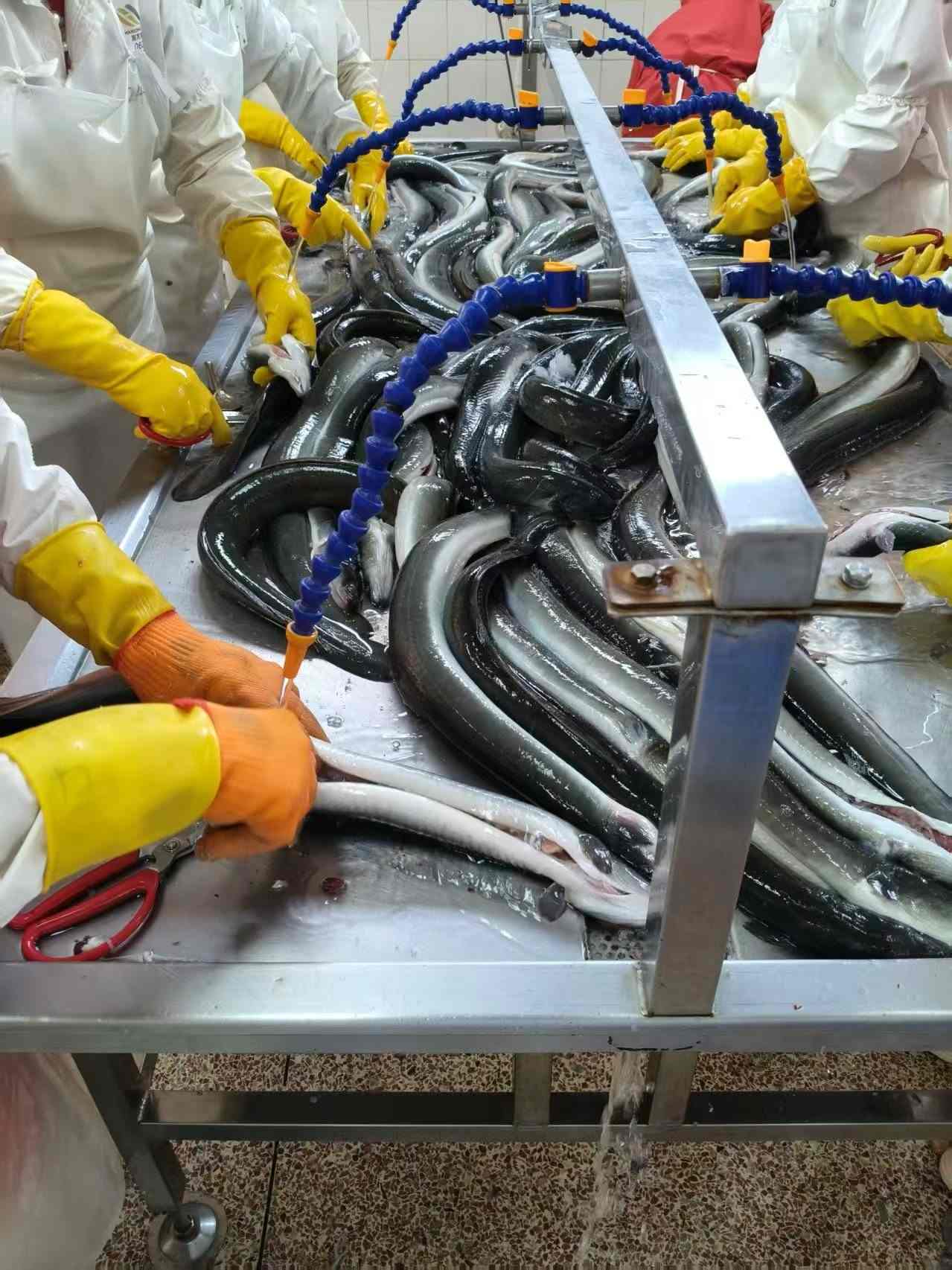
Technically, it's both. Unagi is the Japanese word for freshwater eel, most commonly the species Anguilla japonica. However, in the global food trade and on menus, it almost exclusively refers to the cooked unagi dish. Sourcing raw, unprocessed unagi is a different process with different handling requirements compared to sourcing the ready-to-heat prepared product that most businesses need.
-
Does unagi mean grilled eel?
In practice, yes. While unagi is the eel itself, its culinary identity is inseparable from grilling. The term inherently suggests that the eel has been grilled. Other preparation methods exist, but they are usually specified (e.g., steamed eel). If a product is labeled simply as "unagi," it is overwhelmingly implied to be a grilled eel Japanese food product.
-
What is the difference between unagi and kabayaki?
This is the most critical distinction for buyers. Unagi is the eel (the ingredient). Kabayaki is the most famous method of preparing it. Unagi Kabayaki is eel that has been butterflied, deboned, skewered, and grilled while being basted with a sweet, soy-based sauce known as tare. Therefore, kabayaki is a specific style of unagi. Another less common style is shirayaki, where the eel is roasted without sauce to highlight its natural flavor. When sourcing, you must specify if you require unagi kabayaki (with sauce) or another preparation.
Beyond the Definition: Key Quality Indicators for Sourcing Unagi Kabayaki
Once you understand the terminology, the next step is assessing supplier quality. As a food safety specialist, I've seen how sourcing decisions based on price alone can lead to import detentions and brand damage. True value comes from consistency, safety, and compliance. Our production process is built around verifiable quality checkpoints that directly address the risks of the international seafood trade.
The flavor and appearance of premium unagi kabayaki eel are not accidental. They result from a tightly controlled process. Our export-grade roasting line applies four distinct layers of our signature soy sauce, with each step managed by precise temperature controls. This method ensures the sauce caramelizes perfectly without burning, creating a rich flavor and a consistent, appetizing color. We’ve established internal standards for "white-roasted color" (pre-sauce) and "1st-through-4th soy-sauce coating color" to guarantee uniformity across every batch.
Furthermore, our patented low-fat roasted eel processing and deodorizing equipment address a common consumer complaint about eel being overly rich or having a "muddy" taste. This technology yields a cleaner flavor profile and a more pleasant texture, widening its appeal.
Export Compliance: The Foundation of a Reliable Supply Chain
For any B2B buyer, avoiding trade risks is paramount. A supplier's certifications are non-negotiable proof of their commitment to safety. Our facility is ISO 22000:2018 and HACCP certified, and we hold an Export Food Producer Registration Certificate. These are not just plaques on a wall; they represent a system of continuous monitoring, verification, and documentation.
From my experience guiding clients through import requirements, the biggest hurdles are often veterinary drug residues and microbiological indicators. Our products are processed to meet the stringent food inspection standards of Japan, the US, and the EU. This is possible because of our full-chain control, which starts at our 19 self-operated and cooperative certified unagi eel farms. We manage everything from farming registration and targeted sampling to final product traceability. Our in-house professional eel lab of Eelpro Co., Ltd and metal detectors at critical control points provide the data to back up our quality claims.
Streamlining Your Operations: Processing and Customization
High-quality unagi should simplify, not complicate, your kitchen or production workflow. For foodservice and wholesale clients, back-of-house efficiency is a major cost driver. Our processing capabilities are designed to deliver a product that minimizes labor and waste for you.
All our eel products are boneless/deboned and ready-to-heat, eliminating time-consuming and skilled prep work. We also offer precise, standardized cutting to fit a variety of applications. This ensures portion control and consistency across multiple locations or product lines.
Available Custom Cutting Specifications:
- Shredding (Unagi Kizami): Fine shreds perfect for mixing into rice, as a topping for salads, or for use in pasta dishes.
- Dicing: Small, uniform cubes ideal for fried rice, sushi roll fillings, or as a component in appetizers.
- Strip-Cutting: Longer, thicker strips suitable for bento boxes, noodle bowls, or skewers.
- Chunk-Cutting: Larger, irregular pieces that provide a heartier bite, often used in rice bowls (unadon).
- 3-Section Cut: The classic cut for unadon, dividing a fillet into head, middle, and tail sections for presentation.
- Sushi Slices (Neta): Precisely sliced and portioned toppings ready for nigiri sushi, saving chefs valuable time.
Packaging is another area for customization. We can accommodate various formats, from vacuum skin-packaging that enhances shelf appeal for retail to bulk gift boxes for wholesale clients. Our minimum order quantities (MOQ) are flexible and negotiable based on the specific product cut and packaging format you require.
Buyer's Checklist for Sourcing Export-Grade Unagi
When evaluating a potential supplier, use this checklist to ensure they meet the technical and safety standards required for a stable, long-term partnership. Answering these questions will help you vet partners effectively.
| Criterion | Questions to Ask a Potential Supplier | Eelpro's Standard |
|---|---|---|
| Food Safety Certifications | Are you ISO 22000 and HACCP certified? Can you provide your export registration details? | Yes, we hold ISO 22000:2018, HACCP, HALAL, and an Export Food Producer Registration Certificate. |
| Traceability & Raw Material Control | Where do you source your raw eels? Can you trace a finished batch back to the farm? | We source from 19 certified farming bases with full-chain traceability from farm to finished product. |
| Processing & Quality Standards | What is your roasting and saucing process? Do you have standards for color, texture, and flavor? | We use a proprietary 4-layer saucing process with established color standards and patented low-fat processing technology. |
| International Compliance | Can your products meet the import standards (e.g., drug residue limits) for my target market (US, EU, Japan)? | Yes, our products are produced to meet the food inspection standards of major international markets. |
| Production Capacity & Lead Time | What is your annual capacity? What is your standard lead time from order to shipment? | Our annual capacity is 4,000 tons. Standard lead time is approximately 30 days, negotiable by order. |
| Customization Capabilities | Can you provide custom cuts (diced, sliced, shredded) and packaging formats? What are your MOQs? | Yes, we offer a full range of custom cuts and packaging. MOQs are flexible and discussed per client needs. |
Understanding the unagi definition is the starting point. The real value for your business lies in partnering with a unagi kabayaki manufacturer that can provide a safe, consistent, and customizable product. By focusing on these quality indicators, you can secure a supply chain that supports your growth and protects your brand.
To receive a full product specification sheet or to discuss your custom cutting and packaging requirements, please contact our export team.