

Why Is Eel in Japanese Sushi Usually Cooked Instead of Served Raw?
You're staring at the sushi menu. Salmon, tuna, yellowtail — all raw, all glistening. Then you hit the eel roll. It's brown, glazed, slightly caramelized. Why does it look nothing like the rest? That's the question most first-time diners never think to ask, and the answer says a lot about food safety. Eel in Japanese sushi is almost always cooked, not raw — and that's not a style choice. It's a biological necessity.
This article breaks down exactly why, what "cooked eel sushi" actually means in practice, and where the boundaries of raw eel preparation sit. If you're ordering unagi nigiri tonight, you'll know precisely what you're eating.
Is Eel in Japanese Sushi Cooked? The Short Answer
Yes. Unagi (freshwater eel) and anago (saltwater conger eel) are both served fully cooked in sushi. There is no raw eel nigiri on a legitimate sushi menu, anywhere, from a trained itamae. This isn't a regional quirk — it's standard practice across Japan, the US, and export markets.
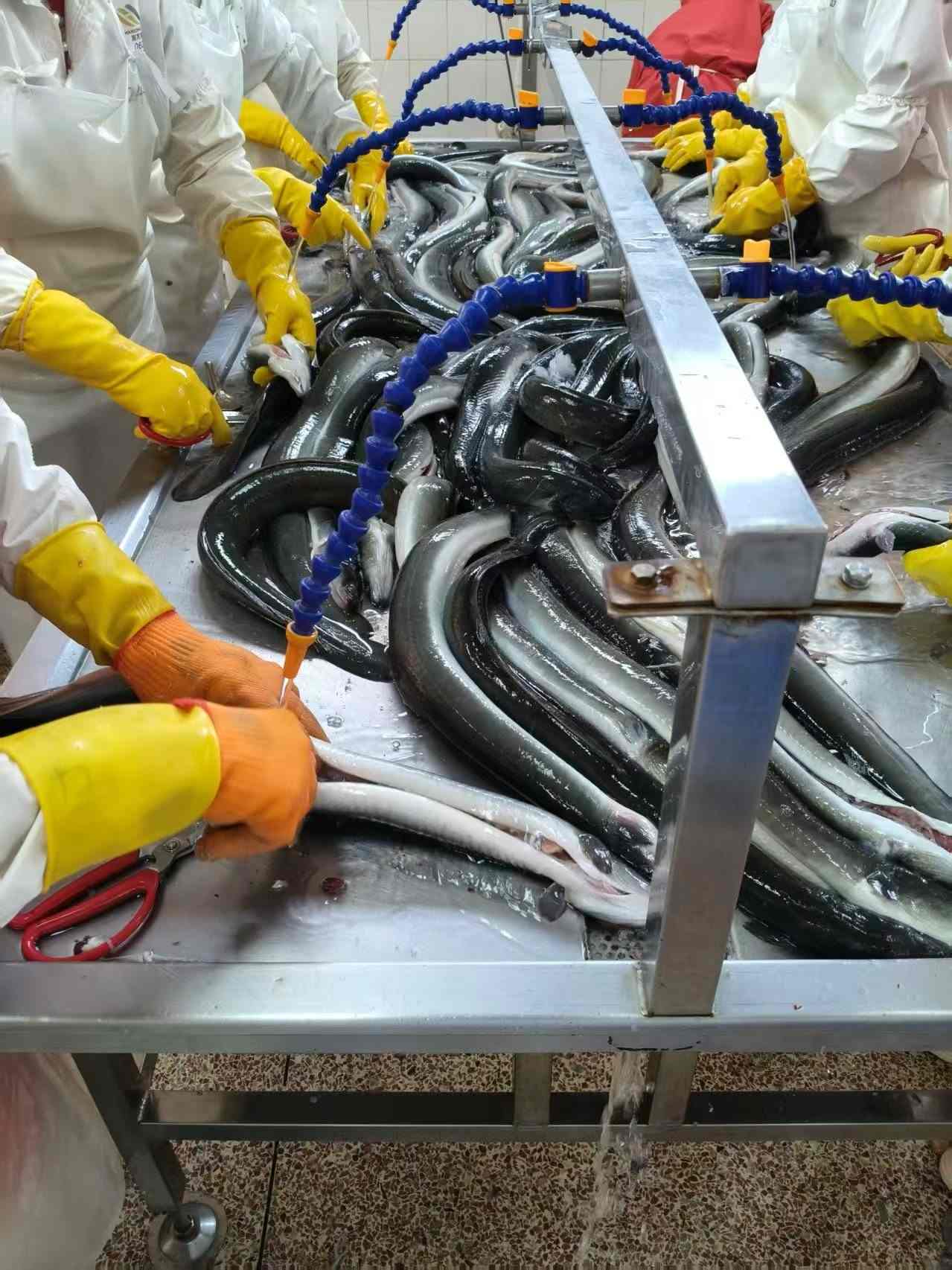
The cooking method is specific: eel is butterflied, deboned, skewered, and grilled over an open flame, then basted repeatedly in a sweet-savory glaze called tare (also known as unagi sauce or kabayaki sauce). This is the kabayaki method, and it's what gives grilled eel its signature dark, lacquered look.
- Unagi nigiri — freshwater eel, grilled, brushed with tare, served warm or room temp over rice
- Anago sushi — saltwater conger eel, simmered or grilled, lighter and less fatty than unagi
- Unadon / unajyu — grilled eel over rice in a bowl, the non-sushi cousin of unagi nigiri
Why Is Unagi Grilled Before Sushi? Three Real Reasons
People assume it's about flavor. That's part of it — but not the main driver. Here's the actual reasoning, in order of importance.
1. Blood Toxicity
Eel blood contains a protein toxin called ichthyotoxin, which is destroyed by heat but dangerous if ingested raw in enough quantity. This is well documented in general food science literature on eel biology. Professional kitchens handle this safely during butchering, but it's a hard reason raw eel sashimi never became standard — the risk-reward math doesn't work for a garnish-sized cut of fish.
2. Texture and Bone Structure
Eel has a dense network of small pin bones running through the flesh, plus a tough, slippery skin. Raw, the texture is rubbery and unpleasant — nothing like the buttery bite of raw tuna. Grilling breaks down collagen, softens the flesh, and lets the fat render, which is why cooked unagi has that melt-in-the-mouth quality raw eel simply cannot deliver.
3. Parasite Risk
Freshwater fish carry a higher parasite load than most ocean species used in sashimi. Anisakis and other parasites are a known concern in freshwater and anadromous fish, and proper cooking temperature eliminates that risk entirely. Sushi-grade tuna and salmon go through freezing protocols to manage this; eel goes through heat instead, which is more effective given its flesh density.
Boundary: Why Raw Eel Almost Never Appears in Sushi
This is the part most articles skip. Let's be direct about the limits.
| Factor | Raw Eel | Cooked Eel (Kabayaki) |
|---|---|---|
| Blood toxin (ichthyotoxin) | Present, risk if consumed raw | Neutralized by heat |
| Bone structure | Fine pin bones remain, unpleasant | Softened, deboned before grilling |
| Texture | Rubbery, tough | Tender, fat renders during grilling |
| Parasite risk | Higher in freshwater species | Eliminated at proper cooking temperature |
| Availability in sushi bars | Essentially none, not offered | Standard menu item worldwide |
There is no commercially available "raw eel sashimi" product — not in Japan, not in the US, not through any reputable importer. Even chefs who pride themselves on rare, unusual raw preparations don't serve raw eel. The combination of toxin risk, bone density, and texture makes it a non-starter, not a stylistic gap waiting to be filled. Some diners ask about "ready-to-eat" eel products sold in retail packaging — these are pre-cooked and vacuum-sealed, never raw. If a package labeled "eel" doesn't specify it's cooked, that's a red flag, not an invitation to eat it raw.
Can You Eat Eel Sushi Raw? What Actually Happens If You Try
Technically, small amounts of properly bled and prepared eel muscle tissue (not blood) carry lower toxin risk than the whole animal. But no training standard, no HACCP-based supplier, and no import compliance framework treats raw eel as food-safe for retail or restaurant sale. Restaurants that source eel for sushi — including kabayaki eel from certified processors — receive it pre-cooked or grill it in-house specifically because raw service isn't part of any recognized food safety protocol. If you're a restaurant operator sourcing eel, this matters for compliance. Products meeting Japan, US, and EU food inspection standards for veterinary drug residues and microbiological indicators are built around the cooked kabayaki process — not raw handling.
How Unagi Nigiri Is Actually Made: Step by Step
- Live or fresh-frozen eel is butterflied along the spine and deboned by hand or machine.
- The eel is skewered to keep it flat during grilling.
- White-roasting stage — grilled plain first, without sauce, to render fat and firm the flesh.
- Steaming (for Tokyo-style kabayaki) — softens the eel further before saucing.
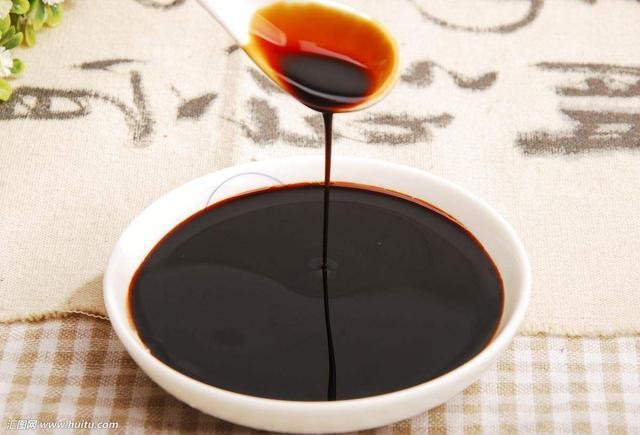
- Tare glazing — the eel is dipped or brushed with soy-based tare sauce in multiple coating passes, then grilled again until the glaze caramelizes.
- Cooling and slicing — cut into nigiri-sized portions, or left whole for unadon bowls.
Multiple layers of tare application is what separates good unagi from average unagi. Each pass builds color and depth — a process sometimes described using shade standards like "1st-through-4th soy-sauce coating color" in export-grade processing. You can read more about how the sauce itself is formulated in this kabayaki sauce article.
Common Mistakes Diners and Buyers Make
- Assuming "unagi" and "anago" are the same thing — unagi is freshwater, fattier; anago is saltwater, leaner. Menus should distinguish them, but not all do.
- Confusing smoked eel with kabayaki eel — smoked eel is a different preparation entirely, popular in European and some fusion menus, and worth knowing about if you're exploring recipe variations like this smoked eel recipe.
- Assuming frozen eel is lower quality — properly processed frozen unagi kabayaki, stored in cold-chain conditions, retains texture and flavor close to fresh-grilled, especially when reheated correctly.
- Skipping the sauce check — cheap tare is often overly sweet with little depth; better tare carries a layered savory-sweet balance from proper reduction and aging.
Buyer's Checklist: Sourcing Eel for a Sushi or Foodservice Menu
- Confirm the eel is pre-cooked (kabayaki or shirayaki/white-roasted) — never raw, never partially cooked for retail sale.
- Ask for documentation on veterinary drug residue and microbiological testing, especially for export to Japan, US, or EU markets.
- Check cutting specification options — whole skewers, cut pieces, or sushi slices — to match your menu format.
- Verify cold-chain handling from processing to delivery; eel quality degrades quickly with temperature abuse.
- Request boneless/deboned specification if you're running a high-volume kitchen and want to cut back-of-house prep time.
For kitchens standardizing eel across multiple locations, working with a supplier offering consistent unagi kabayaki cuts and matching eel sauce makes menu consistency far easier to manage than sourcing components separately.
FAQ: Quick Answers on Eel Sushi Safety
Is eel in Japanese sushi cooked?
Yes, always. Both unagi and anago are grilled or simmered before being served in any sushi format.
Why is unagi grilled before sushi?
Grilling neutralizes blood toxins, softens tough flesh and bone structure, and eliminates parasite risk — three separate safety and texture reasons, not just tradition.
Can you eat eel sushi raw?
No reputable restaurant or supplier offers raw eel for sushi. The combination of toxin, texture, and parasite risk makes cooked preparation the only standard practice.
What's the difference between unagi and anago?
Unagi is freshwater eel, richer and fattier. Anago is saltwater conger eel, leaner and slightly sweeter. Both are cooked before serving.
Curious how frozen unagi kabayaki holds up against fresh-grilled eel for your menu? Request a sample or spec sheet from Eelpro to see the cutting formats and packaging options available for your kitchen.