





How Farmed Unagi Eel Differs From Wild Eel for Better Menu Decisions
Two grilled fillets can look almost identical on a rice bowl, yet cook very differently over heat. The question is not simply whether farmed or wild is “better.” For a restaurant buyer, the real question is which unagi eel source gives the flavor, portion control, supply continuity, and grilling result required by the menu.
A wild-caught eel may offer a more variable seasonal character. Farmed supply is generally selected when a kitchen needs repeatable portions and stable procurement. Neither option automatically guarantees quality. Handling, freshness, fat condition, processing, sauce application, and cold-chain control still decide what reaches the guest’s plate.
For Japanese-cuisine operators, importers, and foodservice buyers, the better choice starts with the intended dish. A sushi counter, an unadon rice-bowl chain, and a chef-led seasonal restaurant may reasonably choose different specifications for unagi eel.

Why the origin of unagi eel matters after it reaches the grill
Farmed eel is produced through aquaculture, meaning the fish are raised under managed conditions. Wild eel is harvested from natural waters. That origin affects variability, but it should not replace a product specification sheet or a supplier audit.
For most foodservice operations, farmed unagi eel is the practical choice when menu consistency matters. Managed farming can support more predictable raw-material supply and a more even starting point for processing. This suits chains, central kitchens, frozen-food distributors, and operators who must match portions across many locations.
Wild eel can suit a limited seasonal offer where the chef wants a product with more natural variation and is prepared to manage changes in size, fat level, and texture. It is less suitable when the menu promises identical plate presentation every day or when demand forecasting depends on uninterrupted volume.
- Choose farmed supply when the menu needs repeatable serving size, stable availability, and standardized grilling performance.
- Consider wild supply when seasonality and individual character are part of the menu story, and the kitchen can accept less uniformity.
- Do not decide by origin alone. Request traceability records, product format, processing details, storage requirements, and inspection documentation before approving either source.
For example, a multi-unit Japanese restaurant group serving kabayaki rice bowls benefits more from consistent cut dimensions and glaze coverage than from a changing wild-catch profile. By contrast, a small chef-driven restaurant may accept natural variation if that variation fits its seasonal menu concept.
Comparison of farmed and wild unagi by flavor, fat level, consistency, availability, and kitchen performance after grilling
The direct answer is simple: farmed unagi eel is usually easier to standardize, while wild unagi eel is more likely to vary from batch to batch. “Usually” matters. Feed, growing conditions, season, harvest condition, handling, and processing can all change the finished result.
| Buying factor | Farmed eel | Wild eel | What the buyer should do |
|---|---|---|---|
| Flavor | Often milder and more repeatable when the same production specification is used. | May show stronger natural variation depending on habitat, season, and individual fish. | Run a side-by-side kitchen trial if a distinctive flavor profile is the main purchase driver. |
| Fat level | Generally more even within a controlled supply program, supporting predictable richness. | Can vary more widely among fish and through the harvest season. | Ask for a sample from the actual production lot rather than judging from one older sample. |
| Consistency | Better suited to standardized cuts, repeatable portions, and chain-menu control. | More variation may appear in size, texture, and yield after trimming. | Use farmed supply for fixed-cost menus and high-volume promotional periods. |
| Availability | More suitable for planned purchasing and routine replenishment. | Can be affected by catch conditions, season, and sourcing restrictions. | Keep an approved alternative specification if wild material is part of the program. |
| Kitchen performance after grilling | Typically easier to build into a repeatable heating and glazing method because portions are more uniform. | May require closer attention because thickness and fat condition can differ. | Set separate grill instructions if both origins are used in the same kitchen. |
A farmed unagi eel fillet is not automatically softer, fattier, or sweeter than every wild one. That would be an overstatement. The useful conclusion is that farmed material is generally easier to specify and control at scale, while wild material calls for more lot-by-lot evaluation.
Cold fact for buyers: the visual color of a glazed fillet is not a reliable shortcut for judging eel quality. Sauce color, caramelization, grill exposure, and coating frequency all affect appearance. Evaluate aroma, texture, bone treatment, portion uniformity, and label information as well.
How to specify an unagi eel product instead of buying by origin alone
Origin should be one line in the buying brief, not the entire brief. A foodservice buyer should define how the product will be used before comparing quotations. A boneless kabayaki serving for rice bowls requires a different specification from shredded eel for rolls or diced eel for prepared foods.
Eelpro supplies frozen roasted eel and deep-processed aquatic products through two production lines with an annual finished-goods capacity of 4,000 tons. Our standard order lead time is approximately 30 days from order confirmation to shipment, subject to product specification and quantity. This supports planned purchasing, but it does not mean every urgent or custom order can follow the same schedule.
A practical buyer specification checklist
- Menu application: State whether the product is for unadon bowls, sushi, bento, noodle dishes, retail packs, or catering trays.
- Cut format: Specify whole fillets, cut pieces, sushi slices, strips, chunks, diced material, or shredded eel. Do not assume “fillet” means the same format across suppliers.
- Bone requirement: Confirm whether the kitchen needs boneless or deboned material and how the finished product will be served.
- Flavor system: Clarify whether the product is white-roasted, kabayaki glazed, or supplied with separate sauce.
- Packaging format: Discuss skin packaging, retail gift boxes, or foodservice packs before confirming the MOQ.
- Supply evidence: Ask for farm registration, traceability information, production controls, and relevant export documentation.
- Receiving plan: Confirm frozen storage capacity, delivery appointments, and who checks carton condition at arrival.
This checklist fits importers, distributors, and multi-site restaurant buyers. It may be more detailed than a small restaurant needs for a one-time local purchase, but it becomes necessary when the product will be imported, relabeled, distributed, or served across several outlets.
Our supply chain includes approximately 20 customs-registered eel farming bases covering more than 2,150 mu, with traceability controls from farming registration through process verification, targeted sampling, and shipment tracking. Buyers who need to review the upstream system can also examine how an eel farm supports product sourcing decisions.
What grilling differences should chefs expect from farmed and wild eel?
For a kitchen team, the major operational difference is not the label. It is how much adjustment the fish needs during heating. A uniform batch of farmed unagi eel makes it easier to create one repeatable grill routine. A more variable wild batch may require staff to watch thickness, surface browning, and fat rendering more closely.
Eelpro uses a roasting process with four layers of soy-sauce coating and controlled temperature steps. We maintain white-roasted color standards and first-through-fourth coating color standards. The purpose is controlled product appearance and flavor development, not a claim that every market or kitchen should use the same sauce profile.
- Test the product from frozen condition. Use the preparation method planned for service rather than judging a sample only after thawing.
- Separate thickness groups. Do not grill thin and thick portions together if the goal is even heating and glaze finish.
- Apply sauce in light stages. A heavy coating too early can darken before the interior is properly heated.
- Check the center and surface. The surface should not be the only acceptance point; confirm that the fillet heats evenly without drying.
- Record the trial. Note portion appearance, breakage, glaze adhesion, taste, and staff handling time before placing a larger order.
This procedure is particularly useful for a new supplier approval or a menu relaunch. It does not replace your local food-safety procedures, equipment settings, or import requirements.
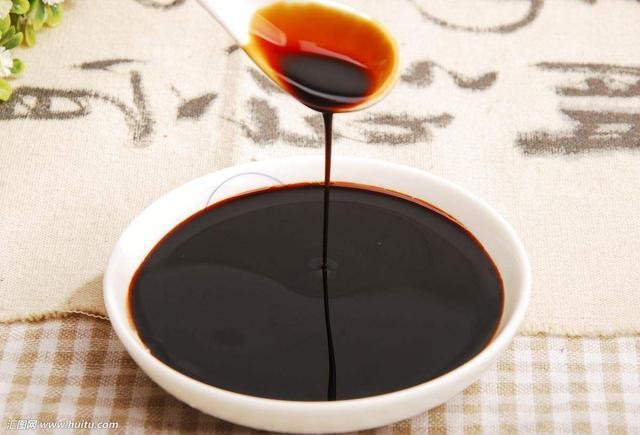
For operators who want a finished glazed format, our unagi kabayaki product page shows the product category. When sauce is purchased separately, matching it to the grilling method matters; review available eel sauce options before setting the menu specification.
Which sourcing mistakes create avoidable cost and menu inconsistency?
The most expensive buying mistakes often appear after the container arrives. A low quotation can lose its advantage if the product requires extra trimming, creates uneven portions, or does not match the menu photograph.
- Mistake: treating “wild” as a quality grade. Wild origin can be desirable for a certain menu, but it does not prove uniform size, flavor, or handling quality. Ask for lot-specific samples and documents.
- Mistake: ignoring usable format. A lower-priced whole fillet may not be economical if the kitchen needs prepared sushi slices or diced portions. Compare labor needs, not only the invoice price.
- Mistake: approving samples without a grill test. A sample should be heated and glazed using the real service equipment. Product behavior under a restaurant salamander can differ from a supplier’s test method.
- Mistake: overlooking sauce compatibility. A sweet, dark glaze may fit a rice bowl but overpower a lighter sushi application. Use a product-specific tasting panel.
- Mistake: failing to verify compliance needs early. Japan, the United States, and the European Union have different import expectations. Confirm the destination-market requirements before production is scheduled.
Eelpro holds ISO 22000:2018, HACCP, HALAL certification, export food producer registration, and an SC Food Production License for quick-frozen prepared foods, including cooked products and seasoned aquatic products. Our in-house eel lab, quality-control personnel, and metal detectors at control points support export-oriented checks. These controls support buyer due diligence, but each importer remains responsible for confirming destination-market documentation and local compliance requirements.
Frequently asked questions about farmed and wild unagi eel
Is farmed unagi eel lower quality than wild eel?
No. Farmed unagi eel is not inherently lower quality. It is often selected because consistent farming, processing, and portioning can suit foodservice operations. Wild eel may be preferred for a seasonal or chef-led concept, but its natural variation must be managed. Quality should be judged through samples, traceability, processing standards, and kitchen performance.
Does wild eel always have more fat?
No. Fat level can change with season, habitat, feed history, fish condition, and individual variation. A buyer should not make this assumption without evaluating samples from the proposed lot. For dishes that depend on a rich mouthfeel, conduct a grilled sensory test rather than relying on origin claims.
Which option is better for a restaurant chain?
Farmed unagi eel is generally the stronger fit for a restaurant chain because stable sourcing, uniform formats, and repeatable grilling reduce operating variation. This does not apply if the chain’s brand is specifically built around seasonal wild sourcing and can accommodate supply changes.
Can one menu use both farmed and wild eel?
Yes, but only with clear menu and kitchen controls. Use separate purchasing specifications, receiving checks, and cooking instructions. Do not substitute one for the other without considering portion size, sauce balance, price position, and guest expectation.
What should an importer request before ordering?
Request product specifications, packaging details, MOQ discussion, sample availability, traceability information, certification copies, destination-market documentation, and the expected production-to-shipment schedule. For buyers evaluating frozen supply beyond eel, Eelpro also provides frozen seafood product categories.
If you are comparing farmed and wild options for a menu or import program, request a sample and specification review from Eelpro before confirming your next order.
 WhatsApp
 sales@chinaeels.com
 +8619937922411