



A Buyer's Guide to Verifying Authentic Unagi Eel
As an international seafood buyer, you know that not all products labeled "eel" are the same. The term can represent numerous species with vastly different textures, fat content, and flavor profiles. For restaurants and distributors focused on authentic Japanese cuisine, sourcing true unagi eel—specifically the species Anguilla japonica—is non-negotiable. Misidentifying the species can lead to inconsistent menu quality, dissatisfied customers, and even sourcing from unsustainable or non-compliant suppliers. This guide provides the technical details you need to distinguish authentic unagi and vet your supply chain effectively.
I'm Nancy Chen, and for over 12 years, I've managed food safety and quality for seafood exporters. My work involves ensuring every shipment, from our unagi eeel farm for eelpro co., ltd to our clients in Japan and the EU, meets precise specifications. Let’s break down the critical identification points for this prized freshwater fish.
Technical Identification of Anguilla Japonica and Foodservice Cuts
The foundation of any high-quality unagi product is the raw material itself. For discerning markets, this means exclusively using Anguilla japonica. This species has a unique lifecycle and specific physical characteristics that influence its culinary properties. Understanding these details helps you ask suppliers the right questions and evaluate product quality beyond a simple spec sheet.
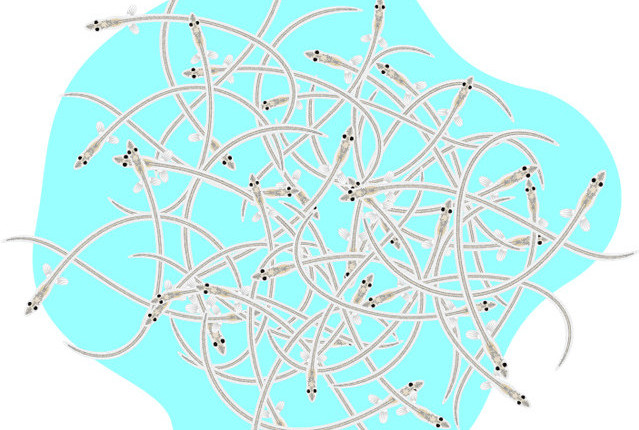
This species is catadromous, meaning it is born in saltwater, migrates to freshwater to grow, and returns to the ocean to spawn. This complex lifecycle makes farming a highly technical process, as it relies on catching wild glass eels and raising them in controlled environments. This is why full traceability to the farming base is so important.
Key Identifiers and Foodservice Implications
For buyers, the most practical information relates to how the species and its processing affect the final product. Here’s a breakdown of what matters for your business.
| Parameter | Technical Specification (Anguilla japonica) | Why It Matters for Your Business |
|---|---|---|
| Species & Habitat | A freshwater eel that matures in rivers and estuaries before migrating to the ocean to spawn. Farmed in controlled, registered bases that mimic this environment. | Flavor & Texture: The freshwater environment contributes to its clean, non-muddy flavor. Its high fat content results in a tender, melt-in-your-mouth texture when cooked, which other eel species lack. |
| Fat Content | Naturally high in intramuscular fat. Our patented low-fat roasting process controls the final fat percentage for a rich but not greasy product. | Cooking Performance: Proper fat content is essential for the caramelization of the kabayaki sauce. Too little fat results in a dry product; too much can feel oily. Consistent fat levels ensure a predictable cooking outcome in your clients' kitchens. |
| Fillet Preparation | Always deboned and butterflied. The skin is left on as it contains flavor and crisps up during roasting. | Kitchen Efficiency: Receiving boneless, ready-to-heat fillets drastically reduces back-of-house labor and food waste for foodservice clients. It guarantees a safe, bone-free experience for the end consumer. |
| Standard Foodservice Cuts | Includes full fillets (kabayaki), sushi slices (neta), diced pieces (for rice bowls), shreds (for toppings), and custom portion cuts. | Menu Versatility: Standardized cuts allow for precise portion control and cost management. Offering a variety of cuts from a single supplier simplifies inventory and allows chefs to use unagi across multiple menu items, from eel sushi roll recipe: make unagi rolls to donburi bowls. |
From Farm to Freezer: Validating a Traceable Supply Chain
Verifying the species is only the first step. For markets like Japan, the US, and the European Union, proving where and how that eel was raised is equally important. A lack of traceability introduces significant risks, from contaminants and veterinary drug residues to supply interruptions. At Eelpro, we built our supply chain around transparency and control.
Our system is founded on a network of approximately 20 customs-registered eel farming bases. These farms, covering over 2,150 mu, are not just suppliers; they are integrated partners in our quality system. We maintain full-chain control, which includes:
- Farming Registration & Verification: Every farm must adhere to strict protocols for water quality, feed, and animal welfare, which are regularly audited.
- Targeted Sampling: Before harvesting, we conduct targeted sampling of the eels to test for any prohibited substances. This is managed by our in-house eel lab of Eelpro Co., Ltd.
- Full Traceability Tracking: Each batch of raw eels is tagged with a code that follows it from the farm, through our processing facility, and into the final packaged product, allowing for a complete recall if ever needed.
This level of control is how we confidently supply clients in high-regulation markets. For example, our long-term partners in Germany and Poland rely on this documentation to ensure smooth customs clearance and compliance with EU food safety laws. When you partner with us, you are not just buying a product; you are buying a verified, low-risk supply chain.
Processing Technology That Defines Quality and Consistency
The final quality of a frozen unagi kabayaki eel product is determined in the processing facility. This is where the delicate texture and deep flavor are perfected. Many suppliers use a standard roasting process, but small variations in temperature and sauce application can lead to inconsistent results.
Our production workshop, spanning 8,497 m², is equipped with two modern production lines with an annual capacity of 4,000 tons. We have invested in patented technologies to solve common quality issues in eel processing.
Our unique roasting process involves four precise layers of soy sauce application. Each layer is applied at a specific temperature-controlled stage of roasting. This method builds a deep, complex flavor that permeates the fillet, rather than just sitting on the surface. We have even established internal color standards for 'white-roasted' (un-sauced) eel and for each of the four soy-sauce coating stages to ensure absolute consistency.
Furthermore, our patented deodorizing equipment and low-fat roasting technology address two major customer concerns: any residual muddy taste and excessive oiliness. This results in a cleaner-tasting, more balanced product that performs exceptionally well in professional kitchens.

Buyer's Checklist for Vetting a Supplier
When evaluating a potential unagi eel supplier, use this checklist to ensure they meet the technical and compliance standards necessary for a stable, long-term partnership.
- Certifications: Do they hold internationally recognized food safety certifications? (We are ISO 22000:2018, HACCP, and HALAL certified).
- Traceability: Can they provide documentation tracing the product back to a registered farming base?
- Processing Technology: What specific techniques do they use to ensure consistent flavor, texture, and fat content? Do they have proprietary methods?
- Export Experience: Can they provide case studies or references for exporting to your specific country or region? (We have a proven track record supplying restaurant chains and importers in Japan, the US, Germany, Poland, Australia, and across Southeast Asia).
- Production Capacity & Logistics: Do they have the capacity to handle your volume and a robust cold chain to ensure product integrity? (Our 4,000-ton annual capacity and 1,000-ton cold storage facility provide supply stability).
- Quality Control: Is there an in-house laboratory and documented critical control points, such as metal detectors?
Meeting Global Standards to Mitigate Import Risks
Ultimately, a supplier's greatest value is their ability to deliver a product that passes inspections and satisfies your end customers without issue. The costs associated with a rejected shipment—from freight and storage to product loss and reputational damage—are immense. That is why our entire quality system is designed to meet the strictest food inspection standards of Japan, the US, and the EU.
Our 25 technical and quality-control specialists oversee every step, ensuring all products meet demanding limits for veterinary drug residues and microbiological indicators. This proactive approach to compliance is what helps our buyers avoid trade risks. By applying export-grade quality standards to all our products, we provide a consistent, reliable supply of unagi eel that you can trust.
The ready-to-heat, deboned, and standardized cuts also provide significant operational advantages for foodservice supply chains, reducing labor costs and ensuring a consistent dining experience for patrons everywhere.
Ready to source authentic unagi eel from a fully certified and traceable supplier? Contact our team to discuss your product specifications and request a sample.
 WhatsApp
 sales@chinaeels.com
 +8619937922411