





Cooked Eel Left in the Fridge Too Long Can Still Be Risky to Eat Cold
You just pulled a vacuum-sealed pack of thawed kabayaki eel out of the fridge. It smells fine. It looks glossy and dark, just like it did on delivery day. But is three-day-old cooked eel actually safe to eat cold, straight from the pack? The answer isn't about smell or looks — it comes down to temperature and time. Get the timing wrong and you risk foodborne illness, not just a disappointing dinner.

Can You Eat Cooked Eel Cold Straight From the Fridge?
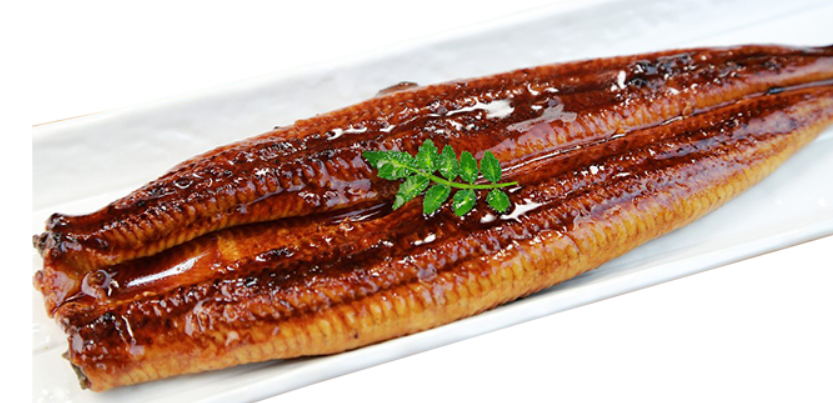
Yes, in most cases. Fully cooked eel such as frozen unagi kabayaki is roasted and glazed before it's ever frozen — it doesn't need to touch a stove again before you eat it. As long as it was thawed in the refrigerator, not on the counter, and kept at or below 40°F (4°C), you can slice it cold for a rice bowl, a sushi roll, or a noodle salad without any extra cooking step. Because it's already cooked eel, no searing or boiling is required before serving cold.
This is one reason kitchens like unagi kabayaki for quick service — it arrives finished, glazed through a four-layer soy-sauce coating process, and only needs thawing.
The Boundary: When Chilled Cooked Eel Is Safe Cold and When It Needs Reheating or Disposal
Here's the part most buyers skip: cooked eel doesn't stay safe forever just because it sits in the fridge, and it doesn't become unsafe just because it was out for ten minutes. The real boundary is a mix of temperature and time, based on the food-safety concept known as the temperature danger zone — the range between 40°F and 140°F (4°C-60°C) where bacteria multiply fastest. The table below shows how long chilled cooked eel remains safe to serve cold versus when it crosses into reheat-or-discard territory.
| Exposure Scenario | Safe to Serve Cold? | Required Action |
|---|---|---|
| Refrigerated at ≤40°F (4°C), within 3-4 days of thawing | Yes | Serve cold, or reheat if preferred |
| Room temperature under 2 hours, then rechilled promptly | Yes, once rechilled | Serve cold or reheat |
| Room temperature 2-4 hours | No | Reheat to 165°F (74°C) internal before eating |
| Room temperature over 4 hours, or over 1 hour above 90°F (32°C) | No | Discard — do not reheat and serve |
| Stored longer than 4 days after thawing, even if refrigerated | No | Discard |
One detail trips people up: reheating doesn't undo everything. Bacteria such as Staphylococcus aureus can produce heat-stable toxins once eel sits too long in the danger zone. Cooking it again kills the bacteria, but the toxin already released stays active. This is why cooked eel that's been mishandled can look and smell normal right up until it isn't safe. That's why the boundary above runs on time and temperature — not on whether you plan to reheat it later.
Common Mistakes Buyers Make With Thawed Cooked Eel
- Thawing cooked eel on the counter overnight instead of in the fridge or under cold running water — this pushes it through the danger zone for hours before the pack is even opened.
- Refreezing cooked eel after thawing. It won't necessarily make you sick right away, but it degrades the glaze and texture, and every freeze-thaw cycle adds bacterial risk.
- Judging freshness by smell alone. The soy-sauce glaze on roasted eel is strong enough to mask early spoilage odors. Check texture and surface sliminess instead.
- Buffet-style service without a timer. Sliced eel left on a cold plate at a catering event for four or five hours is past the safe window, even if the room feels cool.
- Ignoring the "use within X days of opening" label on export-grade packaging — that date already assumes standard fridge conditions, not extended ones.
Step-by-Step: Safe Thawing and Serving Procedure for Frozen Unagi Kabayaki
Follow these steps every time you handle thawed cooked eel, whether for retail packing or back-of-house prep.
- Move the frozen pack from freezer to refrigerator 12-24 hours before use. Never thaw cooked eel on the kitchen counter — room-temperature thawing is the single biggest cause of spoiled batches.
- Once thawed, keep it sealed and refrigerated at ≤40°F (4°C). Plan to use it within 3-4 days.
- For cold applications — sushi rolls, rice bowls, salads — pat the surface dry and slice right before plating.
- For hot applications, reheat in a covered pan with a spoon of water or extra sauce for 3-5 minutes, or in an oven at 350°F (175°C) for 8-10 minutes, until the internal temperature reaches 165°F (74°C).
- Never leave sliced eel sitting at room temperature more than 2 hours during prep or service — reset the clock every time it leaves refrigeration.
If you want to build a full dish around it, the easy methods and tips guide covers both cold and hot serving styles, and our eel sauce page has notes on how glaze thickness affects reheating time.

Why Cold-Chain Control Before Delivery Reduces This Risk
The 3-4 day window above assumes the eel was actually frozen solid when it reached you, not partially thawed in transit. That's a cold-chain problem, not a kitchen problem — and it starts long before the product ships.
Our production runs under ISO 22000:2018 and HACCP systems, with an in-house lab and metal detectors at critical control points, and traceability back to roughly 20 customs-registered farming bases covering over 2,150 mu. The finished cooked eel then moves into a 1,000-ton cold storage facility before shipment, keeping product temperature stable instead of cycling up and down while it waits for a container slot. That distinction matters, because cooked eel that partially thaws in a hot container loses days of safe shelf life before it even reaches your dock.
For example, a US importer receiving a container of frozen unagi kabayaki benefits directly from this setup — the eel arrives still solidly frozen, so the full cold window described above applies at their end rather than a shortened one caused by transit thawing. You can see how the raw material side works on our eel farm page, and how quality checks run on our eel lab page.
Frequently Asked Questions
Does frozen unagi kabayaki need to be cooked before eating?
No. It's fully roasted and glazed before freezing, so thawing is the only required step. That's what makes cooked eel convenient for both cold plating and quick reheating.
Can I refreeze thawed cooked eel?
We don't recommend it. Refreezing softens texture, dulls glaze color, and adds another freeze-thaw cycle that raises risk — and refrozen cooked eel can't be visually distinguished from properly stored product, so you lose your ability to judge it by sight.
How can I tell thawed eel has actually spoiled?
Look for a sour or ammonia-like smell under the soy glaze, a slimy or tacky surface, and grayish discoloration that wasn't there at delivery. If two or more of these show up, discard it — don't rely on a single sniff test.
What's the realistic fridge life once thawed?
3-4 days at or below 40°F (4°C), assuming it stayed sealed and refrigerated the entire time. That number applies specifically to cooked eel kept within safe refrigeration throughout — past that window, quality and safety both drop off, and reheating won't bring either one back.
Curious about turning thawed eel into a full meal instead of a cold snack? Our eel recipes guide walks through a warm noodle-soup version, and the kabayaki sauce article explains how glaze thickness changes reheating time.
Have questions about shelf life for a specific order size or packaging format? Reach out for a spec sheet or a sample pack of our frozen unagi kabayaki, and our team can walk through storage guidance for your shipping route.


 WhatsApp
 sales@chinaeels.com
 +8619937922411