





Do Eels Have Bones and Why Their Flexible Skeleton Feels Different
You lift a glossy piece of grilled unagi with chopsticks, expecting fish bones, yet it bends softly over the rice. So, do eels have bones, or is their smooth texture hiding something unusual? They do have bones, but their skeleton is built very differently from the broad, pin-bone-heavy fish many diners know.
The short answer is simple: do eels have bones? Yes. Freshwater eels have a long bony spine, ribs, a skull, and fin-supporting skeletal structures. What they generally do not present is the same wide, easy-to-find pattern of forked pin bones that can make other fish difficult to eat. That difference affects trimming, cooking, portioning, and product selection for restaurants, retailers, and home cooks.
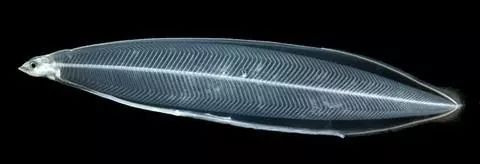
Do eels have bones that diners need to worry about?
Do eels have bones that must be removed before serving? For most prepared eel products, the practical answer is that the main bones should already be managed through processing. The eel is not boneless in a biological sense, but a properly prepared fillet can be comfortable to eat because the main skeletal parts are handled before cooking and because gentle heating softens the remaining fine structures.
The vertebral column is the eel’s central support structure. It runs almost the full length of the body and gives the eel its famous wave-like swimming motion. Unlike the short, compact backbone in a round fish, an eel’s spine is long and narrow. That shape is one reason a fillet can appear almost bone-free after it is opened, trimmed, cooked, and cut into portions.
For a chef or buyer, the right conclusion depends on the intended use:
- For sushi, rice bowls, and plated Japanese dishes: Choose prepared kabayaki or deboned portions. The diner expects a tender bite with little interruption from bone.
- For whole fresh eel preparation: Expect to work around the backbone and rib area. This suits skilled kitchens with an eel-preparation method and trained staff.
- For retail frozen products: Confirm whether the item is described as deboned, boneless, or simply filleted. These terms can mean different levels of bone removal.
- For children or elderly diners: Select a product designed for easy eating, then state clearly on the menu or pack how it has been prepared. No fish product should be described as risk-free without confirming the specification.
The limit is equally important. Cooking can make fine bones less noticeable, but it does not erase the eel’s skeleton. Buyers should never assume that “soft texture” means every bone has disappeared.
How eel vertebrae, ribs, and tiny intramuscular bones differ
To answer do eels have bones accurately, it helps to separate three structures that are often mixed together in everyday conversation: vertebrae, ribs, and tiny intramuscular bones. Each affects the eating experience in a different way.
| Structure | Where it is found | What it does | What buyers and cooks notice | What happens if it is misunderstood |
|---|---|---|---|---|
| Vertebrae | Along the central spine from head toward tail | Supports the body and provides flexibility for swimming | The main backbone is the largest skeletal feature during filleting | Buying whole or basic fillets without planning for backbone removal can raise kitchen labor and reduce usable portions |
| Ribs | Attached around the body cavity near the backbone | Protect internal organs and support the body wall | They are finer and less visually obvious than large rib bones in many round fish | A cook using a heavy trimming cut may remove too much edible flesh around the belly section |
| Tiny intramuscular bones | Fine bone-like or ossified structures associated with muscle and connective tissue | In some fish species, these can form a noticeable network through the flesh | In eel, they are generally less troublesome to the eating experience than the pin-bone patterns familiar in many fish | Calling every fine structure a “pin bone” can lead buyers to choose the wrong processing standard or overstate a dining concern |
The reason eel feels less bony is not that it lacks a skeleton. Its body is long, narrow, and muscle-rich, with skeletal parts arranged around a slim central axis rather than spreading through a thick, broad fillet. Many fish buyers are used to species with obvious forked bones running sideways through a wide flesh section. Eel presents a different geometry.
Cold fact: the flexible body that makes eel look almost boneless is supported by many small vertebrae, not by the absence of a backbone. If you ask, do eels have bones, remember that flexibility comes from the shape and repetition of the vertebrae.
This matters most when specifying raw material. A restaurant that serves grilled eel over rice needs a product that eats cleanly after reheating. A processor buying whole freshwater eels needs a trimming plan for the backbone and belly ribs. These are different sourcing decisions, even though both begin with the same animal.
Why prepared eel feels softer than many fish fillets
Do eels have bones that become less noticeable after roasting? Often, yes. Heat changes the eating experience. Roasting and steaming soften connective tissue, render fat, and make fine skeletal elements less prominent. A tender prepared fillet is therefore the result of anatomy plus processing, not anatomy alone.
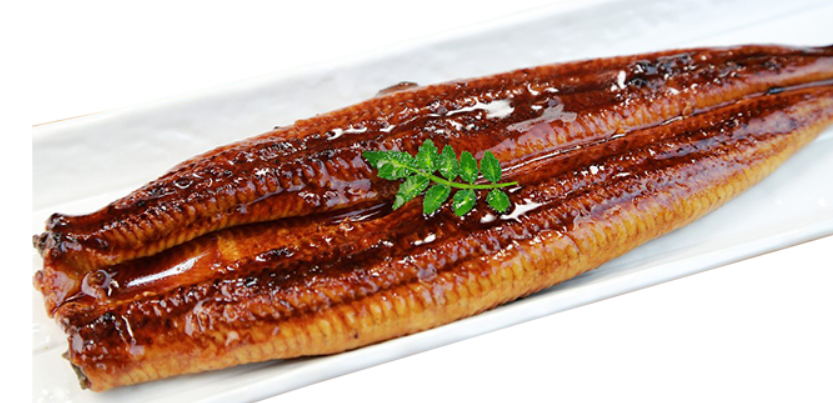
Frozen unagi kabayaki is a clear example. The eel is opened, prepared, roasted, sauced, and frozen so foodservice operators can reheat and serve it with less back-of-house work. Eelpro uses a four-layer soy-sauce coating process with temperature-controlled roasting steps, supported by patented low-fat roasting and deodorizing technology. These process controls support a consistent roasted product, but they do not change the need to choose the right cut specification.
For menu development, match the format to the dish:
| Serving format | Recommended eel form | Why it fits | When it may not fit |
|---|---|---|---|
| Unagi donburi | Portioned kabayaki fillet or cut pieces | Easy rice coverage and a familiar tender texture | Not ideal if the menu requires made-to-order whole-eel grilling |
| Sushi topping | Sushi slices or standardized strip cuts | Helps portion control and tidy presentation | Not suitable for thick, rustic sharing platters |
| Ramen or noodle soup | Shredded eel or narrow strips | Distributes flavor through broth without large bites | Can lose visual impact in premium plated dishes |
| Retail meal kits | Ready-to-heat cut pieces with sauce | Reduces consumer preparation steps | Requires packaging and labeling suited to the destination market |
Restaurants looking for traditional flavor can pair roasted eel with eel sauce, while buyers evaluating finished products can review the available unagi kabayaki format before deciding on cuts and packaging.
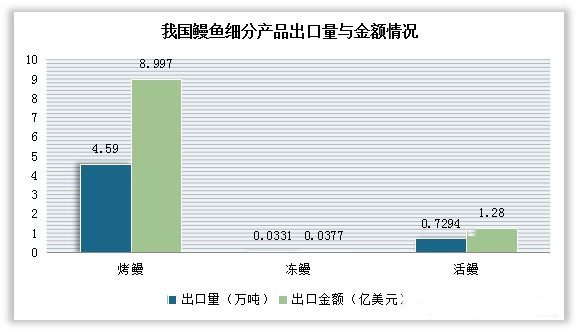
A practical buying checklist for bone-sensitive eel menus
If a customer asks do eels have bones, the best response is not a vague “almost none.” Give a product-specific answer. Buyers should ask suppliers for the cut method, intended use, and handling notes before approving samples.
- Define the serving occasion. Decide whether the product is for sushi, rice bowls, catering trays, retail meals, or further processing. A sushi slice and a three-section cut solve different operational problems.
- Specify the bone expectation. Ask whether the product is whole, filleted, deboned, or prepared for easy eating. Use the supplier’s written specification rather than relying on product photos.
- Request the cutting format. Eelpro can provide shredding, dicing, strip-cutting, chunk-cutting, three-section cuts, and sushi slices. Choose the format that reduces knife work in your kitchen.
- Check reheating suitability. A ready-to-heat product should retain a tender bite after your planned oven, grill, or steam method. Test it in the actual service environment.
- Review cold-chain capability. Frozen eel needs controlled storage and transport. Eelpro operates a 1,000-ton cold storage facility for product storage and cold-chain logistics.
- Verify export documentation needs. For Japan, the United States, the European Union, Germany, Poland, Australia, Indonesia, and Southeast Asia, align product specifications with the importer’s local requirements before shipment.
Do eels have bones becomes a procurement question when menu claims are involved. Do not print “boneless” on a retail package or menu merely because a sample felt soft. Confirm the approved product description, then keep it consistent across purchasing, packaging, sales, and service teams.
Common mistakes when handling or describing eel
Even experienced kitchens can make eel harder to eat than it needs to be. The following mistakes are avoidable.
- Mistake: treating eel like a thick white-fish fillet. Eel is narrow and rich. Over-trimming can remove valuable meat, while under-trimming a whole product leaves the backbone area difficult to portion.
- Mistake: assuming every prepared eel is identical. A white-roasted skewer, a glazed kabayaki fillet, and diced eel serve different menu needs. Select based on the final dish, not only price per carton.
- Mistake: reheating too aggressively. High, dry heat for too long can tighten the flesh and make any remaining fine structures more noticeable. Follow the supplier’s preparation guidance and test a small batch first.
- Mistake: using “boneless” as a casual promise. Ask what removal process the supplier uses and what the customer will actually receive. This is especially relevant for child-focused, elderly-care, and convenience-food applications.
- Mistake: ignoring sauce balance. Sweet soy glaze can complement eel’s rich flesh, but too much sauce can hide product quality. See this guide on Why Our Kabayaki Sauce is the Secret Weapon when planning a glazed eel menu.
The strongest operational choice is usually prepared eel with a documented cut specification for foodservice, especially where staff time is limited. This does not apply to specialist eel restaurants that have trained staff and want to prepare whole eel in-house. In that setting, whole raw eel can support a more traditional service style, provided the kitchen has the right skills.
What traceability adds to a bone-conscious eel purchase
Do eels have bones is only one part of the buyer’s question. The next question is whether the processor can control raw material, trimming, food safety checks, and shipment quality. Bone handling starts with the physical eel, but confidence comes from documented production control.
Eelpro is certified to ISO 22000:2018 and HACCP systems, holds HALAL certification and an Export Food Producer Registration Certificate, and operates under SC Food Production License No. SC11135062401122 for quick-frozen prepared foods. The company is supported by approximately 20 customs-registered eel farming bases covering more than 2,150 mu, with traceability from farming registration through process verification, targeted sampling, and traceability tracking.
For buyers asking do eels have bones before approving an import order, request both the eating specification and the quality documentation. Eelpro has supplied kabayaki eel to Japanese restaurant chains, exported unagi kabayaki and eel sauce to United States importers, and supplied eel products to German and Polish importers and foodservice channels. Products are also supplied to Australia, Indonesia, and regional Southeast Asian catering channels.
Our in-house laboratory, metal detectors at control points, and more than 25 quality-control specialists support production across two modern lines with an annual finished-goods capacity of 4,000 tons. These facts do not mean every order has the same format or lead time. Regular orders are generally delivered around 30 days from order confirmation to shipment, with timing subject to specification and quantity.
For an anatomy-to-kitchen reference, see our how to cook eel: cleaning, skinning and deboning guide. If you are selecting finished frozen products, request a quote and sample specification for the cut and bone-handling standard your menu requires.
 WhatsApp
 sales@chinaeels.com
 +8619937922411