





Does eel have bones and how can you check fillets before serving
A glossy eel fillet arrives at the pass, sauce shimmering under the lights, rice steaming below. It looks perfect. But does eel have bones that can still surprise a guest? Yes. Even when eel is processed as deboned or boneless, a quick pre-service inspection is a sensible final control for chefs, caterers, and foodservice handlers.
Fine bones are easy to miss when the eel is cold, heavily sauced, cut into small pieces, or rushed straight from packaging to plating. The goal is not to over-handle every fillet. It is to build a repeatable check that catches obvious remaining bones without breaking the tender flesh or slowing service.
Understand what may remain in prepared eel fillets
The short answer to does eel have bones is yes. Freshwater eel has a central skeletal structure and fine bones that require careful removal during processing. In foodservice, the more useful question is whether the product has been processed, cut, roasted, and checked to suit the menu format you are serving.
A supplier may offer boneless or deboned eel, yet this should be understood as a processing specification rather than a reason to skip your own receiving and pre-service checks. A sushi counter, a family restaurant, and a catering tray face different guest expectations. A visible fragment that might be tolerated in a rustic grilled fish dish can create a poor experience in a neatly portioned unagi rice bowl.
HACCP treats physical hazards as a food-safety management concern. For a kitchen team, a remaining bone is also a quality and guest-care issue. Your inspection should therefore be part of the final preparation routine, alongside checking appearance, package integrity, odor, portion consistency, and reheating condition.
| Fillet condition | What to expect | Best inspection approach | Where this approach has limits |
|---|---|---|---|
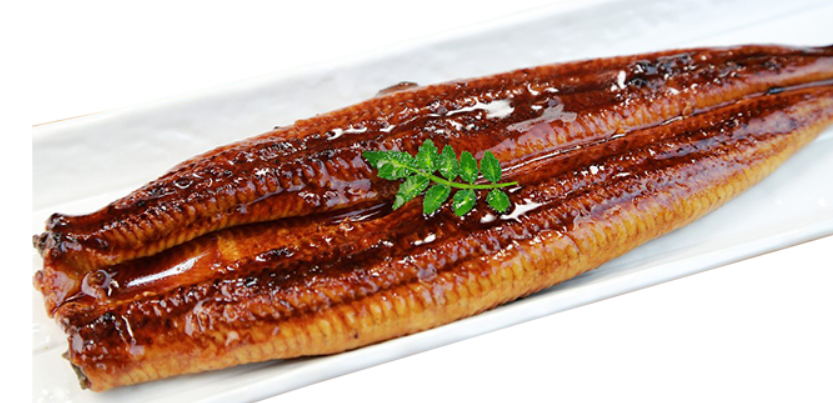
| Whole roasted eel fillet | Long muscle direction makes tactile checking easier | Use gentle fingertip strokes across the grain before cutting | Thick sauce can hide surface cues |
| Cut kabayaki portions | Smaller pieces are faster to plate but harder to inspect after cutting | Check the full fillet before portioning, then visually review each piece | Very small fragments may not be visible in dark glaze |
| Shredded or diced eel | More cut surfaces and more handling steps | Inspect before shredding and inspect the cutting board after preparation | Do not rely on a final visual check alone |
| Frozen cooked eel after thawing or heating | Soft flesh can tear if pressed too hard | Use a light touch and support the fillet from beneath | Excessive squeezing damages presentation and yield |
The conclusion is simple: check the product in the form that gives you the best access to the flesh. For a kitchen serving sliced eel, that moment is usually before cutting. For an operation serving ready-portioned pieces, inspect each portion while transferring it from the tray to the service pan. This does not apply in the same way to minced preparations where the supplier’s processing specification and receiving controls carry more weight, but visual checks are still useful.
A practical inspection method for finding fine bones by touch and visual cues in cooked or prepared eel fillets
This is the working method for a cooked or prepared fillet. It answers does eel have bones in the way that matters at the pass: can a handler detect a remaining fragment before the dish reaches a guest?
Use clean gloves or freshly washed hands, a clean light-colored tray, strong overhead light, and sanitized tweezers reserved for food handling. A light tray matters because a pale or dark fragment is easier to spot than against a patterned board. Do not inspect fillets directly over the rice bowl or plated dish. If you find a bone, you do not want it falling into the finished meal.
- Place the fillet skin-side down. Support the flesh with one hand rather than lifting it by a thin edge. This suits cooked kabayaki because the flesh is tender. It does not suit a fillet that is still frozen solid; inspect after it is sufficiently pliable to handle without cracking.
- Look along the length of the fillet. Angle the fillet toward the light and scan for straight, pale, shiny, or slightly raised lines. A remaining fine bone may interrupt the otherwise smooth muscle surface. Do not mistake a sauce streak, roasted edge, or muscle line for a bone.
- Stroke gently across the muscle direction. Use the flat pad of your index finger, not a fingernail. Move in short passes from one side of the fillet to the other. You are feeling for a hard point, a sharp ridge, or a firm line that differs from the soft surrounding flesh.
- Confirm the finding visually. If your fingertip detects resistance, stop pressing. Separate the flesh only enough to see whether the point is a bone, a browned protein strand, or a charred sauce deposit. Pulling before confirmation can tear a saleable portion.
- Remove only a confirmed bone with tweezers. Grip the exposed end and pull slowly in the direction the fragment lies. Re-check the exact spot with a fingertip after removal. If the flesh breaks apart, set that portion aside for a shredded application rather than serving it as a premium whole piece.
- Inspect the tray and tools before the next fillet. A removed bone left on the board can attach to another portion or be mistaken for a new finding. Wipe and sanitize according to your kitchen procedure.
| Checkpoint | What your hand or eyes should detect | Common failure reason | Practical correction |
|---|---|---|---|
| Surface scan | Raised line, hard point, unusual shine | Glaze hides the flesh surface | Use angled light and inspect before adding extra sauce |
| Cross-grain touch | A firm point unlike soft muscle | Handler presses too hard | Use fingertip pads with light pressure |
| Confirmation | Visible fragment at the point of resistance | Pulling without seeing the fragment | Open the flesh minimally and verify first |
| Removal | Fragment lifts cleanly with tweezers | Pulling against the bone direction | Follow the visible angle slowly |
| Final check | Smooth flesh and clean work area | Only checking the fillet, not the tray | Inspect both product and work surface |
Cold fact: cooking can make fine bones less noticeable, but softening is not the same as removal. That is why “it felt tender after heating” is not a reliable inspection result. If a guest asks does eel have bones, the honest operational answer is that good processing reduces the risk, while a final kitchen check protects the eating experience.

Build the bone check into your pre-service workflow
A bone check works best when it has a defined place in the workflow. If staff are told to inspect “when there is time,” it will disappear during a busy service. Put the check between heating and final saucing, or between opening a prepared pack and cutting the fillet for the dish.
For example, a kitchen serving kabayaki over rice can place each warmed fillet on a clean tray, conduct the visual and tactile check, cut it into the required portions, and then brush with tare. This order gives the handler access to the whole surface and keeps excess sauce from masking visual cues. The method is less suitable when the menu requires a fully glazed presentation before cutting; in that case, complete the main inspection before glazing and perform a brief final visual review after cutting.
- Receiving stage: Check packaging, labeling, product condition, and visible portion uniformity. This identifies lot-level concerns before product reaches the line.
- Preparation stage: Inspect whole fillets before slicing, shredding, dicing, or chunk-cutting. This is usually the highest-value checkpoint.
- Service stage: Review cut faces and the tray before plating. This is a confirmation check, not a substitute for the earlier tactile inspection.
- Complaint stage: Retain the relevant product details and review the preparation step. Do not assume a guest complaint came from one cause without checking the process.
For foodservice buyers, does eel have bones should be included in product discussions before ordering. Ask whether the item is supplied as whole fillets, cut pieces, sushi slices, strips, or another specification. The inspection burden changes with the cut. A whole fillet is easier for staff to feel and inspect; small pieces are easier to portion but provide less surface for tactile checks.
Eelpro supports custom formats including shredding, dicing, strip-cutting, chunk-cutting, three-section cuts, and sushi slices. For menus that need a boneless eating experience, the better choice is not automatically the smallest cut. Choose the format that matches your staff workflow and plating style. Review our unagi kabayaki options when comparing whole and portioned formats.
Avoid the inspection mistakes that cause guest complaints
Most missed-bone problems are process problems. The fillet may have been handled too quickly, checked after heavy sauce application, or cut into pieces before anyone inspected the full surface. These mistakes are preventable.
- Assuming “boneless” means no check is needed. The better practice is to treat deboning as a supplier processing feature and the kitchen check as the final service control. This applies to guest-facing plated dishes. It may be less relevant for products fully reworked into a mixed filling, though receiving checks still matter.
- Checking only by sight. Fine fragments may blend into roasted flesh or glaze. Combine angled lighting with a light tactile pass.
- Using fingernails to probe. Nails can tear soft cooked eel and can create an unsanitary handling habit. Use clean fingertip pads or food-safe tweezers for confirmed removal.
- Inspecting after shredding. Once the eel is separated, identifying the source location becomes much harder. Check first, then shred.
- Applying extra sauce before inspection. A dark, glossy coating can conceal small visual signs. Keep the first check before final glazing whenever possible.
- Discarding an entire fillet after one small finding. A confirmed fragment should be removed and the surrounding area re-checked. If the fillet is damaged during removal, redirect it to a suitable prepared application instead of serving it as a whole premium portion.
This is also where product consistency matters. Eelpro operates two modern production lines with an annual finished-goods capacity of 4,000 tons, supported by a 1,000-ton cold storage facility. More importantly for buyers asking does eel have bones, its foodservice formats include boneless or deboned eel and standardized cutting options designed to reduce back-of-house work.
Our production controls include ISO 22000:2018, HACCP, HALAL certification, export food producer registration, and an SC Food Production License. More than 160 employees, including 25 quality-control specialists, are supported by an in-house laboratory and metal detectors at critical control points. Learn how our eel lab supports product quality verification.
Choose the right eel format for your service style
There is no single answer to does eel have bones that fits every menu. The appropriate product and inspection routine depend on who will eat it, how it will be cut, and how much handling happens in the kitchen.
| Service scenario | Recommended format | Why it fits | Inspection priority |
|---|---|---|---|
| Japanese restaurant unagi bowl | Whole or large-cut kabayaki fillet | Supports clean slicing and traditional presentation | Inspect before slicing and glaze after the main check |
| Sushi counter | Sushi slices or carefully portioned cuts | Reduces knife work during service | Review each piece while arranging on rice |
| Buffet or catering tray | Standardized cut pieces | Faster portion control and easier guest service | Inspect the batch before tray assembly |
| Noodle topping or mixed rice dish | Strip-cut, diced, or shredded eel | Spreads flavor through the dish | Inspect the original fillet before further cutting |
Japanese restaurant chains have received long-term kabayaki eel supply from Eelpro, while importers and foodservice channels in the United States, Germany, Poland, Australia, Indonesia, and Southeast Asia have sourced eel products for their markets. These destinations differ in menu style, but the practical lesson is the same: specify the cut format clearly and train handlers on the final check appropriate to that format.
For dishes where glaze is a major part of the guest experience, select a sauce that matches your reheating and plating plan. Our eel sauce is available for foodservice use, and this guide on kabayaki sauce explains why sauce handling changes the final appearance of roasted eel.
Use this final checklist before the eel reaches the guest
When staff ask does eel have bones, give them a procedure rather than a vague reassurance. The following checklist can be added to a prep card or station guide.
- Confirm the correct product format before opening the pack.
- Place cooked or prepared eel on a clean, light-colored inspection tray.
- Inspect the full fillet under direct light before final saucing where possible.
- Use a gentle cross-grain fingertip check to locate hard points.
- Visually confirm any suspected fragment before attempting removal.
- Use sanitized tweezers for confirmed fragments only.
- Re-check the removal point and inspect the tray for loose fragments.
- Cut, plate, and apply final sauce only after the check is complete.
- Report repeated findings from the same product lot through your normal quality process.
For a menu team, the answer to does eel have bones is not a reason to avoid eel. It is a reason to prepare it with care. A brief, consistent inspection gives your guests the tender, satisfying unagi experience they expect while helping your kitchen protect presentation and service standards.
Request a product specification or sample to compare the eel cut format that best fits your pre-service inspection process.
 WhatsApp
 sales@chinaeels.com
 +8619937922411