





Yes eels have bones but professional processing makes them safe to eat
As a quality specialist overseeing seafood exports for over a decade, one of the most frequent technical questions I receive from new importers is, "Does eel have bones?" The simple answer is yes. Like most fish, freshwater eels (Anguilla) have a complex skeletal structure. However, the critical distinction for any foodservice business or distributor lies not in their existence, but in their management through professional processing.
A consumer finding an unexpected bone can ruin a dining experience and damage a restaurant's reputation. For importers, a shipment with poorly deboned eel can lead to costly rejections or rework. Understanding the types of bones in an eel and how a certified supplier like Eelpro manages them is key to sourcing a consistent, safe, and profitable product. Our processes are designed to transform a naturally bony fish into a premium, ready-to-heat ingredient for clients in Japan, the United States, and the European Union.
Understanding Eel Anatomy: A Breakdown of Vertebrae, Ribs, and Pin Bones
Not all bones in an eel are the same. When sourcing processed eel, it’s important to understand what has been removed and what might remain. A failure to distinguish between these can lead to incorrect product specifications and customer complaints. The primary concern for foodservice is eliminating any bones that create a negative mouthfeel or pose a safety hazard.
Here is a technical breakdown of an eel's skeletal structure and its relevance to the final product:
| Bone Type | Description & Location | Impact on Dining Experience | How It's Managed in Processing |
|---|---|---|---|
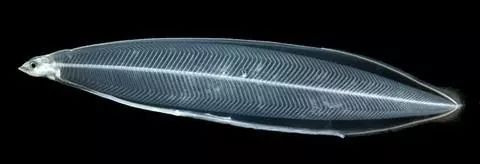
| Vertebrae (Backbone) | The central, segmented spinal column running the length of the fish. These are the largest and hardest bones. | Completely inedible and a major choking hazard. Must be 100% removed. | The entire vertebral column is removed during the initial filleting and splitting process. This is a standard, non-negotiable step for all professional processors. |
| Rib Bones | Long, thin bones connected to the vertebrae that enclose the body cavity. They are firm and noticeable. | Also inedible and present a safety risk. Their presence in a fillet is a clear sign of improper processing. | Rib bones are typically removed along with the backbone and viscera during the primary filleting stage. Our skilled technicians ensure a clean cut to avoid leaving fragments. |
| Intramuscular Bones (Pin Bones) | Fine, Y-shaped or straight bones embedded within the muscle tissue (the fillet itself). They are flexible and much smaller than other bones. | This is the most challenging aspect. If not handled correctly, they can create a "prickly" or unpleasant texture. However, when properly processed, they become undetectable. | These bones are too numerous and fine to be removed manually. Instead, our precise cooking and roasting process softens them to the point where they dissolve or become unnoticeable to the diner. Our patented low-fat roasting technology plays a key role here. |
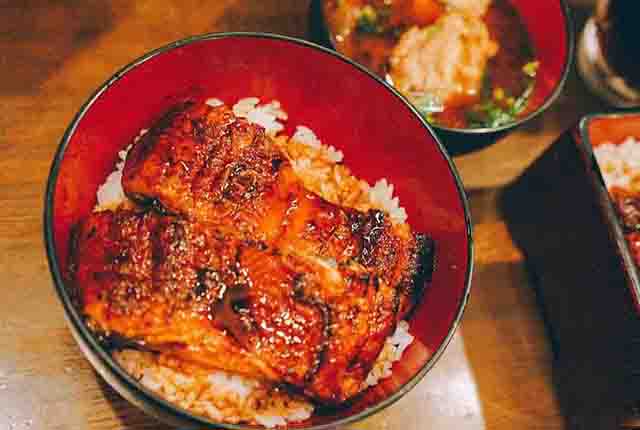
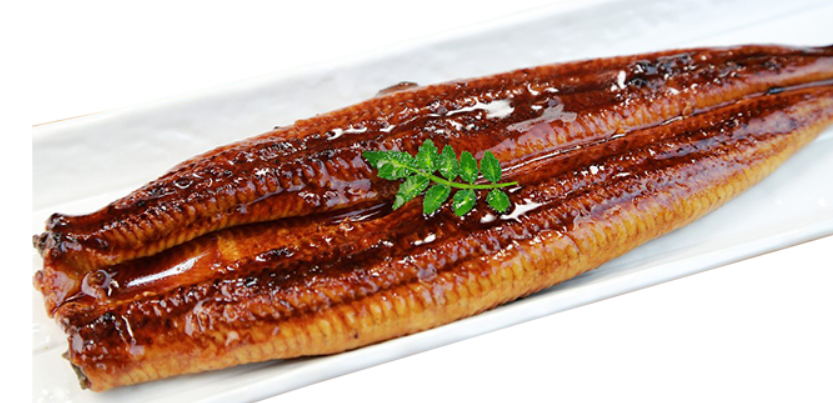
For a buyer, the key takeaway is that while an eel does have bones, a professionally prepared unagi kabayaki product should be free of any hard, noticeable bones. The quality of the deboning and cooking process directly determines the final texture and safety.
How Industrial Processing Eliminates Bone-Related Risks for Foodservice
Transforming a live eel into a ready-to-heat, boneless fillet for a restaurant chain in Germany or an importer in Australia requires a multi-stage, controlled process. At Eelpro, we have engineered our production lines to specifically address and eliminate bone-related issues, reducing back-of-house labor and ensuring diner safety for our clients.
Our approach integrates technology, manual skill, and rigorous quality control.
- Precise Filleting and Deboning: The process begins with skilled technicians who split the eel and remove the entire backbone and rib cage. This is a manual step that requires extensive training to perform quickly and cleanly, without wasting valuable meat or leaving bone fragments behind.
- Patented Roasting and Steaming: This is where the fine intramuscular pin bones are managed. Our proprietary roasting process involves four precise layers of soy sauce applied at specific, temperature-controlled stages. This, combined with steaming, breaks down the collagen and calcium in the fine pin bones, rendering them soft and completely unnoticeable. This method is far more effective than just cooking, delivering a tender texture without any "prickly" sensation.
- Quality Control Checkpoints: We operate with over 25 dedicated quality-control personnel. After the initial deboning and after the roasting process, fillets pass through inspection points. We also utilize metal detectors at critical control points to ensure no foreign objects, including processing tool fragments, are present. Our own professional in-house laboratory verifies product safety against microbiological indicators and veterinary drug residues for markets like the US and EU.
This systematic approach means that when you source from us, you are not just buying a piece of fish; you are buying a guaranteed solution that eliminates the bone problem for your chefs and customers.
A Buyer's Checklist: Specifying Deboned Eel for Your Market
When placing an order for frozen eel, simply asking for "deboned" is not enough. Different suppliers may have different standards. To protect your business and ensure you receive a product that meets your customers' expectations, it's important to clarify the processing standards. Here are common mistakes to avoid and key points to include in your specifications.
Common Sourcing Mistakes Importers Make:
- Assuming "Deboned" is a Universal Standard: Some low-cost processors may only remove the main backbone, leaving rib fragments or failing to properly soften the pin bones. This results in an inferior product.
- Ignoring Raw Material Traceability: The size, age, and diet of the eel affect its bone structure. Eels from unregulated farms can have harder, more pronounced bones. Sourcing from a supplier with full-chain control, like our ~20 customs-registered eel farming bases, ensures a more consistent raw material.
- Overlooking Certifications: A supplier's quality claims should be backed by credentials. Our ISO 22000:2018, HACCP, and HALAL certifications are proof of a systematic approach to food safety, which includes managing physical hazards like bones.
- Not Requesting a Product Sample: The ultimate test is the product itself. Always request a sample to evaluate the texture, taste, and absence of noticeable bones before committing to a large volume.
A clear specification protects both the buyer and the supplier. At Eelpro, we provide detailed product specification sheets that outline our deboning process and quality standards, helping clients in markets from Poland to Indonesia make informed decisions.
From Farm to Fillet: Why Traceable Sourcing Impacts Final Product Quality
The quality of a boneless eel fillet begins long before it reaches our 8,497 m² production workshop. It starts at the farm. The consistency of the raw material is a critical factor in achieving a consistently boneless final product. Eels raised in controlled, certified environments have a more uniform growth rate and texture, which makes the deboning and cooking process more predictable and effective.
Our supply chain is built on this principle. We manage or cooperate with 19 certified farming bases, supplying over 5,000 tons of high-quality raw eels annually. This vertical integration allows us to:
- Control Eel Size and Age: We harvest eels at an optimal size where the flesh-to-bone ratio is ideal and the pin bones are fine enough to be fully softened during cooking.
- Ensure Proper Nutrition: The diet of the eel influences not just its flavor but also its skeletal development. Our farm management practices ensure a diet that leads to healthy growth. -Guarantee Full Traceability: From farming registration and targeted sampling to final shipment, every batch is traceable. This is essential for meeting the strict food inspection standards of Japan, the US, and the EU, where documentation and provenance are non-negotiable. For a detailed guide on handling eel, see our article on how to cook eel: cleaning, skinning & deboning guide.
This farm-to-fillet control system, supported by our 1,000-ton cold storage facility, ensures that the high-quality raw material we start with results in a premium, safe, and delicious product for our export partners. It’s how we confidently supply Japanese restaurant chains and US food importers who have zero tolerance for error.
So, while the answer to "does eel have bones" is yes, for foodservice professionals, the more important question is whether your supplier has the certified processes to make them irrelevant. With the right partner, you can serve eel with confidence, knowing it's a safe, delicious, and easy-to-prepare product.
As a leading unagi kabayaki manufacturer and frozen eel supplier, we provide detailed specifications for all our products. Contact our team to request a sample or discuss the specific requirements for your market.
 WhatsApp
 sales@chinaeels.com
 +8619937922411