





Is Eel Fattening and Can It Fit a Healthy Diet Plan?
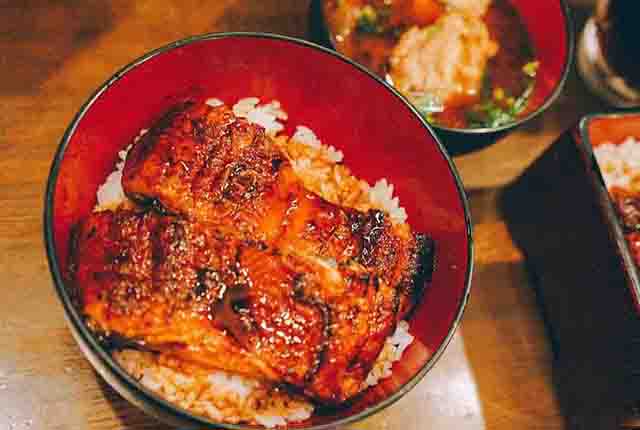
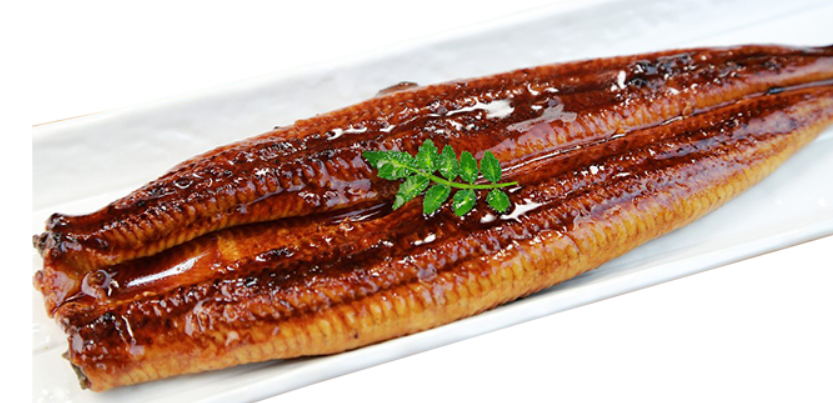
Many foodservice professionals and importers ask: is eel fattening? The image of a glistening, sauce-drenched unagi donburi is delicious, but it can also raise questions for health-conscious menus and consumers. The answer isn't a simple yes or no. The nutritional impact of eel depends almost entirely on its preparation, the sauce used, and the portion size served.
Plain, unseasoned eel is a nutrient-dense food, rich in protein, vitamins, and beneficial fats. However, when it becomes unagi kabayaki, glazed with a sweet and savory sauce, the calorie and sugar content changes. As a supplier of premium frozen eel to markets in Japan, the US, and the European Union, we help our clients understand these distinctions to better position their products. This guide breaks down the factors that determine eel's place in a balanced diet, providing clear guidance for menu development and product sourcing.
The Nutritional Value of Eel Itself
Before we discuss sauces and preparation methods, it's important to understand the baseline nutritional profile of freshwater eel. On its own, eel is a powerhouse of nutrients that contribute positively to health. For chefs and distributors, highlighting these inherent benefits can be a strong selling point.
A standard 100-gram serving of cooked freshwater eel contains:
- High-Quality Protein: Eel provides a significant amount of protein, which is essential for muscle repair, immune function, and overall satiety. This makes it a filling option that can help prevent overeating.
- Rich in Omega-3 Fatty Acids: Eel is an excellent source of the Omega-3 fatty acids EPA and DHA. These fats are known for their anti-inflammatory properties and support for cardiovascular and brain health.
- Vitamins A and E: It is one of the richest food sources of Vitamin A, which is vital for vision, immune health, and cell growth. It also contains Vitamin E, a powerful antioxidant that protects cells from damage.
- Vitamin D: Eel is a natural source of Vitamin D, a nutrient often lacking in modern diets, which is critical for bone health and calcium absorption.
This nutritional density means that the fish itself is not "fattening" in the way processed, low-nutrient foods are. The primary concern comes from what is added during processing and cooking.
A Practical Guide: When Eel Supports a Diet vs. When It Adds Calories
The key to incorporating eel into a health-conscious menu is understanding the tipping point where a nutritious fish becomes a high-calorie meal. This distinction is almost always due to the sauce, the cooking method, and the accompanying side dishes, particularly rice. For foodservice clients, offering different preparations can cater to a wider range of dietary preferences.
Here is a clear breakdown of how different eel preparations fit into a diet.
| Scenario (Supports a Healthy Diet) | Why It Works | Scenario (Higher in Calories) | Why It's Calorie-Dense |
|---|---|---|---|
| Shirayaki (White-Roasted Eel) | Plain roasted or steamed eel without sauce. This preparation highlights the natural flavor of the fish and contains no added sugars or sodium from a glaze. It's pure, high-quality protein and healthy fats. | Classic Unagi Kabayaki Donburi | The traditional eel rice bowl features eel glazed multiple times in a sweet soy-based sauce. The main calorie contributors are the sugar in the sauce and the large portion of white rice. |
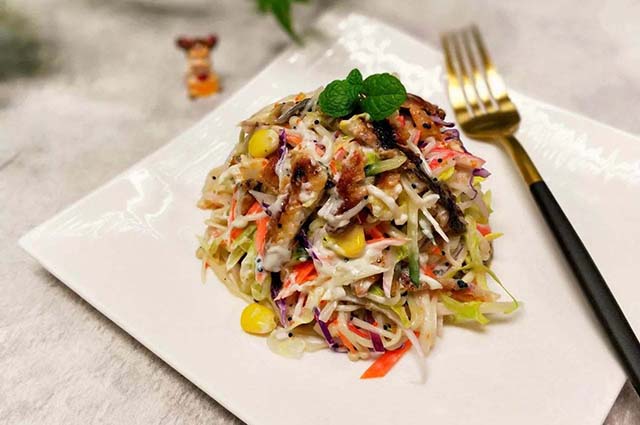
| Eel Salad with Light Vinaigrette | Adding pieces of plain-cooked eel to a fresh green salad creates a balanced, high-protein meal. The focus is on vegetables and a light, acid-based dressing instead of a heavy sauce. | Eel Tempura or Fried Eel | Deep-frying eel in batter adds a significant amount of fat and calories from the oil and coating. While delicious, this method is best considered an indulgence. |
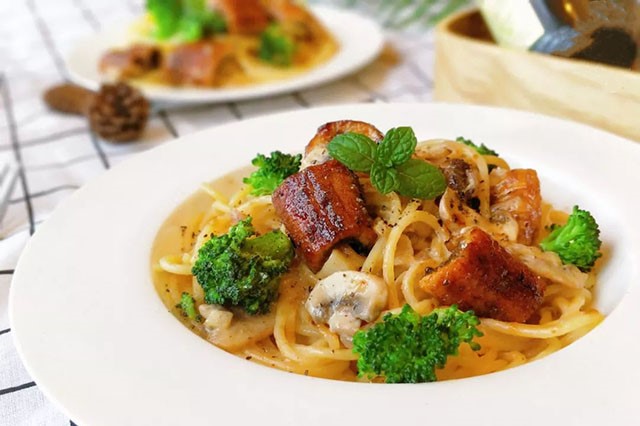
| Small Portion of Kabayaki as an Appetizer | Serving a small, 2-3 inch piece of unagi kabayaki product as a starter or part of a bento box allows customers to enjoy the flavor without committing to a large, carb-heavy meal. Portion control is key. | Unagi Pizza or Cream-Based Pasta | Combining eel with high-calorie ingredients like cheese, cream sauces, and refined flour crusts quickly turns a nutritious protein into a very heavy dish. |
| Eel in Clear Broth Soup (Kimosui) | Using eel in a light, clear broth with vegetables is a traditional and low-calorie way to enjoy its flavor and nutrients without added sugars or fats. An example is our eel noodle soup recipe. | Dishes with Extra Sauce | Many restaurants offer or serve dishes with a heavy pour of extra eel sauce (unagi tare). Each spoonful adds more sugar and sodium, quickly increasing the meal's calorie count. |
Sourcing Eel for Health-Conscious Menus: A Buyer's Checklist
For importers, distributors, and large restaurant chains, the quality and consistency of the eel supply are paramount. When sourcing frozen eel, especially for markets with specific health and safety standards like the EU and Japan, partnering with a certified and transparent supplier is non-negotiable. Answering the question "is eel fattening?" for your end-customers starts with controlling the product at its source.
Our patented low-fat roasting and deodorizing technology is specifically designed to produce a cleaner, higher-quality product. The process, managed by our 25-person quality control team, ensures that the eel is perfectly cooked before our precise 4-layer soy-sauce coating is applied. This controlled method prevents excess oil absorption and ensures a consistent glaze application, giving our clients full control over the final product's nutritional profile.
Use this checklist when evaluating a potential frozen eel supplier:
- Certifications and Compliance: Does the facility hold internationally recognized certifications? We are certified under ISO 22000:2018, HACCP, and HALAL. Our products are produced to meet stringent Japan, US, and EU food inspection standards for veterinary drug residues and microbiological indicators, minimizing trade risks for our partners.
- Traceability and Farming Practices: Can the supplier trace the product from farm to shipment? We manage a network of approximately 20 customs-registered eel farming bases, like our main unagi eeel farm for Eelpro Co., LTD, ensuring full-chain traceability and a consistent supply of over 5,000 tons of raw material annually.
- Processing and Quality Control: What measures are in place to ensure product safety and quality? Our facility includes an in-house professional laboratory and metal detectors at critical control points. This is overseen by quality assurance specialists like Nancy Chen, who has over 12 years of experience in seafood export compliance.
- Production Capacity and Logistics: Can the supplier handle your volume and maintain the cold chain? With an annual production capacity of 4,000 tons and a 1,000-ton cold storage facility, we ensure stable supply and product integrity from our factory to your destination port.
- Customization for Portion Control: Does the supplier offer flexible product specifications? We provide custom cutting services—including shredding, dicing, sushi slices, and section cuts—that help foodservice clients manage portion sizes and reduce back-of-house labor costs.
Ultimately, eel is a versatile and nutritious protein. Whether it is considered "fattening" is less about the fish itself and more about the culinary choices made in the kitchen. By sourcing high-quality, consistently processed eel and offering a variety of preparation methods, foodservice businesses can confidently feature eel on their menus as both a delicious indulgence and a healthy option.
For detailed specifications on our frozen unagi kabayaki, custom cutting options, or to discuss your import requirements, please contact our export team.
 WhatsApp
 sales@chinaeels.com
 +8619937922411