





Does an Eel Have Bones? Yes, Here's Why They Feel So Fine
By Nancy Chen, Senior Food Safety & Quality Specialist, 12+ years in seafood export quality assurance
A chef bites into a piece of roasted eel and asks the same question every time: where are the bones? Does an eel have bones at all, or is this fish naturally boneless? The short answer is yes — an eel has a full skeleton, including a spine, ribs, and a network of fine intramuscular bones. What changes the eating experience is size, density, and how the processor handles them before the product reaches your kitchen.
This matters more than it sounds. Get the bone structure wrong when sourcing, and you end up with customer complaints, wasted labor hours picking bones in the back-of-house, or worse, a choking hazard on a plated dish. Get it right, and boneless eel becomes one of the easiest proteins to plate consistently.
The Eel Skeleton Explained: What's Actually in There
An eel's skeleton is made up of three structural layers, and each one behaves differently during cooking and eating.
- Vertebrae — the central spine, running the full length of the body. These are the largest bones and the easiest to remove during filleting.
- Rib bones (pin bones) — thin, curved bones branching from the spine into the flesh. In most fish, these are the ones that stick painfully between your teeth.
- Intramuscular bones — a mesh of hair-thin bones scattered through the muscle tissue itself, unrelated to the spine. This is the layer unique to eels and a handful of other freshwater species, and it's the layer that gives eel its reputation for being "bony" even after filleting.
The vertebral column and ribs are removed with a standard filleting knife. The intramuscular bones are not — they require either specialized deboning equipment or a roasting process that softens them enough to become unnoticeable.
Comparing Eel Bones with Typical Fish Fillet Bones
Buyers who are used to sourcing cod, salmon, or tilapia often underestimate how differently eel behaves on the processing line. Here's a side-by-side comparison based on structural characteristics that actually matter for kitchen prep.
| Bone Type | Typical Fish Fillet (e.g. Salmon, Cod) | Eel (e.g. Unagi/Freshwater Eel) |
|---|---|---|
| Vertebrae | Large, easily removed with one cut along the spine | Present but thin; removed the same way, no special equipment needed |
| Rib/pin bones | Visible, often requires tweezers to pull individually | Fewer prominent pin bones; smaller and closer to the spine |
| Intramuscular bones | Rare or absent in most commercial fillet species | Dense network throughout the fillet — the defining feature of eel anatomy |
| What happens if mishandled | Customer bites a stray pin bone; isolated complaint | Entire portion feels gritty or unpleasant if intramuscular bones aren't softened or removed |
This is why "boneless" claims on eel packaging need scrutiny. A supplier who only removes the spine and ribs, but skips the intramuscular layer, is not delivering a truly boneless product — even if the label says so.
Why Roasting and Processing Method Change the Answer
Raw eel and roasted eel are two different eating experiences from a bone perspective, and this is where processing technique matters more than most buyers realize.
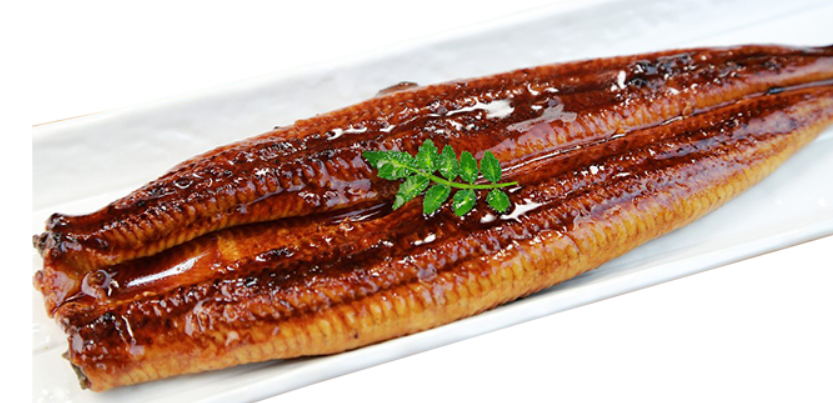
When eel is deep-fried or grilled at controlled temperatures for extended time, the fine intramuscular bones soften considerably. That's the entire premise behind frozen unagi kabayaki — the roasting process is engineered specifically to make those bones a non-issue at the table.
Our facility applies a four-layer soy sauce coating process with temperature-controlled steps at each stage, alongside patented low-fat roasting technology developed to reduce residual oil while keeping the fillet tender enough for the bone structure to break down properly. Skip any one of those temperature steps, and the bones stay firm — which is a common reason lower-cost kabayaki products feel "crunchy" in the wrong way.
The eel sauce layer isn't just flavor — the sugar and soy content in the glaze also plays a role in how the surface caramelizes and protects the texture underneath during the multi-pass roasting.
What Happens If the Roasting Temperature Is Wrong
- Too low or too short: intramuscular bones remain rigid, creating a gritty mouthfeel that customers notice immediately.
- Too high or too long: the fillet dries out, the soy coating burns, and the texture turns tough instead of tender.
- Correct range with layered coating: bones soften into the flesh, moisture is retained, and the glaze builds color without bitterness — this is the standard we hold across our roasted eel line.
Common Mistakes Buyers Make When Sourcing "Boneless" Eel
We've seen these mistakes repeat across import orders, especially from buyers new to eel sourcing.
- Assuming "filleted" means "boneless." Filleting removes the spine and ribs only — it does nothing for intramuscular bones.
- Skipping a sample check before a bulk order. Always request a physical sample and bite-test it yourself before committing to container volumes.
- Ignoring the cut specification. Skewer-style white-roasted eel, kabayaki fillets, and cut pieces each carry different residual bone risk depending on thickness and cut angle.
- Not asking about metal detection. Facilities with in-house labs and metal detectors at critical control points catch not just metal, but also inconsistent deboning batches during quality checks.
- Confusing "low bone density" with "zero bones." No commercial process removes 100% of microscopic bone fragments — the goal is softening and reducing them to an undetectable level in normal eating conditions.
A Buyer's Checklist Before Placing an Eel Order
Before confirming a purchase order, especially for foodservice chains that need consistency across every case, run through this list:
- Ask whether the product has undergone spine and rib removal, plus a specific roasting or softening step for intramuscular bones.
- Request the cut specification — shredding, dicing, strip-cutting, chunk-cutting, 3-section cut, or sushi slices — since bone risk varies by cut.
- Confirm cold-chain handling from processing through shipment; temperature abuse during transit can affect texture and, indirectly, how bones feel once reheated.
- Check for traceability documentation back to the farming base, not just the processing plant.
- Verify the supplier's compliance with import inspection standards for your destination market (Japan, US, or EU veterinary drug residue and microbiological limits differ).
For buyers supplying restaurant chains, cleaning, skinning and deboning guide resources are worth reviewing internally, even if you're purchasing pre-processed product — it helps kitchen staff recognize proper deboning quality versus a rushed job.
How This Plays Out in Real Sourcing Scenarios
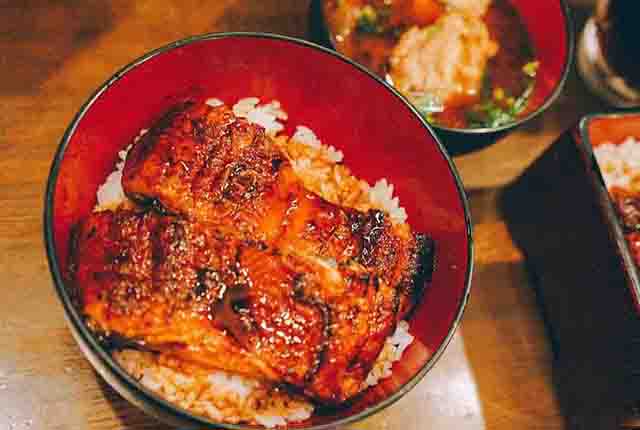
Consider a mid-size Japanese restaurant chain ordering kabayaki eel for a donburi menu. If the supplier only removes the main spine and calls it boneless, servers will field bone complaints within the first week of menu rollout. A processor that applies the full four-layer roasting process, sourced from certified farming bases, resolves this before it ever reaches the plate. That's the difference between a one-time order and a repeat supply relationship — which is why our eel farming bases and roasting line are both built around that end result, not just the raw fillet.
Our in-house laboratory also runs texture and residue checks on finished batches, which catches inconsistent bone-softening before product ships — not after a customer complaint arrives.
Frequently Overlooked Detail: Fresh vs. Processed Eel
If someone asks does an eel have bones in its raw, unprocessed state, the answer is unambiguous — yes, and they're firm enough to require careful filleting by hand. It's only after controlled roasting, soy-sauce layering, and quality-checked deboning that the bone structure becomes a non-issue for the end diner. This is worth explaining to any customer or chef unfamiliar with eel prep, since it directly affects how they should handle raw versus ready-to-heat frozen seafood inventory in a commercial kitchen.
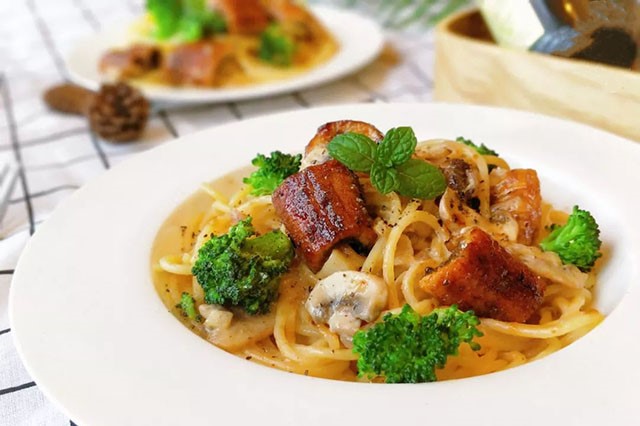
Pairing the right sauce matters too — a properly reduced kabayaki sauce not only finishes the dish but reflects whether the roasting process behind it was done at the right temperature and timing in the first place.
If you're sourcing eel for a restaurant chain, retail line, or foodservice distribution, request a spec sheet or sample batch before committing to volume — it's the fastest way to confirm bone-softening quality matches what your kitchen actually needs.

 WhatsApp
 sales@chinaeels.com
 +8619937922411