





Is Eel Fattening? What the Calories and Fat Numbers Actually Show
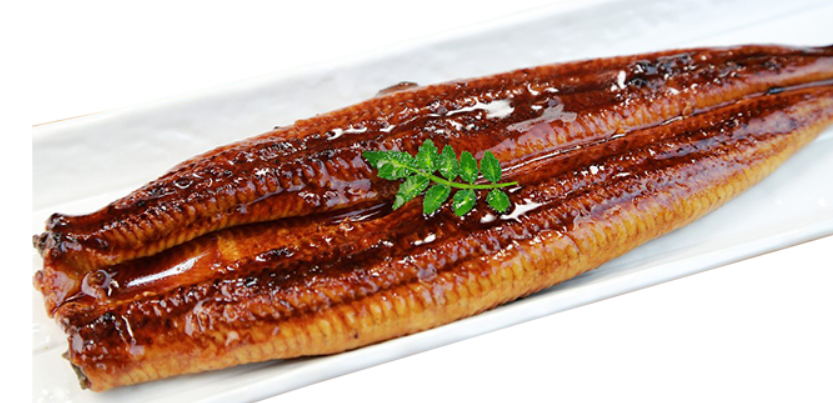
A plate of glossy, soy-glazed unagi kabayaki lands on the table and the question hits before the first bite: is eel fattening, or is that shine just clever glazing? It's a fair question. Eel has a reputation as a "rich" fish, and rich usually means heavier on the scale of calories. But the answer depends on how much fat we're actually talking about, how big the portion is, and how the eel was processed before it reached the plate.
This piece is reviewed by Nancy Chen, a food safety and quality specialist with over 12 years auditing seafood export operations under ISO 22000 and HACCP standards. She has spent years looking at exactly this kind of question from the supply side — what's actually in the fillet before it's cooked, glazed, or portioned.
What Actually Determines Whether Eel Is Fattening
Three variables decide whether a serving of eel pushes your calorie count up: the fat content of the raw fillet, how it's cooked, and how much sauce is added. Eel is naturally a fattier fish than cod or tilapia — that's biology, not a flaw. A typical raw freshwater eel fillet runs somewhere around 20-25 grams of fat per 100 grams, most of it unsaturated. Once roasted (kabayaki-style), some fat renders out during grilling, but the tare glaze — a reduction of soy sauce, mirin, and sugar — adds back sugar-based calories, not fat.
Here's what matters in practice: if a buyer or home cook assumes "eel = high fat = avoid," they're missing that most of that fat is the same unsaturated type found in omega-3 fatty acids-rich fish like mackerel. Get this wrong and you either avoid a nutrient-dense protein source unnecessarily, or you overestimate how "diet-friendly" a heavily-sauced serving really is. Both mistakes are common, and both are avoidable once you separate fat content from sauce content.
Eel vs Other Seafood: Calorie Density, Fat, and Portion Size
Numbers make this easier than guessing. Below is a comparison of typical cooked, edible-portion values for eel against a lean fish, a mid-fat fish, and a very lean shellfish option. These are commonly cited nutrition reference figures per 100 grams, cooked.
| Seafood | Calories (per 100g cooked) | Total Fat (g) | Typical Serving Size |
|---|---|---|---|
| Freshwater eel (kabayaki-style) | ~235-240 kcal | ~15-16 g | 80-100 g fillet portion |
| Mackerel (rich fish) | ~260 kcal | ~17-18 g | 100 g fillet |
| Atlantic salmon | ~205-210 kcal | ~12-13 g | 100-120 g fillet |
| Tilapia (lean fish) | ~125-130 kcal | ~2-3 g | 120-150 g fillet |
| Shrimp | ~95-100 kcal | ~0.3-1 g | 85-100 g (about 4-5 large) |
What this table tells a health-conscious diner: eel sits closer to mackerel than to salmon in calorie density, but its serving size is usually smaller — a standard unagi kabayaki portion at a Japanese restaurant runs 80-100 grams, not the 150-200 gram fillets common with salmon or tilapia entrees. That smaller, richer-per-gram portion is precisely why eel doesn't automatically blow a calorie budget the way people assume. Portion size cancels out a chunk of the fat-density gap.
Common Mistakes People Make When Judging Eel's Calorie Impact
- Confusing sauce calories with fat calories. Unagi tare adds sugar, not fat — mixing the two overstates the fat concern and understates the sugar one.
- Comparing raw fillet weight to cooked serving weight. Roasting reduces moisture and some fat, so a 120g raw fillet often becomes an 85-95g cooked portion — smaller than people expect.
- Ignoring preparation method. Deep-fried eel dishes (some tempura-style preparations) carry meaningfully more fat than kabayaki-grilled eel with tare.
- Treating "is eel fattening" as a yes/no answer. The honest answer is portion-dependent — a 100g kabayaki serving twice a week fits most calorie targets; a 300g all-you-can-eat unagi don is a different math problem entirely.
- Overlooking bone and skin content in raw comparisons. Boneless, deboned eel used in foodservice packs (already skinned and trimmed) has a slightly different calorie-per-gram profile than whole raw eel sold with bone-in cuts.
How Portion Size and Preparation Change the Real Answer
Say a restaurant serves a standard unagi don with an 85g grilled fillet and roughly 15ml of tare glaze. That's approximately 200-215 kcal from the eel itself, plus around 25-30 kcal from the glaze — call it 240 kcal total for the protein portion, before rice. Compare that to a 150g grilled salmon fillet at around 310 kcal. The eel portion, gram for gram richer, still lands lower in total calories because the serving is smaller and more concentrated in flavor — which is part of why kabayaki works as a smaller-portion dish in the first place.
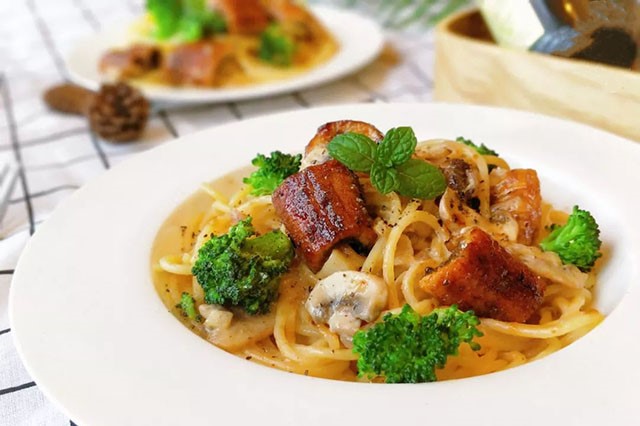
The limit here: this math only holds for kabayaki-style roasted eel with standard soy-based glazing. Deep-fried eel preparations, cream-sauce eel dishes, or oversized "jumbo" portions change the calculation substantially. If you're sourcing for a menu, checking the kabayaki sauce composition and glaze ratio matters as much as the fillet itself.
A Buyer's Decision Checklist for Sourcing Lower-Fat Eel Products
For importers, restaurant groups, or foodservice buyers building a menu around eel, the fat and calorie question isn't abstract — it affects labeling, portion costing, and customer-facing nutrition claims. Use this checklist before finalizing a supplier or spec:
- Ask for the roasting process spec. A 4-layer soy-sauce coating process with temperature-controlled steps (like the one used in our production) renders excess surface fat during grilling rather than sealing it in.
- Check whether the fillet is pre-trimmed or whole. Boneless, deboned cuts standardize calorie-per-portion consistency across batches — important for menu nutrition labeling.
- Request cutting spec options. Chunk-cut, strip-cut, or sushi-slice formats affect portion control more than raw fat content does.
- Confirm cold-chain handling. Fat oxidation in frozen fish accelerates with temperature fluctuation — a facility with dedicated cold storage (we run a 1,000-ton facility) protects both flavor and fat stability during transit.
- Verify lab-tested fat content per batch, not per species average. Farming conditions and feed affect fat percentage; an in-house lab check gives you real numbers instead of textbook averages.
This isn't a checklist for consumers ordering a single unagi don — it's for buyers who need consistent, labelable nutrition data across thousands of units. If you're building a menu around frozen unagi kabayaki, ask your supplier for actual batch-level fat content, not species averages pulled from a nutrition database.
Where the Fat Actually Comes From — and Why Processing Matters
Not all eel fat behaves the same way in cooking. Freshwater eel stores fat throughout the muscle tissue, unlike lean fish that concentrate it mostly in the liver. That's why eel stays moist on the grill even without added oil — but it also means fat content varies more by farming conditions than by species alone. A patented low-fat roasting and deodorizing process (used in our production lines) addresses this directly: controlled grilling temperature draws out surface fat during the roasting stage, rather than trapping it under the glaze. This is one reason export-grade kabayaki from a certified line can run noticeably leaner than home-grilled eel using the same raw fillet.
For a supplier working across Japan, the US, EU, and Southeast Asian markets, this consistency matters for a different reason too — regulatory compliance. Products meeting Japan, US, and EU inspection standards for veterinary drug residues and microbiological indicators go through the same fat-content and quality checks as flavor checks, which is part of what an eel lab is actually testing for, batch after batch.
Practical Takeaway
Is eel fattening compared to shrimp or tilapia? Yes, per gram. Is it fattening compared to a standard restaurant serving size, or against richer fish like mackerel? Not really — the smaller portion size common with kabayaki dishes largely offsets the higher fat density. The sauce, the cut, and the cooking method matter more to your actual calorie intake than the raw fat percentage of the fish itself. If you're planning a menu, sourcing frozen seafood with verified batch nutrition data beats guessing from a generic table — and if you're cooking at home, portion control does more work than avoidance ever will. For more ideas on balancing eel dishes into a regular meal rotation, the eel noodle soup recipe is a lighter-portion option worth trying.
Sourcing eel for a restaurant menu or retail line and need batch-level fat and calorie data before you commit to a spec? Request a sample and spec sheet from our team, and we'll walk through the cutting, coating, and packaging options that fit your portion targets.
 WhatsApp
 sales@chinaeels.com
 +8619937922411