





Understand Eel Bones in Unagi Cuts and Fillets
A beautiful grilled unagi fillet can look perfectly smooth, yet one small bone can change the diner’s experience. For foodservice buyers, the real question is not whether eel bones exist, but where they sit, how they are processed, and whether the chosen cut suits the final dish.
Understanding eel bones helps Japanese-food operators choose between whole fillets, cut pieces, sushi slices, strips, and deboned prepared products. A product that works well on a donburi bowl may not be the best choice for a sushi topping, a children’s menu, or a ready-to-heat retail pack. The cut, knife work, cooking method, and customer expectation all matter.
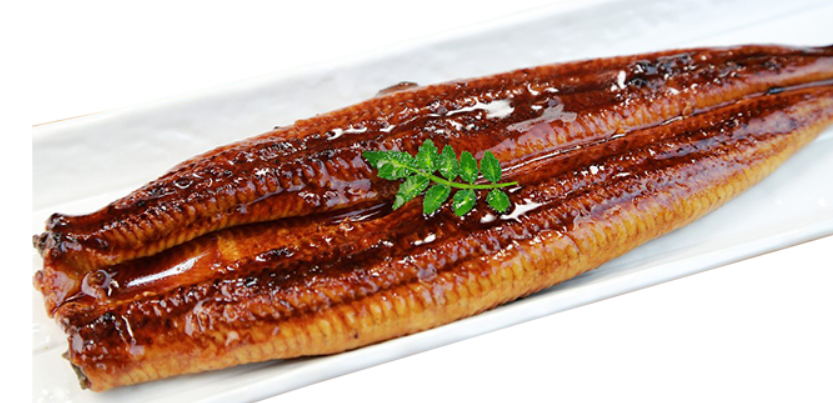
At Eelpro Co., LTD, frozen roasted eel is supplied in formats including whole fillets, cut pieces, strips, chunks, three-section cuts, and sushi slices. This guide explains what buyers should check before placing an order, especially when evaluating prepared unagi kabayaki for restaurants, catering operations, distributors, and retail programs.
Choose the cut based on how diners will eat the eel
Conclusion: buyers should select the cut before comparing sauces, pack styles, or menu pricing. The reason is simple: the eating format determines how noticeable bone structure can be after heating. A large fillet served with chopsticks creates a different experience from small diced eel mixed into rice.
Best fit: this approach suits menu developers, purchasing teams, and importers preparing a new unagi range. Limit: cut selection alone does not replace product sampling. Cooking equipment, reheating time, portion size, and plating all affect the final result.
| Serving format | Recommended prepared cut | What the buyer should assess | When it may not fit |
|---|---|---|---|
| Unagi rice bowl | Whole fillet or three-section cut | Fillet appearance, portion control, sauce coverage, and ease of chopstick eating | Not ideal when the menu needs very small, uniform portions |
| Sushi topping | Sushi slices | Slice consistency, scoring pattern, soft bite, and visual presentation | Less suitable for high-volume bowls requiring flexible portion sizes |
| Rice balls, bowls, and bento | Strip-cutting, dicing, or chunk-cutting | Piece uniformity and whether the product mixes evenly with rice or toppings | May not provide the premium appearance of a full fillet |
| Family-style sharing plate | Cut pieces | Whether portions separate cleanly after heating and remain easy to pick up | May be less efficient for individually portioned service |
| Menus seeking lower back-of-house preparation | Deboned or standardized-cut eel | Labor reduction, serving consistency, and reheating instructions | Still requires a sample check for the intended serving method |
For a restaurant serving unagi over rice, eel bones are generally judged by the finished bite rather than by the raw appearance of the fillet. For sushi or premium plated presentations, the same structures receive more attention because diners eat thinner portions with less rice and fewer toppings around them.
A practical buyer request is to ask for product photos, cut specifications, pack format, and a heated sample evaluation. Do not approve an unagi item based only on a frozen photograph. The product should be reheated exactly as it will be served: grilled, steamed, oven-heated, or prepared in a combi oven.
See where fine rib and pin bones sit and why knife scoring changes the bite
Conclusion: close knife scoring is the main processing step that makes fine bones less noticeable after cooking. It does not mean every natural structure has disappeared. Instead, scoring divides fine rib and pin bones into shorter sections, while heat softens the surrounding flesh and connective tissue.
This distinction matters. Buyers sometimes ask for “boneless” without defining whether they mean a deboned product, a scored fillet with a softer eating texture, or a product intended for a particular age group. Those are different purchasing requirements.
In eel fillets, fine rib bones are located along the rib area near the belly side, while pin bones run through the flesh in a line that follows the fish’s body structure. Their exact visibility changes with fillet size, trimming style, and cut position. When a knife makes closely spaced cuts across the flesh, it also cuts through these fine structures. After roasting and reheating, the diner is less likely to feel long, continuous pieces.
| Feature | Where it is found | What close knife scoring does | What can go wrong if overlooked |
|---|---|---|---|
| Fine rib bones | Near the belly-side rib area | Breaks them into shorter segments that are less noticeable in a cooked bite | A buyer may select a cut that feels less suitable for thin sushi portions or sensitive diners |
| Pin bones | Within the fillet flesh along the body structure | Reduces the chance of encountering a long, distinct bone section | Wide or inconsistent scoring can produce an uneven mouthfeel |
| Scoring depth and spacing | Across the fleshy side of the fillet | Balances tenderness, shape retention, and perceived bone softness | Overly aggressive cuts can affect appearance; insufficient cuts can leave bones more noticeable |
| Final cooking method | After roasting and during customer reheating | Heat softens the cooked texture around scored areas | Inadequate reheating may leave the texture firmer than expected |
Cold fact: a smooth-looking unagi fillet is not always the same thing as a physically bone-free fillet. The better question is whether the product’s trimming and scoring match the menu application. This is why eel bones should be discussed together with cut style and intended cooking method, not as an isolated yes-or-no question.
For operators who need additional preparation context, our How to Cook Eel Cleaning Skinning & Deboning Guide explains the basic stages behind cleaning, skinning, and deboning decisions.
Use a sample-check procedure before approving a foodservice specification
Conclusion: a written specification should be confirmed with a heated sample test. The reason is that eel bones, texture, sauce adhesion, and portion appearance can all change after thawing and reheating. This procedure is especially useful for importers supplying several restaurant locations.
Best fit: this process works for buyers comparing suppliers or changing from whole fillets to portioned formats. Limit: one test plate cannot represent every possible kitchen condition. Test the product using the equipment and serving style planned for launch.
- Define the menu use. State whether the eel will be used for rice bowls, sushi, bento, noodle dishes, or plated entrées.
- Select the requested cut. Choose whole fillet, cut pieces, strips, chunks, three-section cuts, or sushi slices before ordering samples.
- Confirm the bone expectation. Ask whether the requirement is deboned eel, scored eel, or a product intended to make fine bone structures less noticeable after cooking.
- Heat the sample as served. Use the actual grill, oven, steamer, or pan method planned for the operation. Record the method so the result can be repeated.
- Check three bites. Taste the center, belly-side area, and thicker end. These areas may deliver different texture and bone perception.
- Assess portion behavior. Check whether the fillet holds its shape, separates cleanly, and remains easy to pick up with chopsticks or a fork.
- Approve a written specification. Record the cut, packaging format, sauce preference, labeling needs, and target application before confirming the order.
Do not rely only on the phrase “soft bones.” It is too vague for procurement. Instead, describe the intended eating experience: “sliced for sushi,” “mixed through rice,” “served as a whole fillet,” or “suitable for standardized foodservice portions.” Clear language reduces avoidable disputes about eel bones after delivery.
Avoid common buying mistakes with scored and deboned unagi
Conclusion: the safest purchasing approach is to match the product claim to the real menu need. A scored fillet can be an excellent choice, but it should not be treated as identical to a separately deboned product. This guidance fits buyers building a repeatable menu standard. It does not apply when local import rules or customer contracts require a separate written definition of “boneless.”
- Mistake: treating “boneless” and “scored” as the same specification.
Ask the supplier how the product is prepared and request a sample. Scoring helps make fine eel bones less noticeable, while deboning refers to removal work. The terms should not be substituted without confirmation. - Mistake: choosing the largest fillet for every menu.
A large fillet can create a strong visual impression, but diced or strip-cut eel may be more practical for bowls, meal kits, and buffet applications. - Mistake: testing only one reheating method.
Glazed eel can perform differently under grilling, steaming, or oven heating. A kitchen should test its actual service method before rollout. - Mistake: overlooking sauce during texture testing.
Sauce affects moisture, surface gloss, and the overall bite. Test the product with the planned tare, whether using the supplied glaze or a separate eel sauce program. - Mistake: failing to specify the target customer.
A product for a Japanese restaurant chain, a school-style catering menu, and a premium retail gift box may need different cut and presentation choices.
Eelpro uses a four-layer soy-sauce coating process for export-grade roasted eel, with defined color standards from white-roasted eel through the first to fourth soy-sauce coatings. This process is relevant to buyers because glaze and roasting affect the finished surface and eating texture around scored sections. It does not remove the need to select the right cut for the dish.

Match processing control with export and menu requirements
Conclusion: buyers should assess bone processing together with traceability, food safety systems, and cold-chain handling. A suitable fillet is not only about the bite; it also needs consistent supply and documentation for the target market. This is particularly relevant for importers in Japan, the United States, Germany, Poland, the European Union, Australia, Indonesia, and Southeast Asia.
Eelpro holds ISO 22000:2018, HACCP, and HALAL certification, along with export food producer registration and an SC Food Production License covering quick-frozen prepared foods. Our two production lines have an annual finished-product capacity of 4,000 tons, supported by a 1,000-ton cold storage facility.
For buyers evaluating eel bones in prepared products, process consistency matters because inconsistent cutting can lead to inconsistent customer feedback. Eelpro has more than 160 employees, including 25 technical and quality-control personnel, and uses an in-house laboratory and metal detectors at critical control points. Product traceability extends from customs-registered farming bases through process verification, targeted sampling, and shipment tracking. You can review our quality-support approach through the in-house eel laboratory page.
The company supplies kabayaki eel to Japanese restaurant chains and exports unagi kabayaki and eel sauce to United States importers. Eel products are also supplied to importers and foodservice channels in Germany, Poland, Australia, Indonesia, and Southeast Asia. These examples show the markets served; they do not guarantee that every cut or package format is suitable for every buyer.
Use this buyer checklist when comparing unagi fillet options
Conclusion: a short checklist prevents vague requests and makes quotation discussions faster. It is most useful before requesting a sample, specification sheet, or order proposal. It cannot replace import verification for destination-market rules.
- State the final dish and serving method.
- Specify whether you need whole fillets, sushi slices, strips, chunks, diced eel, or cut pieces.
- Clarify whether the requirement concerns scored fine bones, deboned processing, or both.
- Ask how the product should be reheated for the intended menu.
- Check glaze preference and whether additional unagi tare is needed.
- Confirm packaging format, including skin packaging or gift-box requirements where relevant.
- Provide the destination market so export documentation and product expectations can be discussed accurately.
- Request a sample evaluation before final approval when eel bones are a key menu concern.
Request a product specification sheet and sample guidance from Eelpro for the unagi cut you plan to serve.
 WhatsApp
 sales@chinaeels.com
 +8619937922411