


How Kabayaki Sauce Differs From Teriyaki
One bottle says “teriyaki.” Another says “eel sauce.” They look similar, smell sweet, and both shine beautifully on grilled food. So can one replace the other? Sometimes, yes. But choosing the wrong one can make a delicate eel fillet taste too generic or leave a rice bowl overly sweet.
Kabayaki sauce is closely associated with grilled Japanese eel, while teriyaki is a broader glaze style used across fish, chicken, beef, tofu, and vegetables. Their ingredient families overlap, but their flavor direction, texture, and intended use are not identical.
For home cooks, the difference affects the final plate. For restaurant buyers and foodservice operators, it affects menu consistency, portion control, and whether the sauce supports or covers the main ingredient. This guide answers the practical question directly: when can you substitute, when should you not, and what should you buy for unagi dishes?
What each sauce is designed to do
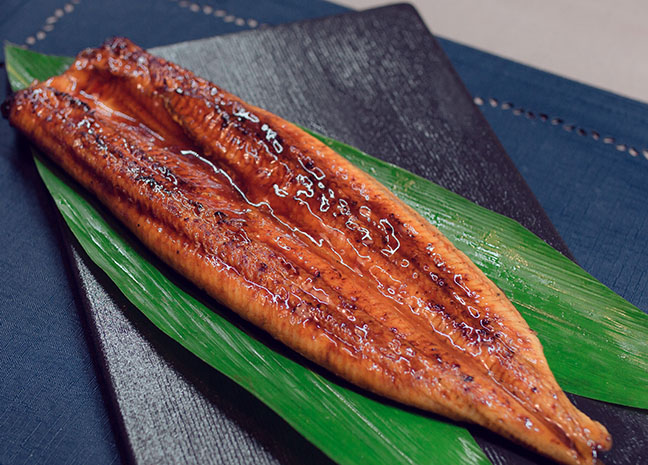
Kabayaki sauce, often called unagi tare or eel sauce, is made for the kabayaki cooking style: eel is grilled and repeatedly coated with a sweet-savory glaze. The sauce is intended to cling to the surface, deepen during grilling, and complement the fatty richness of freshwater eel without removing its distinct flavor.
Teriyaki refers more broadly to a Japanese cooking method and sauce profile that produces a glossy grilled finish. It commonly combines soy sauce with sweet elements. Recipes differ widely. Some versions lean salty and light, while others are thick, very sweet, or flavored with garlic, ginger, fruit juice, sesame, or other additions intended for general-purpose use.
The practical conclusion is simple: choose kabayaki sauce when eel is the center of the dish and you want a traditional unagi-style finish. Choose teriyaki when you need a flexible glaze for several proteins or vegetables. This distinction matters less when you are making a casual weeknight rice bowl and more when you are serving grilled eel, sushi, or a menu item where customers expect a recognizable unagi flavor.
There is also a boundary to remember. Neither name guarantees one fixed formula. Commercial sauces and household recipes vary. Always check the ingredient statement, allergen declaration, sweetness level, and serving instructions before treating one product as an exact substitute.
Kabayaki sauce and teriyaki compared side by side
The fastest way to choose between them is to compare what the sauce contributes to the finished food. The table below focuses on the four points that affect cooking results most: sweetness, aromatics, viscosity, and best use.
| Comparison point | Kabayaki sauce | Teriyaki sauce | What this means in the kitchen |
|---|---|---|---|
| Sweetness | Usually sweet-savory, designed to balance rich grilled eel. | Can range from mildly sweet to noticeably sweet, depending on the brand or recipe. | Use the eel-focused glaze when you want sweetness that supports unagi rather than dominates it. |
| Aromatics | Typically has a direct soy-based profile intended to stay close to the grilled eel flavor. | May include extra flavor notes such as ginger, garlic, sesame, fruit, or other seasonings. | Teriyaki can be useful for chicken or vegetables, but added aromatics may distract from a classic eel dish. |
| Viscosity | Usually formulated to coat eel during repeated brushing and grilling. | May be thin for marinating or thick for glazing; there is no single standard. | A thin sauce can run off eel. A very thick sauce can form an overly heavy coating. |
| Best use | Unagi kabayaki, eel rice bowls, eel sushi, and seafood dishes needing an eel-style glaze. | Chicken, salmon, tofu, stir-fries, grilled vegetables, and mixed-protein menus. | Match the sauce to the dish’s identity rather than choosing by color alone. |
Best decision for unagi: use kabayaki sauce when the menu description includes unagi, grilled eel, eel sushi, or an eel rice bowl. The reason is not that teriyaki is “wrong”; it is that an eel-specific glaze is better aligned with the dish customers expect. Teriyaki remains a workable backup for casual cooking, especially when no dedicated sauce is available.
Best decision for a mixed menu: use teriyaki when one sauce must cover poultry, tofu, vegetables, and several seafood items. Its broader flavor profile can reduce inventory complexity. The limit is that this efficiency choice may not deliver the focused eel character desired for a specialist Japanese menu.
Can kabayaki sauce replace teriyaki and can teriyaki replace it?
Yes, each can replace the other in some dishes, but the substitution is not equal in every situation.
Kabayaki sauce can replace teriyaki on grilled salmon, chicken, mushrooms, tofu, and rice bowls when you want a darker, sweet-savory finish with fewer competing aromatics. It fits especially well when the meal includes rice, seaweed, cucumber, pickled vegetables, or other Japanese-style side dishes.
Teriyaki can replace kabayaki sauce for home-style eel bowls when that is what you have on hand. Use it lightly first. If the teriyaki contains strong garlic, ginger, sesame, fruit, or spicy flavors, it may move the dish away from a traditional unagi profile. That does not make the meal unsuccessful; it simply changes the result.
A practical substitution procedure
- Read the label before opening the bottle. Look for extra aromatics, allergens, and sweetness cues.
- Brush a small amount onto one piece of food rather than coating the entire batch immediately.
- Heat the food, then check whether the sauce tastes balanced with the protein and rice or side dishes.
- Add a second light layer only if the food needs more shine or seasoning.
- For eel, keep the glaze restrained enough that the fish remains the main flavor.
This method suits both home kitchens and small foodservice trials. It does not replace product validation for a chain menu, a retail launch, or an import program. In those cases, buyers should evaluate the sauce with the exact eel cut, packaging format, preparation method, and serving portion they intend to use.
For recipe inspiration, see this guide to eel teriyaki. It is useful for understanding how a sweet-savory glaze behaves on grilled unagi, but the final sauce choice should still follow the intended flavor profile.
Common mistakes when choosing a glaze for eel
A sauce can look perfect in the bottle and still produce the wrong plate. These are the mistakes that cause the most avoidable disappointment.
- Choosing by color only: Dark color does not prove a sauce is suitable for eel. Check flavor direction and intended use instead.
- Applying too much at once: Heavy coating can hide the natural flavor of eel and make rice overly sweet. Start with a light brushing.
- Using a marinade as a finishing glaze: Some teriyaki products are designed mainly for marinating. They may not cling or shine as expected when brushed on cooked food.
- Ignoring added aromatics: Garlic, ginger, sesame, citrus, and fruit may be desirable in a general glaze but can shift a classic unagi dish in another direction.
- Assuming every eel sauce is identical: “Eel sauce” is a broad retail term. Compare product labels and test the sauce with the actual eel product before setting a menu standard.
Cold fact: the name “eel sauce” does not necessarily mean a sauce contains eel. In many markets, it simply describes a sweet soy-based glaze served with eel or sushi. Buyers with ingredient, allergen, dietary, or labeling requirements should rely on the supplier’s specification and product label, not the product name alone.
If a batch tastes too sweet, do not immediately add more soy sauce. That can create an unbalanced salty finish. Instead, reduce the amount applied per portion and serve the remaining sauce separately. For further troubleshooting ideas, review the kabayaki sauce recipe guide on flavor mistakes.
How home cooks and foodservice buyers should select the right option
Home cooks generally need one question answered: “What flavor do I want tonight?” Foodservice buyers need several more: “Will this work with our preparation process, product format, customer expectations, and purchasing controls?” The following checklist separates the two decisions.
| Decision criterion | Home cooking choice | Foodservice and buyer choice |
|---|---|---|
| Main dish | Use an eel-focused glaze for unagi; use teriyaki for a flexible mixed-protein meal. | Match the sauce to the menu claim and the expected customer experience. |
| Preparation style | Choose a sauce that can be brushed on near the end of cooking. | Test sauce behavior with the actual heating equipment and standard portion process. |
| Flavor consistency | Buy a bottle that suits your personal preference. | Request product specifications and validate each approved sauce against the finished menu item. |
| Allergen and labeling needs | Read the ingredient and allergen information before serving guests. | Confirm documentation matches destination-market requirements and the final retail or foodservice label. |
| Product pairing | Pair with grilled eel, rice, sushi, or noodles. | Assess the sauce together with the supplier’s eel cut, packaging, and reheating guidance. |
For an unagi specialist, the recommendation is clear: source kabayaki sauce together with the eel whenever possible, then test the pair as one finished item. Sauce and fish influence each other. A glaze that performs well on salmon may not give the same result on a rich freshwater eel fillet.
Eelpro supplies eel sauce alongside frozen eel products, allowing buyers to evaluate a matched product combination. Its frozen roasted eel and deep-processed aquatic product lines have an annual finished-goods capacity of 4,000 tons, supported by a 1,000-ton cold storage facility. Regular orders are generally delivered in approximately 30 days from order confirmation to shipment, with timing subject to specification and quantity.
For buyers who need traceability and export-oriented controls, Eelpro works with approximately 20 customs-registered farming bases covering more than 2,150 mu. The company applies full-chain tracking from farm registration through process verification, targeted sampling, and shipment traceability. Its facility holds ISO 22000:2018, HACCP, HALAL certification, export food producer registration, and an SC food production license.
These controls are relevant when importing finished unagi and sauce as part of a broader program. They do not remove a buyer’s responsibility to confirm local import rules, labeling requirements, or customer-specific standards. Eelpro has supplied kabayaki eel to Japanese restaurant chains and has exported unagi kabayaki and sauce to United States importers, while eel products have also been supplied to importers and foodservice channels in Germany, Poland, Australia, Indonesia, and Southeast Asia.
Frequently asked questions about kabayaki sauce and teriyaki
Is kabayaki sauce sweeter than teriyaki?
Not always. Both sauces can be sweet, and formulas vary by supplier or recipe. In practical use, kabayaki sauce is generally designed to balance grilled eel, while teriyaki can range from lightly sweet to very sweet. The only reliable comparison is the product specification, ingredient list, and a small cooking test.
Can I use teriyaki sauce for unagi rice bowls?
Yes, particularly for a casual home meal. Use a modest amount and taste before adding more. It is less suitable when you want a classic unagi restaurant profile or when the teriyaki includes strong added aromatics.
Is eel sauce the same as kabayaki sauce?
The terms are often used interchangeably in retail and restaurant settings, but product formulas can differ. Treat “eel sauce” as a starting description, not a guarantee of identical taste or ingredients. A buyer should request the relevant specification before approving a product.
Which sauce is better for sushi?
For unagi sushi or unagi rolls, an eel-oriented glaze is usually the better fit because it supports the expected sweet-savory grilled eel flavor. For other sushi ingredients, teriyaki may be unnecessary or too dominant. Try the sauce in a controlled portion on a single roll before standardizing it.
Does the sauce choice matter if I buy pre-glazed frozen unagi?
Yes. Pre-glazed unagi already has a defined flavor balance. Adding another sauce can improve shine or perceived richness, but it can also make the finished product too sweet or too salty. Review the preparation guidance for the unagi kabayaki product and test any additional glaze before service.
When the goal is authentic grilled eel character, choose kabayaki sauce; when the goal is broad menu flexibility, teriyaki is often the more practical option. Request a sauce and unagi pairing sample from Eelpro if you need selection advice for a home recipe, restaurant menu, or import program.