


Understanding Unagi Nutrition Beyond the 100-Gram Label
For importers, distributors, and restaurant chains, the question "How much protein is in unagi?" goes far beyond a simple number on a nutrition label. While a 100-gram serving of cooked freshwater eel typically contains around 23 grams of protein, this figure is only the starting point. The true unagi nutrition profile of the product served to your customers is significantly altered by the preparation style, sauce content, and final dish format. Understanding these variables is essential for accurate menu costing, nutritional marketing, and sourcing a product that meets your operational needs.
At Eelpro, we believe that transparent product specifications are key to a successful supply partnership. As a leading frozen eel supplier with an annual production capacity of 4,000 tons, we help our B2B clients in Japan, the United States, and the European Union navigate these details every day. This guide breaks down the factors that influence the final protein content of unagi and provides a framework for making informed purchasing decisions.

Unagi Protein Content: The Baseline Figures
Freshwater eel (Anguilla japonica) is naturally rich in protein, healthy fats (including Omega-3 fatty acids), and essential vitamins like A, E, and D. According to the USDA FoodData Central, raw eel contains a significant amount of protein. However, foodservice professionals almost exclusively work with cooked and processed eel. The cooking process, particularly roasting, changes the nutritional density.
During roasting, water content is reduced, which concentrates the protein and other nutrients relative to the total weight. A plain roasted eel (shirayaki) will have a higher protein-per-100g value than its raw equivalent. When a kabayaki glaze is applied, the dynamic changes again. The sauce, composed mainly of soy sauce, mirin, sugar, and sake, adds carbohydrates and moisture, slightly lowering the protein percentage by weight while adding significant flavor.
Our process utilizes a patented low-fat roasting and deodorizing technology. The eel is coated with four precise layers of soy sauce in a temperature-controlled process. This method is designed to maximize flavor absorption and create a perfect glaze without adding excessive sauce weight, ensuring you receive a high-value, protein-rich product.
Why "Protein per 100 g" Is Misleading for Foodservice Portions
A "per 100 g" value on a supplier’s specification sheet provides a standardized baseline, but it does not represent the nutritional content of a final dish. Foodservice operators must calculate costs and nutrition based on the plated portion, which includes other ingredients like rice and sauce. Relying solely on the bulk ingredient label can lead to inaccurate menu descriptions and cost analysis.
The following table illustrates how the effective protein content changes across common unagi serving formats.
| Product Format | Typical Serving Size (g) | Estimated Eel Portion (g) | Estimated Protein per Serving (g) | Key Considerations for Buyers |
|---|---|---|---|---|
| Plain Roasted Eel (Shirayaki) | 100 g | 100 g | ~23-25 g | Highest protein density. No added sugars from sauce. Ideal for custom saucing in-house. |
| Unagi Kabayaki (Sauced) | 100 g | ~80-85 g eel + 15-20 g sauce | ~18-21 g | Sauce adds weight, carbohydrates, and sugar. The protein percentage by weight is lower than plain eel. |
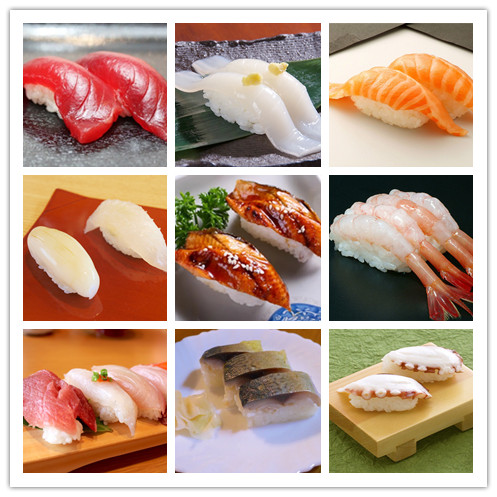
| Unagi Nigiri (2 pieces) | ~80 g total | ~30-40 g eel | ~7-9 g | The majority of the weight comes from vinegared rice. Protein per bite is significantly lower. |
| Unadon (Eel Rice Bowl) | ~300 g total | ~100 g eel | ~18-21 g | While the eel portion provides substantial protein, rice makes up the bulk of the dish's calories and weight. |
As the table shows, the context of the dish is everything. An unadon bowl might contain a full 100g portion of eel, but the overall protein percentage of the meal is much lower than that of the eel component alone. For businesses focused on "high-protein" menu items, understanding this distinction is vital.
A Buyer's Checklist for Assessing Unagi Product Specifications
When sourcing frozen unagi, moving beyond the headline protein number to a more detailed analysis will help you secure a product that offers consistency, value, and safety. Use this checklist when evaluating potential suppliers.
- Request the Sauce-to-Flesh Ratio: For unagi kabayaki eel, the percentage of glaze is a critical cost and nutrition factor. A higher sauce content means you are paying for more sugar and soy sauce and less eel meat per kilogram. A reliable supplier should provide this specification.
- Clarify Net Weight vs. Drained Weight: Understand how the product is weighed. Is the stated weight inclusive of the glaze? For frozen products, what is the expected weight after thawing? This prevents surprises in portion costing.
- Inquire About Custom Cutting and Portioning: Standardized portions are the key to consistent nutritional delivery and cost control. We offer custom specifications including shredding, dicing, sushi slices, and chunk-cutting, which reduce back-of-house labor and ensure every dish meets your standards.
- Evaluate Food Safety Certifications: A nutritious product is worthless if it's not safe. Verify that the supplier holds internationally recognized certifications. Eelpro is certified with ISO 22000:2018, HACCP, and HALAL, and our products meet stringent Japan, US, and EU food inspection standards for veterinary drug residues and microbiological indicators.
- Confirm Traceability: Ask about the product's origin. Full-chain control from farm to export minimizes risks. We manage this through our ~20 customs-registered eel farming bases, with a traceability system that tracks each batch from farming and processing to final shipment.
How Standardized Processing Impacts Nutritional Consistency
For large-scale catering chains and distributors, consistency is paramount. Variations in cooking time, sauce application, and portion size can lead to an inconsistent customer experience and unpredictable food costs. This is where a partnership with a certified processor provides a distinct advantage.
Our two modern production lines are engineered for consistency. The automated 4-layer saucing process ensures that every fillet receives the same amount of glaze, and our patented roasting technology delivers a uniform texture and fat content. This level of control is nearly impossible to replicate in individual restaurant kitchens, especially during peak hours.
Furthermore, by supplying boneless, deboned, and ready-to-heat unagi, we help our clients streamline their kitchen operations. This approach offers several benefits:
- Reduced Labor Costs: Eliminates the time-consuming and skilled tasks of cleaning, deboning, and cooking eel from scratch.
- Minimized Food Waste: Pre-portioned and fully usable products mean zero waste from trimmings or cooking errors.
- Guaranteed Portion Control: Standardized cuts ensure that every eel rice bowl toppings: 7 better donburi ideas or sushi roll has the same amount of protein, helping you maintain food cost targets.
- Supply Stability: With a 1,000-ton cold storage facility, we ensure a stable supply chain, allowing our long-term partners, including Japanese restaurant chains and US food importers, to plan their menus with confidence.
Ultimately, the true value of unagi nutrition in a B2B context is found in its consistency, safety, and operational efficiency. By looking past the simple "per 100 g" figure and evaluating the entire supply chain, you can source a product that enhances your menu and supports your bottom line.
For detailed product specifications, including sauce ratios, available cuts, and nutritional information, please contact our team to request a spec sheet or discuss your sourcing needs.