

Understanding Saltwater Eel Sushi Preparation for Quality Sourcing
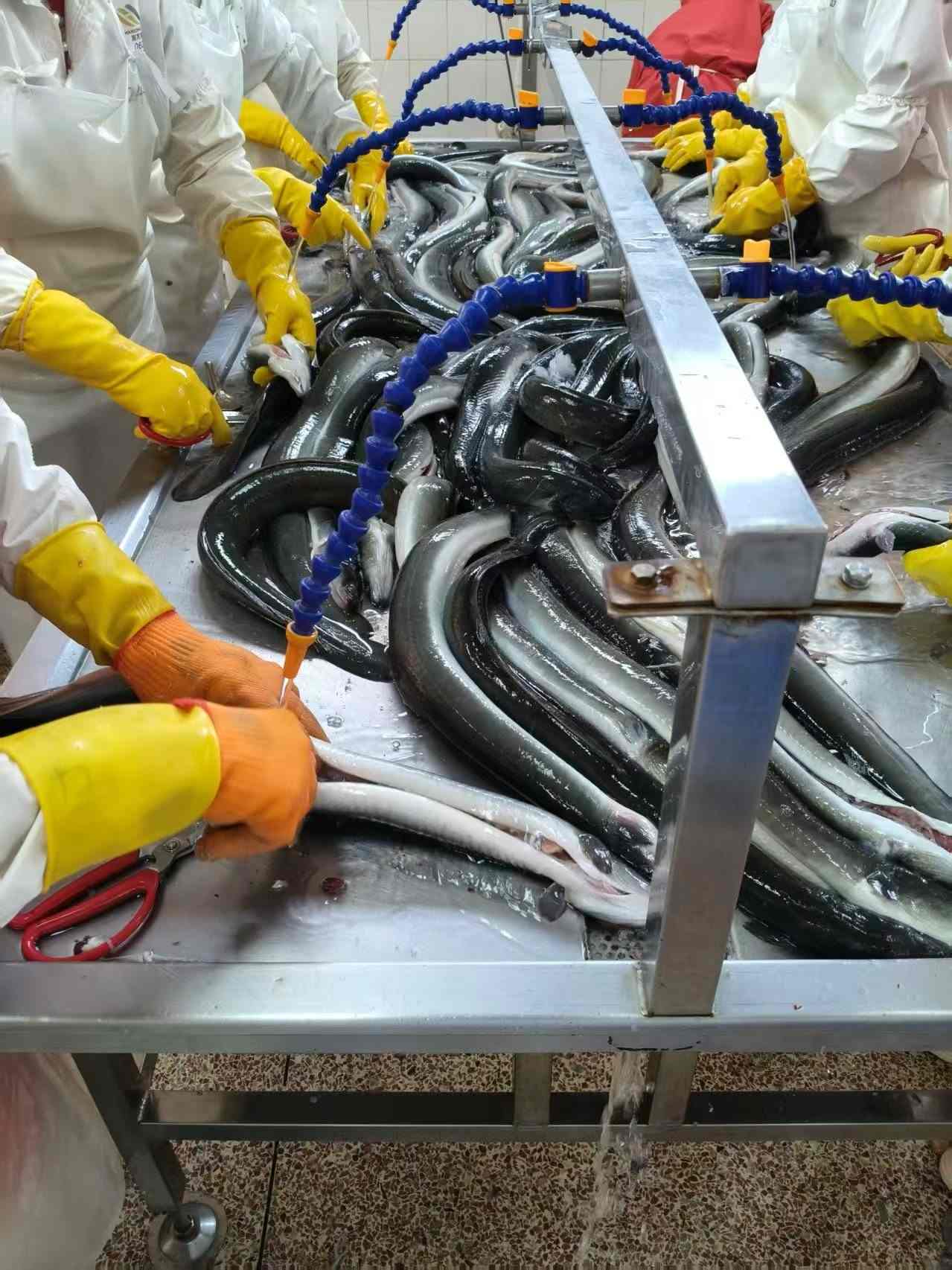
Many importers and chefs new to Japanese cuisine wonder why saltwater eel is never served raw, unlike many other fish used in sushi. The preparation of anago, the saltwater eel used in saltwater eel sushi, involves specific cooking methods that are essential for both food safety and achieving its signature delicate texture and flavor. Understanding this process is key to sourcing high-quality products that meet the expectations of discerning customers in markets like Japan, the US, and the European Union.
Unlike its freshwater counterpart, unagi, which is prized for its rich, bold flavor, anago offers a softer, sweeter, and more subtle taste. This difference is rooted in their biology and directly influences the preparation method. For foodservice businesses, sourcing properly prepared anago means delivering a consistent, premium experience while minimizing back-of-house labor. At Eelpro, our expertise in controlled seafood processing ensures that every piece meets international standards for quality and safety.
Why Anago (Saltwater Eel) Is Always Cooked for Sushi
The decision to cook anago is not arbitrary; it is a culinary necessity rooted in the eel's physiology. Raw anago has a tough, rubbery texture and a mild flavor that is not particularly pleasant. More importantly, its blood contains proteins that can be harmful if consumed raw. The cooking process neutralizes these compounds and, critically, transforms the eel's texture and taste into the tender, flavorful topping beloved in sushi restaurants worldwide.
The transformation occurs through two primary methods: simmering (nitsume) and grilling. Simmering is the most common technique for sushi. The eel is gently poached in a broth, often containing sake, soy sauce, and sugar. This slow cooking process breaks down the abundant collagen in the eel's skin and flesh, rendering it exceptionally soft and gelatinous. After simmering, it is often lightly grilled and brushed with a sweet, savory glaze called tsume (a reduction of the simmering liquid) to finish.

Here is a breakdown of how cooking fundamentally changes saltwater eel for sushi applications:
- Texture Transformation: The primary goal is to break down tough connective tissues. Raw anago is chewy and unpalatable. Simmering dissolves this collagen into gelatin, creating a melt-in-your-mouth texture that is impossible to achieve without heat.
- Flavor Enhancement: Anago's natural flavor is very subtle. The simmering broth and final glaze are absorbed by the tender flesh, infusing it with a complex savory-sweetness that complements the sushi rice. This is different from unagi kabayaki, which has enough natural fat to stand up to direct grilling and a bolder sauce.
- Food Safety: Heat is essential to eliminate any potential pathogens and neutralize the natural proteins in the eel's blood. This is a non-negotiable step for any reputable supplier and a critical control point in our HACCP-certified process.
For importers, this means the quality of pre-cooked, frozen anago is determined by the precision of the cooking process. Inconsistent simmering times or improper glazing techniques can result in a product that is either tough or mushy. Our facility's standardized processes, developed over years of supplying demanding markets, ensure every batch has the same premium texture.
Key Sourcing Checklist for Frozen Anago Importers
When sourcing frozen prepared anago for your market, not all products are created equal. A lower price per kilogram can often hide costs associated with poor quality, inconsistent sizing, or compliance risks. Use this checklist to evaluate potential suppliers and protect your business.
| Decision Criterion | What to Look For | Why It Matters for Your Business |
|---|---|---|
| Traceability & Farming | Supplier has customs-registered farming bases with full-chain traceability. | Ensures raw material quality and safety from the source. It minimizes risks of contamination and veterinary drug residues, which is critical for EU, US, and Japanese market access. Eelpro manages ~20 registered unagi eel farms. |
| Certifications | ISO 22000:2018, HACCP, and HALAL certifications. Look for an Export Food Producer Registration Certificate. | These are non-negotiable proofs of a robust food safety management system. They streamline import clearance and build trust with your end-customers. |
| Processing Technology | Standardized cooking, cutting, and glazing processes. Patented technology is a plus. | Guarantees consistency in taste, texture, and appearance. Our patented low-fat roasting and deodorizing technology delivers a cleaner product. Standardized cuts reduce labor costs for restaurants. |
| Cold Chain Integrity | On-site cold storage facilities (e.g., 1,000-ton capacity) and established cold-chain logistics. | Maintains product integrity from production to shipment, preventing spoilage and texture degradation. Stable storage ensures reliable supply. |
| In-House Quality Control | A dedicated QC team and an in-house laboratory for testing. | Allows for rapid verification of product safety (microbiological, drug residues) at critical control points. Our 25-person QC team and eel lab provide this assurance. |
| Production Capacity | Sufficient annual capacity (e.g., 4,000 tons) to handle large, consistent orders. | A supplier with high capacity, like our dual modern production lines, can ensure supply stability for growing restaurant chains and distributors. |
Anago vs. Unagi: A Comparative Guide for Your Menu Strategy
While both are eels, anago (saltwater) and unagi (freshwater) serve different roles on a menu and appeal to different customer preferences. Understanding these differences is vital for importers advising their foodservice clients or positioning products in retail.
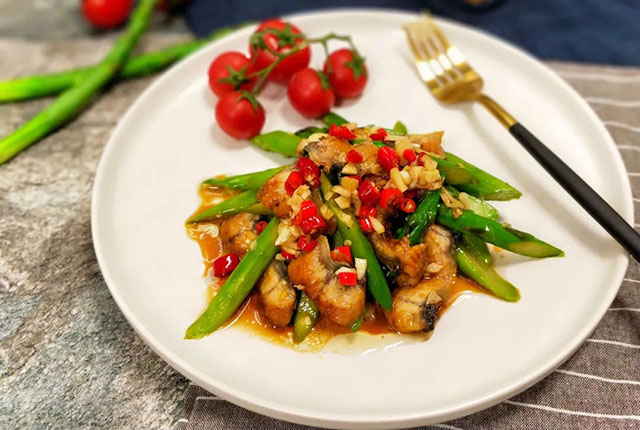
Here’s a direct comparison to help guide your sourcing and marketing decisions:
| Feature | Anago (Saltwater Eel) | Unagi (Freshwater Eel) |
|---|---|---|
| Flavor Profile | Subtle, light, naturally sweet, and delicate. | Rich, bold, savory, and slightly earthy with a strong umami character. |
| Texture | Extremely soft, fluffy, and tender due to lower fat content and simmering. | Firm yet tender, with a satisfyingly fatty mouthfeel from grilling. |
| Fat Content | Leaner. | Significantly higher in fat, which contributes to its rich flavor. |
| Common Preparation | Simmered, then sometimes lightly grilled and glazed with a thin tsume sauce. | Grilled over charcoal (kabayaki style) and basted with a thick, sweet soy-based eel sauce (tare). |
| Best Application | Classic nigiri sushi, where its delicate nature can be appreciated. | Donburi (rice bowls), sushi rolls, and standalone grilled dishes where its bold flavor shines. |
| Market Positioning | Often seen as a more refined, lighter option. A staple in traditional Edomae-style sushi. | A popular, mainstream favorite known for its satisfying richness. A high-demand item in global Japanese cuisine. |
For businesses catering to traditional sushi purists, a high-quality anago is essential. For those serving a broader audience with rice bowls and fusion rolls, our premium frozen eel supplier services for unagi kabayaki are a perfect fit. Offering both allows you to capture a wider segment of the market.
Meeting Global Standards for Safe and Reliable Eel Exports
Supplying eel products to international markets requires strict adherence to diverse and demanding food safety regulations. Eelpro was built with a global focus, ensuring our products meet the standards for veterinary drug residues and microbiological indicators required by Japan, the US, and the EU. This proactive compliance helps our clients avoid costly import rejections and trade risks.
Our quality control system is comprehensive:
- Farm Registration and Monitoring: We work with approximately 20 customs-registered eel farming bases, enabling full-chain control from the source.
- In-Process Verification: Our 25 technical and quality-control personnel monitor every step of production, from raw material receiving to finished goods packaging. Metal detectors are placed at critical control points.
- Final Product Testing: Our professional laboratory conducts targeted sampling and analysis to verify that each batch complies with destination market standards before shipment.
This integrated approach allows us to consistently supply safe, high-quality saltwater eel sushi components and other frozen seafood to partners worldwide, including restaurant chains in Japan and food importers in Germany, Poland, and across Southeast Asia. Our 4,000-ton annual capacity and 1,000-ton cold storage facility provide the scale and stability needed for long-term supply chain partnerships.
Whether you are sourcing anago for traditional sushi bars or unagi for large-scale foodservice operations, partnering with a certified and experienced producer is the most effective way to guarantee quality and consistency.
To discuss your specific requirements for frozen eel products and learn more about our flexible MOQ policies, please contact our export team for a customized consultation and quote.