

Where Does Eel Sauce Come From and How Did It Reach Sushi Menus Outside Japan
Ask ten sushi chefs where eel sauce comes from, and you'll get six different answers. Some point to Tokyo grill stalls. Others call it "just teriyaki with a fancier name." Neither answer is wrong — and neither is complete. If you're sourcing eel sauce for a restaurant menu, or trying to explain unagi tare to a supplier, the confusion around where does eel sauce come from can cost you money, mislabeled products, or a menu that doesn't match what customers expect.
By Nancy Chen, Senior Food Safety & Quality Specialist, 12+ years in seafood export quality assurance.
Where Does Eel Sauce Come From — Its Roots in Kabayaki Cooking
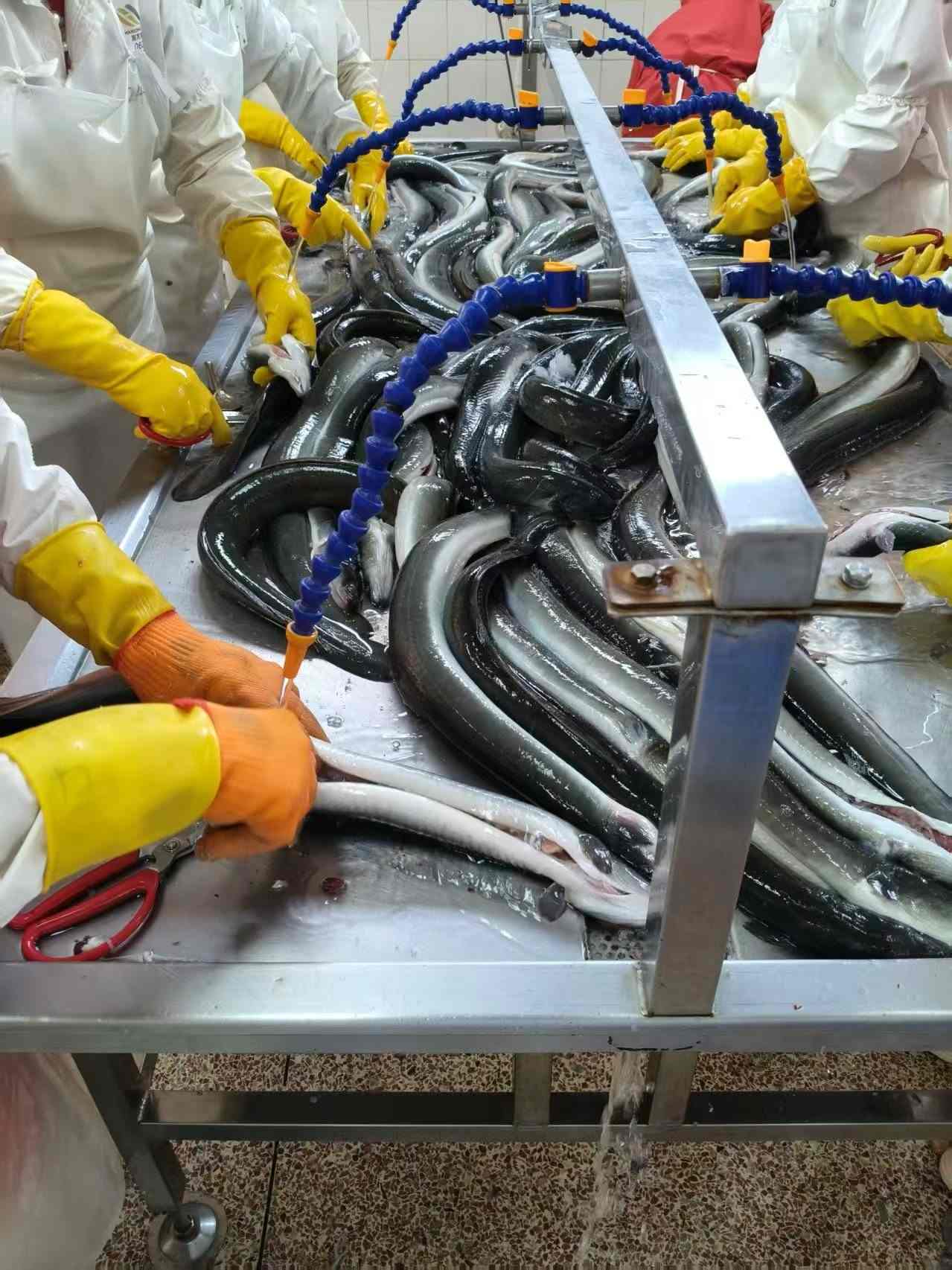
The short version: eel sauce started as the drippings left behind when eel was grilled over charcoal in Japan, well before it ever touched a sushi roll. Cooks would catch the fat and juices from roasting eel, then reduce them with soy sauce, mirin, and sugar into a glaze called tare. That glaze got brushed back onto the eel in repeated passes — a technique still used today.
In export-grade production, this basting process is formalized into what our facility calls a 4-layer soy-sauce coating process, applied at temperature-controlled steps to build color and flavor without burning the surface. Each layer has a name — the "white-roasted" stage before sauce touches the fish, then the 1st through 4th soy-sauce coating stages. Skipping a layer, or rushing the temperature curve, is one of the most common reasons factory-made kabayaki tastes flat compared to fresh-grilled versions. This is also where the sauce itself gets built — not poured from a bottle, but reduced from the actual roasting process, which is why genuine eel sauce tastes different from a plain sweet soy glaze.
The Usage Map — From Grilled-Eel Kitchens to Sushi-Menu Labels
This is the part that trips up most Western buyers and home cooks. The sauce didn't change chemistry as it traveled — its name and its job did. Here's the map:
| Stage | Setting | How the Sauce Is Used | Common Label Today |
|---|---|---|---|
| Traditional grilling | Home kitchens and street-side unagi shops in Japan | Basting glaze brushed onto eel during charcoal roasting, reduced from drippings, soy sauce, and mirin | Kabayaki tare / unagi tare |
| Restaurant donburi service | Izakaya and unagi-don restaurants | Poured over rice beneath the grilled eel fillet | Unagi sauce |
| Export and foodservice packaging | Frozen kabayaki suppliers shipping to the US, EU, Australia | Packed in sachets alongside frozen roasted eel for foodservice reheating | Eel sauce or unagi sauce on ingredient labels |
| Western sushi bar menus | Sushi rolls with no grilled eel at all (dragon roll, avocado roll) | Drizzled on rolls purely for sweetness and color | "Eel sauce" as a generic sweet soy glaze |
Notice the last row. That's where most of the confusion comes from. Once a sauce becomes a menu shorthand rather than a cooking byproduct, it stops needing actual eel in it. A dragon roll drizzled with "eel sauce" may never have touched a fish. That's not fraud — it's just how sauce names drift once they leave their original kitchen context.
How to Tell Real Kabayaki Tare From a Generic "Eel Sauce" Bottle
If you're buying for a restaurant, a distribution business, or even a home kitchen stocked for entertaining, here's a practical check sequence.
- Read the ingredient list first. Genuine kabayaki tare lists eel extract or eel roasting drippings alongside soy sauce, mirin, and sugar. A bottle listing only soy sauce, sugar, water, and caramel color is a soy-glaze imitation — fine for cooking, but not the same product.
- Check color and thickness. Real tare reduces naturally into a deep mahogany, almost syrupy consistency. Imitations are often thinner and brighter, relying on added coloring rather than reduction time.
- Ask the supplier how the sauce was built. A factory running an actual 4-layer soy-sauce coating process, with documented temperature steps, will explain it without hesitation. Vague answers are a warning sign.
- Verify certifications on the shipment. Look for ISO 22000, HACCP, and an export food producer registration number tied to the batch — not just a company brochure.
- Confirm allergen labeling. Fish-derived sauces need to be flagged for allergy-sensitive menus, something that's easy to miss when a sauce is treated as a generic condiment.
Common Mistakes Buyers Make
- Assuming every "eel sauce" bottle on a Western menu contains actual eel — many don't.
- Confusing kabayaki tare with teriyaki sauce; teriyaki skips the fish-derived reduction entirely.
- Buying on price alone without checking whether the product matches the label claim.
- Not requesting traceability documents when importing frozen kabayaki with sauce sachets attached.
For anyone cooking at home rather than sourcing commercially, the eel sauce recipe and storage guide walks through how to reduce a batch yourself and keep it shelf-stable, which is a good way to taste the difference between homemade tare and a store-bought glaze.
Naming Across Markets — A Quick Comparison
| Term | Where It's Used | What It Usually Means |
|---|---|---|
| Kabayaki tare | Japan, technical/export documentation | Sauce built from the actual roasting process, layered onto grilled eel |
| Unagi sauce | Japan and export foodservice | Same product, more consumer-friendly naming for donburi and bento use |
| Eel sauce | US, EU, Australia, Southeast Asia | Broad umbrella term — sometimes genuine tare, sometimes a generic sweet soy glaze with no fish content |
This drift in naming is exactly why kabayaki sauce needs a clear origin story when it's marketed abroad. The technique behind it isn't a marketing gimmick — a deeper look at how kabayaki sauce is built from the roasting process shows why it behaves differently in a pan than a bottled soy glaze, especially when reheating frozen unagi kabayaki for service.
Sourcing Checklist for Importers and Foodservice Buyers
Before placing an order for frozen kabayaki or eel sauce, run through this list. Skipping any of these is where most import headaches start.
- Certification match: confirm ISO 22000:2018, HACCP, and HALAL status apply to the specific batch, not just the company overall.
- Production license: ask for the SC food production license number covering quick-frozen prepared foods and seasoned aquatic products.
- Traceability: request farm-level traceability — a supplier working with roughly 20 customs-registered eel farming bases across over 2,150 mu should provide this without delay. Learn more about how sourcing works at the eel farming bases.
- Lab and inspection points: confirm the supplier runs its own laboratory and uses metal detectors at critical control points — details on this process are on the eel lab page.
- Cold-chain capacity: a 1,000-ton cold storage facility supports stable logistics for larger or recurring orders; ask how storage volume lines up with your order size.
- Lead time: standard order timelines run around 30 days from order confirmation to shipment, negotiable by spec and volume — build this into your planning, not as an afterthought.
A quick worked example: a US foodservice distributor ordering boneless frozen unagi kabayaki with attached sauce sachets should request documentation on both the fish (deboning spec, cutting type) and the sauce (ingredient list, allergen flag) separately — since the two are packed together but certified under different checkpoints. This is also where the umami character of a well-reduced tare becomes noticeable side-by-side with a thinner glaze; the difference is subtle in a bottle but obvious once it's on rice or grilled fish.
Where This Fits Into Your Menu or Sourcing Plan
If you're building a sushi or donburi menu, decide early whether "eel sauce" on your menu needs to contain actual eel extract or whether a generic glaze is acceptable for cost reasons — both are legitimate business choices, but they're different products. If you're importing for foodservice, the traceability and certification checklist above matters more than price per kilo, since a mislabeled shipment creates compliance risk in the US, EU, and other regulated markets. For recipe development or menu testing, pairing sauce with different cuts is covered in the flavor pairing guide for menus, and for home cooks curious about the grilling side of this story, the eel noodle soup recipe shows a different, less sauce-heavy use of the same fish.
Want to compare a real kabayaki tare sample against what's currently on your menu? Request a sample and spec sheet, and we'll walk through the certification and traceability documents together.