

Whats Eel Sauce and How to Recognize It by Flavor and Texture
You're staring at a small dark bottle on a sushi counter. Label says "eel sauce." You flip it over. No eel anywhere on the ingredient list — just soy sauce, sugar, and mirin. So whats eel sauce, actually, and why does it taste like caramel had a savory cousin? Here's the answer, broken down by what you can taste, smell, and see on the spoon.
What Eel Sauce Actually Is (No Eel Required)
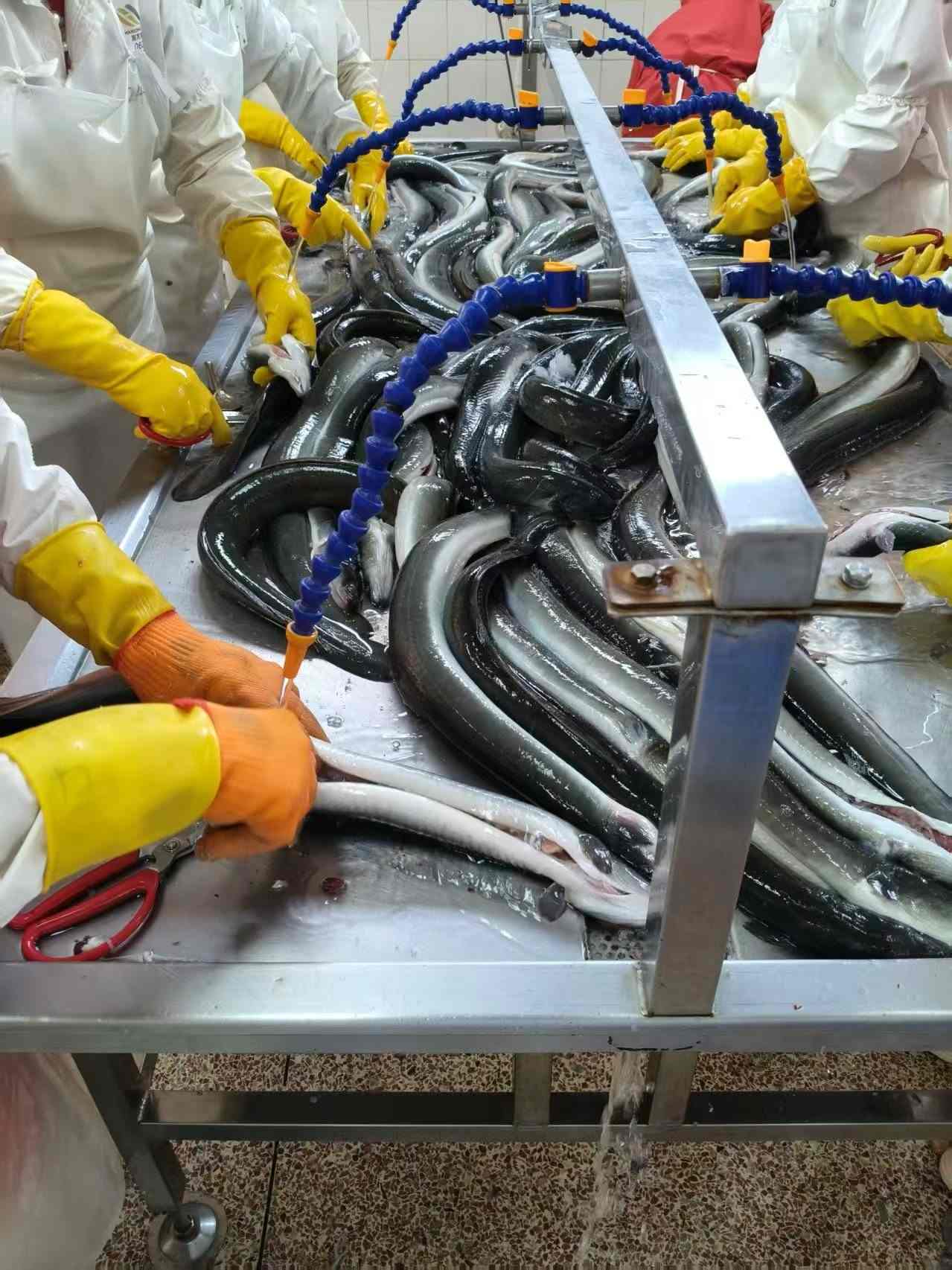
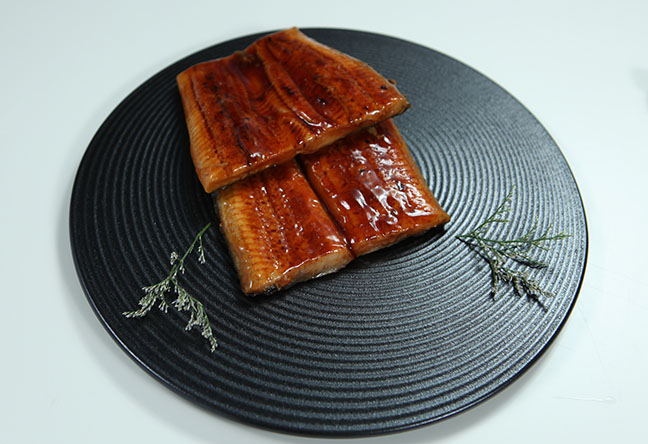
Eel sauce is a Japanese-style glazing sauce, known in Japan as tare. It gets its name from how it's used, not what's in it. Cooks brush it over grilled eel — unagi kabayaki — during roasting, layer after layer, until the surface turns glossy and near-black.
The base is simple: soy sauce, sugar, mirin, and sometimes sake. That's it. No fish stock, no eel bones, no seafood extract in most commercial versions. The name is a job title, not an ingredient list. Once that clicks, whats eel sauce stops being a mystery and starts making sense as a technique-driven sauce, not a seafood byproduct.
Our own eel sauce follows this same soy-sugar-mirin foundation, reduced through a controlled process rather than thickened with starch shortcuts.
How Reduction Creates the Dark Color, Syrupy Body, and Sweet-Savory Finish
This is the part most people skip past — and it's the part that actually explains whats eel sauce is doing on a chemical level. No eel involved. Just heat, time, and sugar chemistry.
When soy sauce, sugar, and mirin simmer together, water evaporates first. As it disappears, the remaining sugars and amino acids concentrate. Sustained low heat then triggers the Maillard reaction between amino acids from the soy sauce and reducing sugars — the same browning reaction that darkens seared steak or toasted bread. That's what turns a thin, light-brown liquid into something near-black and glossy.
Here's what each variable actually controls, and what goes wrong if a cook or producer gets it wrong:
| Parameter | What It Actually Controls | What Happens If It's Off |
|---|---|---|
| Sugar-to-liquid ratio | Final body thickness — syrupy vs. watery | Too much sugar scorches and turns bitter; too little leaves a thin sauce that won't cling to kabayaki |
| Heat level (gentle simmer vs. rolling boil) | Speed and evenness of caramelization | Boiling scorches sugars unevenly, producing a burnt edge instead of a clean sweet-savory finish |
| Reduction time | Color depth and viscosity — pale amber to near-black | Under-reduced sauce stays thin and pale; over-reduced sauce seizes into a sticky, taffy-like mass |
| Soy sauce type | Umami base and saltiness | Light soy alone gives a flat, salty flavor without the roasted depth that dark soy contributes |
| Mirin or sake ratio | Sweetness balance and glaze sheen | Skipping it leaves a flat, one-note sweetness with no shine when brushed on eel |
That's whats eel sauce becomes once you strip away the mystery: a reduction sauce built on umami chemistry, not fish protein. Our production process controls each of these variables through a four-layer soy-sauce coating step with temperature checkpoints at every stage — which is also why the color grading standard we use internally goes from "white-roasted" through four distinct soy-sauce coating shades. You can read more about how that layered brushing process actually works in this breakdown of kabayaki sauce technique.
How to Recognize Real Eel Sauce by Flavor and Texture
Forget the label for a second. Here's the spoon test — the fastest way to tell a properly reduced sauce from a diluted imitation.
- Color: deep mahogany to near-black. Hold it up to light — it should show a faint reddish translucency, not flat opaque brown.
- Texture: it coats the back of a spoon and drips slowly in a single ribbon. If it runs off like soy sauce, it's under-reduced or over-diluted.
- Aroma: caramelized soy with a faint roasted-sugar note, sometimes a light smoky edge if it's been used on grilled eel.
- Taste: sweet arrives first, savory-umami follows, and a slight char or roasted note lingers at the finish. There should be no raw alcohol bite from unreduced mirin.
That's whats eel sauce should look and feel like when it's done right — thick enough to glaze, dark enough to look almost lacquered, and balanced rather than one-note sweet.
Common Mistakes When Buying or Cooking With Eel Sauce
- Confusing it with bottled teriyaki. Teriyaki is usually thinner, often includes garlic or ginger, and skews sweeter with less roasted depth.
- Assuming eel sauce must contain eel. Misunderstanding whats eel sauce actually made of leads buyers to search for "fish-free" labeling that was never necessary in the first place.
- Overheating it at home. Reheating eel sauce over high heat scorches residual sugars fast — a gentle warm-through is enough; it does not need to boil again.
- Buying watered-down versions to save cost. A runny sauce won't cling to skewers or fillets, which means more product wasted per serving. If it doesn't coat a spoon, it's diluted. See common flavor mistakes and fixes for troubleshooting a thin or flat batch.
Eel Sauce vs. Teriyaki vs. Kabayaki Glaze
These three get mixed up constantly on menus and in home kitchens. The table below settles whats eel sauce differs from its closest lookalikes.
| Feature | Eel Sauce | Teriyaki | Kabayaki Glaze (in use) |
|---|---|---|---|
| Base ingredients | Soy sauce, sugar, mirin | Soy sauce, sugar, mirin, often garlic/ginger | Eel sauce applied in repeated brushed layers |
| Sweetness level | Moderate, balanced by soy depth | Often sweeter, less roasted | Builds with each brushed layer during roasting |
| Viscosity | Syrupy, coats a spoon | Thinner, pours freely | Thickens further as it caramelizes on the surface |
| Typical use | Drizzled on rice bowls, sushi rolls, grilled eel | Marinade or stir-fry glaze | Brushed directly onto eel during grilling |
| Color | Near-black, glossy | Medium brown | Darkens progressively, layer by layer |
Sourcing Eel Sauce and Kabayaki for Foodservice
As a food safety specialist who has spent over a decade auditing seafood export operations, I've seen kitchens get burned by "eel sauce" that's really just diluted soy syrup with caramel coloring added. If you're buying for a menu — not just a home pantry — a few checks matter before you commit to a supplier.
- Ask for certification documentation. Confirm ISO 22000:2018 and HACCP status, plus an export food producer registration certificate if you're importing.
- Request a lab test report. Producers with an in-house lab and metal detectors at critical control points can usually provide microbiological and veterinary drug residue data on request — check our lab testing process for what that looks like in practice.
- Check batch-to-batch viscosity consistency. A sauce that's syrupy one shipment and watery the next signals inconsistent reduction control.
- Confirm cold-chain capability. Frozen kabayaki and sauce need stable storage — a 1,000-ton cold storage facility supports consistent temperature control through shipping.
- Trace it back to the farm. Full traceability from farming base through processing matters more once regulators start asking questions. Facilities like our eel farming bases that cover certified, customs-registered ponds make that documentation easier to produce on demand.
Eelpro currently supplies kabayaki eel and eel sauce to restaurant chains in Japan, food importers in the United States, and distributors across Germany and Poland, along with foodservice and retail channels in Australia and Indonesia. Products meet the veterinary drug residue and microbiological standards required for Japan, US, and EU import inspection — which matters if you're sourcing for a menu that crosses borders, not just a single kitchen. Still unsure whats eel sauce fits your menu format best — bottled for retail, or bulk for back-of-house glazing? That decision usually comes down to portion control and shelf turnover, not flavor.
If you're evaluating eel sauce or frozen unagi kabayaki for a menu, restaurant chain, or retail line, request a sample batch and spec sheet from our team — it's the fastest way to check color, viscosity, and flavor against your own kitchen standard before committing to volume.