

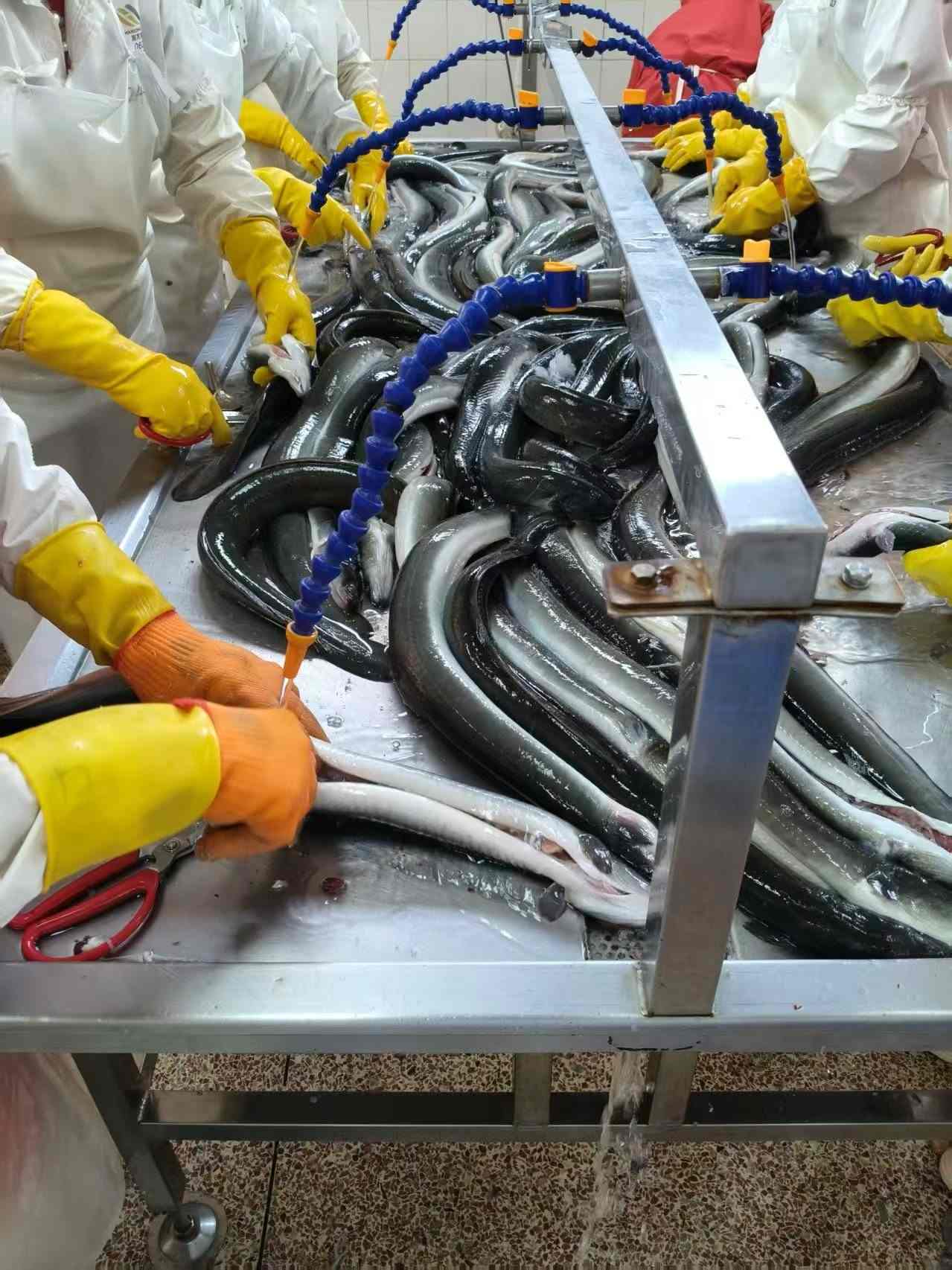
How Authentic Kabayaki Unagi is Prepared from Start to Finish
For food importers and restaurant chains, the difference between generic grilled eel and authentic kabayaki unagi lies in a precise, multi-step process. It’s not just about cooking; it’s a craft that balances texture, flavor, and appearance. Understanding this process is the first step in sourcing a product that meets the expectations of discerning customers in markets like Japan, the US, and the EU. Simply grilling an eel with sauce does not make it kabayaki. The authentic method involves specific cuts, meticulous deboning, skewering, a plain-roasting step, steaming, and multiple layers of glazing and grilling that build a deep, complex flavor profile.
At Eelpro, our entire production is built around mastering this traditional technique at a commercial scale, ensuring every fillet delivers the quality and safety global buyers demand. As our Senior Food Safety & Quality Specialist, Nancy Chen, with over 12 years in seafood export quality assurance, I oversee the systems that guarantee this consistency. We’ll break down the exact steps that define true kabayaki and what you should look for in a supplier.
The Step-by-Step Process of Crafting Kabayaki Unagi
The term Kabayaki refers to a specific Japanese preparation method. Getting it right involves a sequence where each stage directly impacts the final product's texture and taste. A failure at any step, from the initial cut to the final glaze, results in a subpar product that can damage a brand's reputation. Here is a technical breakdown of the production sequence we follow, which is critical for any buyer to understand.
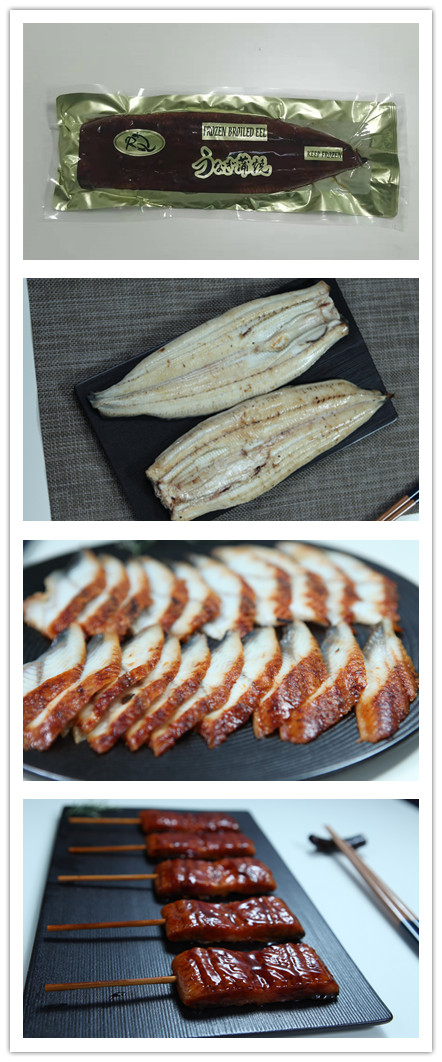
| Process Step | Technical Action | Impact on Final Product Quality |
|---|---|---|
| 1. Splitting (Hiraki) | The live eel is split lengthwise along the back (se-biraki). The head and backbone are removed in one fluid motion. | Why it matters: Back-splitting is characteristic of the Kanto (Tokyo) style. It creates a wider, more uniform fillet for even cooking and presentation. Splitting from the belly (hara-biraki) is more common in the Kansai region. Incorrect splitting can tear the flesh or leave bone fragments. |
| 2. Deboning & Skewering (Kushi-uchi) | Fine pin bones are meticulously removed by hand. The boneless fillet is then threaded onto metal skewers to keep it flat and prevent curling during grilling. | Why it matters: Incomplete deboning is a major quality failure and safety hazard for foodservice. Proper skewering ensures the entire surface of the eel is exposed to heat evenly, preventing undercooked spots or burnt edges. |
| 3. White Roasting (Shirayaki) | The skewered, unseasoned eel is grilled over a heat source. This initial grilling cooks the eel, firms up the flesh, and renders out some of the natural fat. | Why it matters: This is a foundational step. It creates the base texture. At Eelpro, we use a patented low-fat roasting process here, which helps create a cleaner taste and a less greasy mouthfeel, a quality highly valued in premium unagi kabayaki. |
| 4. Steaming (Mushi) | After the initial roast, the eel is removed from the skewers and steamed. | Why it matters: Steaming makes the eel exceptionally tender and moist, allowing it to melt in the mouth. Skipping or shortening this step results in a tougher, chewier texture that is considered inferior for high-end applications like unagi donburi or sushi. |
| 5. Glazing & Grilling (Tare-yaki) | The steamed eel is dipped in a sweet soy-based kabayaki sauce (tare) and returned to the grill. This process is repeated multiple times—typically 3 to 4. | Why it matters: This is where the signature flavor is built. Each layer of grilling caramelizes the eel sauce, creating a deep, savory, and slightly sweet glaze. We apply 4 precise layers of soy sauce with temperature-controlled steps, adhering to our established color standards for a perfect finish. |
Verifying Supplier Capabilities for Consistent Quality
Producing authentic kabayaki unagi at scale for export requires more than just following the recipe. It demands industrial capacity, rigorous quality control, and a fully traceable supply chain. For buyers in the United States, Germany, Poland, and across the European Union, verifying these operational details is essential to avoid supply disruptions and import rejections.
Our facility operates two modern production lines with a combined annual production capacity of 4,000 tons. This scale ensures we can handle large, consistent orders for restaurant chains and major distributors. The entire process is underpinned by our certifications, including ISO 22000:2018, HACCP, and HALAL, which are non-negotiable for entering most international markets. These systems are managed by our team of 25 dedicated quality-control specialists who monitor every critical control point, from raw material receiving to final packaging.
Buyer's Checklist for Supplier Evaluation
When evaluating a potential frozen eel supplier, use this checklist to assess their ability to deliver a consistent, safe, and compliant product:
- Traceability Credentials: Can the supplier provide full-chain traceability from the farm to the finished product? Ask for documentation on their farming bases. We manage this through our network of ~20 customs-registered eel farming bases, ensuring every batch is traceable.
- Certifications: Do they hold internationally recognized food safety certifications like ISO 22000 and HACCP? Request copies of their current certificates. These are essential for mitigating food safety risks.
- Production Capacity: Does their stated capacity match your volume requirements? A 4,000-ton annual capacity like ours provides confidence for large-scale partners.
- Cold Chain Management: What are their cold storage and logistics capabilities? An integrated cold chain is vital for maintaining the quality of frozen seafood. Our 1,000-ton cold storage facility ensures product integrity from production to shipment.
- In-House Testing: Does the supplier have an in-house laboratory for quality checks? Our eel lab and use of metal detectors at key points allow us to verify that products meet Japan, US, and EU standards for veterinary drug residues and microbiological indicators before they ever leave our facility.
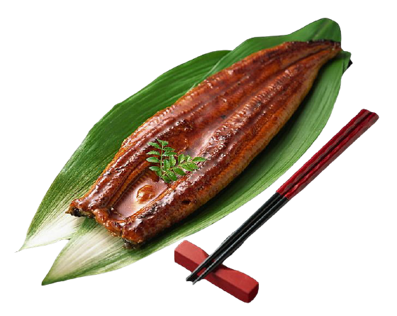
From Farm to Fork: The Importance of Raw Material Control
The quality of kabayaki unagi begins long before the eel enters the processing plant. It starts at the farm. The flavor, texture, and safety of the final product are all directly influenced by the quality of the raw materials. Without complete control over the aquaculture process, a manufacturer cannot reliably guarantee compliance with strict international food safety standards.
This is why Eelpro has invested heavily in backward integration. Our supply chain is supported by 19 self-operated and cooperative certified eel farms covering over 2,150 mu. These farms supply over 5,000 tons of high-quality live eels annually, giving us a stable and controlled source of raw material. Every farm is registered with customs authorities, and we implement a rigorous program of process verification, targeted sampling, and traceability tracking. This system allows us to consistently supply eel products to demanding markets such as Australia and Indonesia, where import regulations are stringent.
Meeting the Needs of Global Foodservice and Retail
Beyond traditional preparation, a modern supplier must also offer flexibility to meet diverse market needs. Foodservice operators require products that reduce back-of-house labor, while importers need specifications that align with their distribution channels.
Our production lines are designed for this flexibility. We offer a range of custom cutting specifications to suit different culinary applications:
- Shredding & Dicing: Ideal for fillings, toppings, or mixed rice dishes.
- Strip & Chunk Cutting: Suited for appetizers, skewers, or bento boxes.
- 3-Section Cut & Sushi Slices: Standardized portions perfect for eel sushi roll recipes and unagi donburi, ensuring cost control and consistent plating for restaurant chains.
All our products are boneless and ready-to-heat, significantly cutting down on kitchen prep time and costs. Furthermore, we offer differentiated MOQ policies for catering chains, wholesale clients, and export traders, with terms that are negotiable based on product specifications and packaging formats. This tailored approach has been key to our long-term partnerships with Japanese restaurant chains and food importers in Southeast Asia.
Understanding the full journey of kabayaki unagi—from a carefully managed farm to a precisely controlled production line—is the best way for B2B buyers to secure a reliable, high-quality supply. It's a combination of tradition, technology, and rigorous quality management.
To receive a full product specification sheet or to discuss your import requirements, please contact our export team.