

Does Eel Sauce Have Eel, or Is It Mostly Soy, Sugar, and Fish Extract
Grab a bottle of unagi sauce off the shelf and flip it over. The label reads like a chemistry set — soy sauce, sugar, mirin, and something called "fish extract." So does eel sauce have eel? The honest answer: sometimes yes, often no, and the difference matters if you're managing allergies, halal sourcing, or a vegetarian menu. This guide breaks down what's actually hiding in that bottle, and how to read the label before it lands in your kitchen or your import container.
What Traditional Unagi Tare Actually Contains
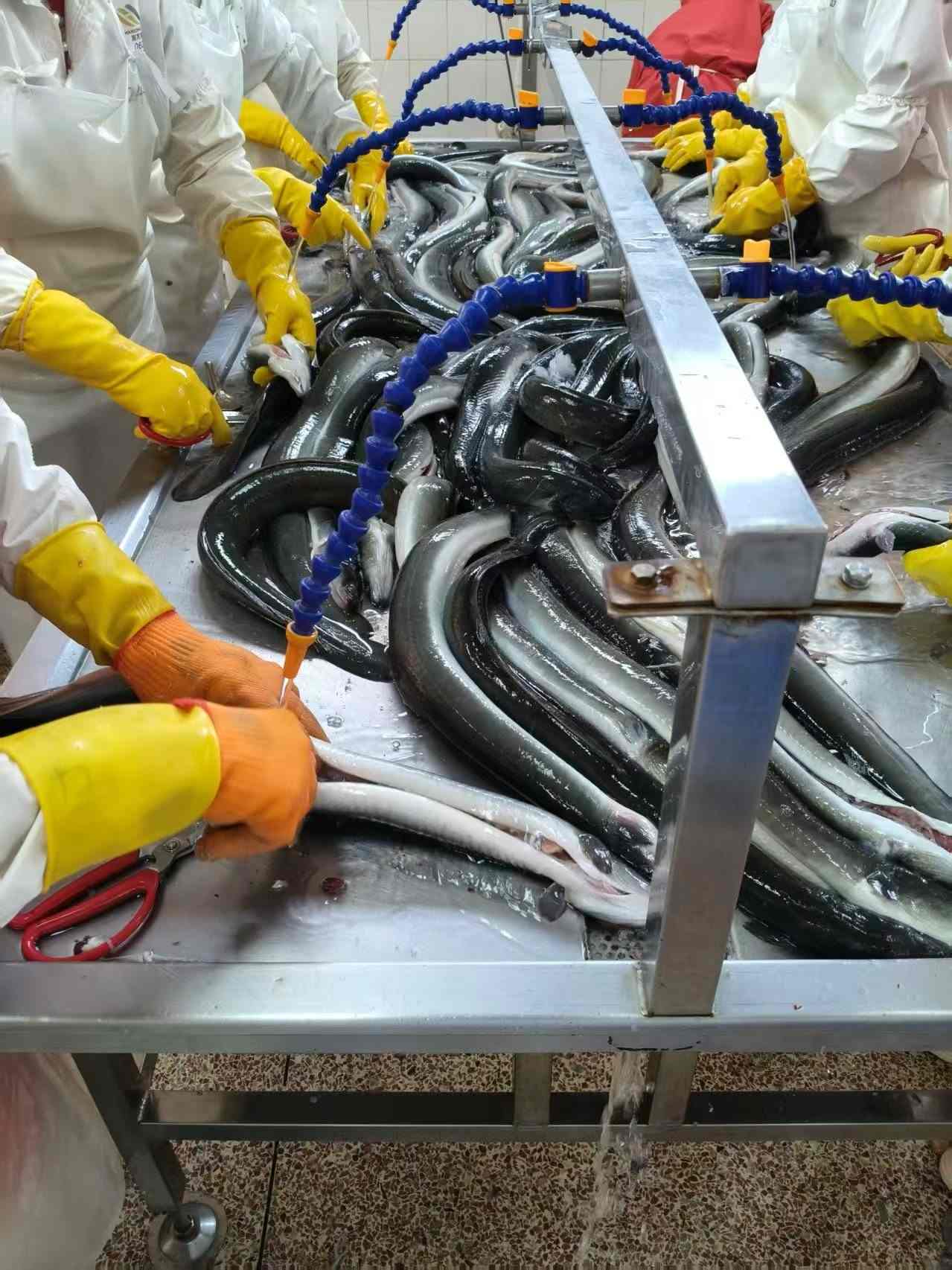
Real Japanese-style tare — the glaze brushed onto grilled eel — starts as the fat and juices that drip off the eel during roasting. Restaurants simmer that runoff with soy sauce, sugar, and mirin, then keep topping up the same pot for years, sometimes decades. That's the literal source of the eel flavor in traditional eel sauce: rendered eel fat and collagen, reduced down with seasoning.
Bottled retail versions sold in supermarkets rarely work this way. Most manufacturers skip the actual roasting drippings — it's inconsistent, hard to scale, and expensive to collect. Instead, they lean on soy sauce, sugar, and a fish-derived flavor booster to fake that same umami depth. So when someone asks whether does eel sauce have eel apply to what they bought at the store, the real answer depends entirely on the brand and the exact production process, which is why the ingredient panel matters more than the front label.
A well-made kabayaki sauce built on genuine soy-sauce layering technique can carry rich flavor without needing shortcuts — but that's a manufacturing choice, not a given.
How to Spot Hidden Fish-Derived Ingredients on Retail Labels
This is the part most buyers skip, and it's the one that causes returns, allergy complaints, and failed halal audits. Below is what each common label term actually means, and what goes wrong if you misread it.
| Label Term | What It Actually Is | Why It's Used | Risk If Misread |
|---|---|---|---|
| Eel broth / eel extract | Concentrated liquid from simmered eel bones or skin | Delivers authentic eel flavor without whole meat | Contains real eel protein — a direct allergen and non-vegetarian ingredient |
| Fish extract / fish stock | Generic term, often bonito, mackerel, or unspecified whitefish | Cheap umami booster to mimic eel depth | Not eel-specific, but still fish-derived — fails "no fish" claims |
| Bonito (katsuobushi) / dashi | Dried, fermented skipjack tuna flakes or broth | Adds smoky umami, common in tare recipes | Frequent cause of "why does my vegetarian sauce taste fishy" complaints |
| Fish sauce | Fermented anchovy liquid | Salty umami substitute, cheaper than soy alone | Stronger allergen load, not acceptable for halal without certification |
| "Natural flavors" | Vague catch-all term permitted by most labeling laws | Legally hides proprietary or minor fish derivatives | Label alone can't confirm safety — requires direct manufacturer confirmation |
If your team assumes "natural flavors" means no fish, and it turns out to include a bonito derivative, you could end up with a rejected shipment at a halal-certifying port, or a customer reaction if the product reaches someone with a fish or shellfish allergy. That single line on the label carries more risk than most buyers realize.
A Step-by-Step Way to Read the Label Before You Buy
- Find the ingredient list — not the marketing copy on the front.
- Check the first five ingredients. Labeling law in most markets (Japan, US, EU) requires ingredients listed by descending weight, so anything fish-related near the top means a meaningful quantity.
- Flag vague terms like "seasoning," "natural flavor," or "flavor enhancer."
- Cross-check certification marks on the bottle — HALAL, Kosher, or an allergen statement box.
- Request a spec sheet or certificate of analysis from the supplier if anything is unclear. A legitimate exporter will have this ready.
- Match against your actual requirement — fish-free, shellfish-free, halal, or vegetarian — rather than assuming the product name tells you enough.
Common Mistakes Buyers Make When Screening Eel Sauce Labels
- Assuming the name "eel sauce" guarantees actual eel content — it often doesn't.
- Overlooking "may contain" allergen disclaimers printed in small type near the bottom.
- Confusing bonito-based dashi flavoring with a plain soy-and-sugar teriyaki base.
- Ignoring that labeling rules differ by market — EU allergen labeling requirements are stricter than some export markets, so a compliant US label may still need reformatting for EU customers.
- Skipping the request for a certificate of analysis when adapting a recipe for an allergy-sensitive menu — this single document would have caught most of these issues before the product ever shipped.
For teams building recipes around this sauce, it helps to also understand common flavor pitfalls — the guide on how to fix kabayaki sauce flavor mistakes covers issues that often trace back to ingredient substitutions like the ones above.
Comparing Eel Sauce Types Before You Place an Order
Not every "eel sauce" on the market is built the same way, and the differences matter once you're sourcing at volume rather than for one dinner.
| Sauce Type | Contains Real Eel? | Typical Use Case | Limitation |
|---|---|---|---|
| Traditional in-house tare (eel-drippings based) | Yes — trace eel fat and protein | High-end izakaya, fresh unagi kabayaki plating | Not allergen-free; batch flavor varies by kitchen |
| Commercial bottled sauce (soy + sugar + fish extract) | Usually no meat, may contain fish extract | Retail, home cooking, chain restaurants | Must read label closely for fish source |
| Vegetarian-style unagi sauce | No | Plant-based menus | Often missing the umami depth dashi provides |
| Export-grade formulated eel sauce with disclosed spec | Composition confirmed via documentation, not guesswork | Foodservice import, private label programs | Requires requesting the spec sheet — not printed in full on retail bottles |
So when a buyer asks again whether does eel sauce have eel apply across the board — no, it doesn't, and that's exactly why the spec sheet, not the front label, should decide your purchase for commercial volumes.
Buyer's decision checklist before you order:
- Do you need halal or allergen-free certification? Confirm the certificate is current, not just printed on the bottle.
- Are you supplying into the EU? Check compliance with EU allergen labeling rules before shipment, not after customs holds the container.
- Running a foodservice chain needing consistent flavor batch to batch? Ask for a certificate of analysis on each production lot.
- Building a private label program? Confirm traceability documentation and the production license number before signing the contract.
Why Farm-to-Bottle Traceability Changes What's Actually in the Sauce
Ingredient risk usually starts further back than the bottling line. If a supplier can't tell you which farm the raw eel came from, they usually can't tell you what's really in the sauce either. Full traceability — from registered eel farming bases through process verification and lot sampling — is what lets a manufacturer put an exact ingredient statement on paper instead of a vague one.
Testing matters just as much. Products checked through an in-house laboratory and passed through metal detectors at critical control points give buyers a documented basis for every claim on the label, not just a marketing promise. That's the standard export markets like Japan, the US, and the EU expect for veterinary drug residue and microbiological screening — and it's the same standard that should back up any claim about what is, or isn't, in the bottle.

If you're sourcing frozen seafood or eel sauce for a restaurant chain, a retail private label, or an import program, the safest move is asking for the actual ingredient breakdown and certificate of analysis before the first container ships — not after a customer or a customs officer asks the same question you're asking now.
Want to compare a formulated eel sauce spec sheet against your current supplier's label? Reach out for a sample and documentation, or explore more on eel selection and prep in our other guides on cooking eel.