

What Eel Sauce Is and Why It Typically Contains No Eel
As a quality specialist who has guided dozens of overseas clients through import compliance, one of the most frequent questions I get is about our sauces. Specifically, food importers and chefs ask: what eel sauce is actually made from, and does it contain eel? The answer is simple: traditional eel sauce does not contain eel. The name refers to its purpose, not its ingredients. It's the classic finishing glaze for grilled eel, known as unagi kabayaki.
Understanding this distinction is key for menu development, allergen labeling, and sourcing a high-quality product that delivers authentic flavor. This sauce, a thick and sweet soy-based glaze, is a staple in Japanese cuisine. Its quality can make or break a dish. Below, I’ll explain its composition, how to identify a superior product for your business, and how we ensure consistency and safety in every batch we produce.
By Nancy Chen — Senior Food Safety & Quality Specialist
Does Eel Sauce Contain Eel? A Look at the Names and Ingredients
The confusion around the name "eel sauce" is understandable, especially for buyers in markets like the United States, Germany, and Australia where the term is common. However, in Japan, the sauce is known by names that describe its function or characteristics, which provides much-needed clarity. The sauce's name comes from its long-standing role as the perfect partner for grilled freshwater eel.
Let's break down the common terminology and typical ingredients to clear up any misunderstanding.
Understanding Japanese Sauce Terminology
- Unagi no Tare (うなぎのたれ): This literally translates to "eel's sauce" or "sauce for eel." This is the most direct and common term in Japan. It explicitly states its application—to be used with unagi kabayaki eel.
- Nitsume (煮詰め): This term means "simmered down" or "boiled down." It describes the cooking process where the ingredients are reduced to create a thick, concentrated glaze. While often used for the sauce served with unagi, Nitsume can also refer to other simmered-down sauces, such as those served with anago (saltwater eel) or other seafood.
- Kabayaki no Tare (蒲焼きのたれ): This translates to "sauce for Kabayaki." Kabayaki is a specific style of grilling where fish, most famously eel, is split, deboned, skewered, and grilled while being basted with a sweet soy sauce. This name refers to the cooking method the sauce is designed for.
The core ingredients are consistent across these names and do not include eel:
- Soy Sauce (Shoyu): The foundational ingredient, providing a salty, umami base.
- Mirin: A sweet rice wine that adds a mild sweetness, a glossy sheen, and helps tenderize the protein it coats.
- Sugar: Used to balance the saltiness of the soy sauce and enhance the caramelization during grilling. Granulated sugar or brown sugar can be used.
- Sake (optional): Sometimes included to add depth of flavor and aroma. The alcohol content is cooked off during the reduction process.
The ingredients are combined and simmered until the liquid reduces and thickens into a rich, dark glaze. At Eelpro, our eel sauce is formulated to achieve the perfect viscosity for coating our roasted eel, a process we have standardized across our two modern production lines.
A Buyer's Checklist for Sourcing High-Quality Eel Sauce
For foodservice chains, importers, and distributors, sourcing a consistent and safe eel sauce is just as important as sourcing the eel itself. An inferior sauce can ruin an otherwise perfect dish with off-flavors, poor texture, or inconsistent performance. When evaluating a supplier, use this checklist to ensure you're getting a product that meets professional standards.
| Evaluation Criterion | What to Look For | Why It Matters for Your Business |
|---|---|---|
| Ingredient List | Simple, traditional ingredients: soy sauce, mirin, sugar. Avoid products with excessive corn syrup, artificial thickeners (e.g., xanthan gum), or artificial coloring and preservatives. | A clean label signals authentic flavor and quality. Unnecessary additives can create a cloying sweetness or an artificial texture, which detracts from the premium experience of unagi. |
| Viscosity and Sheen | The sauce should be thick enough to coat the back of a spoon but still pourable. It should have a natural, glossy sheen, not a dull or starchy appearance. | Proper viscosity ensures the sauce clings to the eel during heating and serving without being overly sticky or watery. A good sheen enhances the visual appeal of the final dish. |
| Color and Aroma | Look for a deep, rich, dark brown color from the soy sauce and caramelization. The aroma should be a balance of savory soy and sweet mirin. | Color and aroma are the first indicators of quality. A pale or reddish color might indicate low-quality soy sauce or excessive sugar without proper reduction. |
| Food Safety Certifications | The manufacturer must hold internationally recognized certifications. Eelpro is certified for ISO 22000:2018, HACCP, and HALAL. An Export Food Producer Registration is also essential. | Certifications are non-negotiable for import. They mitigate your trade risk by ensuring the product is manufactured in a facility with a verified food safety management system, protecting your brand and your customers. |
| Supplier Traceability | Can the supplier provide full traceability for their ingredients? This is a sign of a well-managed supply chain. | While the sauce doesn't contain eel, traceability of all ingredients is a hallmark of a reliable supplier. It demonstrates control over the entire production process, from raw material sourcing to final packaging. |
How We Ensure Consistency and Safety in Every Batch
At Eelpro, our eel sauce production is integrated with our main export-grade frozen roasted eel operations. This synergy allows us to maintain absolute control over quality and create a product that perfectly complements our unagi kabayaki. Our process is built on precision, safety, and technology.
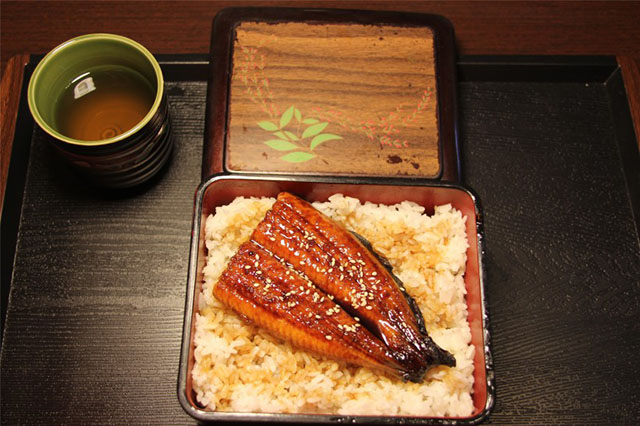
The sauce we use for our famous 4-layer coating process is the same high-quality sauce we bottle for export. This process involves four precise applications of the glaze at different temperature-controlled stages, creating a deep, layered flavor that penetrates the eel. This isn't just a surface coating; it's a core part of the product's flavor profile.
Our commitment to quality is backed by significant infrastructure and expertise:
- In-House Laboratory: We don't rely solely on third-party testing. Our professional eel lab and team of 25 quality-control specialists conduct rigorous checks on raw materials and finished products. This ensures every batch meets the stringent veterinary drug residue and microbiological standards of Japan, the US, and the EU.
- Certified Processes: Our facility operates under ISO 22000:2018 and HACCP systems. These are not just certificates on a wall; they are active management systems that govern every step, from ingredient reception to cold-chain logistics.
- Advanced Technology: We utilize specialized equipment, including metal detectors at critical control points, to eliminate physical contaminants. Our patented deodorizing technology for eel processing also means our kabayaki provides a clean canvas for our perfectly balanced sauce.
- Stable Supply Chain: With a 1,000-ton cold storage facility and an annual production capacity of 4,000 tons, we can manage large-volume orders for clients like the Japanese restaurant chains and US food importers we supply. This capacity ensures product availability and stable pricing.
Versatile Menu Applications Beyond Traditional Unagi
While its primary role is glazing unagi, high-quality eel sauce is a remarkably versatile ingredient for commercial kitchens looking to add a sweet and savory umami flavor to other dishes. Encouraging your foodservice clients to explore these uses can increase their order volume and menu creativity.
Here are some proven applications:
- Glaze for Other Proteins: Use it as a finishing glaze for grilled chicken (yakitori), pork belly, salmon, or even firm tofu. Its balanced flavor profile requires no additional seasoning.
- Sushi and Rolls: Drizzle it over sushi rolls, especially those with tempura shrimp or avocado. It's a key component in popular items like the Dragon Roll. Making an eel sushi roll recipe is one of its most classic uses.
- Stir-fry and Noodle Sauce: Add a few spoonfuls to a vegetable or protein stir-fry for instant depth and a glossy finish. It can also be tossed with udon or soba noodles.
- Dipping Sauce: Serve it alongside appetizers like gyoza, spring rolls, or tempura as a rich alternative to standard soy sauce.
By marketing the sauce based on its versatile flavor profile rather than just its connection to eel, you can expand its appeal to a wider range of culinary applications, from traditional Japanese restaurants to Pan-Asian and fusion concepts.
Ultimately, understanding what eel sauce is—a functional name for a classic Japanese glaze—empowers you to make better sourcing decisions. By focusing on ingredient quality, production safety, and supplier reliability, you can provide your customers with a consistent, authentic, and safe product that enhances a wide variety of dishes.
If you are looking for a reliable supply of authentic unagi tare that meets international export standards, our team can provide detailed specifications and samples. Contact us to discuss your specific needs for volume, packaging, and logistics.