

What Is Unagi Sauce Made Of? An Ingredient and Process Guide
As a quality specialist, one of the first questions importers ask is, "What is unagi sauce made of?" The simple answer is soy sauce, mirin, sake, and sugar. However, this only scratches the surface. The difference between a basic homemade recipe and a commercial-grade sauce capable of satisfying Japanese restaurant chains lies in the subtle ingredients, production methods, and rigorous quality control that ensure flavor consistency across thousands of batches. Understanding this distinction is key for any food importer or foodservice business.
The true essence of authentic unagi sauce, or tare, comes from depth and umami, qualities that are difficult to scale without a disciplined process. At Eelpro, we've built our production lines around delivering this authentic taste consistently, meeting the strict standards of markets in Japan, the US, and the EU. This guide breaks down the core components of unagi sauce, compares traditional and modern formulations, and outlines what B2B buyers should look for in a reliable supplier.
By Nancy Chen — Senior Food Safety & Quality Specialist | Eelpro Co., LTD
Traditional vs. Modern Unagi Sauce: What's the Difference?
The core confusion for many buyers stems from the difference between a legacy, restaurant-style tare and the stable, high-volume sauce needed for international foodservice. The primary differentiator is the use of eel broth. Traditional sauces are built over time, incorporating the rich drippings and collagen from grilled eel, while modern commercial sauces are engineered for safety, consistency, and shelf life.
Understanding which version you are sourcing is critical for menu development and cost management. Here is a direct comparison:
| Attribute | Traditional Unagi Tare | Modern Commercial Unagi Sauce |
|---|---|---|
| Core Ingredients | Soy sauce, mirin, sake, sugar, and eel head/bone broth or drippings. | Soy sauce, mirin, sake, sugar, and often thickeners like modified starch for stability. |
| Flavor Profile | Deep, complex, smoky, and rich with umami from the eel essence. The flavor evolves as the master sauce is replenished. | Clean, balanced sweet-and-savory profile. Highly consistent from batch to batch. Can be customized for specific viscosity and sweetness (Brix) levels. |
| Production Method | A "master sauce" is simmered and maintained, sometimes for years. New ingredients are added to the old base, which is never fully depleted. | Formulated in large, controlled batches using precise measurements and temperature controls. Cooked, pasteurized, and packaged under strict food safety protocols (HACCP, ISO 22000). |
| Best Use Case | High-end, single-location Japanese restaurants (unagi-ya) where the sauce is a signature element. | Restaurant chains, food importers, large-scale catering, and retail product manufacturing where consistency and food safety are paramount. Ideal for products like frozen unagi kabayaki eel. |
| Limitations | Difficult to scale, potential for microbial inconsistency, and not viable for export due to complex customs and food safety regulations. | Lacks the "aged" complexity of a true master sauce unless specifically formulated with natural flavor enhancers. Requires a reliable manufacturer to avoid a flat, overly sweet taste. |
The Four Foundational Ingredients and Their Role
Regardless of the production method, the flavor foundation of any quality unagi sauce relies on the careful balance of four key components. Sourcing a sauce for your business means understanding how your supplier manages the quality of each one.
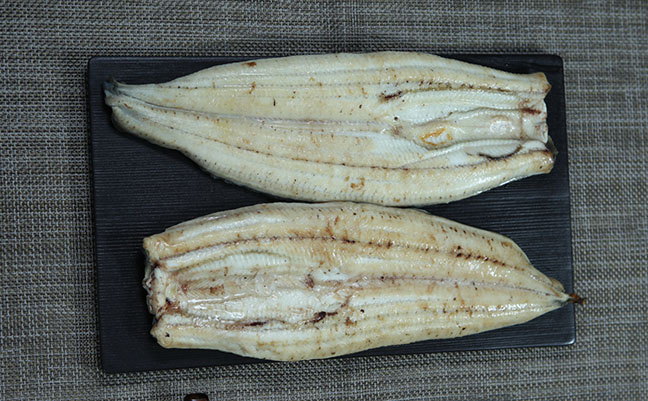
- Soy Sauce (Shoyu): This is the backbone, providing the essential salinity and umami flavor. The type of soy sauce used—such as koikuchi (dark) or tamari (thicker, less wheat)—dramatically affects the final color and taste. For our export-grade sauce, we use a specifically sourced soy sauce that meets low-residue standards for markets like Japan and the EU.
- Mirin: A sweet rice wine that adds a subtle, complex sweetness and a glossy sheen. Unlike simple sugar, mirin provides a depth that balances the saltiness of the soy sauce. The quality of mirin is crucial; lower-quality versions often contain corn syrup and lack the authentic flavor profile.
- Sake: This Japanese rice wine contributes to the umami and helps to tenderize the eel during the grilling process. It also helps to mellow any strong fish flavors. The alcohol is cooked off during the simmering process, leaving behind its rich, savory notes.
- Sugar: Typically a coarse white or brown sugar, it provides the primary sweetness and helps the sauce caramelize into a thick glaze when heated. The ratio of sugar to soy sauce is a carefully guarded secret for many manufacturers, as it defines the sauce's signature taste.
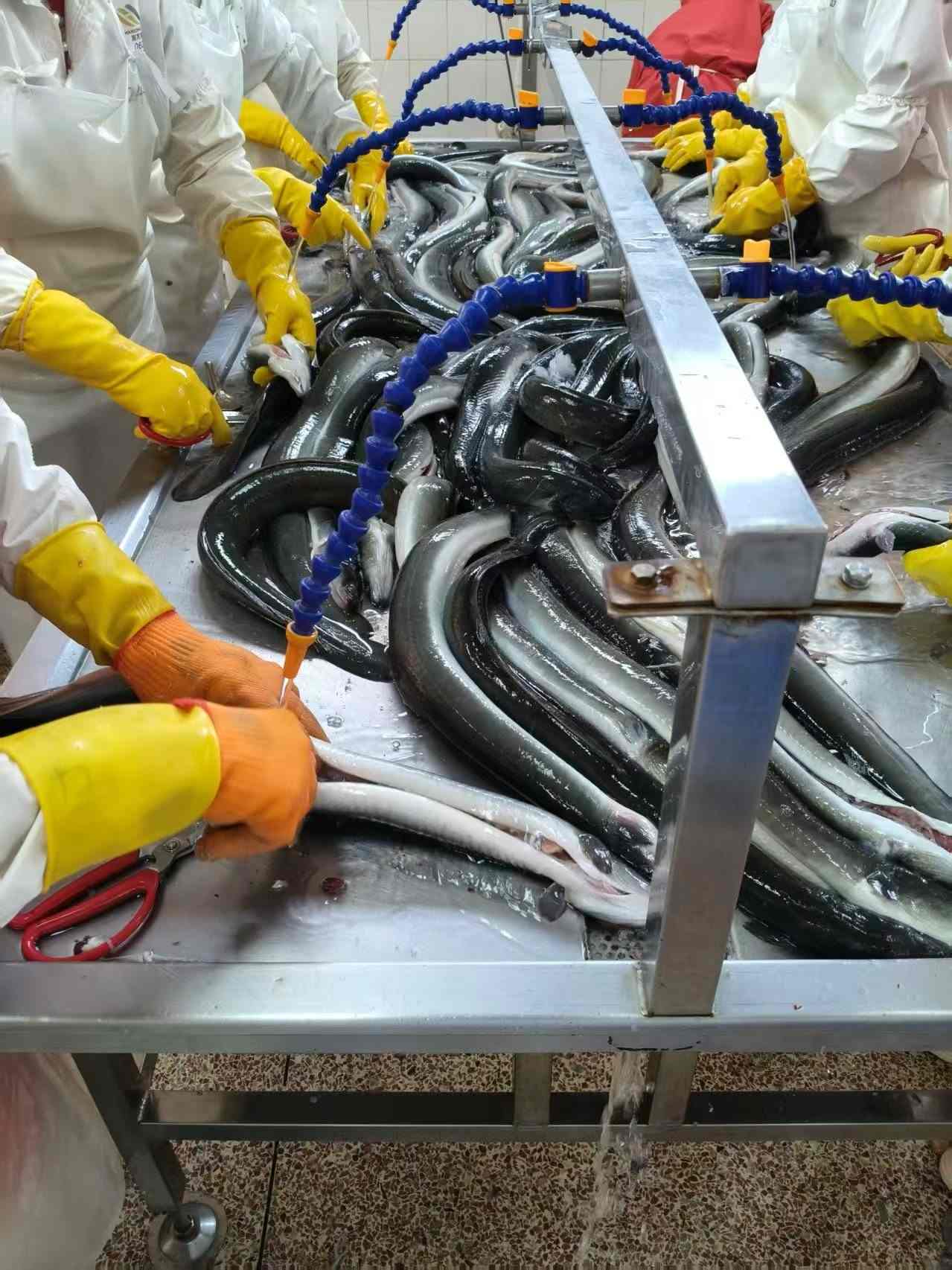
At Eelpro, our sauce is part of an integrated system. During the production of our unagi kabayaki, the eel is grilled, steamed, and then passed through four curtains of sauce, each precisely temperature-controlled. This layered application ensures the flavor penetrates the fish without becoming overpowering, a technique we've standardized across our 4,000-ton annual production capacity.
Sourcing Commercial Eel Sauce: A Buyer's Checklist
When you're importing eel sauce or products that use it, flavor is only part of the equation. Supply chain stability, food safety compliance, and production capability are just as important. An inconsistent or non-compliant sauce can lead to rejected shipments, failed inspections, and damage to your brand's reputation.
Before placing an order with any supplier, use this checklist to verify their capabilities:
- Verify Food Safety Certifications: Does the facility hold current, internationally recognized certifications? At a minimum, look for ISO 22000:2018 and HACCP. For specific markets, certifications like HALAL may be required. Our SC Food Production License (No. SC11135062401122) and Export Food Producer Registration are available for client verification.
- Inquire About Raw Material Sourcing: Where do the soy sauce, mirin, and other ingredients come from? Are they traceable? A transparent supplier should be able to provide information on their raw material control processes. Our supply chain is built on raw materials from over 19 certified farming bases.
- Request Technical Specifications: Ask for a product specification sheet that details key metrics like Brix (sugar content), viscosity, pH, and microbiological limits. This data allows you to confirm that the sauce will perform consistently in your cooking or manufacturing process.
- Confirm Production Capacity and Lead Times: Can the supplier handle your volume? What is their standard lead time from order to shipment? We operate two modern production lines with an annual capacity of 4,000 tons and can generally ship orders within 30 days, supported by our 1,000-ton cold storage facility.
- Discuss Traceability Systems: In the event of a quality issue, can the supplier trace a specific batch back to its raw ingredients and production date? Full-chain traceability, from farm to shipment, is a non-negotiable standard for export to the US, EU, and Japan. Our quality control system includes an in-house eel lab and metal detectors at critical points.
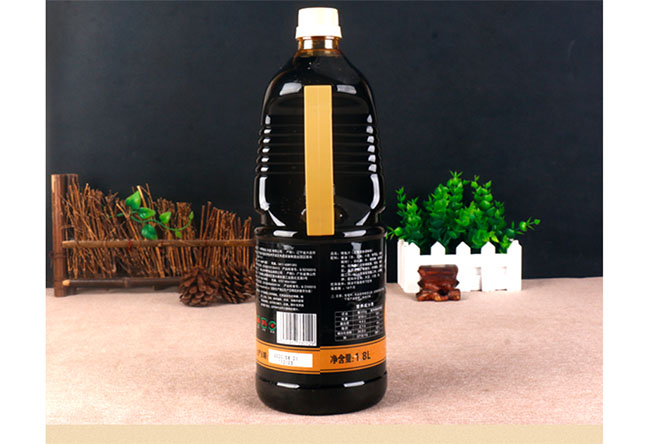
Our long-term supply relationships with Japanese restaurant chains and food importers in Germany, Poland, and the United States were built on this foundation of trust and transparency. They don't just buy a product; they buy the assurance of a safe, compliant, and reliable supply chain managed by our team of 25 quality-control specialists.
Ultimately, the answer to "what is unagi sauce made of?" is more than a list of ingredients. It’s a combination of quality raw materials, a refined process, and a deep commitment to food safety standards. This is what transforms a simple condiment into a key component of the global seafood supply chain.
If you require a consistent, high-quality unagi sauce or finished kabayaki products for your market, our team can provide detailed specifications and discuss how our process can meet your import requirements.
Contact us to request a product specification sheet or to discuss your sourcing needs.