

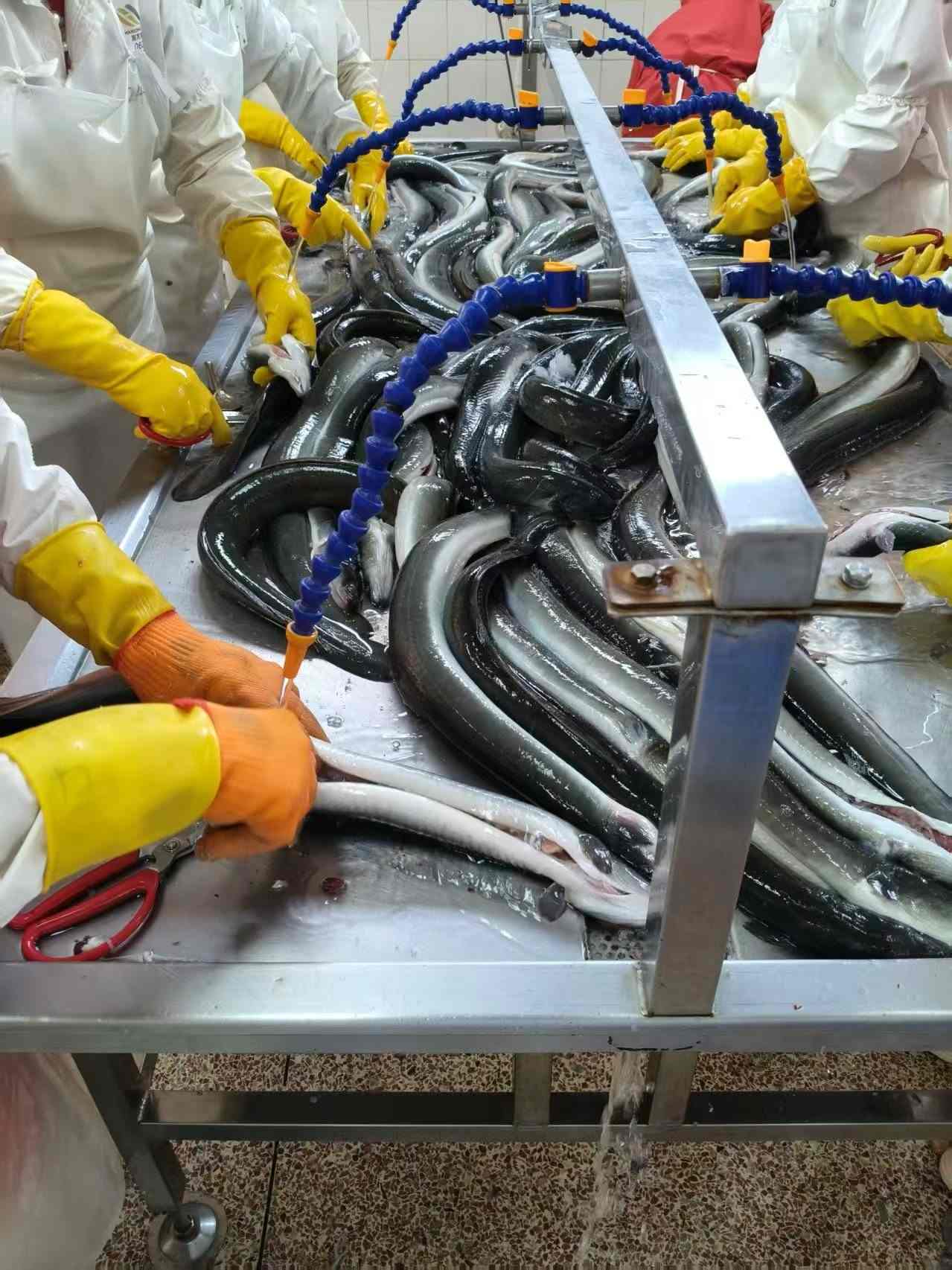
Understanding Anago and Unagi for Saltwater Eel Sushi Menus
For importers and foodservice buyers, the distinction between different types of eel is more than a culinary detail—it's a critical factor in menu development, sourcing strategy, and customer satisfaction. While both are staples in Japanese cuisine, the delicate, tender profile of anago (saltwater eel) differs significantly from the rich, bold flavor of unagi (freshwater eel). This difference is especially important when planning a saltwater eel sushi offering. Understanding the textural nuances ensures you source the right product for the right application, matching diner expectations and optimizing your supply chain.
At Eelpro, we specialize in premium freshwater unagi, but our work with restaurant chains in Japan and importers across the US and Europe has given us deep insight into how both types of eel perform. The choice between them directly impacts cooking methods, sauce pairings, and ultimately, the final dish's profitability and appeal.
Texture Showdown: Anago (Saltwater Eel) vs. Unagi (Freshwater Eel)
The primary distinction between anago and unagi lies in their fat content, which dictates their texture, flavor, and ideal preparation method. Anago, or the conger eel (Conger myriaster), is a saltwater fish with a much leaner profile. Unagi, the freshwater eel, has a higher fat content that gives it a richer taste and firmer texture. This fundamental difference is why one is typically simmered and the other is grilled.
For chefs and menu planners, choosing the wrong eel can lead to a disappointing result. Grilling a lean anago can make it dry, while simmering a fatty unagi can result in a greasy texture. The following table breaks down the key textural differences for foodservice applications.
| Attribute | Anago (Saltwater Eel) | Unagi (Freshwater Eel) |
|---|---|---|
| Mouthfeel & Texture | Extremely soft, light, and fluffy. It has a delicate, almost flaky texture that can melt in the mouth. Low fat content contributes to its subtlety. | Rich, firm, and slightly fatty. The texture is more substantial and holds together well during cooking. Has a satisfying, meaty bite. |
| Best Cooking Method | Simmering (nimono style) in a light, sweet broth. This method enhances its natural sweetness and preserves its delicate structure. It is not well-suited for high-heat grilling. | Grilling (kabayaki style) over charcoal. The high fat content crisps up beautifully and bastes the flesh, keeping it moist while absorbing the rich, savory eel sauce (tare). |
| Flavor Profile | Subtle, naturally sweet, and mild. It carries the flavor of its cooking liquid well without being overpowering. | Bold, rich, and savory, with a distinct umami flavor. The taste is more pronounced and stands up to strong sauces. |
| Ideal Sushi Application | As nigiri, where its soft texture provides a gentle contrast to the sushi rice. Often served with just a touch of sweet sauce (nitsume) or a sprinkle of salt. | In sushi rolls (e.g., dragon roll, unakyu maki) or as nigiri. Its firm texture prevents it from falling apart, and its rich flavor is a popular, classic choice. Perfect for eel sushi roll recipes. |
| Back-of-House Consideration | Requires gentle handling to prevent the flesh from breaking. Simmering process can be less standardized than grilling. | Robust and easy to handle. Well-suited for high-volume foodservice as it can be pre-cooked, frozen, and quickly reheated without losing quality. |
Why Unagi Kabayaki is the Global Standard for Grilled Eel
While anago holds a special place in traditional Edomae-style sushi, unagi has become the dominant eel product in global foodservice, especially for grilled applications. The reason is simple: its fat content is perfectly suited for the kabayaki process. When unagi is grilled, the fat renders, crisping the skin and keeping the meat succulent. This process is impossible to replicate with the leaner anago.
At Eelpro, our entire production line is optimized for creating premium unagi kabayaki. Our patented low-fat roasting technology and deodorizing equipment refine this natural advantage. The process involves:
- Steaming: To soften the flesh and begin rendering fat.
- Roasting (Shirayaki): Grilling the eel without sauce to remove excess moisture and fat, creating a clean base color we standardize as 'white-roasted color'.
- Sauce & Grill Cycles: We apply four precise layers of our signature soy sauce blend. Each layer is applied at a specific, temperature-controlled step to build a deep, caramelized glaze without burning the sugars. This creates our '1st-through-4th soy-sauce coating color' standards.
This meticulous method ensures a consistent, high-quality product with a perfect balance of smoky flavor, savory sauce, and rich, tender eel. This consistency is why we are a long-term supplier to Japanese restaurant chains and US food importers who demand reliability in every shipment.
Sourcing and Quality Control for Export-Grade Eel
For B2B buyers in markets like the EU, Australia, and the United States, product quality goes beyond taste and texture. It encompasses food safety, traceability, and compliance with strict import regulations. As a food safety specialist, I oversee a system designed to mitigate risks at every stage, from the farm to the final container.
Our supply chain is built on a foundation of control and transparency. We operate with approximately 20 customs-registered eel farming bases covering over 2,150 mu. This gives us full-chain traceability, allowing us to track each batch from its farming origin through processing and shipment. This is not just a selling point; it's a requirement for our export partners in Germany and Poland who face stringent EU regulations.
Here is a checklist for importers evaluating a potential eel supplier:
- Verify Certifications: Does the supplier hold internationally recognized certifications? We are certified under ISO 22000:2018 for Food Safety Management and have a fully implemented HACCP system. We also hold HALAL certification, an Export Food Producer Registration Certificate, and SC Food Production License No. SC11135062401122.
- Confirm Traceability: Can the supplier provide documentation linking the finished product back to a specific farming base? Our system includes process verification, targeted sampling, and comprehensive tracking.
- Inquire About In-House Testing: Does the facility have its own laboratory? Our professional in-house laboratory and metal detectors at critical control points allow us to continuously monitor for contaminants and ensure product safety.
- Check for Export Compliance: Has the supplier's product been successfully imported into your target market? Our products consistently meet the demanding food inspection standards of Japan, the US, and the EU for veterinary drug residues and microbiological indicators.
- Assess Production Capacity: Can the supplier handle your volume? With two modern production lines, we have an annual capacity of 4,000 tons and a 1,000-ton cold storage facility to ensure stable supply and logistics.

Streamlining Operations with Ready-to-Heat Unagi
For large-scale catering chains and foodservice distributors in markets like Indonesia and Southeast Asia, operational efficiency is paramount. The back-of-house preparation for eel can be labor-intensive. Sourcing a ready-to-heat, fully prepared product significantly reduces labor costs and ensures consistency across multiple locations.
Our frozen unagi kabayaki manufacturer products are designed for the foodservice supply chain. They are boneless, deboned, and pre-glazed. We also offer custom cutting specifications to meet diverse menu needs, including:
- Shredding
- Dicing
- Strip-cutting
- Chunk-cutting
- 3-section cuts
- Standard sushi slices
This level of customization, combined with our flexible MOQ policies for different client types, allows buyers to source a product that is perfectly tailored to their operational needs. The eel arrives ready to be heated and served, minimizing prep time and guaranteeing a uniform taste experience for the end consumer.
While anago offers a unique, delicate texture for specialized saltwater eel sushi, unagi's rich flavor, firm texture, and suitability for high-volume production make it the more versatile and commercially viable option for most global foodservice businesses. By partnering with a certified and vertically integrated supplier, you can ensure a safe, reliable, and high-quality product that meets both your culinary and operational standards.
For detailed specifications on our frozen unagi kabayaki and custom cutting options, contact our export team to request a full product catalog.