

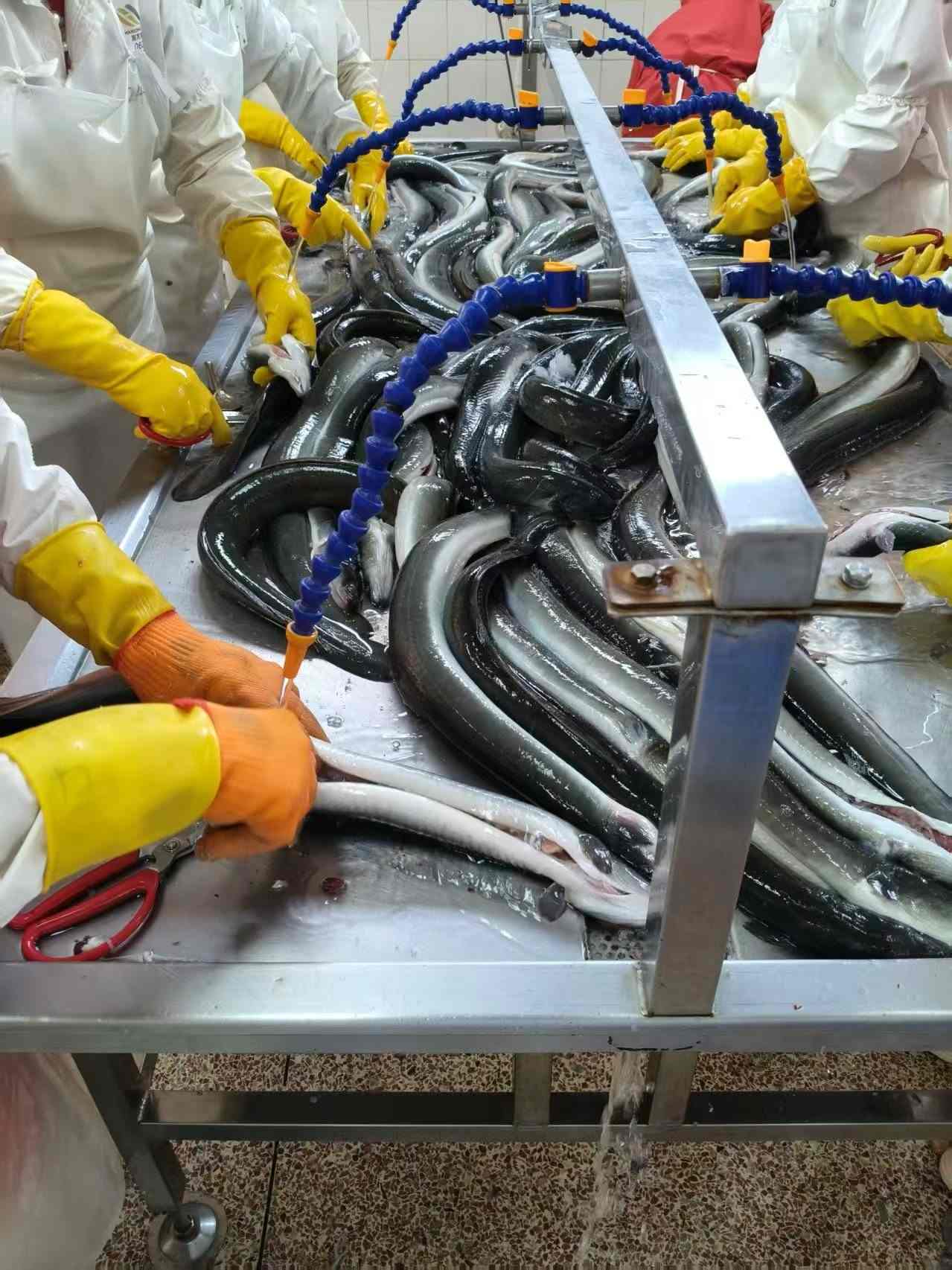
What Makes Unagi Don a Unique Donburi Experience?
On a Japanese menu, you might see a whole section for donburi, or rice bowls, featuring options like katsudon (pork cutlet) and oyakodon (chicken and egg). Alongside them, often at a premium, is unagi don. While it falls under the donburi umbrella, it isn't just another topping on rice. The preparation, flavor profile, and cultural significance of the grilled freshwater eel make it a distinct and highly-prized dish.
Understanding these differences is essential for food importers, distributors, and restaurant chains aiming to source authentic ingredients and craft compelling menus. The quality of the eel, the specifics of the grilling process, and the balance of the sauce are what define a truly exceptional unagi don. It's a dish built on specialized craftsmanship, not just simple assembly. At Eelpro, as a specialized frozen eel supplier, we focus entirely on mastering this single, iconic ingredient.
The Anatomy of a Classic Unagi Don
Unlike many one-pot donburi dishes, a perfect unagi don is an assembly of three masterfully prepared components. Each element requires precision, and the final harmony is what makes the dish so memorable for diners. For foodservice businesses, sourcing components that meet these standards ensures a consistent, high-quality final product.
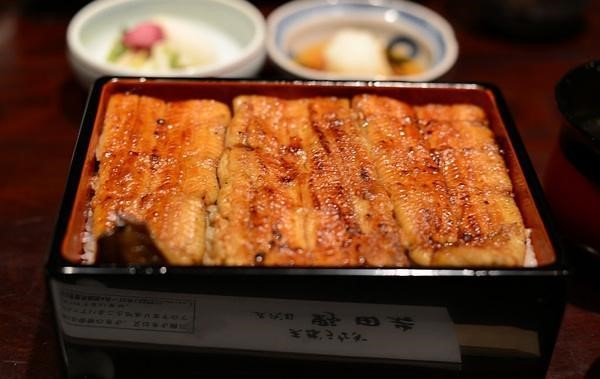
- The Eel (Unagi): The star of the dish is always freshwater eel prepared in the kabayaki style. This involves butterflying, deboning, and skewering the eel before grilling it over charcoal. During grilling, it is basted repeatedly with a sweet soy-based glaze. Our patented low-fat roasting process and a precise 4-layer soy-sauce coating technique create a finished product that is rich and savory without being heavy, featuring a perfect char and tender texture.
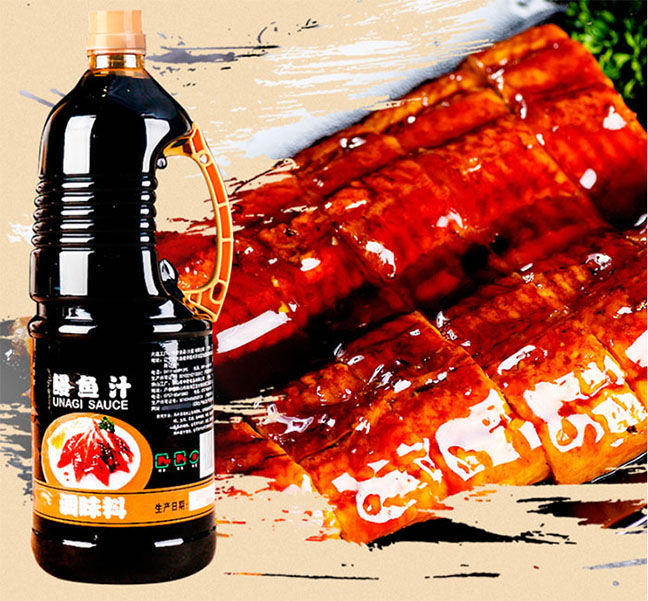
- The Sauce (Tare): This is far more than just soy sauce. A quality eel sauce, or unagi tare, is a thick, lustrous glaze made from a base of soy sauce, mirin, sake, and sugar. It is simmered down to concentrate its flavors. The sauce is brushed onto the eel during grilling and then often drizzled over the entire bowl before serving, seeping into the rice below.
- The Rice (Gohan): The foundation is premium short-grain Japanese rice, steamed to a fluffy, slightly sticky consistency. It’s designed to be the perfect neutral canvas, absorbing the rich flavors of the eel and the tare without becoming mushy. The quality of the rice is just as important as the topping.
- The Garnish: A traditional unagi don is often served with a small packet of sansho pepper. This aromatic Japanese pepper has a slight numbing quality and citrusy notes that cut through the richness of the eel, cleansing the palate with each bite.
Unagi Don vs. Other Donburi: A Clear Comparison
For buyers and menu developers, clarifying the distinction between unagi don and other donburi is key to positioning and pricing. While all are "rice bowls," their preparation, cost structure, and customer perception are vastly different. An unagi don is a specialty item, whereas bowls like gyudon (beef) or katsudon are often seen as hearty, everyday meals.
Here is a direct comparison to highlight the key operational and culinary differences:
| Feature | Unagi Don | Other Common Donburi (e.g., Katsudon, Oyakodon, Gyudon) |
|---|---|---|
| Main Topping | Grilled freshwater eel (unagi) prepared in the kabayaki style. | Varies widely: breaded deep-fried pork cutlet (katsu), simmered chicken and egg (oyako), or thinly sliced beef (gyu). |
| Core Cooking Method | A multi-step process of grilling, steaming, and basting the eel. Requires specialized equipment and technique. | Typically a one-pot simmering process where the topping is cooked in a dashi-based broth directly before serving over rice. |
| Flavor Profile | Rich, smoky, and deeply savory with a distinct sweetness from the caramelized tare. | Primarily savory and umami from the dashi, soy, and mirin broth. The topping's flavor (e.g., crispy pork, tender chicken) is central. |
| Sauce Application | A thick, concentrated glaze (tare) is brushed on during grilling and drizzled over the finished bowl. | The topping is simmered in a thinner sauce/broth (warishita), which is served together in the bowl. |
| Kitchen Skill & Prep | Preparing unagi from scratch is a highly specialized skill. Using pre-prepared frozen unagi kabayaki drastically reduces labor and ensures consistency. | Relatively straightforward preparation that can be executed quickly in a high-volume kitchen. |
| Supply Chain & Cost | Eel is a premium, high-cost raw material with a more complex supply chain requiring certified aquaculture. | Based on more common proteins like chicken, pork, and beef, resulting in a lower and more stable food cost. |
Sourcing Checklist for High-Quality Unagi Kabayaki
For businesses in the United States, Germany, Poland, and across the EU, sourcing unagi kabayaki involves strict food safety and import requirements. Using a supplier with a transparent and certified supply chain is not just a mark of quality—it's a critical step in avoiding trade risks. As a Senior Food Safety Specialist, I've guided dozens of clients through this process.
Here is a checklist for vetting a potential unagi kabayaki eel supplier:
- Full-Chain Traceability: Does the supplier control the process from farm to export? We operate ~20 customs-registered eel farming bases, ensuring full traceability from the source. This is essential for meeting import regulations.
- International Certifications: Look for globally recognized standards. Our facility is ISO 22000:2018, HACCP, and HALAL certified, demonstrating a commitment to food safety management.
- Export Compliance Record: Can the supplier provide documentation showing their products meet the standards of your target market (e.g., Japan, US, EU)? Our products are regularly tested to meet strict limits for veterinary drug residues and microbiological indicators.
- Processing Technology: What makes their product superior? Ask about their roasting methods. Our facility uses patented deodorizing equipment and a precise 4-layer sauce coating process that establishes clear color and flavor standards.
- In-House Quality Control: Does the supplier have internal checks and balances? With 25 dedicated quality-control specialists, an in-house professional eel lab, and metal detectors at critical control points, we maintain export-grade quality.
- Production Capacity and Logistics: Can they handle your volume and ensure product integrity during shipping? Our 4,000-ton annual capacity and 1,000-ton cold storage facility provide a stable supply chain for our partners, from Japanese restaurant chains to US food importers.
Operational Benefits of Sourcing Frozen Unagi Kabayaki
For many foodservice operations, the idea of preparing unagi from scratch is impractical due to the high cost of skilled labor, food waste, and inconsistency. High-quality frozen unagi kabayaki solves these challenges directly, making it possible to offer a premium dish like unagi don with efficiency and predictability.
The primary advantages include:
- Reduced Labor Costs: Our products are fully cooked, deboned, and ready to heat. This eliminates the most time-consuming and skill-intensive parts of preparation, allowing any kitchen staff to prepare a perfect unagi don in minutes.
- Perfect Portion and Cost Control: We offer custom cutting specifications, including shredding, dicing, and standard sushi slices. This standardization means zero waste and precise control over your cost-per-serving, which is vital for profitability.
- Guaranteed Food Safety and Consistency: By sourcing from an ISO 22000 and HACCP certified producer, you transfer the burden of complex food safety management. Every fillet delivers the same flavor, texture, and quality, ensuring a reliable customer experience.
- Menu Expansion and Versatility: While an essential component for unagi don, high-quality kabayaki eel can be used across your menu. It's a fantastic ingredient for innovative eel recipes, from appetizer skewers and salads to signature sushi rolls.
Ultimately, unagi don stands apart from other donburi because of the singular focus on its main ingredient. It’s a dish that celebrates the unique flavor and texture of expertly prepared eel. For businesses looking to add this iconic dish to their offerings, success begins with sourcing a product that honors that tradition of quality.
If your business requires a consistent and certified supply of premium unagi kabayaki for foodservice or distribution, contact our export team to discuss product specifications and request a sample.