





A menu says “eel,” but which eel is it? That single word can change the texture, cooking method, sauce choice, price position, and customer expectation. Understanding what unagi means helps restaurant buyers and Japanese-food learners avoid ordering a saltwater eel dish when they expected sweet, grilled freshwater eel over rice.
In Japanese cuisine, unagi means Japanese freshwater eel, most commonly the Japanese eel species Anguilla japonica. It is often served grilled with a glossy soy-based tare sauce, sliced over rice, or used in sushi and bento. Yet menus may also use terms such as anago, hamo, kabayaki, and shirayaki. They are related to eel cookery, but they do not always describe the same animal or the same finished dish.
The first practical answer to what unagi means is simple: it identifies a freshwater eel category in Japanese dining, rather than a generic word for every eel on the menu. This matters because a buyer evaluating an eel rice bowl, sushi topping, or frozen roasted product should first confirm the species and habitat category, then review the recipe and processing format.
Japanese eel is often described as freshwater eel because it grows in freshwater and brackish-water environments. Biologically, it is also catadromous, meaning it migrates between freshwater habitats and the ocean during its life cycle. For menu selection, however, the useful distinction is not its migration pattern. It is whether the dish uses Japanese freshwater eel or a marine eel such as conger eel.
Recommendation: If a menu promises a classic sweet grilled eel rice bowl, choose unagi rather than assuming any listed eel will produce the same result. This fits donburi, kabayaki, sushi, bento, and Japanese restaurant menus where customers expect rich roasted flavor. It does not apply when the concept intentionally calls for lighter, steamed, simmered, or tempura-style marine eel.
| Menu question | What to look for | Why it affects the order | When the check matters most |
|---|---|---|---|
| Is it unagi or another eel? | Ask for the Japanese name and product specification. | Species affects flesh texture, fat perception, flavor, and suitable cooking style. | Frozen product purchasing and menu development. |
| Is kabayaki a species? | No. Kabayaki is a grilled preparation style. | A buyer may otherwise assume “kabayaki” confirms Japanese freshwater eel. | When comparing supplier quotations. |
| Is the dish sauce-forward? | Check whether tare is included, packed separately, or made in-house. | Sauce changes sweetness, color, reheating behavior, and rice pairing. | Rice bowls, bento, retail packs, and catering. |
| Is the eel boneless or deboned? | Request the cutting and bone-control specification. | Back-of-house labor and guest eating experience can differ significantly. | Restaurant chains and prepared-food operations. |
Here is the distinction many diners miss: what unagi means is not the same as what “eel” means in a broad English menu description. Japanese cuisine uses several eel-related terms, and each points toward a different menu expectation.
| Japanese term | What it usually refers to | Habitat classification | Typical menu result | Buyer risk if confused |
|---|---|---|---|---|
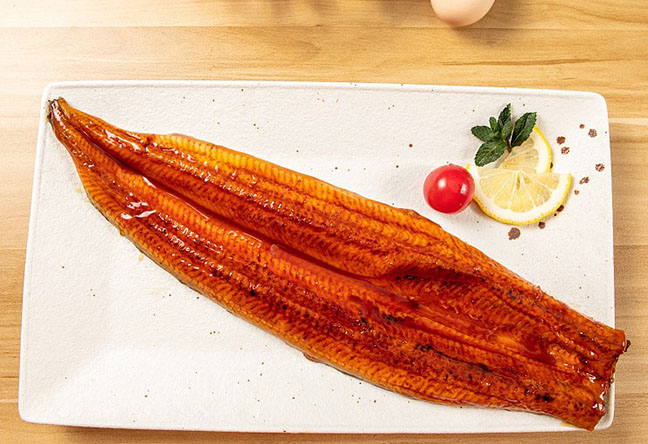
| Unagi | Japanese freshwater eel, commonly Anguilla japonica | Freshwater or brackish-water eel in culinary classification | Rich grilled fillet, often glazed and served over rice | Ordering a lighter marine eel product when a classic kabayaki profile is required |
| Anago | Conger eel | Marine eel | Often softer and lighter; may be simmered, steamed, grilled, or used in sushi | Expecting the same rich roasted texture and sauce absorption as unagi |
| Hamo | Pike conger eel | Marine eel | Often associated with fine knife work, simmering, grilling, or seasonal dishes | Using it as a direct substitute in an unagi rice bowl without testing |
| Kabayaki | A preparation method, not a species name | Depends on the eel used | Split, grilled, basted with soy-based sauce, and grilled again | Assuming the label guarantees Japanese freshwater eel |
| Shirayaki | White-grilled eel with little or no sweet tare glaze | Often unagi, but species should still be confirmed | Cleaner eel flavor and less sweetness | Buying it for a menu that needs a dark glazed finish |
Cold fact for menu readers: “Kabayaki” tells you more about how the eel is prepared than about which eel species was used. A product description that says kabayaki should still state the eel type, cut, sauce treatment, and packaging format.
For a traditional rice bowl, what unagi means in practical terms is a fuller-bodied eel experience: roasted aroma, tender flesh, visible glaze, and a savory-sweet finish that carries into the rice. Anago can be excellent, but it is not automatically a replacement. It suits menus seeking a more delicate marine profile, particularly sushi or lighter seasonal dishes.
Recommendation: Keep unagi and anago as separate menu items when your restaurant offers both. Name them clearly and describe the preparation. This works well for Japanese restaurants that want to educate guests while protecting customer expectations. It does not require separate items for a small menu with only one eel dish, provided the menu accurately identifies that dish.
Once you know what unagi means, the next decision is preparation. The same freshwater eel can feel completely different depending on whether it is kabayaki, shirayaki, steamed, sliced for sushi, diced for a topping, or cut into strips for a bowl.
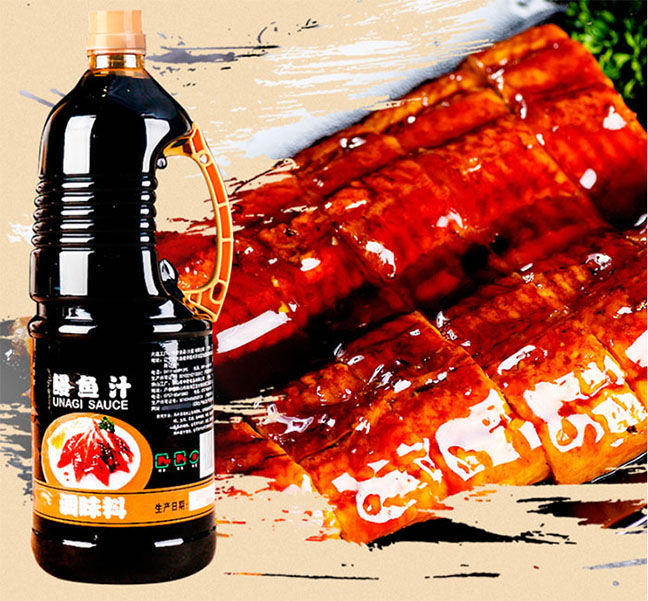
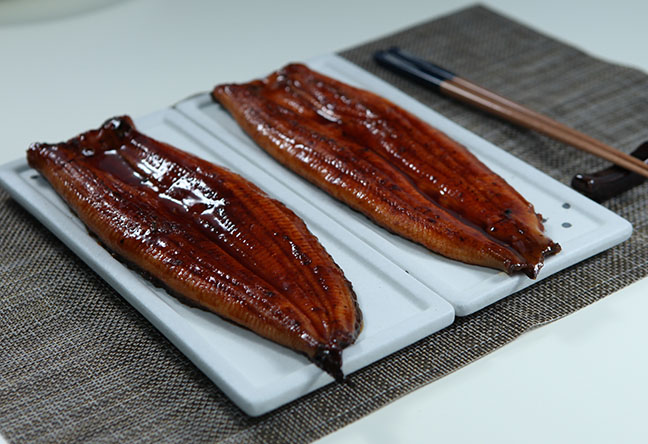
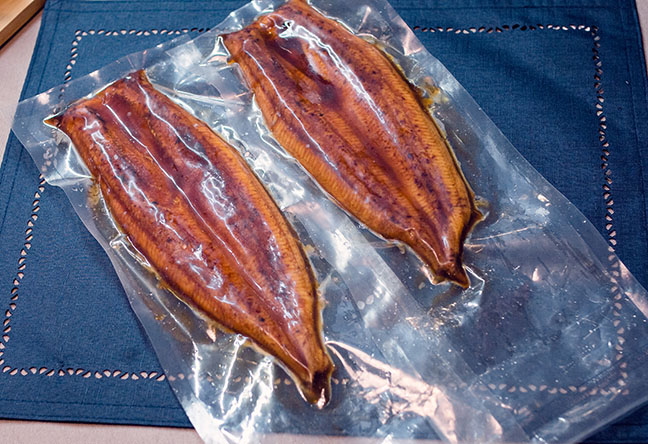
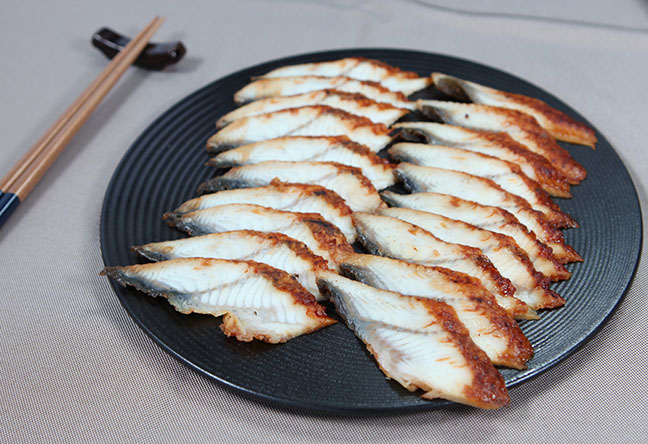
Unagi kabayaki is the familiar choice for a glossy rice bowl. The fillet is roasted and coated with soy-based tare. At Eelpro, frozen roasted eel is made with a 4-layer soy-sauce coating process using temperature-controlled roasting steps. The company has established color standards for white-roasted eel and for the first through fourth sauce coatings. This level of process control is relevant when a chain operator wants more consistent visual presentation across locations.
Shirayaki is a better fit when the menu wants the natural taste of eel to lead. It may be paired with salt, wasabi, citrus, or a light dipping sauce. It is not the right choice if customers expect the familiar dark lacquered appearance of kabayaki.
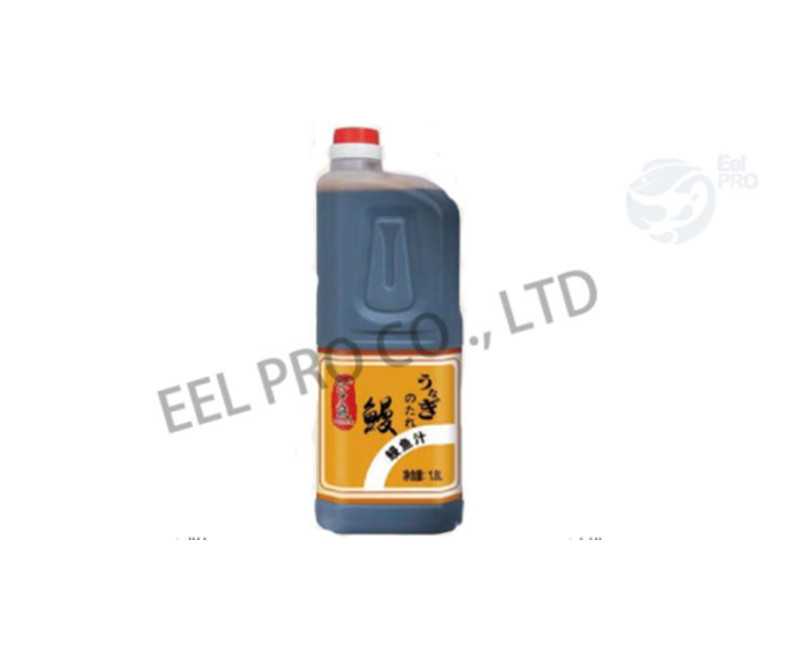
A sauce decision matters too. A ready-made eel sauce can support a consistent flavor target across branches, while an in-house sauce can give a restaurant its own profile. The first option fits multi-unit operations that need repeatable execution. The second fits chefs who can control batch preparation and training.
Misreading what unagi means often creates small but expensive problems: the wrong product reaches the kitchen, the menu description is inaccurate, or diners receive a dish unlike the one they expected. Use the checks below before approving a purchase or finalizing menu copy.
Recommendation: Build an internal product-approval sheet with four fields: species, preparation style, cut format, and sauce status. This is useful for restaurant buyers, importers, and central kitchens. It is less necessary for a home cook buying one fresh item, although the same four questions still prevent menu confusion.
For restaurant procurement, understanding what unagi means should lead to a repeatable buying procedure, not just better vocabulary. The following process helps buyers match product format to the intended dish.
For example, a Japanese restaurant chain planning a grilled eel bowl should select frozen unagi kabayaki with a portion format suitable for its bowl size and plating standard. A sushi-focused concept may instead need slices that reduce back-of-house cutting. A menu built around a lighter steamed conger eel dish should not buy unagi merely because the word “eel” appears in the recipe.
Buyers evaluating unagi kabayaki should also ask whether the sauce profile fits their rice, garnish, and side dishes. A dark, sweet glaze may be the center of a donburi menu, while a chef-led tasting menu may prefer shirayaki and a separate finishing sauce.
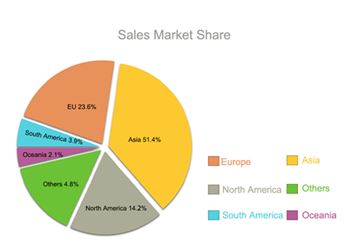
What unagi means is only one part of a sound import decision. For commercial purchasing, product identity should be supported by traceability and processing controls. This is especially relevant when importing into Japan, the United States, Germany, Poland, other European Union markets, Australia, Indonesia, or Southeast Asian foodservice channels.
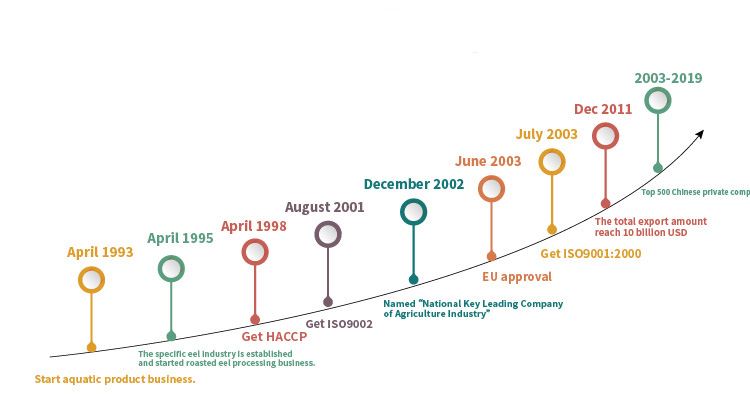
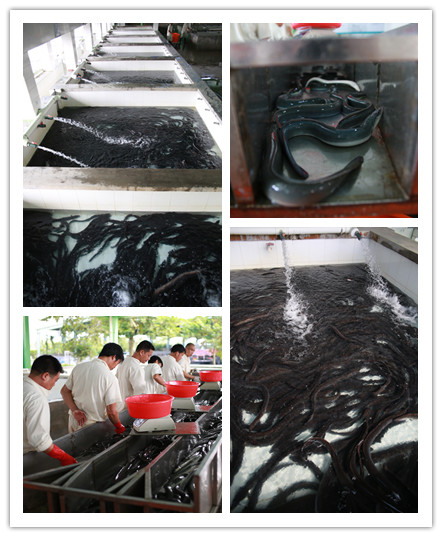
Eelpro Co., LTD operates two modern production lines for frozen roasted eel and deep-processed aquatic products, with an annual finished-goods capacity of 4,000 tons. The company maintains a 1,000-ton cold storage facility for storage and cold-chain logistics. Its supply chain includes approximately 20 customs-registered eel farming bases covering 2,150 mu, with traceability from farm registration through processing verification, targeted sampling, and shipment tracking.
For buyers, this matters when what unagi means on the menu must align with product documentation in the supply chain. Eelpro holds ISO 22000:2018, HACCP, HALAL certification, export food producer registration, and an SC Food Production License. Its in-house laboratory and metal detectors support critical control points. Products are made to meet Japan, United States, and European Union food inspection standards for veterinary drug residues and microbiological indicators.
The company has supplied kabayaki eel to Japanese restaurant chains, exported unagi kabayaki and eel sauce to United States importers, and supplied eel products to importers and foodservice channels in Germany, Poland, Australia, Indonesia, and Southeast Asia. These examples show established market activity, not a promise that every specification or order condition will be identical. Regular delivery is approximately 30 days from order confirmation to shipment, subject to specification and quantity negotiation.
For a deeper look at product sourcing, review our unagi kabayaki manufacturer information and request the relevant specification for your menu format.

 WhatsApp
 sales@chinaeels.com
 +8619937922411