





You're standing in the sushi aisle, bottle in hand, squinting at an ingredient list that reads like a chemistry exam. The question is simple: is eel sauce vegetarian? The honest answer is — it depends on which bottle you're holding, and the label rarely makes it obvious. Let's clear that up with actual ingredients, not guesswork.
Traditional Japanese unagi tare (eel sauce) was invented as a way to use eel roasting drippings — the fat and juices that dripped off grilling eel skewers, mixed with soy sauce, sugar, and mirin. That origin story is exactly why so many people assume every bottle contains fish.
Here's what you'll typically find on a commercial, shelf-stable bottle sold in supermarkets:
| Ingredient | Typical Source | Vegetarian-Friendly? |
|---|---|---|
| Soy sauce | Fermented soybeans, wheat, salt | Yes |
| Sugar / mirin | Rice, sugarcane | Yes |
| Water, starch thickener | Plant-based | Yes |
| Bonito or fish extract | Dried fish (katsuobushi) or fish stock | No |
| Eel extract / eel drippings | Actual eel fat or broth | No |
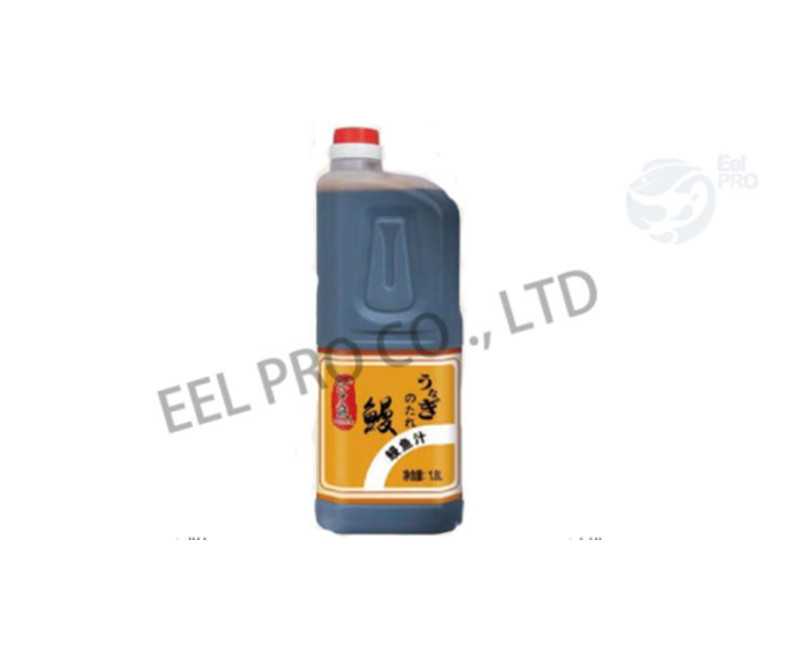
Most mass-market bottled eel sauces skip real eel entirely — they're built from soy sauce, sugar, and mirin, sometimes with fish-derived flavor boosters like bonito extract added for depth. That means a lot of bottled versions are technically fish-free, but not always. The only way to know for sure is reading the ingredient panel line by line.
This is the part most articles skip, and it's the reason the same question gets two different correct answers depending on where you eat.
Bottom line: bottled and restaurant-made eel sauce are not the same product, even when the label says "unagi sauce" on both. If you need certainty, bottled retail sauce with a printed ingredient list is your safer bet — restaurant tare is the riskiest category to assume anything about.
Say you're comparing two bottles side by side. Bottle A lists: water, sugar, soy sauce (soybeans, wheat, salt), rice vinegar, starch. No fish anywhere — that's vegetarian by ingredient. Bottle B lists the same base plus "bonito extract" three lines down. Same front label, same brown color, completely different dietary category. This is exactly why label-reading beats label-trusting.
| If you need... | Do this |
|---|---|
| A guaranteed fish-free sauce | Read the full ingredient panel; avoid anything listing bonito, fish extract, or dashi without a plant-based qualifier |
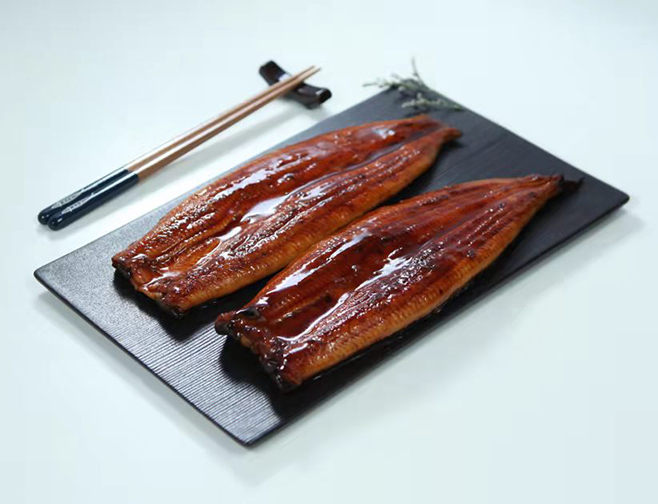
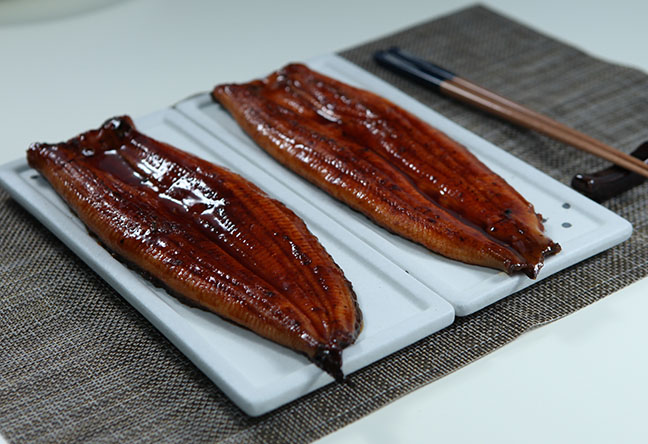
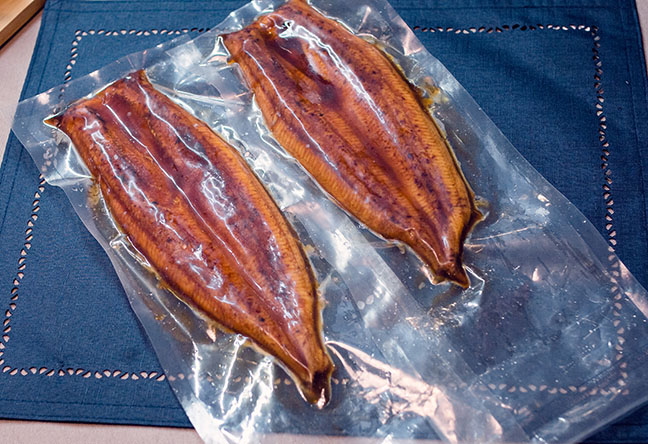
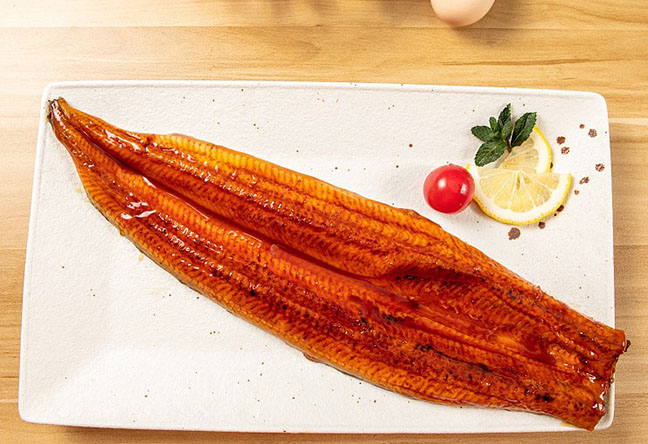
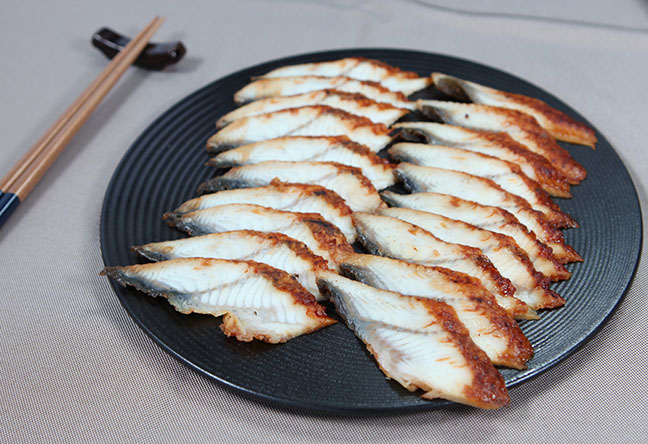
| A traditional unagi flavor with real eel | Buy a bottled sauce that specifically states eel extract or eel drippings, or pair it with genuine unagi kabayaki eel |
| Foodservice volume with consistent sourcing | Request a spec sheet and traceability documentation from the producer before ordering |
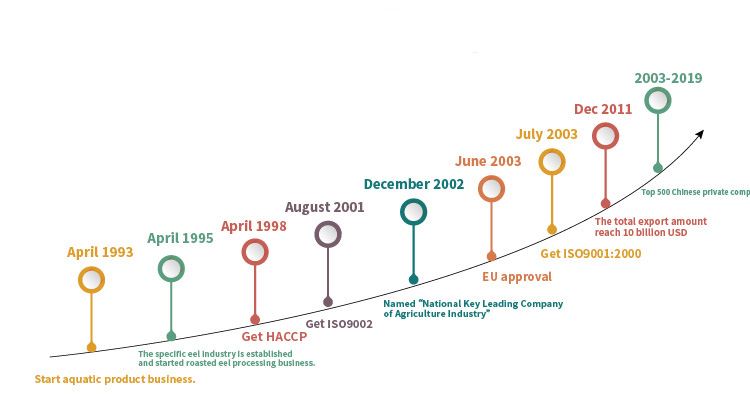
| A sauce compliant with import food safety rules | Look for ISO 22000, HACCP, or export food producer registration on the supplier's documentation |
Not universally. Many bottled retail versions are soy-mirin-sugar based and contain no fish, but plenty of commercial brands add bonito extract or fish stock for flavor depth. There's no single answer that covers every bottle — you have to check each one.
Even fish-free bottled sauce may not be vegan if it contains honey or is processed alongside animal products in a shared facility. Vegan buyers need to check for both fish-derived ingredients and cross-contact disclosures.
Rarely, in mass-market bottled versions. The name comes from its traditional use alongside grilled eel dishes, not necessarily from eel being an ingredient. Some brands do add real eel extract for authenticity — those will say so in the ingredient list.
Restaurant tare is often built over time from actual grilling drippings, kept as a continuously topped-up "mother sauce." Bottled retail sauce is manufactured in a controlled batch process, which is why its ingredient list is fixed and disclosed — a real advantage if you're trying to avoid animal products.
For foodservice buyers and importers, this isn't just a curiosity question — it's a compliance issue. Sauces sold into Japan, US, and EU markets are expected to meet food inspection standards covering allergen labeling and ingredient disclosure. Producers operating under an in-house food safety laboratory with ISO 22000:2018 and HACCP certification are far more likely to give you an accurate, verifiable ingredient statement than an unregulated small-batch supplier. That matters whether you're stocking a grocery shelf or building a menu around bottled eel sauce for a restaurant chain.
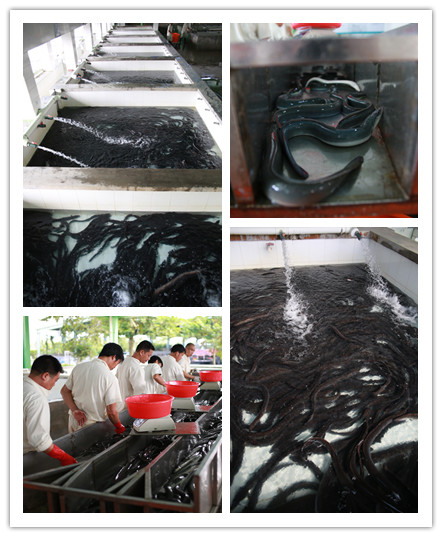
If your business handles actual roasted eel products rather than sauce alone, sourcing from a supplier with full-chain traceability — from certified eel farming bases through processing and shipment — gives you documentation to answer exactly these kinds of dietary and compliance questions when customers or auditors ask.
For readers wanting to understand what genuine kabayaki sauce actually tastes like once you strip out shortcuts and additives, this deep dive on kabayaki sauce is worth a look. And if you're cooking at home and want to pair a fish-free glaze correctly, our guide on making and storing eel sauce walks through batch-safe options.

The short version: check the label, not the name on the front. A bottle called "eel sauce" can be entirely plant-and-soy based, or it can contain real fish extract — and only the ingredient panel tells you which one is in your cart.
Need documentation on ingredient sourcing or want to confirm whether a specific batch fits a vegetarian or HALAL requirement? Reach out for a spec sheet or sample request before placing a bulk order.
 WhatsApp
 sales@chinaeels.com
 +8619937922411