





Order "eel sushi" in three different cities and you might get three different animals. One could be a freshwater eel roasted in soy glaze. Another could be a saltwater conger eel, boiled and barely seasoned. So what type of eel is used in sushi, really? The short answer: it depends on the word on the menu, not just the picture of the roll.
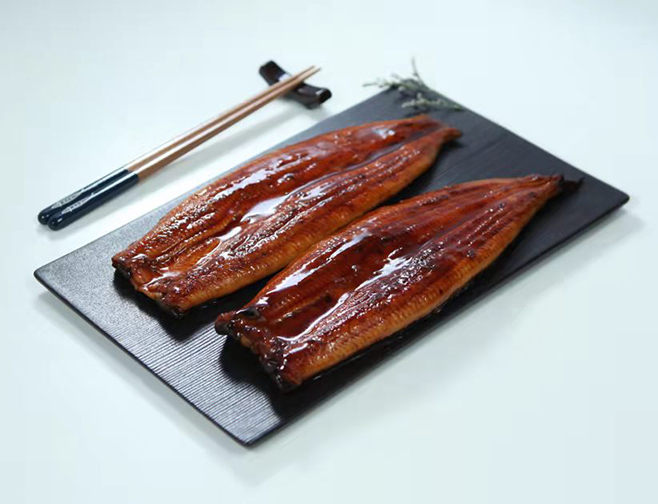
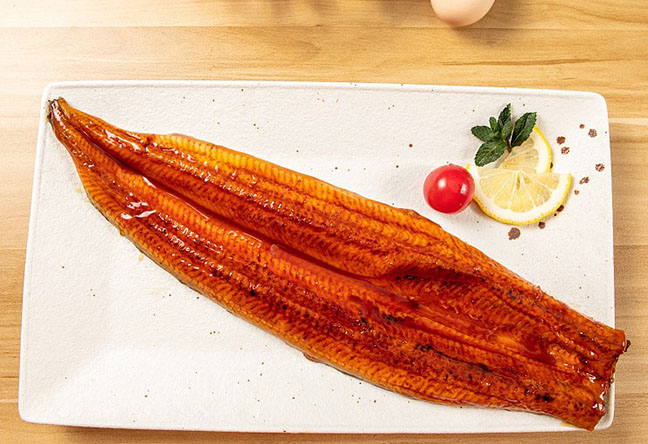
Most sushi restaurants serving "unagi" are using Anguilla japonica, commonly known as Japanese eel or Asian freshwater eel. This is the species behind traditional unagi kabayaki eel — the sweet, soy-glazed grilled eel served over rice as unadon or tucked into unagi rolls.
Here's where it gets confusing: Japanese eel stocks have been under pressure for years, so a large share of what's served worldwide today is farmed, or substituted with a related species from the same genus. That's not automatically a red flag — but it does mean the label matters more than the photo.
Three species dominate the global eel supply chain. Each behaves differently on the grill, and each carries a different label on the package or menu. Getting this wrong affects cost, texture, and — in some markets — legal compliance.
| Species | Common Name | Typical Fat Content | Texture When Roasted | Menu / Label Terms | Notes for Buyers |
|---|---|---|---|---|---|
| Anguilla japonica | Japanese eel | Higher, richer | Soft, melts under the glaze | Unagi, kabayaki, Japanese eel | The reference standard for kabayaki flavor and color |
| Anguilla rostrata | American eel | Moderate | Slightly firmer bite | American eel, sometimes labeled "unagi" in North America | Common substitute where Japanese eel supply is limited |
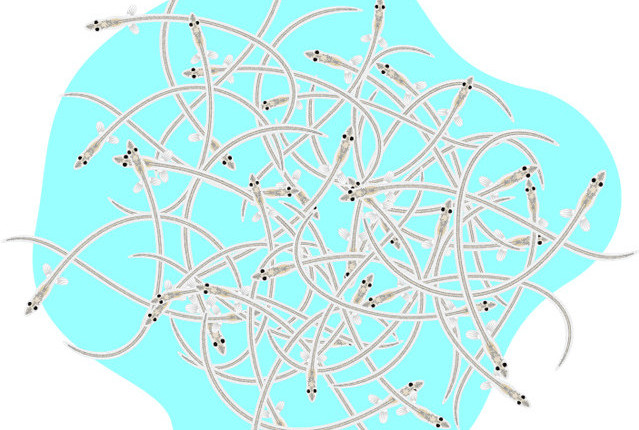
| Anguilla anguilla | European eel | Moderate to high | Firm, holds shape well | European eel, glass eel (juvenile stage) | Trade is restricted under international conservation rules; check import paperwork before sourcing |
A fourth term shows up on menus that has nothing to do with these three: anago, or conger eel, a saltwater species. Anago is lighter, less fatty, usually served with a simple broth-based sauce instead of thick soy glaze. If a dish tastes noticeably leaner and less sweet than what you expected from unagi, you're probably eating anago.
Menu language and retail labeling are not always precise, and that's where buyers get tripped up. Here's a quick reference:
Common mistakes we see from first-time importers and restaurant buyers:
For a home diner, the species mostly affects taste. For a restaurant buyer or importer, it affects compliance, cost, and consistency.
Scenario: A US foodservice distributor is sourcing frozen kabayaki eel for a restaurant chain. They need product that clears Japan, US, and EU inspection standards for veterinary drug residues and microbiological indicators — because the chain operates across multiple states with different audit requirements. A supplier without documented traceability from farm to shipment becomes a real risk here, not a theoretical one. That's the kind of gap that shows up during a customs hold, not before.
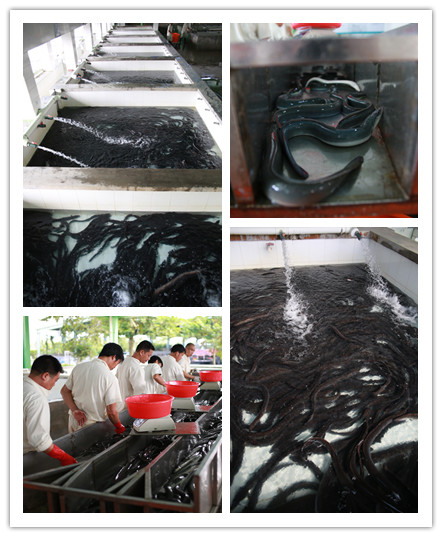
This is why full-chain traceability matters more than it sounds. A supply chain that tracks product from registered farming bases through processing, sampling, and shipment gives buyers a paper trail if a regulator ever asks. Roughly 20 customs-registered farming bases covering over 2,150 mu, feeding into a production system with an in-house laboratory and metal detectors at critical control points, is the kind of setup that supports that paper trail — not a guarantee that every supplier offers it.
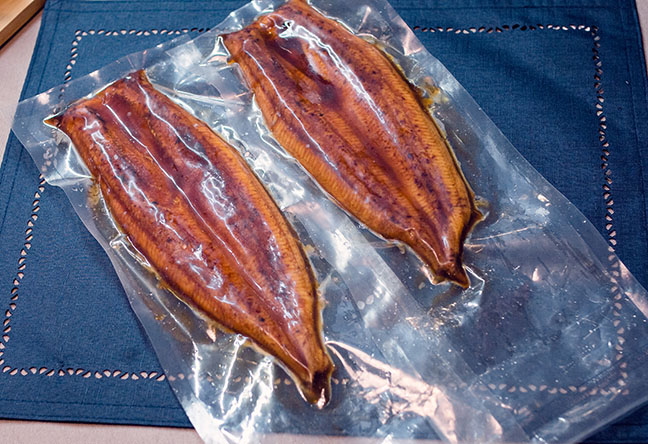
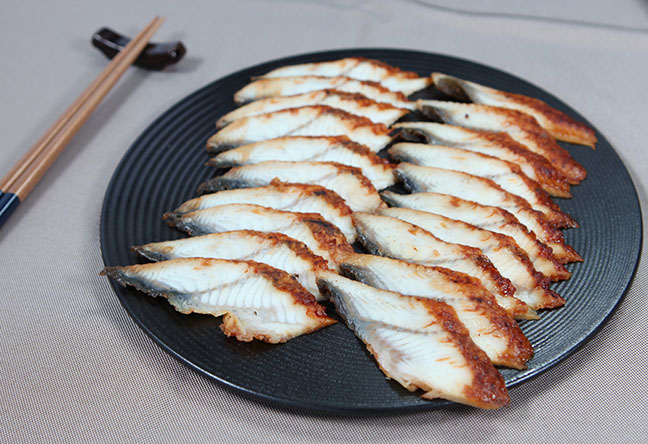
Cost breakdown context: cutting specification changes the price per kilo. Whole kabayaki skewers cost less to process than sushi slices, dicing, or 3-section cuts, because each additional cut step adds labor and yield loss. If your kitchen needs boneless, ready-to-heat portions, expect a higher per-kilo cost than whole roasted eel — but lower labor cost on your side of the kitchen.
None of this applies if you're a home cook picking up a single pack of frozen unagi kabayaki for dinner. The checklist matters most for restaurant buyers, importers, and distributors placing repeat or bulk orders where one mislabeled shipment can mean a compliance problem down the line.
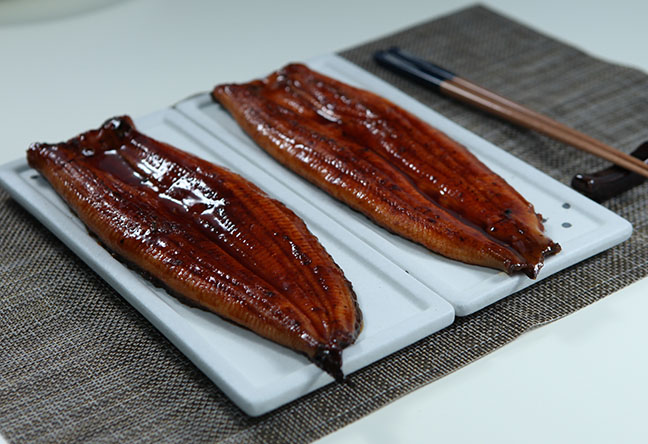
A properly roasted kabayaki eel goes through layered soy sauce coating, with temperature control at each pass. Buyers who've seen both ends of the quality spectrum know the difference: a flat, one-note glaze usually means a single dip and grill, while a deep amber color built through multiple soy-sauce layers points to a more deliberate process. This isn't just cosmetic — it affects how the glaze holds up during reheating, which matters for foodservice kitchens reheating frozen portions on a busy shift. If you're building a menu around this product, our kabayaki sauce breakdown covers what separates a thin glaze from a properly built one.
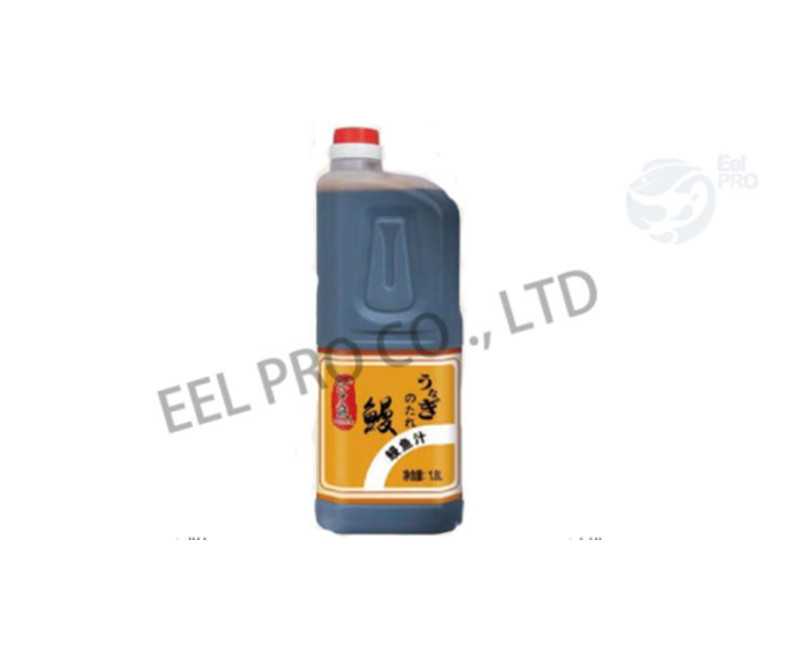
For buyers sourcing eel sauce separately from the eel itself — for glazing, dipping, or donburi bowls — the same logic applies. Check whether the eel sauce is built through a layered reduction process or a quick one-step blend. It changes both flavor depth and shelf behavior.
Nancy Chen, a food safety specialist who has spent over a decade auditing seafood export quality and guiding overseas clients through Japan, US, and EU import compliance, notes that species mislabeling is one of the most common documentation gaps she sees during audits — not because suppliers are being dishonest, but because "unagi" gets used as a blanket term across too many product lines.
If you're placing a first order, expect roughly 30 days from order confirmation to shipment for standard specs — longer if you need custom cutting like sushi slices, strip-cutting, or a 3-section cut, since these require extra processing steps. MOQ also shifts depending on whether you're a catering chain, wholesale buyer, or export trader; ask your supplier for the specific threshold tied to your packaging format, whether that's skin-packaging or gift boxes.
For cooks and menu planners wanting to see how the finished product performs in different dishes, our guide on making unagi rolls and our notes on cleaning, skinning, and deboning whole eel are useful references before you commit to a cutting spec.
If you're sourcing eel products for a restaurant menu or import program and want a spec sheet or sample before committing to volume, reach out with your target species, cut, and packaging preference — we're happy to walk through what fits your order.

 WhatsApp
 sales@chinaeels.com
 +8619937922411