





A sushi diner scans the menu, sees "eel sauce," and asks the server a simple question that's actually hard to answer: is eel sauce vegetarian? The server shrugs. The bottle label says soy, sugar, mirin. Nothing about fish. But the sauce came from a restaurant that grills eel all day — and that detail matters more than the label admits.
This article breaks down what's really in the bottle, why two products sharing the same name can have completely different ingredient realities, and how to verify before you place a purchase order or print a menu claim.
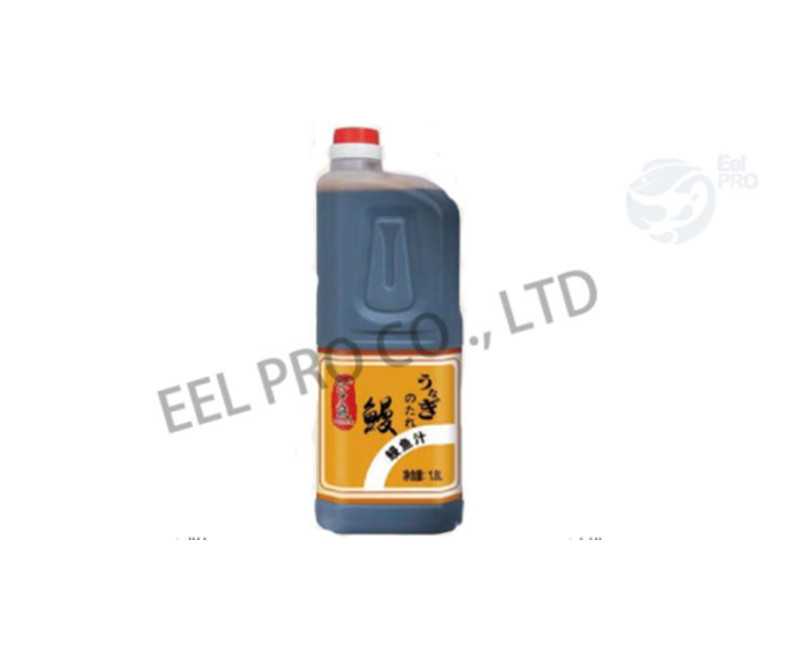
Commercially bottled eel sauce — the kind sold for retail or foodservice use — is almost always a cooked-down reduction of four ingredients: soy sauce, mirin, sugar, and sometimes sake. No eel goes into the pot. The name comes from tradition, not composition. This is the version most vegetarian and vegan diners can eat safely, assuming the soy sauce itself is brewed without animal-derived additives (some fermented soy products use fish-based koji starters in niche regional recipes, though this is uncommon in export-grade production).
Key point: a bottle labeled "unagi sauce" or "eel sauce" for retail sale is a flavor tribute, not a byproduct. If the ingredient list stops at soy, mirin, sugar, and water, that batch is plant-based.
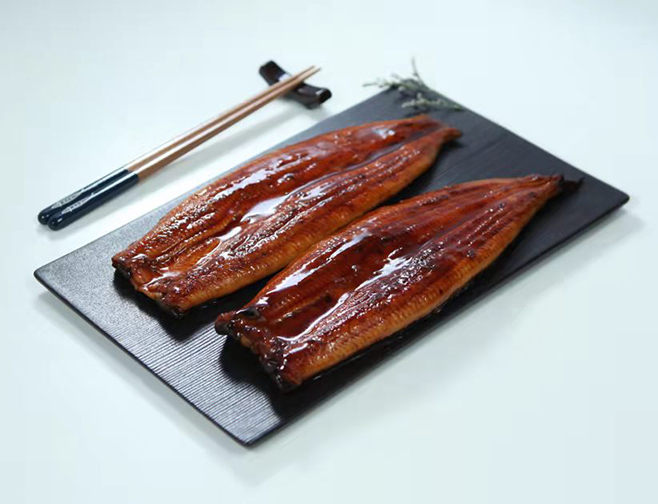
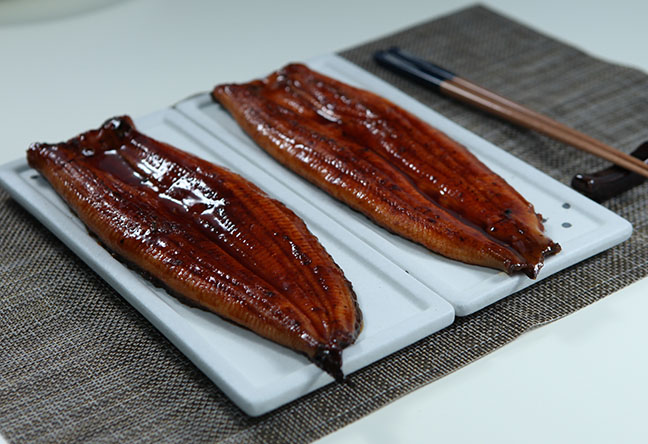
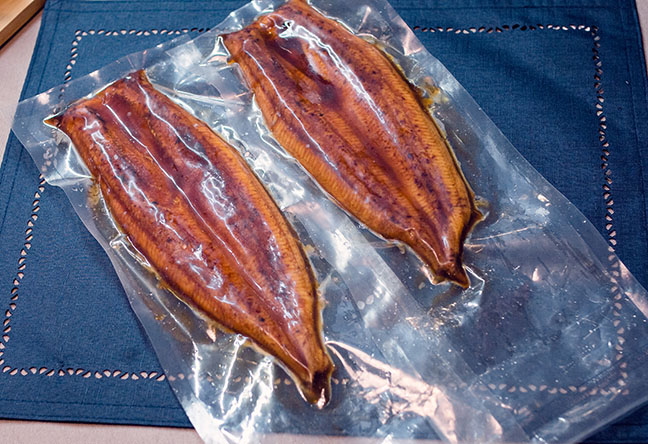
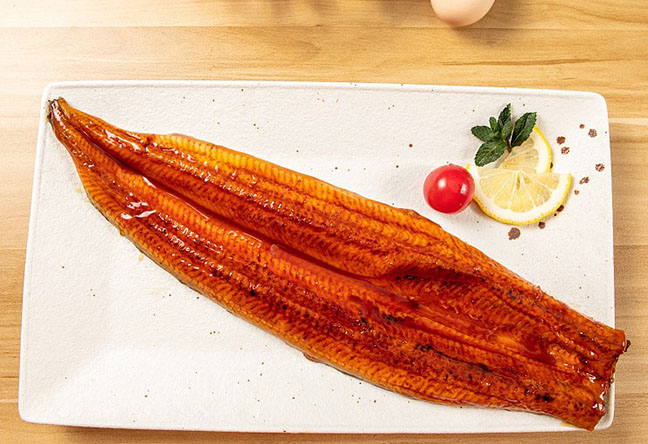
Kabayaki tare is the glaze used at the grill, not the bottle on a supermarket shelf. Traditional Japanese eel restaurants keep a tare pot going for years, sometimes decades, topping it up with fresh soy, mirin, and sugar as it reduces. Every skewer of grilled unagi kabayaki that gets dipped or basted in that pot leaves behind rendered fat, collagen, and protein residue. Over months of repeated use, the tare absorbs real eel-derived compounds — fat solids, gelatin, trace protein — that never appear on any label because the pot itself isn't a packaged product.
This is where the honest answer to "is eel sauce vegetarian" splits in two. A fresh soy-mirin-sugar reduction made in a clean pot, once, and bottled for sale? Vegetarian. The same sauce recipe simmered for months in a working kabayaki grill station, repeatedly basted onto roasting eel? Not vegetarian, even though nobody added eel to the ingredient list on purpose.
Buyers evaluating suppliers for retail packaging, foodservice distribution, or menu labeling need a clear side-by-side. Here's how the two actually differ in practice, and what happens if a buyer assumes they're the same:
| Attribute | Standard Bottled Eel Sauce (Soy-Mirin-Sugar) | Traditional Reused Kabayaki Tare |
|---|---|---|
| Base ingredients | Soy sauce, mirin, sugar, water; cooked once | Same base, but simmered repeatedly over an active eel grill |
| Animal-derived content | None, if soy source is standard fermented soy | Rendered eel fat, collagen, protein residue accumulate over time |
| Vegetarian suitability | Suitable, when produced in a dedicated, eel-free line | Not suitable — cross-contact is baked into the process |
| Where it's used | Retail bottles, packaged sauce for home cooking or QSR dipping | Restaurant-side grill glaze, not typically bottled for sale |
| Traceability | Batch-controlled, ingredient list matches production records | Impossible to fully document — pot composition drifts over years |
If a supplier can't tell you which category their sauce falls into, that's a sourcing risk, not a technicality. Ask directly, every time.
Buyers often treat ingredient lists as a formality. In practice, each parameter below controls a real outcome on the production floor or the dinner plate.
A US importer supplying Japanese-style QSR chains once asked exactly this question before signing an order: is eel sauce vegetarian enough to list separately from the kabayaki eel product on their packaging? The answer required two things — a written ingredient declaration for the bottled sauce, and confirmation that it was produced on a line separate from the roasted eel process. Once both were documented, the distributor moved forward with labeling the sauce as a standalone vegetarian-suitable item, while keeping the kabayaki eel itself under its own seafood labeling. This same verification pattern applies whether the buyer is in Germany, Poland, Australia, or Southeast Asia — the documentation request doesn't change by market.
Traditional Japanese eel houses treat their tare pot almost like a living ingredient — some pots have been topped up continuously since before World War II. That's a point of culinary pride at the restaurant counter. For a packaged goods buyer, though, it's exactly the reason to never assume "kabayaki-style sauce" on a label means the same thing as a fresh, single-batch soy-mirin-sugar reduction. The history of the pot is part of the ingredient list, even if nobody writes it down.
For export-grade production, the goal is consistency, not tradition-for-its-own-sake. A standardized kabayaki sauce process — built on a repeatable four-layer soy-sauce coating method rather than an open-ended reused pot — gives buyers a documented, batch-consistent product instead of a decades-old variable one. That's the difference between a sauce you can label with confidence and one you can only describe with a story.
Ingredient conversations don't stop at the sauce bottle. Buyers evaluating full menu programs often move next into cutting specs, portioning, and cook methods — topics covered in our guide on eel sauce recipe preparation and storage, and in our broader frozen seafood sourcing resources. For anyone building a formal vegetarian diet claim onto packaging, the safest habit is the same one professional auditors use: verify the process, not just the product name.
If you're evaluating eel sauce or kabayaki products for a vegetarian-labeled program, request a spec sheet and ingredient declaration before your next order — we're glad to walk through the documentation with you.
 WhatsApp
 sales@chinaeels.com
 +8619937922411