





For food importers and distributors, a simple word can hide significant supply chain complexity. The term "unagi" is a prime example. Is it a species of eel, a specific dish, or a cooking method? Misunderstanding the answer can lead to incorrect orders, dissatisfied restaurant clients, and sourcing risks. The first step to successfully import Japanese-style eel is to properly unagi define the term based on its three distinct culinary and biological meanings.
As a quality specialist with over a decade in seafood exports, I've seen firsthand how precise terminology prevents costly errors for our clients in Japan, the US, and the European Union. Getting the specification right from the start ensures you receive a product that meets both regulatory standards and the expectations of your end-users, from high-end restaurants to foodservice chains.
This guide breaks down the term, clarifies production standards, and provides a checklist for sourcing high-quality, traceable frozen eel products that add value to your catalog.
The word "unagi" is often used as a catch-all, but for a professional buyer, precision is key. A single RFQ that just says "unagi" is too ambiguous. It forces suppliers to guess what you need, potentially leading to a quote for the wrong product. Here is a clear breakdown of the essential terms you must know.
| Term | Definition | Why It Matters for Your Business |
|---|---|---|
| Unagi (鰻) | The Japanese word for freshwater eel, most commonly referring to the species Anguilla japonica. | Species matters for quality. While other freshwater eels exist, Anguilla japonica is prized for its rich flavor and tender texture after cooking. Specifying the species ensures you are sourcing the premium standard expected in traditional Japanese cuisine. |
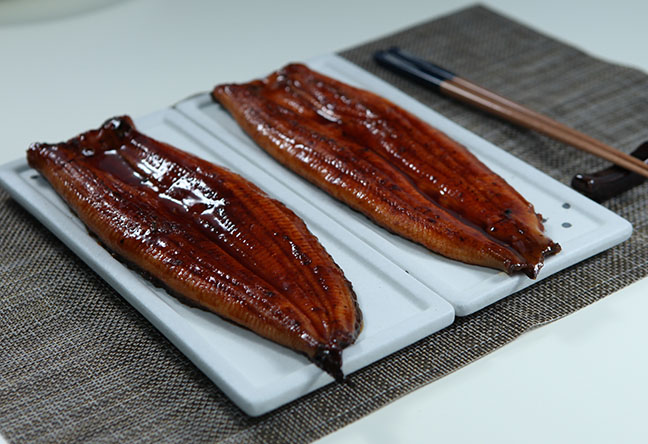
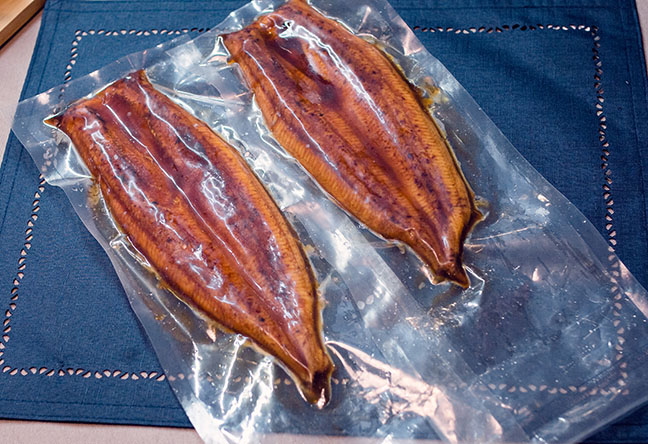
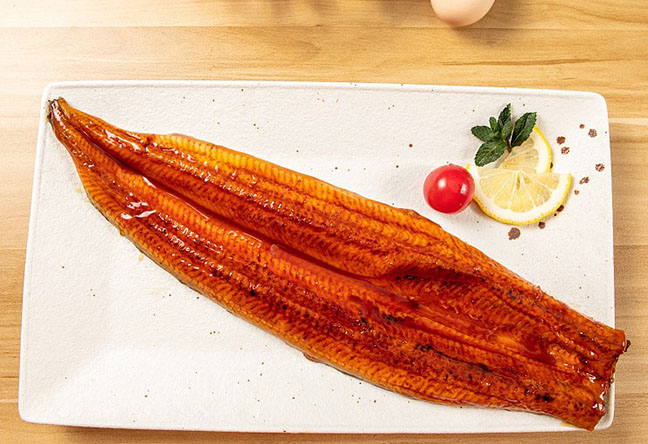
| Unagi Kabayaki (鰻の蒲焼) | The most popular cooking method for unagi. The eel is butterflied, deboned, skewered, grilled, steamed to remove excess fat, then glazed with a sweet soy-based sauce (tare) and grilled again. | This is the value-added product. You are not buying raw eel; you are buying a fully cooked, ready-to-heat product. Your supplier's grilling and glazing process directly impacts flavor, texture, and shelf stability. This is where processing expertise becomes a critical factor. |
| Unadon / Unaju (鰻丼 / 鰻重) | The final dish. "Unadon" refers to grilled eel served over a bowl of rice. "Unaju" is the same concept but served in a traditional lacquered box (jubako). | Defines the end-use and required cut. Is your client making sushi rolls, rice bowls, or noodle dishes? The required format—whole fillets, specific-gram cuts, slices, or diced pieces—depends entirely on the final application. Communicating this helps your supplier provide a product that minimizes kitchen prep for your foodservice customers. |
Sourcing a consistent, safe, and high-quality unagi kabayaki eel product depends entirely on the supplier's control over its entire production chain. For buyers in markets with strict import regulations like the EU, US, and Japan, this control is non-negotiable. It's what separates a reliable long-term partner from a risky one-time purchase.
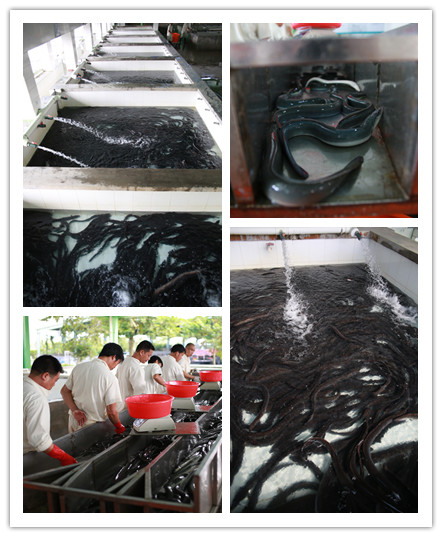
At Eelpro, our entire operation is built around verifiable quality control. This begins at the source. We are supported by approximately 20 customs-registered eel farming bases covering over 2,150 mu. This provides full-chain traceability, from tracking the farming registration and process verification to targeted sampling of raw materials. This farm-level control is the first line of defense in managing quality and ensuring a stable supply of over 5,000 tons of high-quality raw eel annually.
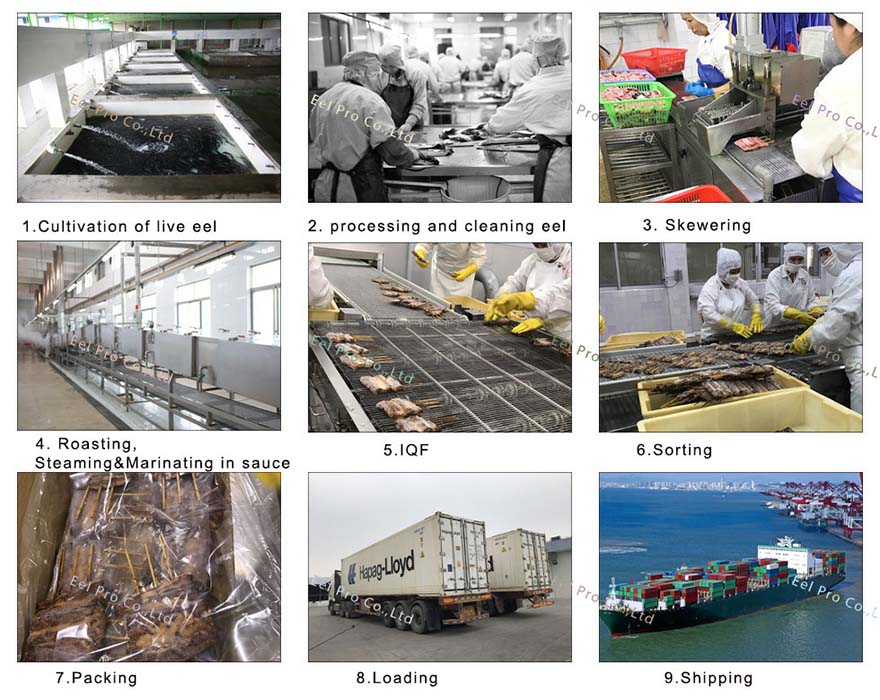
Once the eels arrive at our facility, they enter a meticulously controlled processing environment. Our facility is certified for ISO 22000:2018 Food Safety Management System, HACCP, and HALAL, and holds an Export Food Producer Registration Certificate. Key production steps include:
This integrated system, from certified farms to a state-of-the-art production facility with a 4,000-ton annual capacity, guarantees a product that is not only delicious but also safe and compliant, protecting our buyers from trade risks.
Placing an international order for frozen seafood involves more than just price negotiation. Small oversights in your specification can result in a product that is difficult to sell or causes problems for your foodservice clients. Here are some common mistakes to avoid.
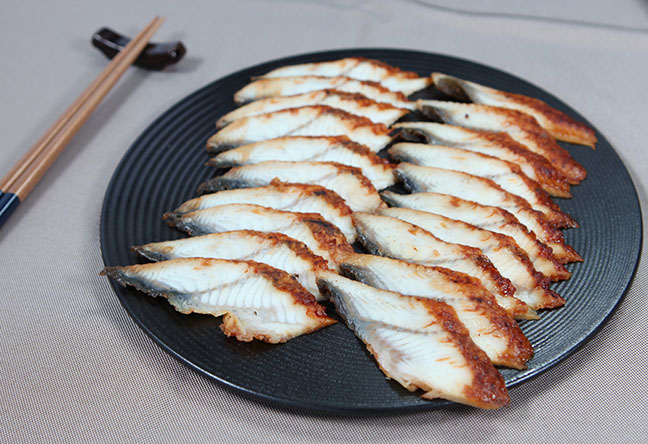
Simply ordering "kabayaki fillets" is not enough. A Japanese restaurant making sushi requires thin, uniform slices (neta), while a catering chain might need diced eel for mixed rice dishes. Failing to specify the format forces your client to spend extra time and labor on back-of-house prep. We offer custom cutting services—including shredding, dicing, strip-cutting, and sushi slices—to deliver a product optimized for its intended use.
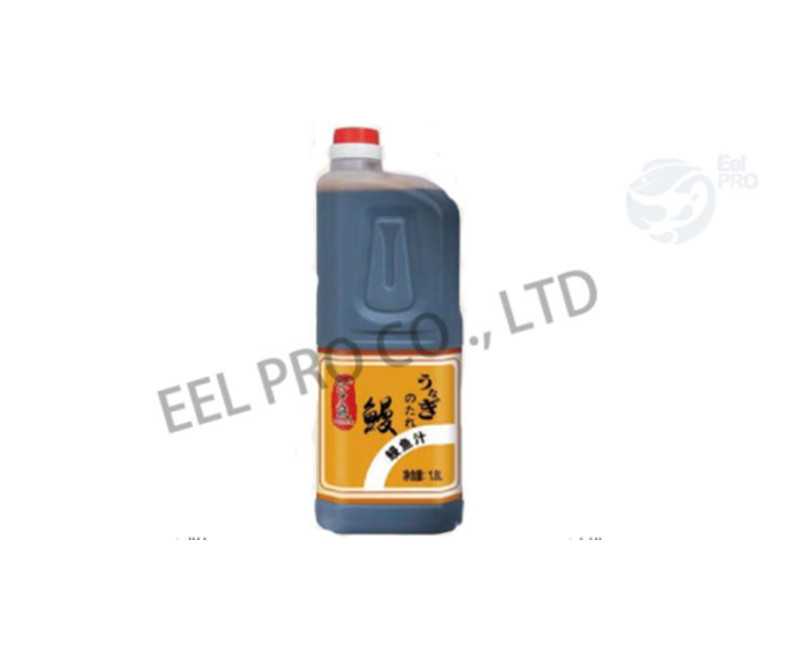
The sauce is fundamental to the kabayaki flavor profile. An inconsistent or poor-quality eel sauce (unagi tare) can ruin the dish. When evaluating a supplier, ask about their sauce. Is it made in-house? What is the process for ensuring its consistency? Our 4-layer glazing process uses a standardized, high-quality tare to ensure that the last fillet in a container tastes just as good as the first.
The quality of a frozen product is only as good as its cold chain. Any temperature fluctuations can cause ice crystal formation, damaging the eel's delicate texture. A supplier must demonstrate robust cold storage and logistics capabilities. Our 1,000-ton cold storage facility ensures that finished products are held at a stable temperature from the moment they leave the production line until they are loaded for shipment.
Never take claims of quality at face value. Always request documentation. Ask for copies of certifications like ISO 22000 and HACCP. Inquire about their traceability system. Can they trace a specific batch of finished product back to the farm it came from? This level of transparency is standard practice for us and is essential for our clients in Germany, Poland, and Australia who serve discerning customers.
By defining your needs with precision and asking these critical questions, you can build a more resilient supply chain and deliver a superior product to your market. This attention to detail is what allows our partners, from Indonesian foodservice channels to Japanese restaurant chains, to serve unagi with confidence.
If you're looking to source frozen unagi kabayaki with verifiable quality and full traceability, contact our team to discuss your specifications and request a sample.

 WhatsApp
 sales@chinaeels.com
 +8619937922411