


How to Choose Unagi Kabayaki Frozen for Sushi
Before issuing an RFQ, restaurant buyers often focus on price and pack size, then discover too late that the eel does not fit their nigiri, rice bowl, or roll format. With unagi kabayaki frozen, the costly mistakes are usually inconsistent fillet sizing, unclear bone treatment, excessive or uneven glaze, and missing cold-chain records. A good-looking product photo cannot answer those questions. The supplier specification can.
For sushi counters, Japanese restaurant groups, and foodservice distributors, frozen grilled eel should be selected as a prepared menu component rather than as a generic frozen seafood item. The right choice depends on how the product will be cut, reheated, plated, and costed per serving. A whole fillet suitable for a rice bowl may create waste on nigiri. A heavily sauced item may suit a sweet glazed roll but overwhelm a more restrained sushi menu.
Eelpro Co., LTD supplies frozen unagi kabayaki, freshwater eel products, and unagi tare for export-oriented buyers. Our facility is certified to ISO 22000:2018, HACCP, and HALAL requirements, with export food producer registration. That documentation matters when a buyer is shortlisting suppliers for markets with formal food-safety and import controls.
Start with the sushi format, not the supplier catalogue
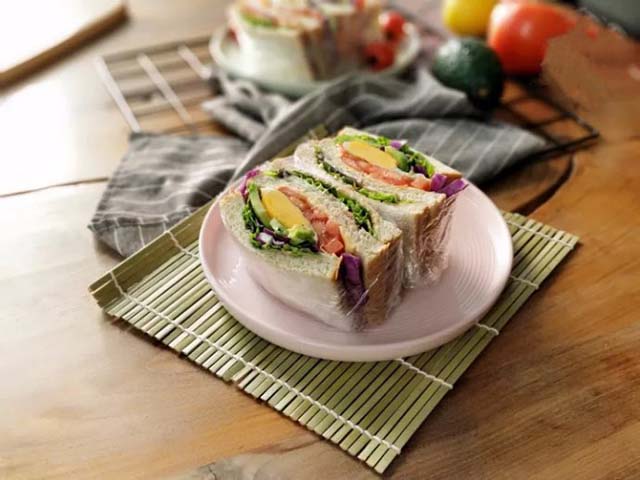
Recommendation: define the finished menu item before comparing fillet offers. The reason is simple: sushi applications place different demands on shape, sauce level, and trimming. This approach fits restaurant operators planning a repeatable serving standard and distributors building a clear product brief for their customers. It does not apply when the buyer is purchasing assorted inventory for general resale without a defined end use; in that case, the catalogue range and packaging format may take priority.
| Sushi application | What to request | Why it matters | Limit to consider |
|---|---|---|---|
| Nigiri sushi | Fillet dimensions, portion-cut capability, bone-treatment statement, glaze description | Uniform slices help the sushi chef maintain a consistent appearance and topping-to-rice balance. | A fillet designed for bowls may be too broad or irregular for efficient nigiri slicing. |
| Unagi rolls | Strip-cut or sushi-slice option, sauce coverage, skin condition after reheating | Roll fillings need manageable strips and a glaze that does not make rice overly wet. | Very light glaze may require extra tare during assembly. |
| Unadon or rice bowls | Whole fillet or chunk-cut option, sauce profile, portion target | Rice bowls can use larger visual pieces and benefit from a pronounced kabayaki finish. | Whole fillets may add cutting labor during busy service. |
| Mixed sushi platters | Stable cut specification, packaging format, lot traceability | Distributors and central kitchens need repeatable presentation across outlets. | One general-purpose SKU may not be ideal for every restaurant concept. |
Eelpro can provide custom cutting formats including shredding, dicing, strip-cutting, chunk-cutting, three-section cuts, and sushi slices. For a buyer whose menu has both rolls and rice bowls, it is sensible to ask whether two cuts can be quoted from the same approved product specification. Do not assume that a standard whole fillet automatically suits both uses.
For menu development ideas that help define a usable cut request, see our eel sushi roll recipe. It can help a buyer translate a finished roll format into practical questions about strip size, sauce use, and preparation flow.
Compare supplier-ready specifications before comparing quoted prices
Conclusion: do not approve a quotation until the supplier has completed a product specification table in writing. Price comparisons are only meaningful when the fillet basis, glaze statement, bone treatment, origin declaration, and cold-chain paperwork are comparable. This is most useful at the supplier-shortlisting stage. It is less relevant for an emergency spot purchase where only available stock matters, although the documentation risk remains.
The table below is designed for a buyer to send with an RFQ. It separates confirmed Eelpro capabilities from fields that still require agreement for the individual SKU.
| Specification item | What the buyer should ask for | Eelpro capability or evidence | What still needs confirmation |
|---|---|---|---|
| Fillet weight | State the target weight range, acceptable variation, and whether it is a whole fillet, section, strip, or sushi slice. | Custom cutting is available, including three-section cuts and sushi slices. | The agreed fillet-weight requirement and acceptance basis for the selected product. |
| Glaze coverage | Request a description of sauce coverage, appearance standard, and whether further tare will be applied in the kitchen. | Export-grade roasting uses a controlled four-layer soy-sauce coating process, with established color standards from white-roasted through the first to fourth coating stages. | The preferred glaze appearance and flavor intensity for the buyer's menu. |
| Bone treatment | Ask whether the item is boneless or deboned and identify the intended sushi application. | Eelpro supplies boneless/deboned eel for foodservice requirements. | The required bone-treatment statement for the exact SKU and target market. |
| Origin | Request the product-origin declaration and traceability information required by the importing market. | Approximately 20 customs-registered eel farming bases covering more than 2,150 mu support full-chain traceability from farming registration to shipment. | The importer's labeling and origin-document requirements. |
| Cold-chain documentation | Ask what shipment, storage, and handover records will be supplied for the agreed trade term. | Eelpro has a 1,000-ton cold-storage facility for product storage and cold-chain logistics. | Required document format, destination requirements, and responsibility after cargo handover. |
A useful buying rule is this: if two suppliers quote the same price per carton but one has not stated fillet weight or glaze basis, they are not yet offering the same product. Ask for the missing fields before treating the quotations as comparable.
Buyers who plan to serve additional sauce should also align the eel and tare at the approval stage. Our eel sauce product page provides a relevant reference point when an importer wants kabayaki eel and sauce sourced together rather than tested as separate items.
Check roasting, texture, and sauce appearance with a controlled trial order
Recommendation: evaluate the product after the same thawing and reheating method your kitchen or customer will actually use. The reason is that sushi suitability is determined on the plate, not only in a frozen sample. This fits restaurant groups, commissaries, and distributors conducting a product approval. It does not replace import checks, label review, or food-safety documentation.
Frozen kabayaki is already roasted and seasoned. The buying question is therefore not whether the eel can be cooked from raw, but whether it retains a clean grilled appearance, usable texture, and appropriate sauce balance after the buyer’s normal preparation routine. Do not request a temperature or reheating-time promise unless it has been verified for the exact equipment and pack format. Those parameters depend on the buyer’s kitchen process and are not stated as fixed product specifications here.
A practical trial-order review procedure
- Confirm the intended menu use. Label each sample as nigiri, roll filling, rice bowl topping, or mixed use before opening it.
- Record the product identity. Keep the supplier specification, packaging details, lot information, and any agreed cutting requirement together.
- Assess frozen condition on receipt. Check whether the outer pack is intact and whether the buyer has received the agreed cold-chain documentation.
- Prepare using one standard kitchen method. Use the same equipment and plating routine planned for service, rather than changing methods between samples.
- Review the fillet after heating. Examine shape, surface glaze, cutting behavior, visible bones, skin condition, and how the eel sits over sushi rice.
- Cost the usable portions. Count actual saleable sushi pieces or bowl portions from the fillet. Do not estimate only from carton price.
- Approve or revise the specification. If sauce is too strong, the cut is unsuitable, or bone treatment is not right for the menu, revise those written fields before moving to a larger order.
Buyer pitfall: judging a glazed fillet only by its color. A darker surface may reflect additional sauce coating, but it does not by itself prove that the product matches your desired sweetness, portion shape, or sushi performance. Eelpro’s four-stage coating color standards give a reference for production control, yet the buyer must still define which appearance fits the menu.
Use compliance and traceability evidence to reduce import and distribution risk
Conclusion: for cross-border sourcing, select a supplier that can show the documented quality system and traceability scope relevant to your destination market. This matters most for importers, distributors, and restaurant chains with formal supplier-approval requirements. It may be less decisive for a local buyer collecting domestic stock, but traceability remains valuable if a quality question occurs later.
Eelpro holds ISO 22000:2018, HACCP, and HALAL certification, an Export Food Producer Registration Certificate, and an SC Food Production License covering quick-frozen prepared foods, including cooked products and seasoned aquatic products. Our products are produced to meet Japan, United States, and European Union food inspection requirements for veterinary drug residues and microbiological indicators. Buyers should still confirm their own destination-market import rules, label requirements, and required certificates before order confirmation.
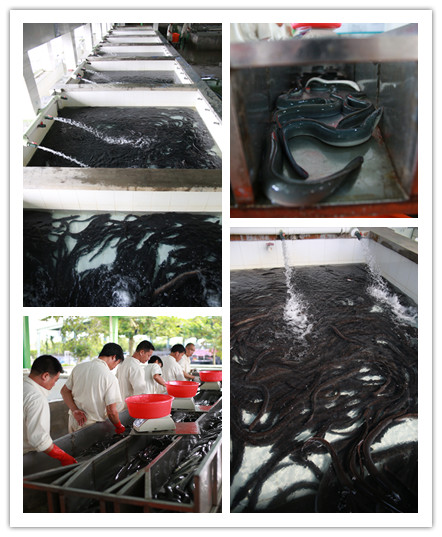
The production base is supported by an in-house laboratory and metal detectors at critical control points. More than 160 employees include 25 technical and quality-control personnel. These are meaningful trust signals because frozen grilled eel is a ready-to-heat food item: a supplier’s controls need to cover raw material, roasting, packing, and shipment traceability, not only final appearance.
Export experience also provides useful context, although it is not a substitute for checking the current import requirements for a specific shipment. Eelpro has supplied kabayaki eel to Japanese restaurant chains, unagi kabayaki and eel sauce to United States food importers, and eel products to importers and distributors in Germany and Poland. We also supply eel products to foodservice and retail channels in Australia, Indonesia, and Southeast Asia.
Buyers who want to review the sourcing side can refer to the unagi eel farm information and the eel lab information before requesting product documentation.
Set cooperation terms that match the selected sushi SKU
Recommendation: agree the commercial terms only after the product format is defined. MOQ, packaging, and delivery planning should follow the selected fillet specification, not precede it. This is appropriate for buyers who need custom cuts, skin packaging, gift boxes, or a defined frozen eel format. It does not mean every request requires customization; a standard available specification may be more suitable for a small initial program.
- MOQ: Eelpro uses differentiated MOQ policies for domestic catering chains, wholesale clients, and export traders. The specific MOQ is negotiable according to product type, such as white-roasted skewers, kabayaki eel, or cut pieces, and the selected packaging format.
- Lead time: Regular order delivery is approximately 30 days from order confirmation to shipment. The actual period is negotiable according to specification and quantity.
- Capacity: Two modern production lines for frozen roasted eel and deep-processed aquatic products have an annual finished-product capacity of 4,000 tons. Capacity supports planning, but it is not a promise that every requested specification is immediately available.
- After-sales scope: After-sales support is provided according to contract terms. Buyers should define acceptance criteria, claim evidence, document timing, and responsibility for storage after delivery in the agreement.
For a restaurant buyer, the strongest shortlisting request is specific: identify the menu use, desired cut, requested bone-treatment statement, preferred glaze appearance, packaging preference, import destination, and expected order quantity. That gives both sides a practical basis for confirming suitability instead of exchanging broad catalogue inquiries.
Request a quote with your sushi format, target fillet specification, destination market, packaging preference, and expected order quantity for a focused product recommendation.